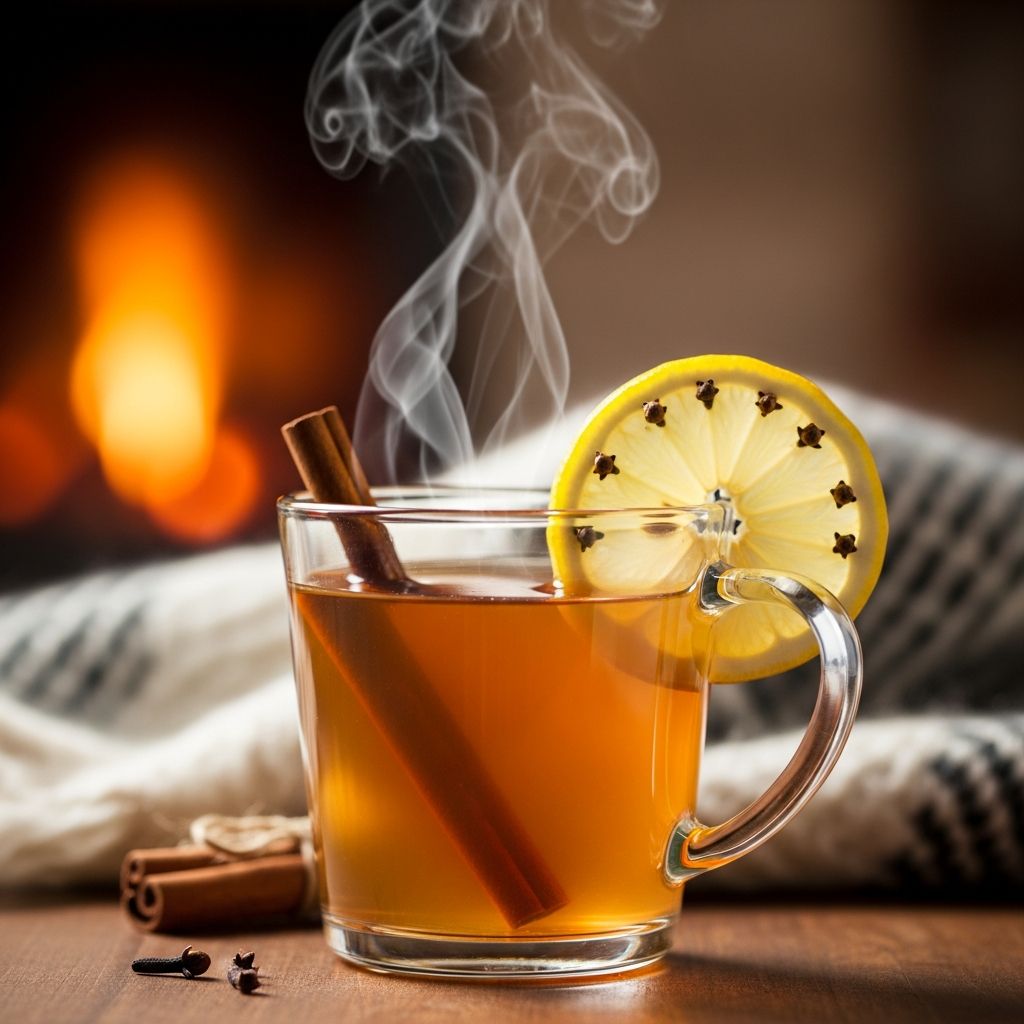
A steaming mug of whiskey, honey, and lemon is one of the most enduring folklore remedies for the sniffles. The hot toddy shows up in family traditions, bar menus, and late-night advice when a sore throat or stuffy nose refuses to go away. But how much of its reputation is earned, and how much is just nostalgia in a glass?
This article takes a clear-eyed look at hot toddies, what each ingredient does in the body, and how the drink compares with evidence-based options for easing cold symptoms.
What Exactly Is a Hot Toddy?
A classic hot toddy is a warm mixed drink built around a small amount of alcohol plus soothing ingredients. While recipes vary, most include:
- Whiskey, brandy, or rum – usually 1 to 1.5 ounces
- Hot water or herbal tea – providing heat and hydration
- Honey – to sweeten and coat the throat
- Lemon juice or a lemon slice – for acidity and flavor
- Optional spices – such as cinnamon, clove, or ginger
People generally sip hot toddies slowly in the evening, often before bed. The aim is not to cure the infection itself, but to feel more comfortable while the illness runs its course.
Colds 101: What You’re Really Treating
The common cold is caused by a group of viruses, most notably rhinoviruses, that attack the upper respiratory tract. According to the U.S. Centers for Disease Control and Prevention (CDC), there is no cure that can eliminate the virus; symptoms usually peak within a few days and resolve in about 7–10 days for most healthy adults.
Typical symptoms include:
- Runny or stuffy nose
- Sore or scratchy throat
- Cough
- Sneezing
- Mild body aches or headache
- Low-grade fever and fatigue
Because there is no quick fix, most remedies focus on two goals:
- Symptom relief – making you feel less miserable
- Supporting recovery – rest, fluids, and sensible self-care
Hot toddies, like many home remedies, are aimed squarely at the first goal.
How Warm Drinks Help (With or Without Whiskey)
Before focusing on alcohol, it is important to understand the role any warm, non-alcoholic drink can play during a cold. Research shows that hot liquids can temporarily ease congestion and throat discomfort:
- Warmth and steam help loosen thick mucus and may open nasal passages, making it easier to breathe through the nose.
- Hydration supports mucus membranes, helping them trap and clear viruses and irritants more efficiently.
- Comfort and relaxation from holding and sipping a warm drink can reduce perceived symptom severity, helping you feel better even if the underlying illness is unchanged.
Studies of hot drinks for colds, including hot fruit drinks and broths, have found measurable improvements in runny nose, cough, sneezing, sore throat, chills, and tiredness compared with room-temperature liquids. The key is the temperature, fluid, and steam—not the alcohol.
Whiskey’s Role: What the Science Says
In a hot toddy, whiskey is often credited as the active “medicine.” However, modern medical sources are cautious about this claim.
Health-focused reviews note that:
- Alcohol does not fight cold viruses. It has no antiviral effect against the typical respiratory viruses that cause colds.
- Alcohol can be dehydrating, especially in larger amounts, which can worsen congestion and throat irritation by drying out mucus membranes.
- Excessive alcohol may impair immune function, particularly with repeated or heavy use, which could prolong illness or make symptoms harder to shake.
Some proponents argue that small amounts of alcohol widen blood vessels and induce relaxation, which might translate into a sense of relief. But large, authoritative health sources emphasize that any perceived benefit from the whiskey itself is outweighed by the risk of fluid loss and poorer sleep quality if more than a modest amount is consumed.
Bottom line: whiskey is not an evidence-based medicine for colds. At best, a small amount may help some adults feel drowsy, but it does not shorten the illness or directly treat the cause.
Honey, Lemon, and Heat: The Ingredients That Actually Help
Several standard hot toddy components do have support in the medical literature—just not because they are mixed with whiskey.
Honey: A Proven Cough Soother
Honey is one of the few traditional remedies that has been directly studied for cough. A guideline in the journal BMJ and other clinical reviews found that honey can reduce cough frequency and severity in upper respiratory infections, sometimes performing as well or better than over-the-counter cough syrups in children over one year old.
Key properties of honey include:
- Throat coating – creating a protective film that soothes irritation
- Sweetness – which may stimulate saliva and trigger reflexes that reduce coughing
- Antimicrobial activity – thanks to natural enzymes and plant compounds, though this is more relevant for surface wounds than for internal viral colds
Important safety note: honey should never be given to children under 12 months because of the risk of infant botulism, as emphasized by pediatric authorities such as the American Academy of Pediatrics.
Lemon and Vitamin C
Lemon adds flavor and a modest amount of vitamin C. Large reviews of vitamin C show that routine supplementation does not prevent most colds but may slightly reduce the duration of symptoms in some people. A single wedge of lemon will not supply a therapeutic dose, but it can:
- Cut the sweetness of honey
- Stimulate saliva and help keep the throat moist
- Provide a sense of freshness that many find comforting when congested
Heat and Steam
As with any hot drink, the temperature of a toddy matters:
- Warm liquids can make mucus less sticky and easier to clear.
- Steam rising from the mug may temporarily open up nasal passages, similar to the effect of a steamy shower.
Is a Hot Toddy Safe for Everyone?
While an occasional, lightly spiked hot drink may be low risk for many healthy adults, alcohol is not appropriate for everyone. Public health agencies and clinical guidelines highlight several groups who should avoid alcohol when ill or in general:
- Children and teenagers
- Pregnant or breastfeeding individuals
- People taking sedating medications (sleep aids, certain antihistamines, some pain relievers)
- People with liver disease, certain heart conditions, or a history of substance use disorder
- Anyone who needs to drive, supervise children, or operate machinery
Even in healthy adults, mixing a hot toddy with other nighttime cold products that contain alcohol or sedating ingredients can increase drowsiness and the risk of side effects.
Hot Toddy vs. Alcohol-Free Alternatives
If your goal is symptom relief without the downsides of alcohol, you can get almost all of the comfort benefits from an alcohol-free version. The table below compares a classic whiskey-based toddy with a non-alcoholic variant.
| Feature | Traditional Hot Toddy (with Whiskey) | Alcohol-Free Warm Drink |
|---|---|---|
| Hydration | Helps, but alcohol can partially offset fluid gain | Maximal hydration; no dehydrating effect |
| Cough relief | Mostly from honey and warmth | Same benefit from honey and heat |
| Congestion relief | From heat and steam | Equivalent heat and steam effect |
| Drowsiness | Alcohol-induced; may disrupt sleep quality in excess | Gentler relaxation from warmth; no alcohol-related sleep disruption |
| Immune impact | Heavy or repeated use may interfere with immune function | No known negative impact on immunity |
Evidence-Based Ways to Feel Better
Leading health organizations recommend several approaches that have stronger evidence than whiskey for managing colds.
- Plenty of fluids – water, herbal tea, broths, or diluted juice to replace losses from fever and mucus.
- Rest and sleep – giving the immune system energy to fight the virus.
- Saline nasal sprays or rinses – to flush out mucus and irritants.
- Humidified air – via a cool-mist humidifier or steamy shower to ease congestion.
- Over-the-counter pain relievers – such as acetaminophen or ibuprofen for fever and aches, used according to package directions and personal medical history.
- Honey for cough – in adults and children over one year old, either by the spoonful or dissolved in warm water or tea.
Some reviews also discuss potential benefits of zinc lozenges for shortening symptom duration if started early, though doses and timing matter and side effects like nausea can occur.
How to Make a Safer Comforting Drink
If you like the ritual of a hot toddy but want to minimize alcohol-related downsides, consider these approaches:
- Skip the whiskey entirely and combine hot water or herbal tea with lemon, honey, and optional spices such as ginger or cinnamon.
- Use a very small amount of alcohol (for example, half your usual pour) and drink it slowly alongside a glass of water.
- Avoid multiple alcoholic drinks on top of the toddy, especially if you are also taking sedating medications.
- Time it earlier in the evening so alcohol is metabolized before bed, which may reduce sleep disruption.
When to Skip Home Remedies and Call a Doctor
Most colds are mild and resolve on their own, but certain red-flag symptoms call for medical evaluation instead of another mug of hot liquid. The CDC and other authorities recommend seeking medical care if you experience:
- Difficulty breathing or shortness of breath
- Chest pain or pressure
- High fever that persists or quickly worsens
- Confusion, extreme drowsiness, or trouble staying awake
- Severe facial pain, ear pain, or symptoms that significantly worsen after initial improvement (possible sinus or ear infection)
- Cold symptoms lasting longer than about two weeks in adults
People with chronic conditions such as asthma, COPD, heart disease, diabetes, or compromised immunity should also contact a healthcare professional early in the course of illness for tailored guidance.
Frequently Asked Questions (FAQs)
Q: Does a hot toddy cure the common cold?
No. There is currently no cure for the common cold. A hot toddy may ease symptoms such as sore throat or congestion for a short time, mainly due to the warm liquid and honey, but it does not eliminate the virus or shorten the infection.
Q: Is whiskey ever recommended as a cold treatment?
Major medical and public health sources do not recommend whiskey as a treatment for colds. Alcohol can dehydrate you and, in larger amounts, may weaken immune responses, which is the opposite of what you want when fighting an infection.
Q: Can I give my child a sip of hot toddy for a cough?
No. Children should not be given alcoholic drinks for any medical reason. For kids over one year old, honey in warm water or tea may help with cough, but the drink should be alcohol-free, and honey must be avoided completely in infants under 12 months because of botulism risk.
Q: Why do I feel sleepy after a hot toddy?
Alcohol is a central nervous system depressant and can make you feel relaxed or drowsy. However, it also tends to fragment sleep and reduce sleep quality later in the night, especially at higher doses. Warm drinks without alcohol can also promote relaxation without these side effects.
Q: What is a good alcohol-free alternative to a hot toddy?
Try a mug of hot herbal tea or hot water with a spoonful of honey, a squeeze of lemon, and optional spices like ginger. You will still get the benefits of warmth, steam, and throat-coating honey without the risks associated with alcohol.
References
- Common Colds: Protect Yourself and Others — Centers for Disease Control and Prevention (CDC). 2024-02-15. https://www.cdc.gov/common-cold
- Honey: A Traditional and Modern Antimicrobial Agent — Molan P. Clinical Microbiology Reviews. 2001-10-01. https://cmr.asm.org/content/14/1/129
- Will Whiskey Help a Cold? Myths and Facts for Cold Remedies — Healthline Editorial Team. 2023-05-10. https://www.healthline.com/health/cold-and-flu/will-whiskey-help-with-a-cold
- Reality Check: Can a Hot Toddy Really Help Relieve Cold Symptoms? — Global News. 2017-01-18. https://globalnews.ca/news/3189805/reality-check-can-a-hot-toddy-really-help-relieve-cold-symptoms/
- Can a Hot Toddy Help a Cold? Evidence, Recipe, and Alternatives — Medical News Today. 2020-01-23. https://www.medicalnewstoday.com/articles/325196