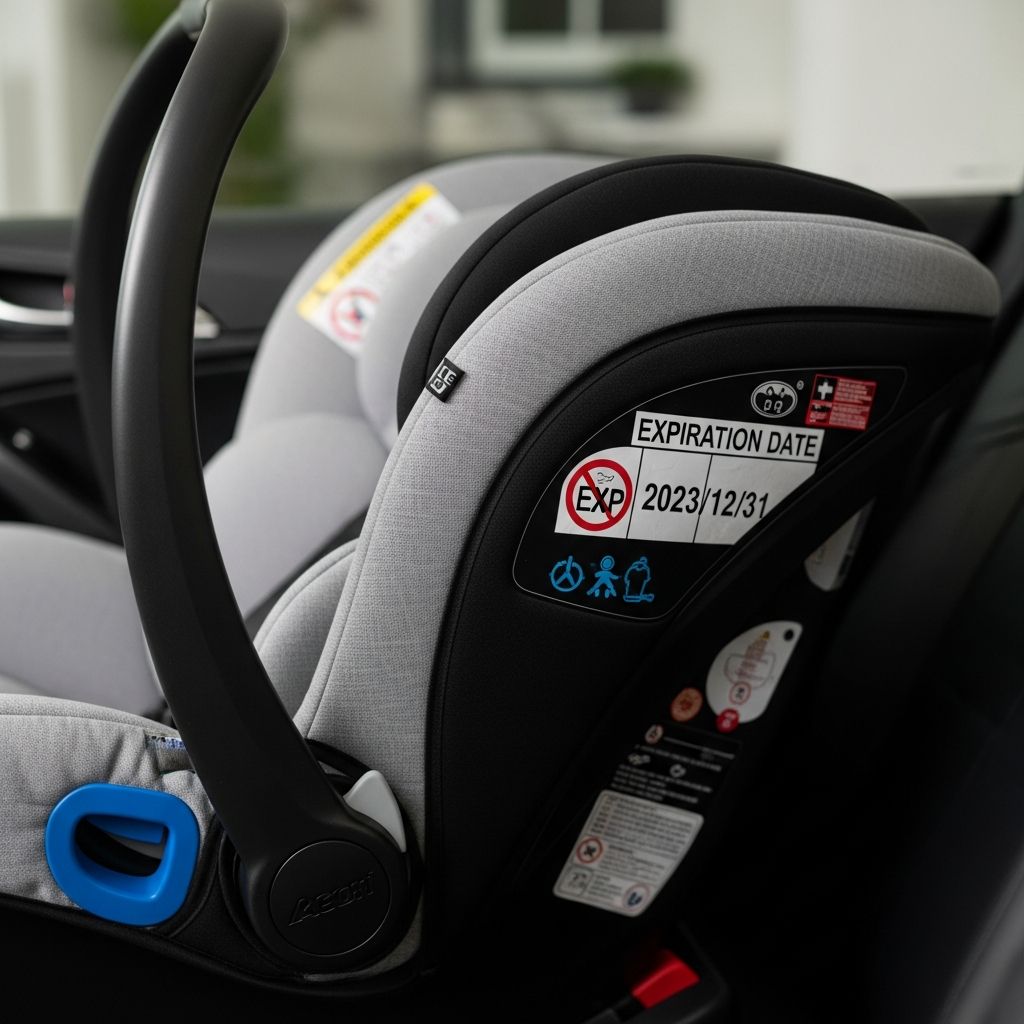
Car seats have built-in expiration dates to ensure they provide reliable crash protection as materials degrade over time and safety standards evolve. Manufacturers set these limits between 4 and 12 years from the date of manufacture, after which the seat should no longer be used.
The Science Behind Car Seat Lifespans
Car seats endure extreme conditions inside vehicles, including temperature swings from freezing winters to scorching summers. Plastics in car seats have a heat deflection temperature typically between 158°F and 212°F, and prolonged exposure to high heat—such as car interiors reaching 130–172°F—can cause microscopic weakening, distortion, or brittleness invisible to the eye.
Additionally, repeated use leads to wear on harness straps, padding, and buckles. UV radiation from sunlight accelerates material breakdown, compromising the seat’s ability to absorb impact forces during a collision. These factors collectively reduce the seat’s structural integrity, making expiration dates a conservative safeguard.
Safety regulations also advance rapidly. The National Highway Traffic Safety Administration (NHTSA) periodically updates federal motor vehicle safety standards (FMVSS), incorporating new crash test data and technologies like side-impact protection. Seats manufactured before these changes may not meet current benchmarks, even if they appear intact.
Finding Your Car Seat’s Expiration Information
Every certified car seat displays a date of manufacture (DOM) on a white rectangular label, usually on the side, back, or underside of the seat shell. This is not the purchase date but the production date from the factory.
Some labels explicitly state the expiration date, while others require checking the manual for the ‘useful life’—typically 6–10 years—and adding that to the DOM. For example:
- Date of Manufacture: March 15, 2020
- Useful Life: 10 years (steel-reinforced models)
- Expiration: March 15, 2030
If the manual is lost, download it from the manufacturer’s website or contact customer service. Brands like Graco differentiate by construction: steel-reinforced seats last 10 years, plastic-reinforced ones 7 years. Britax prints expiration directly on newer models’ serial labels.
| Car Seat Type | Typical Lifespan | Example Brands |
|---|---|---|
| Infant Car Seats | 6 years | Britax ClickTight Bases |
| Convertible Seats | 7–10 years | Graco Steel-Reinforced (10y), Plastic (7y) |
| All-in-One/Boosters | 10–12 years | Britax One4Life (10y) |
Note: Exceptions exist, like Babyark seats requiring a 10-year inspection instead of a fixed expiration. Always verify per model.
Risks of Using Expired or Compromised Seats
An expired car seat may buckle and fit perfectly, but its crash performance is unguaranteed. Degraded plastics shatter more easily, failing to distribute forces away from your child. Manufacturers withdraw support—no parts, no recalls—for expired models, leaving you vulnerable.
Post-crash use is another red flag. NHTSA mandates replacing seats involved in moderate-to-severe crashes, as hidden damage weakens the frame regardless of expiration. Thrift store finds are risky without full history; avoid them entirely.
Legality varies by state, but insurance often denies claims for expired seats, and injury risk rises significantly. Prioritize safety: no visible damage guarantees protection.
Safe Disposal of Expired Car Seats
Once expired, immediately stop using the seat to prevent accidental reuse. Proper disposal ensures it doesn’t endanger another family:
- Remove the fabric cover and padding.
- Cut or slash the harness straps with scissors.
- Deface the manufacturing label (scratch off DOM/serial number).
- Write “EXPIRED – DO NOT USE” in permanent marker on the shell.
- Bag it in black plastic and dispose via curbside trash or recycling.
Check local waste guidelines; some areas accept car seats for recycling. Never donate, sell, or thrift expired seats—it’s irresponsible and potentially liable.
Selecting a New Car Seat Post-Expiration
Replacement should match your child’s age, height, weight, and vehicle. NHTSA recommends rear-facing as long as possible (up to height/weight limits), then forward-facing with harness, and boosters only when they fit adult seat belts properly.
- Infant: 4–35 lbs, rear-facing only.
- Convertible: Birth to 65+ lbs, rear- and forward-facing.
- All-in-One: Infant to booster (100+ lbs).
- Booster: 40–120 lbs, belt-positioning.
Choose seats with current FMVSS 213 certification, easy LATCH installation, and high NHTSA ease-of-use ratings. Register online for recall alerts. Test fit in your car before buying.
Prolonging Your Car Seat’s Safe Use
While expiration is fixed, habits extend reliability until then:
- Park in shade or garage to minimize heat/UV exposure.
- Clean spills promptly; avoid harsh chemicals.
- Inspect regularly for cracks, fraying straps, or mold.
- Follow all installation instructions precisely.
- Update to match vehicle changes (e.g., new car models).
Annual checks against the manual ensure compliance. Teach siblings and caregivers about expiration to avoid misuse.
Frequently Asked Questions
Do all car seats expire?
Yes, nearly all do, with lifespans of 4–12 years from manufacture date. Rare exceptions like Babyark require inspections.
Is it illegal to drive with an expired car seat?
Not federally, but state laws vary, and it voids insurance protections while heightening crash risks.
Can I use a car seat involved in a minor fender-bender?
No—NHTSA advises replacement after any moderate crash. Inspect minor ones professionally.
How do I know if my second-hand seat is safe?
Avoid unless you know its full history (no crashes, not expired). Labels alone aren’t enough.
Do booster seats expire too?
Absolutely, same principles apply: material wear and standard updates make them time-limited.
Staying Ahead of Safety Standards
Child passenger safety evolves with research showing rear-facing reduces injury risk by 5x versus forward-facing. New standards emphasize side-impact (FMVSS 213a) and tether use. Expired seats miss these, underscoring timely replacement.
Parents should bookmark NHTSA’s car seat finder tool and attend local fitting stations—75% of seats are misused, per NHTSA data. Combining correct installation with unexpired gear maximizes protection.
(Word count: 1678)
References
- Why Do Car Seats Expire? — Safe in the Seat. 2023-05-15. https://www.safeintheseat.com/post/why-do-car-seats-expire
- When Do Car Seats Expire? — Graco Baby. 2024-01-10. https://www.gracobaby.com/carseatexpirationpage.html
- Why Do Car Seats Expire? Safety Facts Every Parent Should Know — Brian’s Tire & Service. 2023-11-20. https://brianstireandservice.com/why-do-car-seats-expire-what-every-parent-should-know/
- Car Seat Expiration and Date of Manufacture: A Britax Guide — Britax USA. 2024-03-05. https://us.britax.com/knowledge-center/safety-testing-and-tips/car-seat-expiration-and-date-of-manufacture-a-britax-guide
- Car Seat & Booster Seat Safety, Ratings, Guidelines — National Highway Traffic Safety Administration (NHTSA). 2025-09-12. https://www.nhtsa.gov/vehicle-safety/car-seats-and-booster-seats