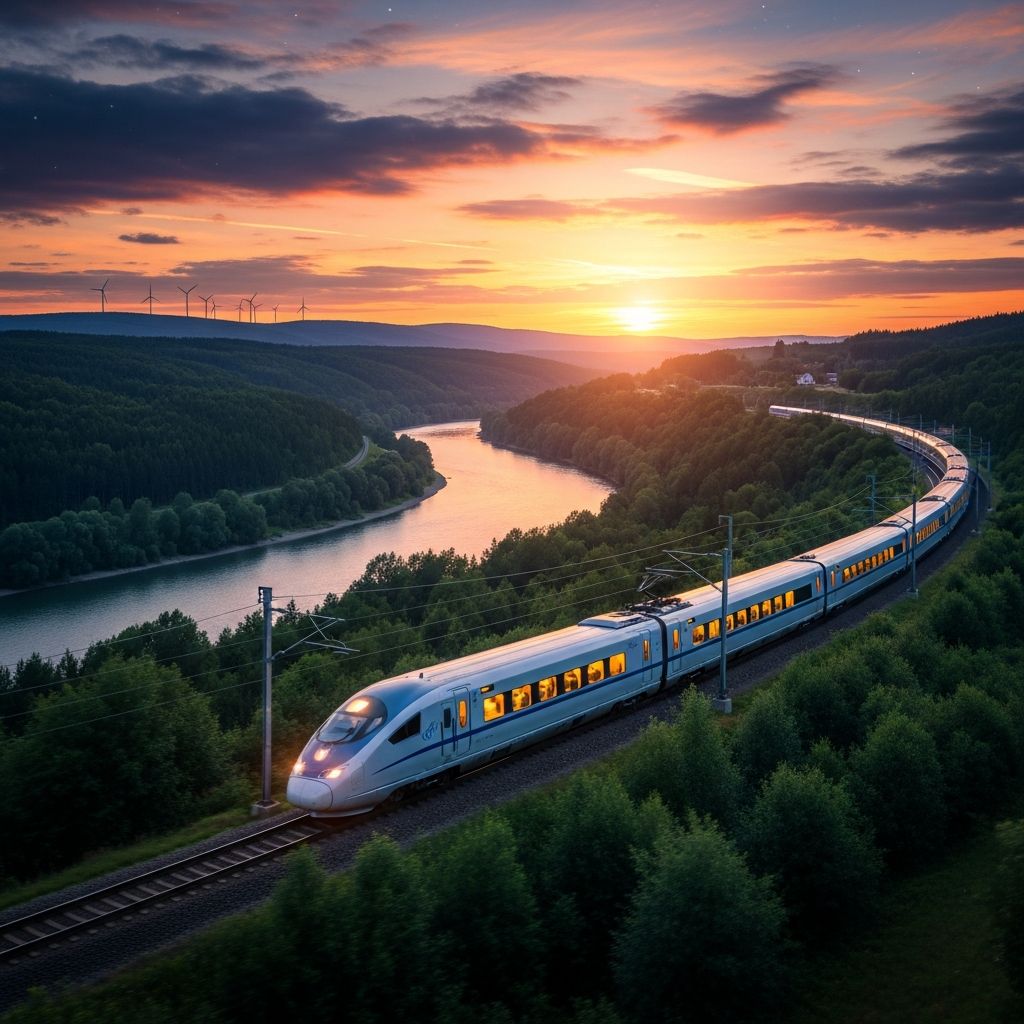
Overnight train journeys turn the practical task of getting from point A to point B into a moving sleepover, a rolling hotel, and a slow-motion adventure all at once. They can save you a night of accommodation, cut airport stress, and create the kind of travel memories that photos rarely capture.
Why Overnight Trains Feel So Magical
There is something uniquely cinematic about watching a station platform slide away in the evening and waking up in a completely different landscape. The low rumble of the tracks, the soft sway of the carriage, and the cozy confines of a sleeper compartment can make even a simple trip feel like an adventure.
Unlike airports, many major train stations sit in the heart of cities, which means an overnight train can deliver you straight into the action by morning without the hassle of long taxi rides or security lines at dawn.
Key Benefits of Overnight Train Travel
- Two-in-one value: Your ticket often covers both transport and a night’s lodging, especially if you book a sleeper cabin rather than a regular seat.
- Less airport stress: You skip early check-ins, security queues, and luggage weight anxiety that usually accompany flights.
- City-center arrivals: Many routes start and end in central train stations, so you step off the train ready to explore instead of commuting in from a distant airport.
- Scenic routes: On some journeys, you get bonus daytime views on either side of the night—dawn over mountains, dusk along coasts, and glimpses of towns you might otherwise miss.
- Greener choice: Long-distance trains typically emit less carbon per passenger than planes over the same route, making them attractive to eco-conscious travelers.
Common Types of Night Train Accommodation
Not every overnight train looks the same, and understanding your options helps you choose the right balance of comfort, privacy, and price. On many networks you can book anything from a reclining seat to a private bedroom with its own shower.
| Type | What You Get | Best For |
|---|---|---|
| Reclining seat | Regular or extra-wide seat that leans back, overhead storage, shared lights and power outlets. | Budget travelers, short overnight hops, heavy sleepers. |
| Couchette (shared bunks) | Simple bunks in a shared compartment, basic bedding, shared toilets down the corridor. | Groups of friends, families on a budget, adventurous solo travelers. |
| Roomette / small private cabin | Compact private space that converts from seats to beds, big window, access to shared showers. | Solo travelers or couples wanting privacy and quiet. |
| Bedroom | Larger private cabin with sofa and chair by day, beds by night, plus in-room sink and toilet; sometimes a private shower. | Couples, business travelers, anyone prioritizing comfort. |
| Family room / suite | Extra-wide cabin for two adults and children or connecting bedrooms, multiple beds and big windows. | Families with kids, multigenerational trips. |
Planning Your Route and Timing
Choosing the right overnight route starts with realistic expectations: trains often take longer than flights, but the time you spend sleeping on board can replace time in airports and hotels.
Look for journeys that leave in the early evening and arrive mid-morning so you can get settled, sleep a full night, and still have time for breakfast before arrival. If possible, pick routes with interesting scenery at either end so you enjoy the views at dusk or dawn.
Smart Booking Tips
- Check whether the price you see includes bedding, meals, and access to lounges or if these cost extra.
- Compare the cost of a sleeper cabin plus train ticket to a daytime train plus hotel night; the overnight option is sometimes cheaper overall.
- Reserve early on popular holiday or weekend routes, as family rooms and private cabins can sell out fast.
What to Pack for a Comfortable Night
A well-packed small bag can make the difference between a restless night and a surprisingly luxurious one. Even when bedding is provided, a few personal comforts go a long way.
Overnight Train Essentials
- Lightweight sleepwear or comfortable clothes you do not mind being seen in around the corridor.
- Earplugs and an eye mask to cut down on noise and light from stops and fellow passengers.
- Travel-sized toiletries: toothbrush, face wipes, hand sanitizer, and any medication you need overnight.
- Slip-on shoes or sandals for walking to the restroom without wrestling with laces.
- A refillable water bottle and a few snacks in case the dining car hours are limited or you get hungry late at night.
- A small power strip or multi-port charger, as outlets can be scarce or awkwardly placed.
Making the Most of Life On Board
Part of the charm of overnight trains lies in the slow transition between places. Instead of rushing, you can treat the onboard hours like a mini-retreat: read, journal, talk, or simply stare out at the changing world.
Screen-Free Ways to Enjoy the Ride
- Bring a paperback or e-reader preloaded with a book that matches the tone of your journey, from mysteries to travel memoirs.
- Play compact, quiet games such as cards, word games, or simple travel board games with kids or friends.
- Use the time to plan the next day, marking maps, bookmarking restaurants, and listing sights to prioritize.
- Spend a few minutes journaling first impressions or sketching the scenery and stations you pass through.
Eating and Drinking on a Sleeper Train
Some long-distance trains offer full dining cars with table service and freshly prepared meals, while others rely on snack bars or trolley service, so always check what your specific route includes.
On routes where sleepers include meals, passengers in private cabins often enjoy complimentary breakfast and sometimes dinner, which turns the journey into an all-inclusive experience. On more basic routes, packing a picnic can make the evening feel special without depending on limited onboard menus.
Sleeping Well in a Moving Train
Sleeping on a train is different from sleeping in a hotel: there is more motion, occasional station announcements, and the muted sounds of the tracks. Many people find the gentle rocking soothing once they settle in.
Tips for Better Sleep
- Set up your bed or seat early so you are not fumbling with luggage or bedding when you are already tired.
- Use earplugs and an eye mask to create a cocoon, especially if you are in a shared compartment with strangers.
- Secure small valuables in an inner pocket or money belt so you can relax without worrying about them while you sleep.
- Avoid heavy caffeine late in the evening, and instead sip water or herbal tea if available.
- If you are prone to motion discomfort, consider a seat or lower bunk in the middle of the carriage, where movement can feel less pronounced.
Traveling with Kids on Night Trains
Overnight trains can be especially memorable for children, who often see them as moving forts or life-sized toy trains. A family sleeper compartment or family room gives kids space to relax and parents a door they can close.
Family-Friendly Strategies
- Book bunks in the same compartment so everyone stays together and kids feel secure.
- Let children help choose snacks, books, or games for the journey so they feel invested in the adventure.
- Set expectations about quiet hours, sharing space, and staying close in corridors before you board.
- Keep bedtime routines familiar with a favorite stuffed animal, bedtime story, or sleep playlist on headphones.
Safety, Etiquette, and Comfort
Modern overnight trains are generally safe, but basic precautions help you sleep more peacefully and keep the shared environment pleasant for everyone. Courtesy in close quarters goes a long way.
Simple Safety Habits
- Keep passports, tickets, and small electronics in a secure pocket or pouch you can keep near your body while sleeping.
- Use any door locks or latches provided in private cabins, and keep your main bag zipped and positioned where you can see it.
- Stay aware during station stops, especially at night, and avoid leaving bags unattended on platforms.
Quiet, Considerate Travel
- Keep voices low in the evening and early morning, especially in corridors and shared compartments.
- Use headphones for music or movies and keep screen brightness down in darkened cabins.
- Limit strong-smelling foods and clean up wrappers or takeaway containers promptly.
- Share limited outlets politely and avoid blocking shared space with luggage in narrow corridors.
When Overnight Trains Might Not Be Ideal
While many travelers fall in love with overnight rail, it is not perfect for every trip or every person. Those who are extremely sensitive to motion or noise may find even the quietest routes challenging.
On some routes, sleeper tickets can cost more than a budget flight plus a basic hotel, and not all trains offer showers or modern facilities, especially outside of premium services. If traveling purely for speed, a direct flight may still suit you better.
Quick Pros and Cons Snapshot
| Pros | Cons |
|---|---|
| Combines transport and accommodation into one cost. | Can be slower than flying, especially on long routes. |
| Reduces airport stress and long security lines. | Some cabins and couchettes feel cramped with lots of luggage. |
| Arrives in city centers, close to attractions and hotels. | Limited facilities on certain routes, including few showers. |
| Offers a distinctive travel experience with chances to meet fellow passengers. | Light sleepers may struggle with motion, noise, or station stops. |
| Can be a lower-carbon alternative to flying. | Premium sleepers can be pricey during peak seasons. |
FAQs About Overnight Train Travel
Do sleeper train tickets include food?
On many long-distance routes, passengers in private sleeper cabins receive complimentary meals, often including at least breakfast and sometimes dinner, served either in a dining car or delivered to the cabin. Budget sleepers and regular seats usually do not include meals, but you can buy food from a café car or bring your own.
Are overnight trains safe for solo travelers?
Solo travelers regularly use overnight trains, and most routes have staff on board throughout the journey, including conductors and attendants assigned to sleeper cars. Simple precautions—such as locking doors in private cabins, keeping valuables on your person, and choosing well-reviewed routes—add extra peace of mind.
Can I shower on an overnight train?
Some premium services provide shared showers for sleeper car passengers, and higher-end private bedrooms may have in-room showers, while more basic overnight routes offer only restrooms and washbasins. Always check your specific train’s amenities so you know whether to rely on onboard facilities or plan to shower at your destination instead.
What if I get motion sick while sleeping?
If you are prone to motion sickness, aim for a lower bunk or a seat in the middle of the carriage, where movement often feels gentler, and consider speaking with a healthcare professional about remedies before you travel. Eating light, staying hydrated, and focusing on a fixed point outside the window when awake can also help.
How early should I arrive for a night train?
Arriving 30 to 60 minutes before departure usually gives you enough time to find your platform, locate your carriage, and settle into your seat or cabin at a relaxed pace. Earlier arrival is especially helpful in large or unfamiliar stations, when traveling with children, or when you need to pick up physical tickets from a machine or counter.
Turning a Simple Journey Into a Story
Overnight trains offer more than just a way to cross long distances—they frame the in-between hours as an experience, not an inconvenience. Whether you are sharing bunks with your kids, chatting quietly in a dining car, or waking up to a new skyline outside your window, those small, liminal moments often become the parts of a trip you remember most vividly.
With a bit of planning and the right expectations, your next long-distance journey can trade sterile terminals and early alarms for soft lamplight, hushed corridors, and the steady rhythm of the rails carrying you through the night.