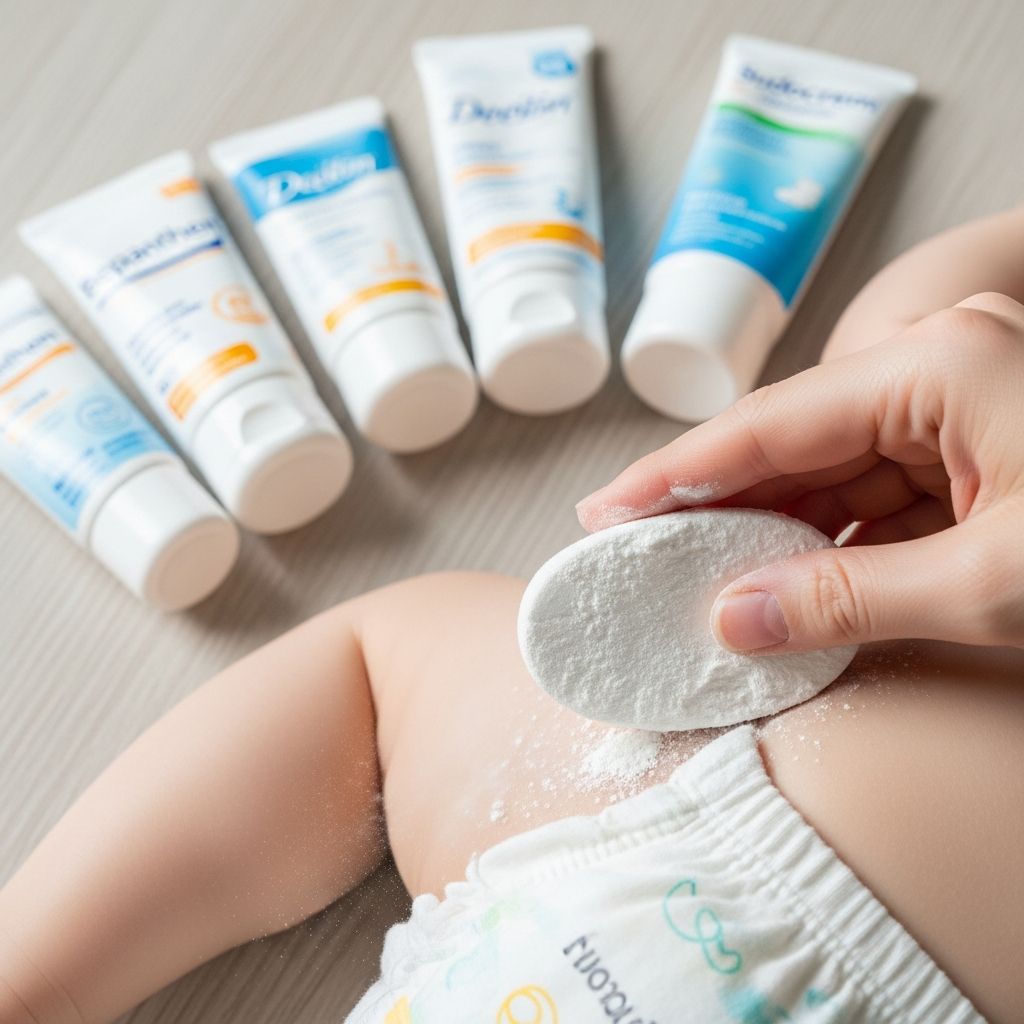
Diaper rash is one of the most common early parenting headaches, but it does not have to be a constant battle. With a smart changing routine, gentle products, and the right diaper cream strategy, most rashes can be prevented or cleared quickly at home.
This guide explains why diaper rash happens, how to build a simple prevention routine, what to look for in creams and ointments, and when it is time to call your pediatrician. The goal is to help you feel confident every time you open a diaper.
Understanding Diaper Rash: What Is Actually Happening?
Diaper rash is irritation of the skin in the area covered by the diaper — usually the buttocks, inner thighs, and sometimes the lower belly and genitals. The skin can look red, shiny, or bumpy, and may feel warm or tender to the touch.
The diaper area is a perfect “storm” for irritation: moisture from urine, enzymes and acids from stool, friction from the diaper, and limited airflow. When these factors pile up, the skin barrier becomes damaged and more vulnerable to inflammation and infection.
Major Causes of Diaper Rash
Several triggers often work together to create a rash. Understanding them helps you make small changes that have a big impact.
- Prolonged moisture: When urine or stool sits on the skin, it softens and breaks down the outer layer, making it easier for irritation and infection to develop.
- Friction and chafing: A tight or rough diaper can rub already-sensitive skin, especially in the creases of the thighs and buttocks.
- Stool enzymes and acidity: Digestive enzymes in stool, plus acidity from certain foods, are especially irritating to delicate skin.
- New products or fragrances: Some babies react to ingredients in wipes, detergents, disposable diapers, or creams, especially when fragrance or harsh cleansers are involved.
- Overgrowth of yeast or bacteria: Once the skin barrier is damaged, yeast or bacteria can thrive in the warm, damp diaper environment, making the rash more intense and slower to heal.
- Antibiotics and illness: Antibiotics can disrupt the natural balance of bacteria on the skin and in the gut, making yeast rashes more likely. Diarrhea during illness also increases irritation risk.
Diaper Rash Risk Factors You Can’t (and Can) Control
Some factors are built into this stage of life, while others can be adjusted. Knowing the difference keeps expectations realistic.
| Risk Factor | You Can Control? | What You Can Do |
|---|---|---|
| Age (0–2 years) | No | Accept that occasional rashes are normal; focus on gentle care. |
| Frequent stools / diarrhea | Partly | Change diapers promptly and use extra-thick barrier cream during flare-ups. |
| Diet changes (new foods, juices) | Yes | Introduce new foods gradually and watch for patterns in stool and rash. |
| Type of diaper (fit and absorbency) | Yes | Use well-fitting, highly absorbent diapers; size up if edges leave marks. |
| Products used on skin | Yes | Choose fragrance-free, alcohol-free wipes and simple, proven creams. |
| Antibiotic use | Partly | If antibiotics are necessary, be extra vigilant about moisture control and barrier creams. |
Daily Diaper Routine That Prevents Most Rashes
A consistent, gentle diaper-change routine does more to prevent rashes than any single “miracle” product. Use the following steps as a flexible template and adjust for your baby’s age and skin sensitivity.
1. Change Early and Often
- Check diapers frequently, especially in young infants who may stool several times a day.
- Change immediately after bowel movements to minimize contact with stool enzymes.
- Overnight, consider a more absorbent diaper and a thick layer of barrier cream if your baby sleeps long stretches.
2. Clean Gently, Not Perfectly
Rough scrubbing can be as damaging as the rash itself. The goal is to gently remove stool while protecting the skin barrier.
- Use soft, fragrance-free wipes or a clean cloth with warm water; pat rather than rub.
- For sticky stool, squeeze warm water over the area instead of scrubbing until every trace is gone.
- If wipes seem to sting, switch temporarily to plain water and cotton pads.
3. Let the Skin Breathe
Air is one of the best natural “treatments” for irritated skin. Even a few minutes at each change can help.
- Allow the area to air-dry fully before putting on a new diaper.
- When possible, give brief diaper-free time on a waterproof mat or towel.
- A small fan set on low and placed at a safe distance can help speed drying, but never blow directly on the baby or use heat.
4. Apply a Protective Barrier Every Time
Think of diaper cream as “liquid armor” that stands between the skin and moisture. Used consistently, it prevents minor redness from turning into a full rash.
- After the area is clean and dry, apply a visible layer of barrier cream anywhere the diaper touches.
- If you can still see the cream at the next change, the layer was thick enough.
- During flare-ups, do not scrub off every trace; gently remove soiling and reapply on top.
Types of Diaper Rash Creams and Ointments
Not all “creams” behave the same way. Understanding basic types helps you match the product to your baby’s skin and the severity of the rash.
| Type | Texture | Best For | Pros | Considerations |
|---|---|---|---|---|
| Barrier ointment (petrolatum, thick balms) | Greasy, semi-transparent | Daily prevention and mild redness | Spreads easily, excellent moisture seal, usually very gentle | Can feel slippery; may transfer to clothing |
| Zinc oxide pastes | Thick, opaque white | Moderate to severe rash; frequent stools | Stays put, strong barrier against moisture and enzymes | Harder to remove; may require extra patience at cleanup |
| Creams and lotions | Lighter, more fluid | Quick touch-ups, layering under ointment | Easy to spread, often soothing to inflamed skin | May not last as long as thicker products |
| Medicated creams (antifungal, mild steroid) | Variable | Rashes diagnosed as yeast or stubborn inflammation | Target specific causes; used for limited periods | Should be used under medical advice; not for routine prevention |
Key Ingredients to Look For (and Avoid)
The ingredient list can be intimidating, but a few simple guidelines go a long way. Aim for formulas that protect and soothe without unnecessary extras.
Helpful Protective Ingredients
- Zinc oxide: Creates a long-lasting, opaque barrier that shields skin from moisture and stool enzymes.
- Petrolatum: Forms a breathable, water-resistant layer; excellent for everyday prevention.
- Dimethicone: A silicone-based ingredient that helps reduce friction and lock in moisture.
- Soothing oils and butters: Ingredients like shea butter, sunflower oil, or coconut-derived emollients can soften and condition the skin.
- Gentle humectants: Glycerin and similar ingredients draw in a bit of moisture without making the area soggy.
Ingredients to Use With Caution
- Fragrance and perfumes: These add scent but no real benefit and often trigger irritation in sensitive babies.
- Antibacterial or “deodorizing” additives: Extra chemicals can disrupt the skin’s natural balance and are rarely needed for routine care.
- Essential oils: Even natural plant oils can be potent irritants on delicate skin, especially in high concentrations.
- Harsh preservatives: Some preservatives are more likely to cause allergies; if a product stings or causes redness, discontinue and consult a pediatrician.
How to Use Diaper Cream Effectively
Using the right cream the wrong way can still lead to ongoing rashes. These practical tips ensure you are getting the most out of each change.
- Apply cream to completely dry skin; trapped moisture under a thick layer can worsen irritation.
- Cover all areas the diaper touches, including inner thighs and skin folds, not just visibly red spots.
- For moderate rashes, think of “frosting a cake” — the skin should not be visible through the layer.
- Avoid wiping aggressively to remove every trace; focus on cleaning away stool and urine, then reapply more cream on top.
- Wash hands before and after applications to reduce the chance of spreading germs.
Special Situations: When Rash Is More Than Just Irritation
Most diaper rashes are simple irritant rashes and respond quickly to moisture control and barrier creams. However, some patterns suggest a yeast or bacterial component or another skin condition.
- Possible yeast rash: Bright red patches with small red “satellite” bumps around the edges, often in skin folds, that do not improve with standard cream.
- Possible bacterial rash: Blisters, yellow crusting, oozing areas, or a rash that suddenly worsens and looks painful.
- Allergic reaction: Rash that appears sharply outlined exactly where a new product touched the skin, sometimes with swelling or intense itching.
In these cases a pediatrician may recommend a short course of medicated cream, a prescription product, or a different approach to skin care. Trying to treat severe or worsening rashes at home indefinitely can delay proper care and prolong your baby’s discomfort.
Cloth vs. Disposable Diapers: What Matters Most
Families often wonder whether cloth or disposable diapers are “better” for preventing rash. Both can work well if used thoughtfully; the key is how they are managed day to day.
- Disposable diapers: Modern disposables are very absorbent, pulling moisture away from the skin. They can be helpful for babies who are prone to irritant rashes from prolonged wetness.
- Cloth diapers: Cloth gives you more control over fabrics and detergents and can be gentler if well-washed and rinsed thoroughly. However, they may feel wet sooner, requiring more frequent changes.
- Laundry tips for cloth: Use fragrance-free detergent, add an extra rinse cycle, and avoid fabric softeners that can leave residue on fibers.
Sample Diaper Care Plan for Rash-Prone Babies
Every baby is different, but the following sample routine can help if your child seems especially prone to rashes.
- Morning: First diaper of the day gets a generous layer of thick barrier cream, especially if the night diaper was very full.
- Daytime: Aim for changes every 2–3 hours and immediately after any stool. Use gentle wipes, allow brief air time, and reapply a thin–moderate layer of cream each time.
- After messy bowel movements: Rinse with warm water if possible, pat dry thoroughly, then apply a thicker zinc oxide paste.
- Evening and night: Before bed, apply an extra-thick barrier layer, especially if using overnight diapers or if night changes are minimal.
- During illness or antibiotics: Increase frequency of changes and default to your thickest, most protective product.
Frequently Asked Questions About Diaper Rash
How long should a typical diaper rash take to improve?
With consistent moisture control and a good barrier cream, many mild rashes start to look better within 24–48 hours and continue to fade over several days. If there is no improvement after three to five days of careful home care, or if the rash worsens, it is wise to check in with your pediatrician.
Can I use diaper cream at every single change?
Yes. For most babies, applying a thin layer of barrier ointment or cream at every change is safe and often prevents problems from developing in the first place. If you are using a medicated product (such as an antifungal or steroid cream), follow your doctor’s specific instructions about frequency and duration.
Is baby powder safe for preventing diaper rash?
Powders are generally not recommended for routine use because fine particles can be inhaled and irritate the lungs. They also do not create the same protective seal against moisture that ointments and creams provide. If you are considering any powder, discuss it with your child’s healthcare provider first.
Should I stop using wipes if my baby has a bad rash?
If wipes seem to sting or your baby cries during cleanup, switching temporarily to plain warm water and soft cloths can be more comfortable. Once the rash improves, you can try reintroducing gentle, fragrance-free wipes and discontinue any brand that seems to trigger redness.
When is a diaper rash an emergency?
Seek urgent medical care if the rash is accompanied by fever, if you see large blisters or pus, if the skin appears very swollen or painful, or if your baby seems unusually ill or lethargic. Also get prompt help if the rash spreads rapidly beyond the diaper area.
Building a Simple, Effective Diaper Rash Toolkit
You do not need a shelf full of specialty products to keep your baby comfortable. A small, thoughtfully chosen toolkit can handle nearly every situation you will encounter in the diaper years.
- Highly absorbent, well-fitting diapers in the correct size.
- Fragrance-free wipes or soft cloths and a way to access warm water.
- A basic barrier ointment (such as petrolatum-based) for everyday use.
- A thicker zinc oxide paste for flare-ups or periods of frequent stooling.
- A clean, washable mat or towel to allow brief diaper-free time.
Combined with attentive, gentle care and a bit of patience, this simple setup is usually all that is needed to keep most diaper rashes brief, manageable, and rare.