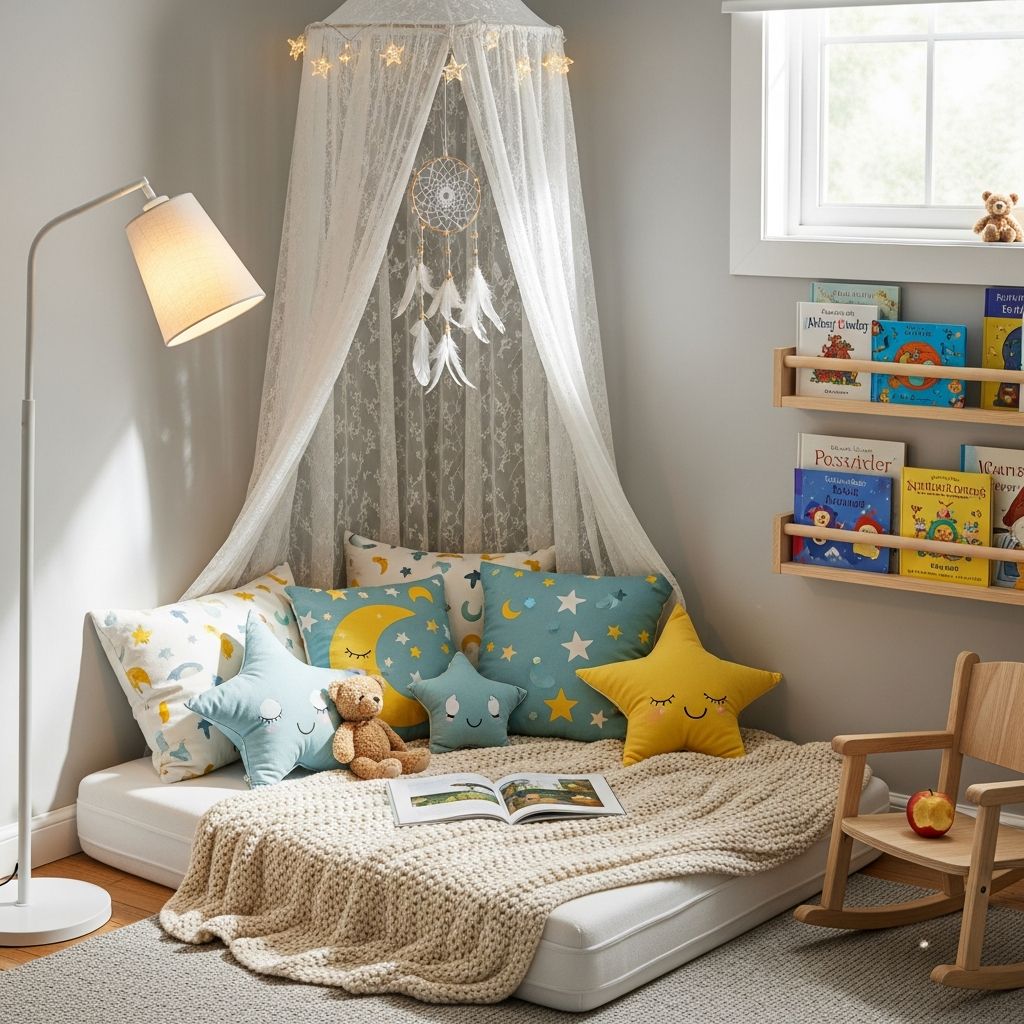
When a child outgrows the crib, that slim little mattress often becomes clutter in a closet or ends up in a landfill. With a bit of creativity, the same mattress can become the heart of a warm, inviting reading corner that encourages calm, connection, and a love of stories.
Why a Reading Nook Matters for Kids
A dedicated reading spot can turn books from a “should do” into a daily treat. Children are far more likely to curl up with a story when they have a space that feels comfortable, special, and designed just for them.
By reusing a crib mattress, you create a soft, low-to-the-ground lounge area that feels safe and familiar to your child, while also modeling sustainable habits and thoughtful use of household items.
Planning Your New Book Corner
Before you begin, think about where the reading nook will live in your home. You do not need a huge playroom; a single corner in a bedroom, hallway, or living room can work beautifully if arranged with intention.
- Look for quiet: Choose a spot away from the TV and main traffic paths so children can focus.
- Consider light: Natural light during the day and a soft lamp for evenings make reading easier on young eyes.
- Check outlets and cords: If a lamp is nearby, plan how to secure cords out of reach or along walls.
Safety Checks for the Old Crib Mattress
Even though you are no longer using the mattress for sleep, a few quick checks are important to keep the reading nook comfortable and safe. This is also a good moment to decide whether the mattress is still worth reusing.
- Inspect the cover: Avoid mattresses with cracked vinyl, mold spots, or strong odors that do not dissipate after airing out.
- Check firmness: The mattress should be supportive enough that a child does not sink deeply or feel springs poking through.
- Clean thoroughly: Wipe non-fabric surfaces, wash removable covers on a hot cycle, and allow everything to dry completely.
Choosing the Best Spot at Home
The location you select will shape how often children naturally use the reading nook. Aim for a place that is easy to reach, feels cozy, and allows adults to supervise without hovering.
| Location | Pros | Things to Consider |
|---|---|---|
| Child’s bedroom | Quiet, private, easy to pair with bedtime reading. | Balance privacy with supervision for younger children. |
| Living room corner | Visible, encourages reading during regular family time. | May be noisier; you might need baskets or bins to keep books tidy. |
| Hallway or landing | Makes use of underused space, feels like a hidden retreat. | Ensure there is enough light and that pathways remain clear. |
| Playroom or shared space | Easy integration with toys and creative activities. | Consider a visual boundary so it still feels like a calm zone. |
Simple Steps to Build the Base
You do not need advanced carpentry skills to turn a crib mattress into seating. The simplest approach is to place it directly on the floor and dress it up thoughtfully so it looks intentional rather than temporary.
- Start with a clean floor: Vacuum or mop the area and consider a thin rug underneath to add warmth and protect cold flooring.
- Add the mattress: Lay it lengthwise along the wall so children can lean back, or sideways if you want more seating width.
- Cover with a fabric layer: Use a fitted crib sheet, a washable mattress protector, or a custom fabric cover that matches your decor.
- Anchor the edges: If the mattress tends to slide, place a non-slip rug pad or grippy shelf liner underneath.
Dressing the Nook: Textiles and Texture
Textiles are what transform an old crib mattress from “extra bedding on the floor” into a spot that feels like a tiny lounge. Aim for materials that are soft, washable, and sturdy enough to handle daily use.
- Pillows: Mix a couple of large, firm pillows for back support with a few smaller, playful cushions.
- Blankets: Add one light throw blanket that can double as a cape, tent roof, or lap blanket on chilly days.
- Color palette: Choose two to three main colors and repeat them in the pillows and storage to keep the corner looking cohesive.
Lighting That Invites Storytime
Soft, focused lighting tells a child’s brain that this is a place to slow down. Bright overhead bulbs can feel harsh, while a gentle lamp or string lights turn the same spot into a welcoming retreat.
- Clip-on reading light: Attach a light to a nearby shelf or headboard substitute so kids can see pages clearly.
- Floor or table lamp: Place it behind the mattress, not in front of faces, to reduce glare.
- Fairy lights: Battery-operated string lights around the nook can add a sense of magic if secured out of reach.
Smart Book Storage Right Beside the Mattress
Books need to be close at hand if you want children to use the nook independently. When covers face outwards, kids can choose by picture rather than trying to read tiny spines.
- Low wall shelves: Shallow ledges allow picture books to lean forward so covers are fully visible.
- Baskets and bins: Sturdy baskets on the floor beside the mattress make cleanup fast and easy.
- Rotation system: Keep only a small selection in the nook and store the rest elsewhere. Swap books every few weeks to keep interest high.
Design Themes Kids Love
Choosing a light theme can make the nook feel more like a tiny world than just a corner of a room. The theme does not have to match the entire house; it only has to make your child smile.
- Nature corner: Use leaf-print pillows, a soft green sheet on the mattress, and a few animal or tree wall decals.
- Galaxy hideaway: Deep blue or purple textiles, glow stars on the ceiling, and space-themed storybooks create a mini universe.
- Color splash: Choose one bold color and repeat it in pillows, bookends, and a picture frame, keeping the rest neutral.
Adding Personal Touches and Kid Art
When children see their own creations and photos around the reading nook, they feel a sense of ownership. This can turn the nook into a place they are proud to show visitors and eager to use.
- Framed drawings: Let your child decorate a page with their favorite story characters and frame it above the mattress.
- Name banner: Hang a simple banner or wooden letters with your child’s name to mark it as their special corner.
- Reading chart: Post a small chart nearby where kids can add stickers each time they spend a quiet moment with a book.
Keeping the Nook Safe and Tidy
A well-loved reading corner can quickly turn into a pile of books and pillows without a simple system. Safety and tidiness go hand in hand when the area remains easy to move through and simple to reset.
- Limit loose items: Keep only a few pillows and one blanket in the nook; store extras nearby for swap-ins.
- Secure furniture: If you install shelves above the mattress, anchor them firmly to the wall to prevent tipping.
- Set clear boundaries: Teach children from the start that this area is for quiet play, not jumping or roughhousing.
Turning Reading Time into a Daily Ritual
The physical nook is only half of the equation; the habit you build with it matters just as much. A consistent, gentle rhythm of visits will help children associate the corner with relaxation and attention from caregivers.
- Anchor it to routines: Visit the nook after school, before naps, or as part of the bedtime routine.
- Offer choice: Let your child pick which books to bring into the nook each day to build autonomy.
- Be present: Even ten focused minutes of shared reading can make the space feel like a place of connection.
Maintenance and Refresh Ideas Over Time
As your child grows, the reading nook can evolve rather than disappear. The same crib mattress can serve toddlers, early readers, and even older kids who want a soft spot to lounge with chapter books.
- Seasonal fabrics: Swap pillow covers or the mattress sheet with the seasons to keep the corner feeling new.
- Age-appropriate books: Gradually introduce more complex stories while keeping a few comforting favorites.
- Expand the area: Add a small side table, a larger lamp, or a second basket of books as your child’s collection grows.
Frequently Asked Questions
Is it safe to use an old crib mattress on the floor?
Using the mattress on the floor for supervised lounging is generally considered less demanding than using it for overnight sleep, but you should still check for mold, broken springs, and structural damage. If there are any signs of serious wear, it is better to recycle or discard the mattress and choose a new cushion instead.
How do I keep the reading nook clean?
Use washable covers on pillows and the mattress, and choose baskets that can be quickly emptied for vacuuming underneath. A monthly mini-reset, where you remove everything, wipe surfaces, and rotate books, will keep the space fresh and inviting.
What if I do not have much floor space?
If floor space is tight, place the mattress along a short wall or under a window, and use vertical storage above it for books. You can also stand the mattress on its long edge and slide it behind furniture when you need the space for other activities.
Can more than one child share the nook?
A standard crib mattress is narrow, but two small children can usually sit shoulder to shoulder with a few slim pillows. If you have several kids, consider adding a second cushion or a small rug beside the mattress so everyone has a comfortable spot.
How do I encourage a reluctant reader to use the nook?
Start by using the space for wordless picture books, comics, or even looking through photo albums together so it feels low-pressure. Over time, mix in short stories, joke books, or nonfiction on topics your child already loves, and focus more on enjoyment than on reading level.
Final Thoughts on Upcycling with Purpose
Transforming a crib mattress into a reading nook is more than a clever way to reuse baby gear; it is a statement that books and quiet moments deserve dedicated space. With simple materials and thoughtful design, you can create a corner that grows with your child and turns everyday reading into a cherished ritual.
Whether you tuck the nook into a tiny bedroom corner or give it prime space in the living room, the message remains the same: stories matter here, and there is always a cozy place to open one more book.