Diaper rash, a common irritation affecting many infants, manifests as red, inflamed skin in the diaper region and often resolves with consistent home care. This condition, known medically as diaper dermatitis, impacts the buttocks, thighs, and genitals due to factors like moisture and irritants.
Recognizing the Signs of Diaper Rash
Early identification helps in prompt management. Typical symptoms include bright red patches, bumps, or peeling skin in the diaper area. Mild cases show general redness, while severe ones may involve shiny, inflamed spots extending into skin folds. Babies might fuss during changes or appear uncomfortable while seated.
- Redness or pink patches on buttocks and thighs
- Bumps, pimples, or small blisters
- Peeling or dry, cracked skin
- Shiny appearance in folds, indicating possible yeast involvement
Distinguishing rash types is crucial: irritant rashes from moisture stay superficial, whereas infections show edge sharpness or crusting.
Primary Causes Behind Diaper Area Irritation
Multiple factors contribute to diaper rash development. Prolonged contact with urine or stool breaks down the skin barrier, leading to inflammation. Tight diapers cause chafing, exacerbating the issue.
| Cause | Description | Risk Factors |
|---|---|---|
| Moisture Exposure | Wet diapers trap humidity, fostering bacterial growth | Frequent stools, diarrhea |
| Irritants | Fragranced wipes, soaps, or diaper materials | Sensitive skin types |
| Infections | Yeast (Candida) or bacteria overgrowth | Antibiotic use, warm environments |
| Diet Changes | New foods alter stool acidity | Transition to solids or formula |
Sensitive skin conditions like atopic dermatitis heighten susceptibility. Antibiotics disrupt natural flora, promoting yeast proliferation.
Everyday Prevention Methods for Healthy Skin
Preventing diaper rash focuses on hygiene and barrier protection. Frequent diaper changes minimize moisture exposure, a key trigger. Pat the area dry gently instead of rubbing to avoid further irritation.
- Change diapers every 2-3 hours or immediately after soiling
- Use fragrance-free, hypoallergenic wipes or plain water
- Allow diaper-free time for air exposure daily
- Select breathable diapers to reduce trapping heat
Gentle cleansing with lukewarm water and mild soap preserves natural oils. Avoid powders, as they can clump and irritate.
Proven Home Remedies to Soothe Irritation
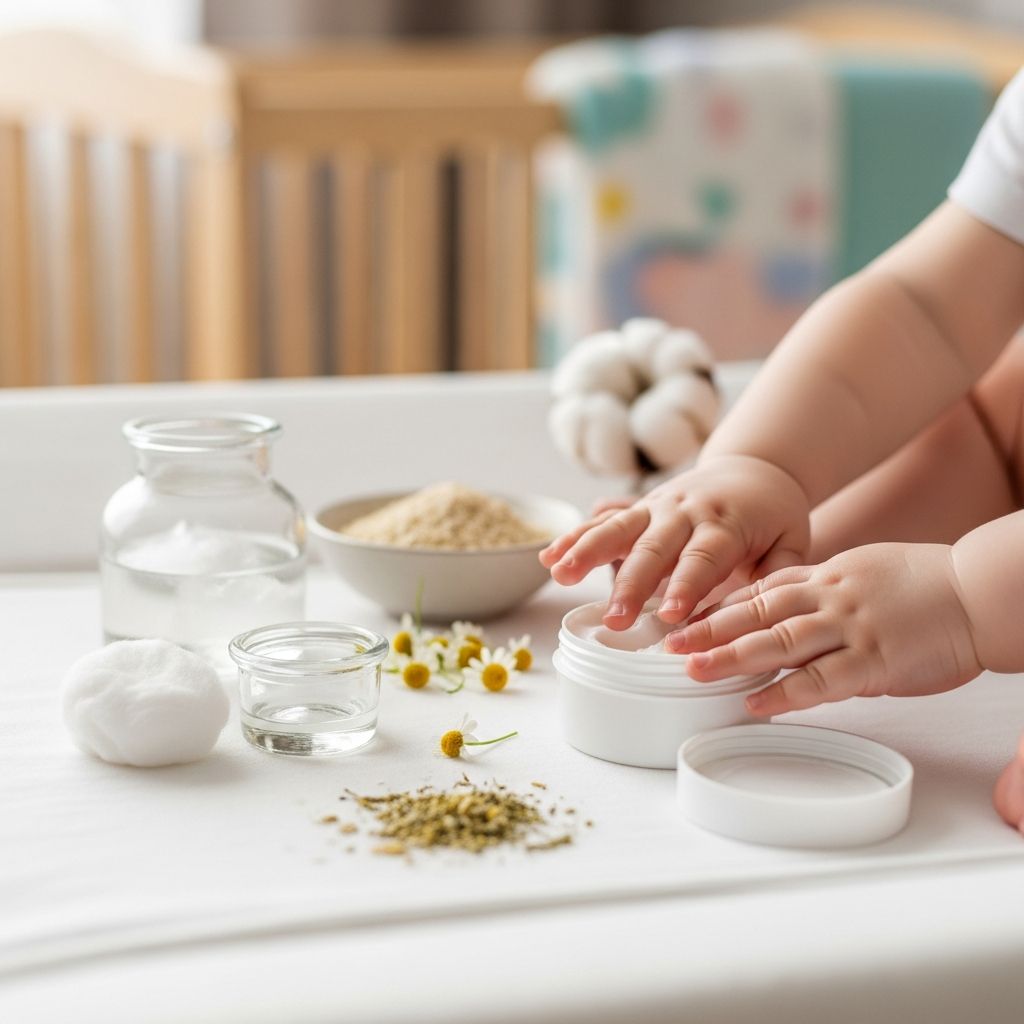
Several accessible remedies accelerate healing when applied consistently. Barrier creams with zinc oxide create a protective layer against irritants.
- Zinc Oxide Ointments: Apply thickly at each change to shield skin; effective for mild cases within days.
- Air Drying: Let the area breathe for 10-15 minutes several times daily to promote healing.
- Coconut Oil: Natural antifungal properties help mild yeast issues; use sparingly.
- Aloe Vera: Pure gel cools and reduces inflammation; test for sensitivity first.
- Oatmeal Baths: Colloidal oatmeal soothes via lukewarm soaks, easing redness.
For cloth diapers, thorough washing with fragrance-free detergent prevents residue buildup. Consistency in these steps yields results in 3-4 days for most cases.
Spotting and Managing Infection-Related Rashes
Not all rashes stem from irritation; infections require specific approaches. Yeast rashes appear bright red, spreading to folds and resisting standard creams. Bacterial signs include yellow crusts or pus.
Over-the-counter antifungals like clotrimazole treat yeast effectively when applied twice daily for 7-10 days. Monitor for worsening: if no improvement in 2-3 days, consult a provider.
- Shiny rash in creases: Likely yeast
- Weeping or crusted areas: Possible bacterial
- Fever or spreading: Seek immediate care
Long-Term Skin Care Routines for Babies
Beyond acute treatment, routines build resilience. Incorporate daily moisturizing with emollients post-bath to strengthen the skin barrier. Track diet introductions to anticipate stool changes.
For recurrent cases, consider diaper brands with superior absorbency. Pediatric guidelines emphasize hygiene as foundational.
Professional Guidance: When Home Care Isn’t Enough
Most rashes resolve at home, but persistent or severe symptoms warrant medical input. Indicators include rash lasting over a week, blisters, or skin breaks. Providers may prescribe stronger antifungals or steroids.
Complications like hypopigmentation in darker skin tones can occur but often fade. Early intervention prevents escalation.
Frequently Asked Questions
Can diaper rash affect all babies equally?
Yes, though those with sensitive skin or frequent diarrhea face higher risks. Proper care mitigates it for most.
How long does treatment take?
Mild rashes improve in 3-4 days with diligent care; infections may need a week.
Are cloth diapers riskier?
No, both cloth and disposable pose equal risk if not managed well; hygiene is key.
Does powder help?
Avoid talc powders; they cake in moisture. Opt for barriers instead.
Is yeast rash common after antibiotics?
Yes, antibiotics promote yeast by altering flora balance.
Building a Rash-Free Diaper Routine
Integrate prevention into daily life: set change reminders, stock gentle products, and observe skin responses. Educating caregivers ensures consistency. With these strategies, diaper rash becomes manageable, letting babies thrive comfortably.
Expand on routines with a sample daily schedule:
| Time | Action |
|---|---|
| Morning | Gentle cleanse, barrier cream, diaper-free play |
| Every 2-3 hrs | Change, pat dry, reapply protection |
| Bath time | Lukewarm water, oatmeal if needed, moisturize |
| Bedtime | Thick ointment layer for overnight protection |
This structured approach, drawn from clinical recommendations, minimizes recurrence.
References
- Diaper Rash: Causes, Treatments, and Prevention Tips — Northwest Family Clinics. 2023. https://www.northwestfamilyclinics.com/blog/diaper-rash-causes-treatment-prevention
- Baby Diaper Rash: Signs, Symptoms, Causes, And Treatments — Mustela USA. 2023. https://www.mustelausa.com/blogs/mustela-mag/baby-diaper-rash-signs-symptoms-causes-and-treatments
- Diaper rash – Symptoms & causes — Mayo Clinic. 2023-10-25. https://www.mayoclinic.org/diseases-conditions/diaper-rash/symptoms-causes/syc-20371636
- Common Diaper Rashes & Treatments — American Academy of Pediatrics (HealthyChildren.org). 2023. https://www.healthychildren.org/English/ages-stages/baby/diapers-clothing/Pages/Diaper-Rash.aspx
- Diaper Dermatitis — NCBI Bookshelf (StatPearls). 2023-07-17. https://www.ncbi.nlm.nih.gov/books/NBK559067/
- How to Treat Diaper Rash in 3 Easy Steps — Desitin. 2023. https://www.desitin.com/treating-diaper-rash/how-to-treat-diaper-rash-in-3-easy-steps
- Diaper Rash (Diaper Dermatitis) — Cleveland Clinic. 2023-08-23. https://my.clevelandclinic.org/health/diseases/11037-diaper-rash-diaper-dermatitis