Diaper blowouts represent one of the most chaotic yet inevitable aspects of early parenthood, where a baby’s stool escapes the confines of the diaper, often coating clothes, skin, and surfaces in an explosive manner. These incidents peak during the newborn phase due to frequent, loose stools but can persist into toddlerhood under certain conditions. Understanding the mechanics behind them empowers parents to minimize occurrences and handle them efficiently when they arise.
Understanding What Triggers Diaper Explosions
Blowouts stem from a combination of physiological, mechanical, and environmental factors. Newborns, particularly those who are breastfed, produce highly liquid stools multiple times daily—often 8 to 12 instances—which overwhelm standard diaper capacities if not addressed promptly. As infants transition to formula or solids, stool consistency firms up, reducing explosion risks, though growth spurts or dietary shifts can reignite issues.
Mechanical failures dominate: an ill-sized diaper, whether too snug or excessively loose, creates escape routes. Too-small options lack absorption space, forcing contents upward or sideways, while oversized ones form gaps at legs or waist. Incorrect fastening exacerbates this; misaligned leg cuffs or back elastic fail to seal properly, directing leaks outward during active movements like kicking or sleeping.
- Key Triggers:
- Liquid-heavy stools from breastfeeding or digestion immaturity.
- Diaper saturation after prolonged wear, especially overnight.
- Poor fit around thighs, waist, or back, amplified by baby positioning (e.g., on back during sleep).
- Sudden bowel surges post-feeding, when peristalsis accelerates.
Nighttime blowouts add frustration, often linked to longer intervals between changes and increased urine volume during growth phases. For boys, upward-pointing anatomy can contribute to front leaks, though back/upward escapes are more explosive.
Swift and Effective Cleanup Strategies
When a blowout strikes, prioritize containment and hygiene to avert skin irritation or spread. Act rapidly: isolate soiled garments in a sealed bag to prevent odor diffusion, then undress the baby methodically from the top down to avoid dragging mess downward.
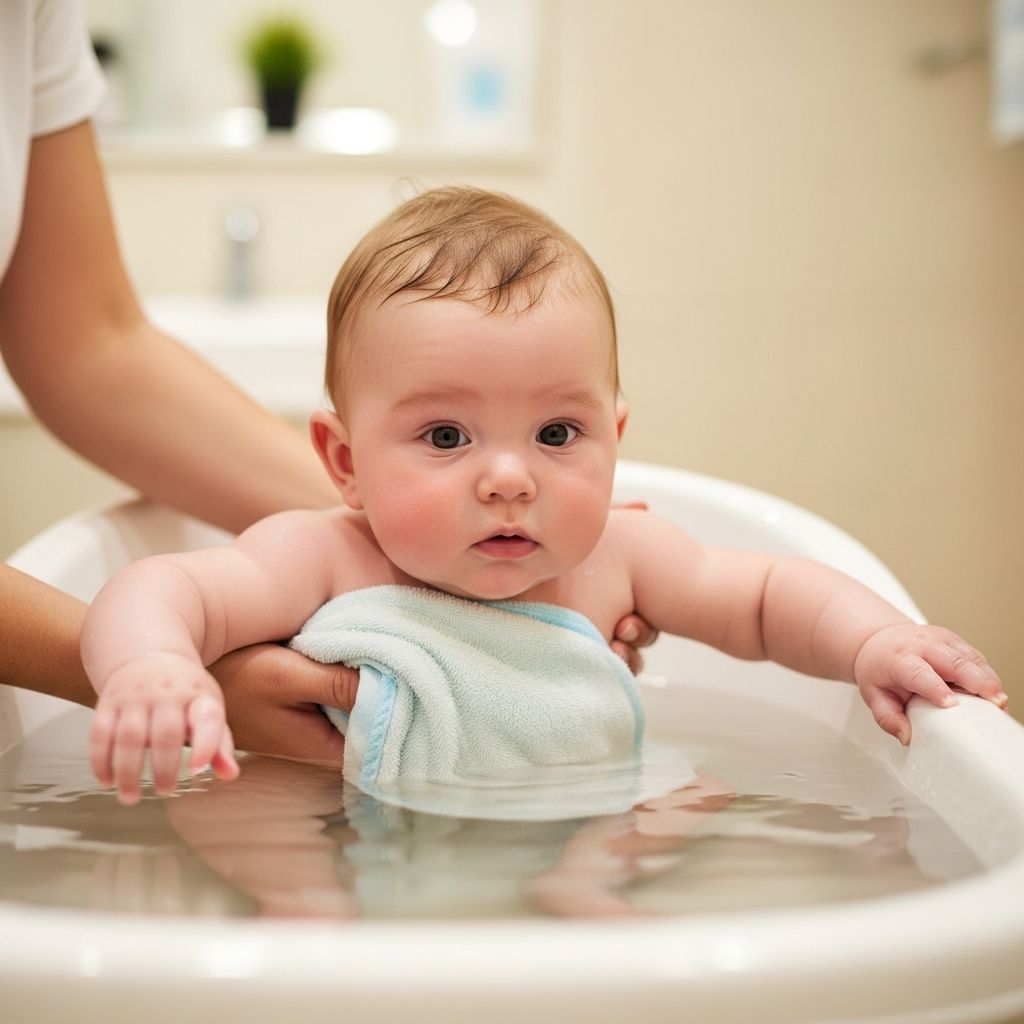
A full warm bath trumps wipes for thorough decontamination, using mild soap to cleanse from neck to toes, focusing on creases where residue hides. Pat dry gently to sidestep rashes, applying barrier cream if redness appears. For minor incidents, reusable warm washcloths outperform cold wipes for comfort and efficacy.
| Scenario | Cleanup Steps | Tools Needed |
|---|---|---|
| Mild (contained) | Wipe systematically; change diaper; spot-clean clothes. | Wipes/washcloth, fresh diaper, stain remover. |
| Severe (clothing/surface hit) | Bath baby; disinfect area; pre-treat laundry. | Soap, towel, disinfectant, soaking bucket. |
| Nighttime | Quick wipe; use disposable pad; minimal lights. | Waterproof mat, quiet wipes, spare sleep sack. |
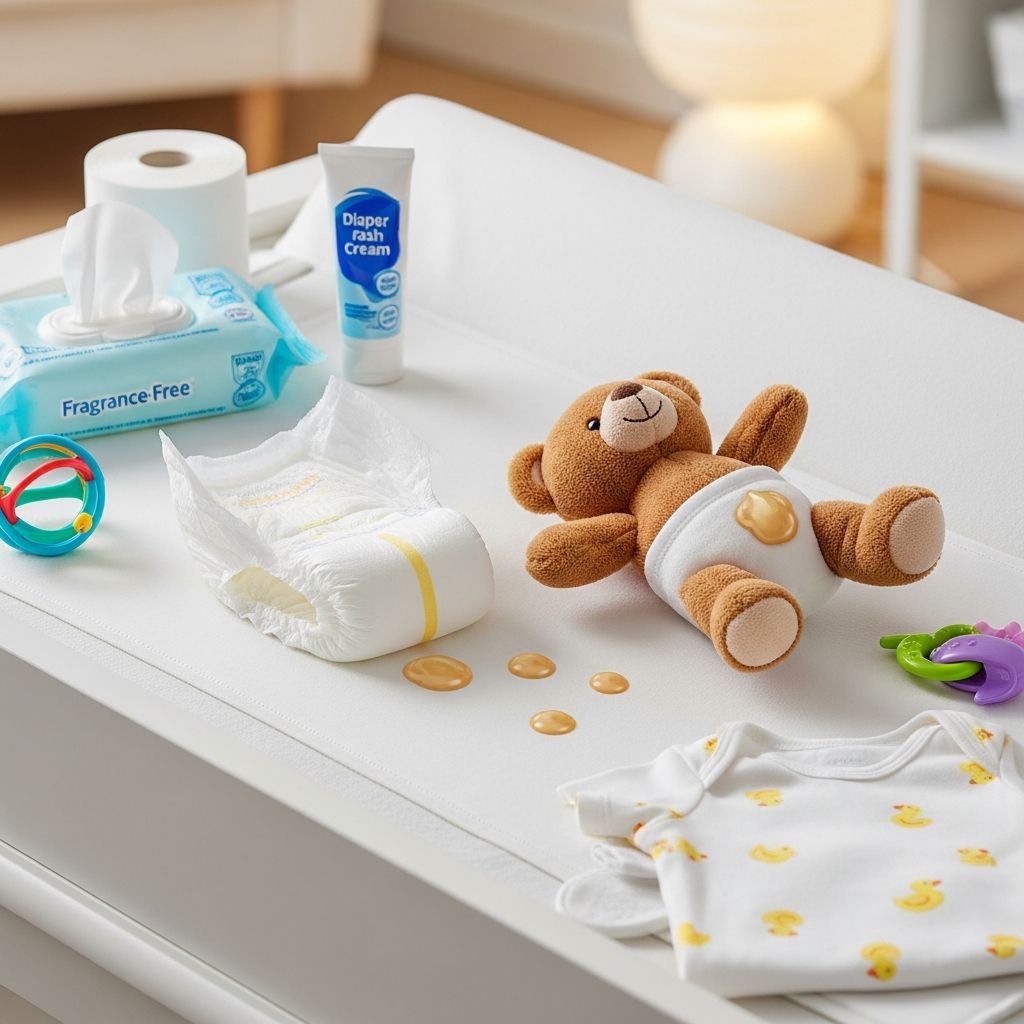
Protect change stations with disposable pads or old towels. Post-cleanup, disinfect hard surfaces with baby-safe solutions. For laundry, pre-soak in enzyme-based removers for 15-30 minutes before a hot wash. Hacks like placing a cool wipe on the belly mid-change can deter further output.
Proven Prevention Tactics for Fewer Messes
Proactive measures slash blowout frequency by 70-80% when consistently applied, per parental anecdotes aggregated across resources. Foremost: select the precise diaper size by weight, erring toward larger if borderline or during rapid growth.
Master the fitting ritual: position the back higher than the front (navel-level), tuck leg cuffs outward (not inward), and secure tapes snugly without pinching—test by slipping two fingers beneath waistband. Frequent changes every 2-3 hours, or immediately post-soiling/feed, maintain absorbency headroom.
- Fit Optimization:
- Align back panel above tailbone.
- Pull front to belly button; avoid low-riding.
- Ensure thighs seal without red marks.
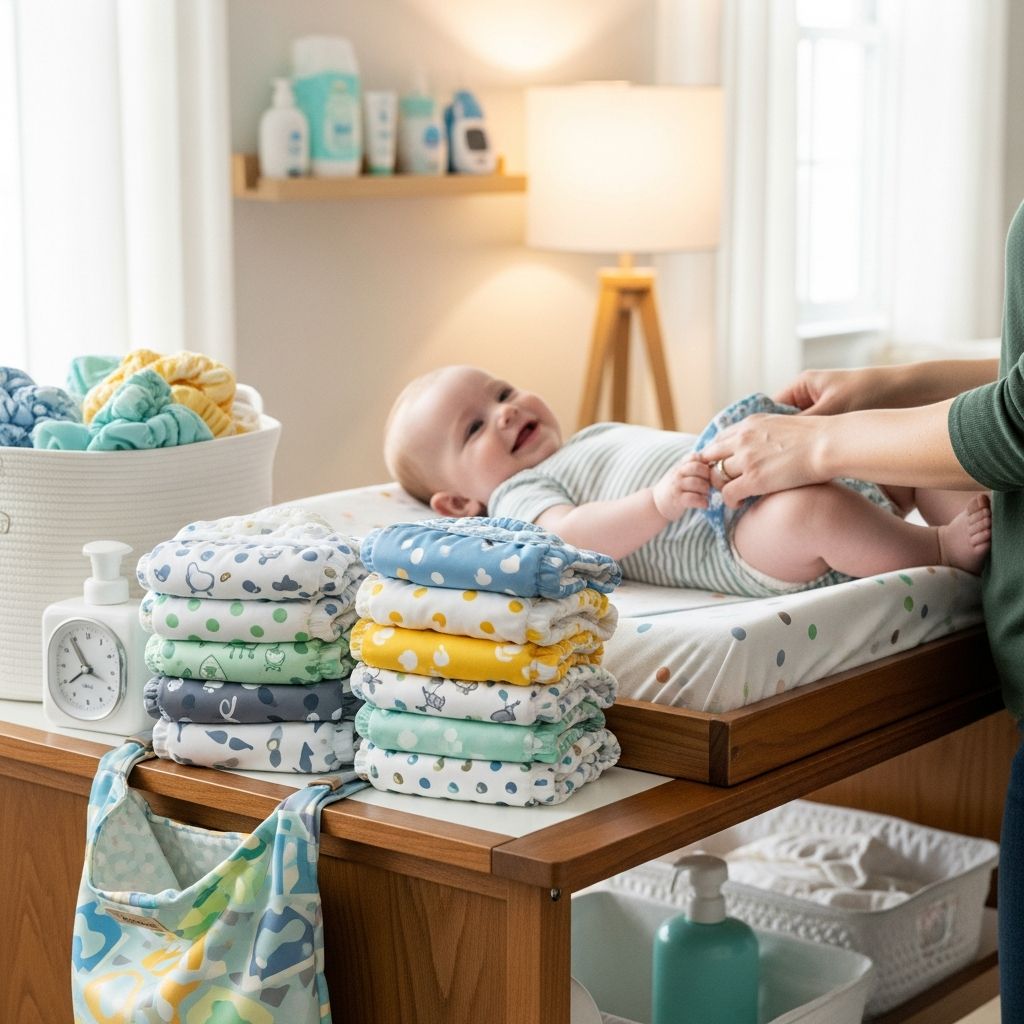
Enhance with accessories: blowout-proof diapers feature extended back guards; over disposable covers or cloth shells add leak barriers, ideal for sleep or outings. Overnight, opt for higher-absorbency sizes and limit evening fluids for toddlers. Dietary awareness helps—track if new foods correlate with softer stools.
Baby positioning matters: always back-sleep for safety, but choose diapers engineered for this (e.g., angled absorbents). Brand trials reveal variances; some excel in containment.
When Blowouts Signal Health Concerns
Occasional explosions are normal, but patterns warrant pediatric consultation. Persistent diarrhea beyond days, dehydration signs (fewer wet diapers, dry mouth), or sleep-disrupting discomfort may indicate infections, allergies, or intolerances. Rashes from chronic wetness signal irritation needing medical input.
Consult if: blowouts coincide with solid introductions and tummy woes; output suddenly surges; or hydration/nutrition worries arise. Growth spurts amplify temporarily, but monitor.
Product Comparison for Blowout Resistance
| Diaper Type | Absorbency Level | Blowout Features | Best For |
|---|---|---|---|
| Standard Disposable | Medium | Basic cuffs | Daytime, frequent changes |
| Overnight/High-Absorb | High | Back barriers, double gussets | Night sleep, heavy wetters |
| Cloth with Covers | Variable | Custom fit, waterproof shells | Eco-conscious, adjustables |
| Blowout-Specific | High | Extended backs, mega-absorb | Newborns, active babies |
Frequently Asked Questions (FAQs)
Why do diaper blowouts happen more at night?
Nighttime sees longer wear times, fuller bladders from growth, and supine positioning, allowing gravity-assisted back leaks. Use overnight sizes and barriers.
How often should I change diapers to avoid blowouts?
Every 2-3 hours, or sooner if soiled/heavy, especially post-feeds when bowels activate.
Can diet affect blowout frequency?
Yes, breast milk yields runnier stools; solids firm them. Track correlations.
Are cloth diapers prone to more blowouts?
Not if fitted well with covers; they allow customization but demand vigilant checks.
What if blowouts cause rashes?
Clean promptly, air-dry, apply zinc cream. Seek doctor if persistent.
Best hack for boys to prevent front leaks?
Point penis downward before fastening.
Long-Term Strategies for Blowout-Free Parenting
As babies mature, blowouts wane with firmer stools and potty training horizons. Until then, build routines: pre-change cool wipe trick, travel kits with extras, and partner rotations for sanity. Community wisdom stresses patience—these phases pass, leaving battle stories for posterity.
Empower yourself with logs noting blowout timing, size, and triggers to refine tactics iteratively. Pair with safe sleep adherence, ensuring back placement despite back-leak risks. Ultimately, resilient gear and habits transform chaos into manageable routine.
References
- How To Prevent Diaper Blowouts: Tips For Parents — Coterie. 2023. https://www.coterie.com/blog/how-to-prevent-diaper-blowouts-tips-for-parents
- Diaper Blowout: Causes & Preventing Baby Blow Out Diapers — Eco Peaco. 2023. https://ecopeaco.ca/blogs/pod/diaper-blowout
- Your Diaper Blowout Survival Guide — Happiest Baby. 2023. https://www.happiestbaby.com/blogs/baby/diaper-blowouts
- How to Prevent Baby Diaper Blowouts — Rascals Baby. 2023. https://www.rascalsbaby.com/blog/how-to-prevent-baby-diaper-blowouts
- How to Prevent a Nighttime Diaper Blowout — Smart Sleep Coach. 2023. https://www.smartsleepcoach.com/blog/baby-care/preventing-nighttime-diaper-blowout
- Causes, Prevention & How to Handle Nappy Blowouts — Happiest Baby EU. 2023. https://www.happiestbaby.eu/blogs/baby/diaper-blowouts
- Diaper changing hacks to save you time and from a blowout — Children’s Mercy. 2022-02-01. https://www.childrensmercy.org/parent-ish/2022/02/diaper-blowouts/