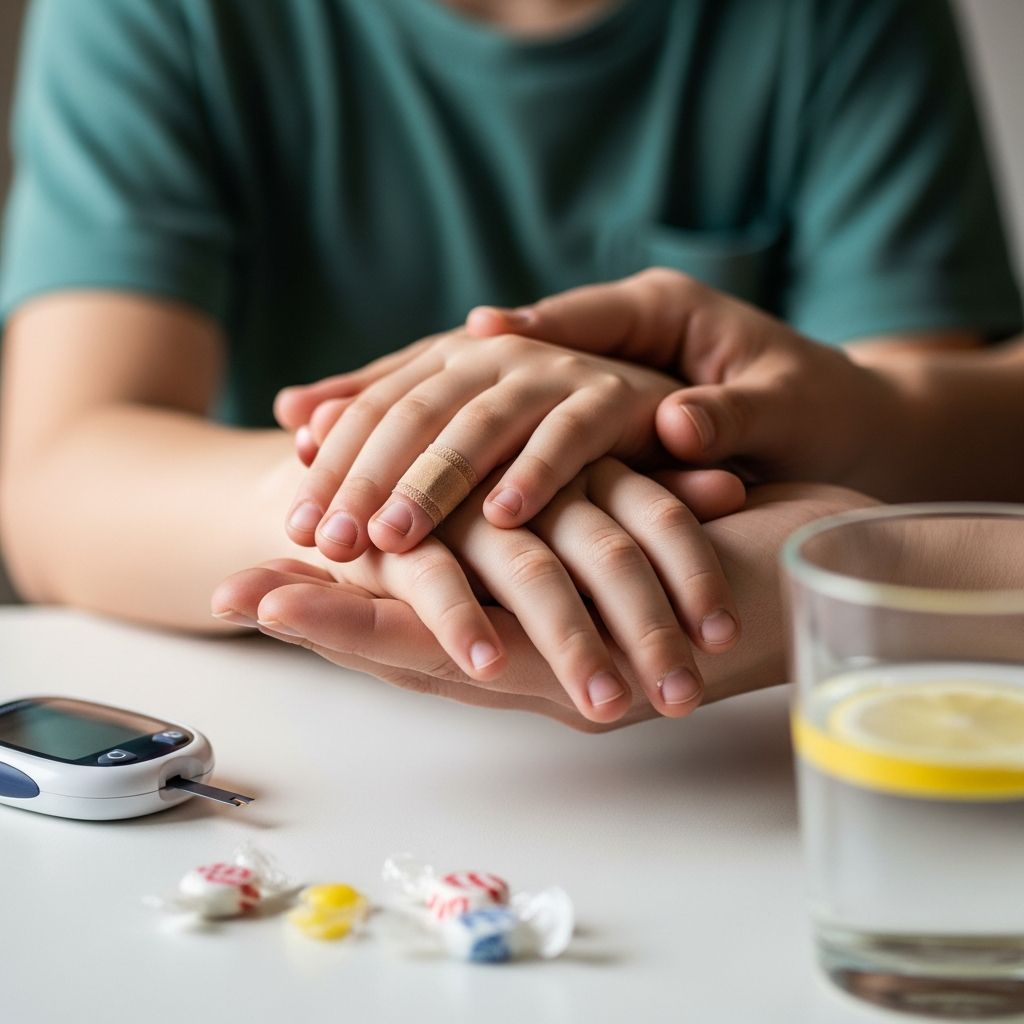
Diabetes in children is a serious condition that requires early recognition to prevent complications. Both type 1 and type 2 diabetes can affect kids, with type 1 being more common and onset often rapid, while type 2 develops gradually. Parents play a crucial role in observing changes in their child’s behavior, appetite, and physical health.
Core Indicators of Diabetes in Young Ones
The body struggles to manage blood sugar when diabetes is present, leading to distinct symptoms. These signs often appear suddenly in type 1 cases or subtly over time in type 2.
- Increased Thirst (Polydipsia): Children may drink excessively, unable to satisfy their thirst, as the body tries to flush out excess glucose through urine.
- Frequent Urination (Polyuria): This includes bedwetting in potty-trained kids or heavier diapers in infants, happening day and night.
- Extreme Fatigue: Kids seem unusually tired, with low energy for play or school activities, due to cells not getting glucose for fuel.
- Unexplained Weight Loss: Despite eating more, the body breaks down fat and muscle for energy, causing thinning.
These primary symptoms, often called the 4 Ts (Thirsty, Toilet, Tired, Thinner), demand immediate attention.
Additional Behavioral and Physical Clues
Beyond basics, other changes signal potential issues. Hunger persists even after meals because insulin deficiency prevents glucose use. Irritability or mood swings arise from blood sugar fluctuations.
- Persistent hunger leading to overeating without satisfaction.
- Blurred vision from high sugar affecting the eyes.
- Frequent infections, like yeast in girls or rashes in babies.
- Dark skin patches (acanthosis nigricans) in neck or armpits, linked to type 2 insulin resistance.
A fruity breath odor indicates ketones from fat breakdown, a sign of diabetic ketoacidosis (DKA), needing urgent care.
Type 1 vs. Type 2: Key Differences in Kids
Type 1 diabetes, autoimmune-driven, hits fast, mostly in younger children. Type 2, tied to lifestyle and genetics, grows slowly, often in teens with obesity risks.
| Symptom/Feature | Type 1 Diabetes | Type 2 Diabetes |
|---|---|---|
| Onset Speed | Rapid (days/weeks) | Slow (weeks/months) |
| Common Age | Younger kids | Teens |
| Weight Loss | Frequent | Less common |
| Skin Changes | Rare | Common (dark patches) |
| Initial Treatment | Insulin required | Diet/exercise, possible meds |
This comparison highlights why vigilance varies by diabetes type.
Emergency Symptoms Requiring Immediate Action
Untreated diabetes can lead to DKA, with nausea, vomiting, belly pain, rapid breathing, and confusion. Dehydration persists despite urination, mimicking flu but with thirst. Seek emergency help if these appear alongside early signs.
Risk Factors Making Kids Vulnerable
Family history boosts odds for both types. For type 2, obesity, inactivity, poor diet, and ethnicity (e.g., Hispanic, African American) increase risk. Type 1 links to genetics and possible triggers like viruses. Regular check-ups catch issues early.
Diagnostic Process for Suspected Cases
Doctors use blood tests: fasting glucose over 126 mg/dL, random over 200 mg/dL with symptoms, or A1C at 6.5% or higher confirm diabetes. Urine tests detect glucose/ketones. For type 1, autoantibody checks help differentiate. Prompt testing prevents crises.
Everyday Management After Diagnosis
Type 1 kids need lifelong insulin via shots or pumps, carb counting, blood sugar checks, balanced meals, and exercise. Type 2 starts with lifestyle changes, possibly metformin; insulin later if needed. Teams include endocrinologists, dietitians, educators.
- Monitor blood glucose multiple times daily.
- Match insulin to carbs and activity.
- Prevent lows (hypoglycemia) with snacks.
- Annual eye/kidney checks for complications.
Long-Term Health Impacts and Prevention
Well-managed diabetes allows normal lives, but poor control risks heart disease, kidney failure, nerve damage, vision loss. Education empowers families. For type 2 prevention: healthy weight, active play, nutritious foods reduce risks.
Frequently Asked Questions
Can diabetes symptoms be mistaken for other illnesses?
Yes, thirst and fatigue mimic flu or growth spurts, but persistence with urination/weight loss points to diabetes. Consult a doctor for blood tests.
How quickly does type 1 diabetes progress in children?
Symptoms emerge in days to weeks; delays risk DKA. Act fast on 4 Ts.
Is type 2 diabetes common in young kids?
More in overweight teens, but rising in younger ones due to obesity trends.
What if my child has fruity breath?
This signals ketones/DKA; head to ER immediately.
Can diet alone manage pediatric diabetes?
Not for type 1 (insulin essential); type 2 may start with diet/exercise.
Empowering Parents: Next Steps
Track symptoms in a journal: frequency of thirst, bathroom trips, energy levels. Share with pediatricians. Early intervention transforms outcomes, letting kids thrive.
References
- Symptoms of diabetes in children — Diabetes UK. 2023. https://www.diabetes.org.uk/living-with-diabetes/life-with-diabetes/children-and-diabetes/symptoms
- Type 2 diabetes in children – Symptoms and causes — Mayo Clinic. 2024-10-20. https://www.mayoclinic.org/diseases-conditions/type-2-diabetes-in-children/symptoms-causes/syc-20355318
- 9 Signs of Diabetes in Children — DOCS Medical Group. 2023. https://docsmedicalgroup.com/docsurgentcare/9-signs-of-diabetes-in-children-insights-from-primary-care-doctor-in-bridgeport-ct/
- Childhood Diabetes Symptoms and Management — St. Hope Pediatrics. 2024. https://www.offeringhope4kids.org/blog/childhood-diabetes-symptoms-and-management
- Signs of Diabetes in Children — Kaiser Permanente. 2023. https://mydoctor.kaiserpermanente.org/mas/news/signs-of-diabetes-in-children-2431182
- Type 1 Diabetes: Causes, Symptoms, Diagnosis & Treatment — American Academy of Pediatrics. 2024. https://www.healthychildren.org/English/health-issues/conditions/chronic/Pages/Diabetes-Mellitus-Type-1-Diabetes.aspx
- Spotting the Signs of Pediatric Type 1 Diabetes — Children’s Healthcare of Atlanta. 2024. https://www.choa.org/parent-resources/diabetes/signs-of-type-1-diabetes