Depressant drugs slow down activity in the brain and body, and while they have important medical uses, they can also be dangerous when misused, especially for children and teenagers.
What Are Depressant Drugs?
Depressant drugs, sometimes called “downers” or central nervous system (CNS) depressants, are medicines or substances that reduce brain activity. They often make people feel calmer, sleepier, or less anxious by slowing signals between the brain and the rest of the body.
Doctors may prescribe certain depressants to treat conditions such as anxiety disorders, trouble sleeping, seizures, or muscle spasms. Misuse happens when someone takes these medicines without a prescription, in higher doses than prescribed, or mixes them with other substances like alcohol.
Common Types of Depressants
- Benzodiazepines: Prescription medicines used to treat anxiety, panic attacks, and sleep problems.
- Barbiturates: Older medicines once used for sleep and anxiety, now less common because of overdose risks.
- Sleep medications (sedative-hypnotics): Drugs prescribed for short-term insomnia or trouble falling asleep.
- Alcohol: A legal drug for adults that also acts as a depressant on the brain and body.
- Other sedating medicines: Some anti-allergy or cold medications can cause drowsiness and may be misused for their calming effects.
How Depressants Affect the Brain and Body
Depressant drugs change the way brain cells communicate by strengthening the signals that slow things down. As these signals grow stronger, a person’s thoughts, reflexes, and coordination become slower, and they may feel relaxed or sleepy.
At low doses, this slowing effect may simply make someone feel less tense or more drowsy. At higher doses, however, breathing, heart rate, and blood pressure can drop to dangerous levels, which is why overdoses can be life-threatening.
| Level of Use | Possible Effects |
|---|---|
| Low / prescribed dose |
|
| Moderate misuse |
|
| High dose / overdose |
|
Medical Uses vs. Misuse
Prescribed correctly, depressant medications can be safe and effective tools for managing serious health problems. A doctor carefully chooses the dose, checks for interactions with other medicines, and monitors side effects.
Misuse occurs when someone:
- Takes a depressant without a prescription.
- Uses someone else’s medication.
- Takes larger or more frequent doses than instructed.
- Mixes depressants with alcohol, opioids, or other substances for stronger effects.
For kids and teens, misuse may start as experimentation, pressure from friends, or attempts to cope with stress, anxiety, or trouble sleeping without talking to an adult.
Short-Term Risks for Kids and Teens
Children and teenagers are more vulnerable to the short-term effects of depressant drugs because their brains and bodies are still developing. Even one episode of misuse can lead to harm, especially when combined with other substances.
Short-term risks can include:
- Extreme drowsiness and difficulty staying awake.
- Confusion, poor judgment, or impulsive decisions.
- Slowed breathing or trouble catching a full breath.
- Unsteady movement, falls, or accidents.
- Vomiting, choking, or losing consciousness.
Because depressants affect coordination and awareness, a young person may also be more likely to be injured, get into a car with an impaired driver, or be unable to protect themselves from unsafe situations.
Long-Term Consequences of Misuse
Repeated misuse of depressant drugs can lead to long-term health problems. Over time, the brain begins to adapt to having the drug present and may rely on it to feel normal, increasing the risk of dependence and addiction.
Possible long-term effects include:
- Ongoing problems with memory, concentration, and learning.
- Chronic tiredness, low motivation, and mood changes.
- Worsening anxiety or depression when not using the drug.
- Physical dependence, where the body experiences withdrawal symptoms when the drug is reduced or stopped suddenly.
For teens, these long-term effects can interfere with school performance, friendships, sports, hobbies, and future goals.
Warning Signs a Young Person May Be Misusing Depressants
Not every change in mood or behavior means a child is using drugs, but certain patterns may point to a problem. Paying attention to clusters of changes over time is more helpful than focusing on a single incident.
Behavioral and Emotional Signs
- Sudden drop in grades or missing school frequently.
- Losing interest in activities that used to matter.
- Secretive behavior, locking doors, or avoiding eye contact.
- New friend groups that parents never meet.
- Unusual irritability, mood swings, or unexplained sadness.
Physical and Health Clues
- Frequent drowsiness, appearing “out of it,” or nodding off.
- Unsteady walking, clumsiness, or slurred speech.
- Unexplained bruises, falls, or minor accidents.
- Headaches, nausea, or complaints of feeling “dizzy” without a clear cause.
- Missing pills from home medicine bottles or finding unknown tablets.
Seeing several of these signs together, especially if they appear suddenly or get worse, is a reason to ask gentle but direct questions and consider seeking professional guidance.
Safe Use of Prescribed Depressant Medicines in the Home
Many families have at least one prescription depressant medication in the home, whether for anxiety, sleep, seizures, or other conditions. Safe storage and clear rules help reduce the chances of misuse by children and teens.
Storage and Monitoring Tips
- Keep all prescription medicines in a locked or hard-to-access place, not in open bathroom cabinets or kitchen drawers.
- Count pills regularly so you know if any are missing.
- Do not describe medicines as “strong” or “relaxing” in a way that might sound appealing to curious teens.
- Never share prescription medication with anyone, even if their symptoms seem similar.
- Dispose of unused or expired medicines safely, using pharmacy take-back options or local collection programs when available.
Guidelines for Kids Taking Prescribed Depressants
- Explain in age-appropriate language why the medicine is needed and how it helps.
- Make it clear that the medicine is not for experiments, sharing, or “helping” a friend.
- Supervise doses for children and younger teens rather than letting them manage pills alone.
- Contact the prescriber if side effects appear, such as extreme sleepiness, breathing problems, or changes in mood or behavior.
Talking with Your Child About Depressant Drugs
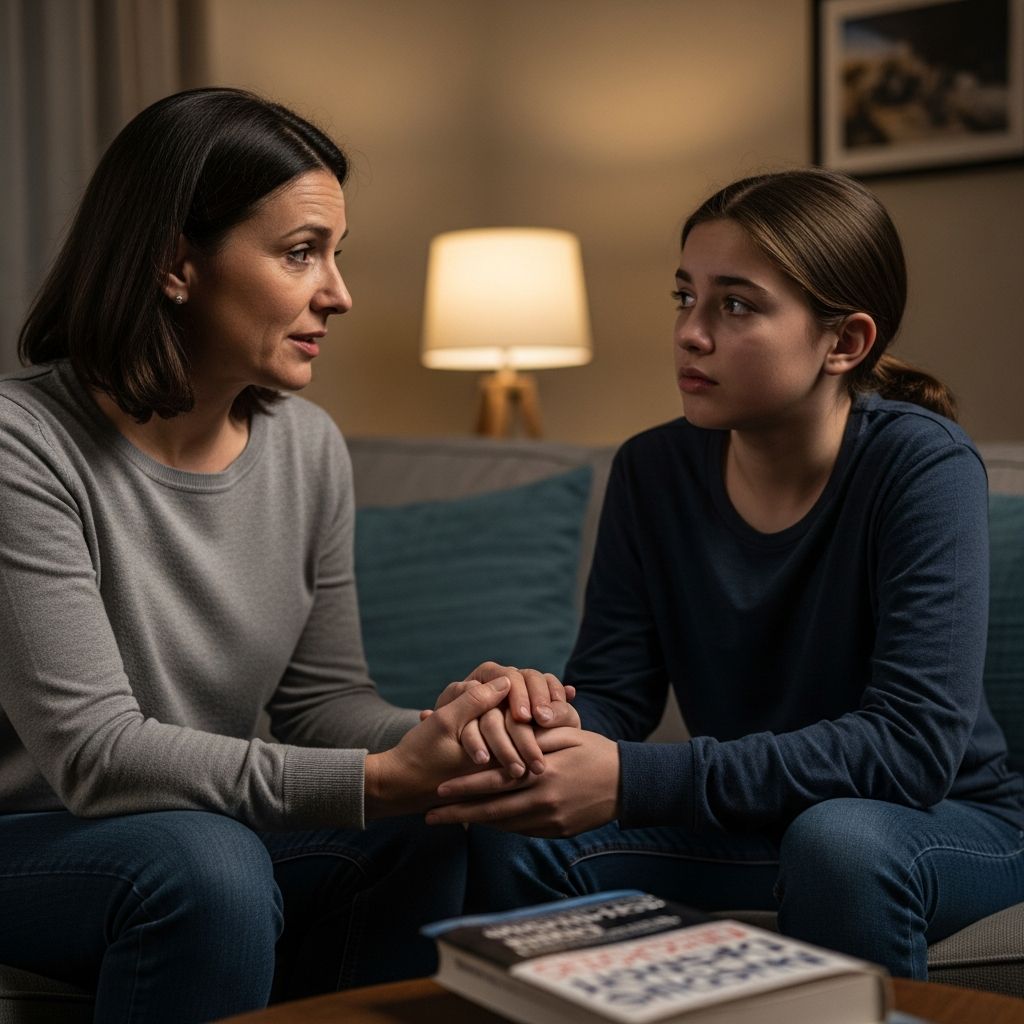
Honest, ongoing conversations are one of the strongest protective factors against drug misuse. Kids are more likely to make safer choices when they have accurate information and know they can talk openly with a trusted adult.
Starting the Conversation
- Choose a calm time, such as during a car ride or walk, when there are few distractions.
- Ask what they already know about prescription drugs and alcohol, then gently correct any misunderstandings.
- Explain that certain medicines slow the body down and that taking them the wrong way can stop breathing or cause serious harm.
What to Emphasize
- Your rules about never using someone else’s medication.
- The risks of mixing medicines with alcohol or other drugs.
- That they can always call you for help, even if they are scared someone is in trouble.
- That asking questions about medicine is a sign of maturity, not something to hide.
It helps to revisit these conversations as kids grow, tailoring the details to their age, experiences, and questions.
What to Do in an Emergency
Any time you suspect a child or teen might be experiencing a depressant overdose, treat it as a medical emergency. Breathing that looks slow, shallow, or irregular is especially concerning.
Emergency Steps
- If a child is unconscious, cannot be woken, is breathing very slowly, or has blue lips or fingertips, call emergency services immediately.
- Try to find out what they took and how much, but do not delay calling for help while you search.
- Do not try to make the person vomit unless specifically instructed by medical professionals.
- If the person is awake but very drowsy, keep them sitting or lying on their side and stay with them until help arrives.
After an emergency, it is important to follow up with a healthcare professional about physical health, as well as mental health and substance use concerns.
Getting Help for Ongoing Misuse or Dependence
If you suspect that a child or teen is regularly misusing depressant drugs, early help can keep the problem from getting worse. Many young people are relieved when an adult notices that something is wrong and offers support rather than judgment.
Helpful steps can include:
- Scheduling an appointment with the child’s pediatrician or family doctor to discuss concerns.
- Asking for referrals to a mental health professional experienced in adolescent substance use.
- Exploring school counseling resources, which can help with academic and social stressors.
- Looking into family counseling or support groups that help parents understand and respond constructively.
Never stop a depressant medication suddenly without guidance from a healthcare professional, as withdrawal can be dangerous and may require medical supervision.
Practical Prevention Tips for Parents and Caregivers
Prevention is not about one big talk; it is about many small actions that add up over time. Your relationship with your child, daily routines, and home environment all contribute to their safety.
Everyday Actions That Help
- Know your child’s friends and where they spend time after school or on weekends.
- Set clear expectations about substance use, including alcohol and prescription drugs.
- Model responsible behavior with your own medicines and alcohol use.
- Encourage healthy stress-management strategies, such as exercise, creative hobbies, and good sleep habits.
- Make space for regular check-ins where your child can talk about worries, friendships, and school pressures.
Frequently Asked Questions About Depressant Drugs
Are all depressant drugs illegal?
No. Many depressant drugs are legal when a doctor prescribes them for a specific medical reason. Misuse happens when they are taken without a prescription, in larger amounts than directed, or in combination with other substances to get high.
Can a child become addicted to a depressant medication that was prescribed?
Addiction risk depends on the medicine, dose, length of treatment, and the child’s individual vulnerabilities. When a healthcare professional manages the prescription carefully and the family follows instructions, the benefits often outweigh the risks. Any signs of craving, misuse, or withdrawal symptoms should be discussed with the prescriber right away.
Is alcohol considered a depressant?
Yes. Alcohol is one of the most commonly used depressant substances. It slows brain and nervous system activity, which can lead to poor coordination, slower reaction times, and impaired judgment even at moderate levels.
What makes depressants especially risky when mixed with other drugs?
When depressants are combined with each other or with substances like alcohol or opioids, their sedating effects can multiply. This stacking effect makes breathing slow down more than expected and greatly increases the risk of overdose and death.
How can I tell the difference between normal teen moodiness and possible drug misuse?
Normal moodiness usually comes and goes with life events and does not cause large, ongoing changes in school performance, friendships, hygiene, or daily functioning. When several warning signs—such as secretive behavior, sudden grade drops, major sleep changes, and physical clues like slurred speech—appear together and persist, it is wise to seek professional guidance.
Understanding how depressant drugs work, recognizing early warning signs, and creating an open, supportive environment at home equip parents and caregivers to better protect their children and teens from harm.