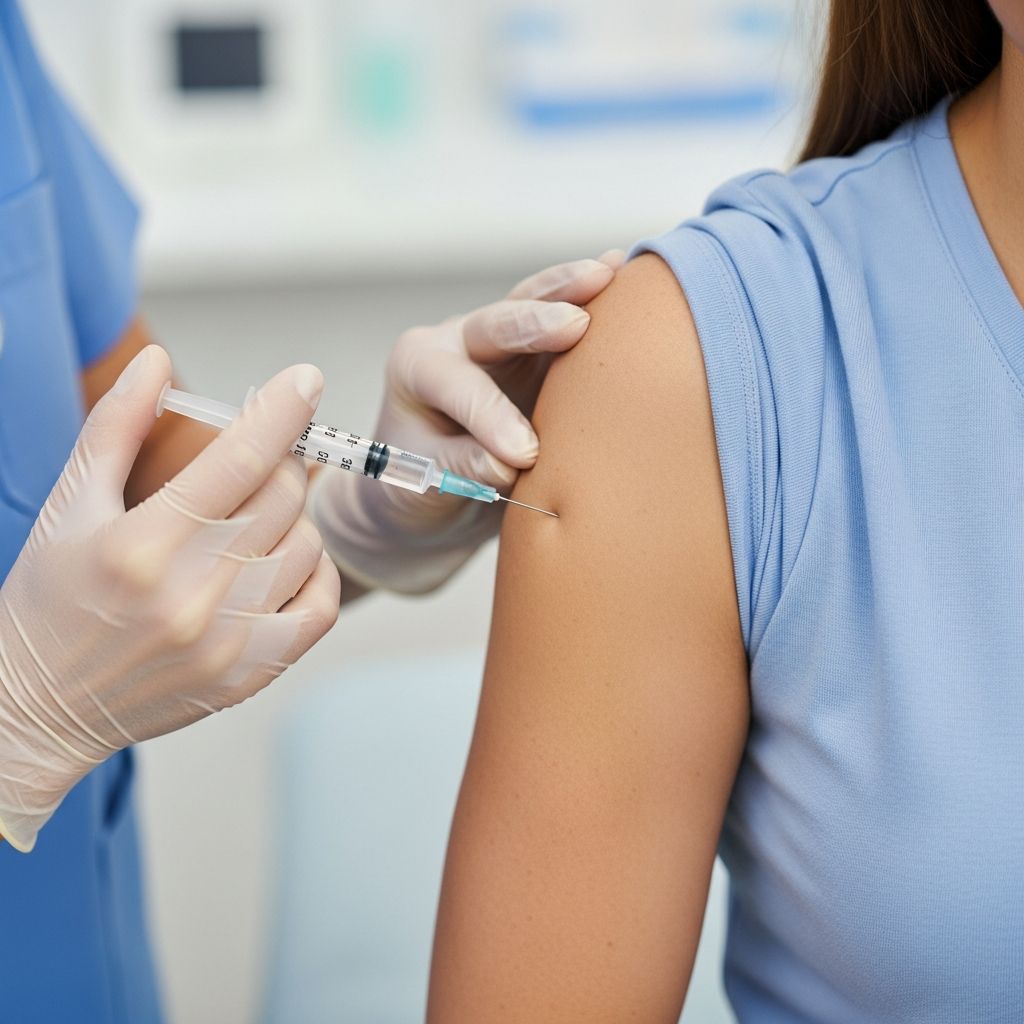
The birth control shot, often known by the brand name Depo-Provera, is a long-acting form of hormonal contraception that can prevent pregnancy for about three months at a time. This guide explains how it works, what it feels like to get the shot, possible side effects, and how to decide if it might be a good option for you.
What Is the Birth Control Shot?
The birth control shot is an injection that contains a hormone called medroxyprogesterone acetate, a type of progestin (a synthetic form of the hormone progesterone). It is usually given in the upper arm or buttocks by a healthcare professional every 11–13 weeks.
- Type of method: Long-acting, reversible, hormonal contraception
- How long it lasts: About 3 months (up to 13–14 weeks of protection)
- Who gives it: Typically a nurse, doctor, or other trained provider; in some places a self-injection version is available.
The shot does not protect against sexually transmitted infections (STIs). For STI protection, condoms are still important.
How the Shot Prevents Pregnancy
The Depo-Provera shot works mainly by stopping the body from releasing an egg each month.
- Stops ovulation: The hormone in the shot suppresses the release of hormones that normally trigger the ovaries to release an egg.
- Thickens cervical mucus: The mucus at the cervix becomes thicker, making it harder for sperm to swim through.
- Thins the uterine lining: The lining inside the uterus becomes thinner, which makes it less likely for a fertilized egg to implant.
Because of these combined effects, the shot is considered a highly effective method of preventing pregnancy when it is received on schedule.
How Effective Is the Depo Shot?
Depo-Provera is among the more effective reversible birth control methods.
- With perfect use: Fewer than 1 out of 100 people become pregnant in a year.
- With typical use: The effectiveness is slightly lower, mainly if shots are missed or delayed.
To stay protected, it is important to get the next injection every 11–13 weeks, or as instructed by your healthcare provider.
| Method | How It Is Used | Approximate Effectiveness (Typical Use) |
|---|---|---|
| Birth control shot (Depo-Provera) | Injection every 11–13 weeks | Over 94% effective with typical use; over 99% with perfect timing |
| Birth control pill | One pill daily | About 93% effective with typical use (missed pills reduce protection) |
| Male condom | Used each time during sex | About 87% effective with typical use and errors in use |
Getting Started: When and How You Receive the Shot
Your provider will usually review your medical history and may ask about your periods, medications, and any health problems before starting Depo-Provera.
Typical timing for the first shot
- During or right after a period: Often given within the first 5–7 days of your menstrual cycle to be sure you are not pregnant.
- After childbirth: Can be started shortly after giving birth, and is considered safe during breastfeeding.
- After an abortion or miscarriage: May be given right away if your provider confirms it is appropriate.
If the shot is given at other times in your cycle, you may be asked to use condoms for a short period (often 7 days) until the hormone becomes fully effective.
What the visit is like
- You may have your weight, blood pressure, and medications reviewed.
- The injection is given into a muscle in your upper arm or buttocks.
- The actual shot takes only a few seconds; some people feel brief stinging or soreness.
- You leave with a date or reminder for your next shot.
Advantages of the Birth Control Shot
Many teens and young adults like the birth control shot because it is low maintenance and private.
- Very effective: Provides strong protection against pregnancy when injections are on time.
- Long-lasting: One shot covers about three months, so there is nothing to remember daily.
- No estrogen: Contains only progestin, which can be useful for those who cannot safely take estrogen-containing methods.
- Periods often get lighter or stop: Many people have lighter bleeding over time, and some eventually stop having periods while on the shot, which some find convenient.
- Private method: There is no package at home and nothing visible during sex.
- Can be used while breastfeeding: It is considered safe and does not significantly reduce milk supply when started at the recommended time postpartum.
Possible Side Effects and Changes You Might Notice
Like any hormonal birth control, the Depo shot can cause side effects. Not everyone experiences all of these, but it is important to know what might happen.
Bleeding changes
- Irregular bleeding or spotting, especially in the first months
- Unpredictable timing of periods
- Lighter and less frequent periods over time
- Periods may stop completely after several injections for many users
Other possible side effects
- Headaches
- Mood changes
- Breast tenderness
- Acne or skin changes
- Decreased sex drive for some people
- Delayed return of normal periods after stopping (it may take several months or longer for fertility to return)
Weight and bone health
Some studies have found that users of Depo-Provera may gain weight and may have a temporary decrease in bone mineral density, especially with longer-term use in adolescents. Bone density usually improves again after stopping the shot, but your provider may talk with you about calcium, vitamin D, exercise, and how long you plan to use this method.
Who Might Consider the Depo Shot?
The shot can be a good choice for many people, including teens, but it is not right for everyone. Your healthcare provider can help you decide based on your health and what matters most to you.
- May be a good fit if you:
- want a method you do not have to think about daily
- prefer a private option that others are unlikely to notice
- cannot take estrogen for medical reasons
- do not mind changes in your period, including the possibility of no periods
- May not be ideal if you:
- strongly prefer regular, predictable periods
- are uncomfortable with injections
- are planning a pregnancy in the very near future and want a method with faster return to fertility
- have certain health conditions where your provider advises against progestin-only injections
Staying on Schedule: Why Timing Matters
One of the most important parts of using the birth control shot successfully is staying on schedule.
- Most providers recommend getting the shot every 12 weeks, with a range of about 11–13 weeks.
- If you go longer than recommended between shots, you may lose protection and could become pregnant.
- If your shot is late, your provider may ask you to take a pregnancy test and to use condoms for a period of time.
To help remember:
- Ask the clinic to give you a written reminder date.
- Set calendar alerts on your phone.
- Ask a trusted friend or partner to remind you.
Comparing the Shot With Other Contraceptive Options
When choosing birth control, it is helpful to compare how the shot stacks up against other methods.
| Method | Contains Estrogen? | How Often You Deal With It | Key Points |
|---|---|---|---|
| Depo-Provera shot | No (progestin only) | Every 3 months | Very effective; irregular bleeding common; periods may stop; does not protect against STIs. |
| Combined birth control pill | Yes | Daily | Relies on remembering a pill every day; can improve acne and period cramps; may not be suitable for some medical conditions. |
| Hormonal IUD | Progestin only | Lasts 3–8 years (depending on type) | Very low maintenance after insertion; can reduce menstrual bleeding; requires a procedure for placement and removal. |
| Male condom | No hormones | Every time you have sex | Helps protect against STIs; effectiveness depends heavily on correct and consistent use. |
Protecting Yourself From STIs
Depo-Provera is designed to prevent pregnancy but does not protect you from infections like chlamydia, gonorrhea, or HIV.
- Use condoms every time you have vaginal, anal, or oral sex to reduce your risk of STIs.
- Consider regular STI testing if you are sexually active.
- Talk with your provider about vaccines that help protect against infections like HPV and hepatitis B, if you are eligible.
Questions to Ask Your Healthcare Provider
Before starting the birth control shot, it can help to write down questions. Here are some ideas to get you started:
- How effective is the shot for someone my age and lifestyle?
- What changes might I notice with my periods?
- How long can I safely stay on Depo-Provera?
- Will this method affect my bones or growth, and how can I protect my bone health?
- What should I do if I miss or delay a shot?
- Are there any health reasons why this method might not be right for me?
- What other birth control options should I consider?
Frequently Asked Questions (FAQs)
1. Does the shot hurt?
The shot feels similar to most other injections. Some people notice a brief sting and mild soreness at the injection site for a day or two. This usually goes away on its own.
2. How soon does the shot start working?
If you get your first shot during the first few days of your period, it usually starts preventing pregnancy right away. If you receive it at another time in your cycle, your provider may recommend using condoms for about 7 days.
3. Will I still get my period on Depo-Provera?
Many users experience irregular bleeding at first, followed by lighter periods or no periods at all over time. Both patterns can be normal for this method, but talk with your provider if bleeding is very heavy or lasts a long time.
4. How long does it take to get pregnant after stopping the shot?
Fertility returns at different times for different people. For some, ovulation may return within a few months; for others it can take a year or more for periods and fertility to fully return after the last injection. If you plan a pregnancy soon, ask your provider whether a different method might be better.
5. Is the Depo shot safe for teens?
Major medical organizations consider the Depo shot an acceptable option for adolescents when the benefits outweigh the risks. Because there can be an impact on bone density with longer-term use, providers often discuss diet, exercise, and how long you plan to use this method before choosing it.
6. Can I use the shot if I am on other medications?
Many medications can be safely used with Depo-Provera, but some may interact. Always tell your provider about any prescription drugs, over-the-counter medicines, supplements, or herbal products you take so they can check for interactions.
7. What if I change my mind and want to stop?
You can choose to stop the shot at any time by not getting your next injection. The hormone will gradually wear off over the next few months. During this time, it is still possible to become pregnant if you are sexually active and not using another method, so talk to your provider about switching to a different form of birth control.
References
- Depo-Provera: Everything to Know About the Birth Control Shot — Healthline. 2023-05-11. https://www.healthline.com/health/birth-control-depo-provera-shot
- Depo Provera — The Royal Women’s Hospital. 2022-06-01. https://www.thewomens.org.au/health-information/contraception/depo-provera
- Depo-Provera Injection | Clinical Keywords — Yale Medicine. 2021-09-15. https://www.yalemedicine.org/clinical-keywords/depo-provera-injection
- 10 Depo-Provera — Institute of Medicine, National Academies Press. 1995-01-01. https://www.nationalacademies.org/read/5281/chapter/12
- Birth Control: The Shot (Depo-Provera) — Nationwide Children’s Hospital. 2022-03-01. https://www.nationwidechildrens.org/family-resources-education/health-wellness-and-safety-resources/helping-hands/birth-control-depo-provera
- Depo-Provera® (Birth Control Shot): Risks & Benefits — Cleveland Clinic. 2023-08-01. https://my.clevelandclinic.org/health/drugs/4086-depo-provera-birth-control-shot
- Patient Information: Depo-Provera CI — Pfizer. 2023-02-10. https://labeling.pfizer.com/ShowLabeling.aspx?id=522