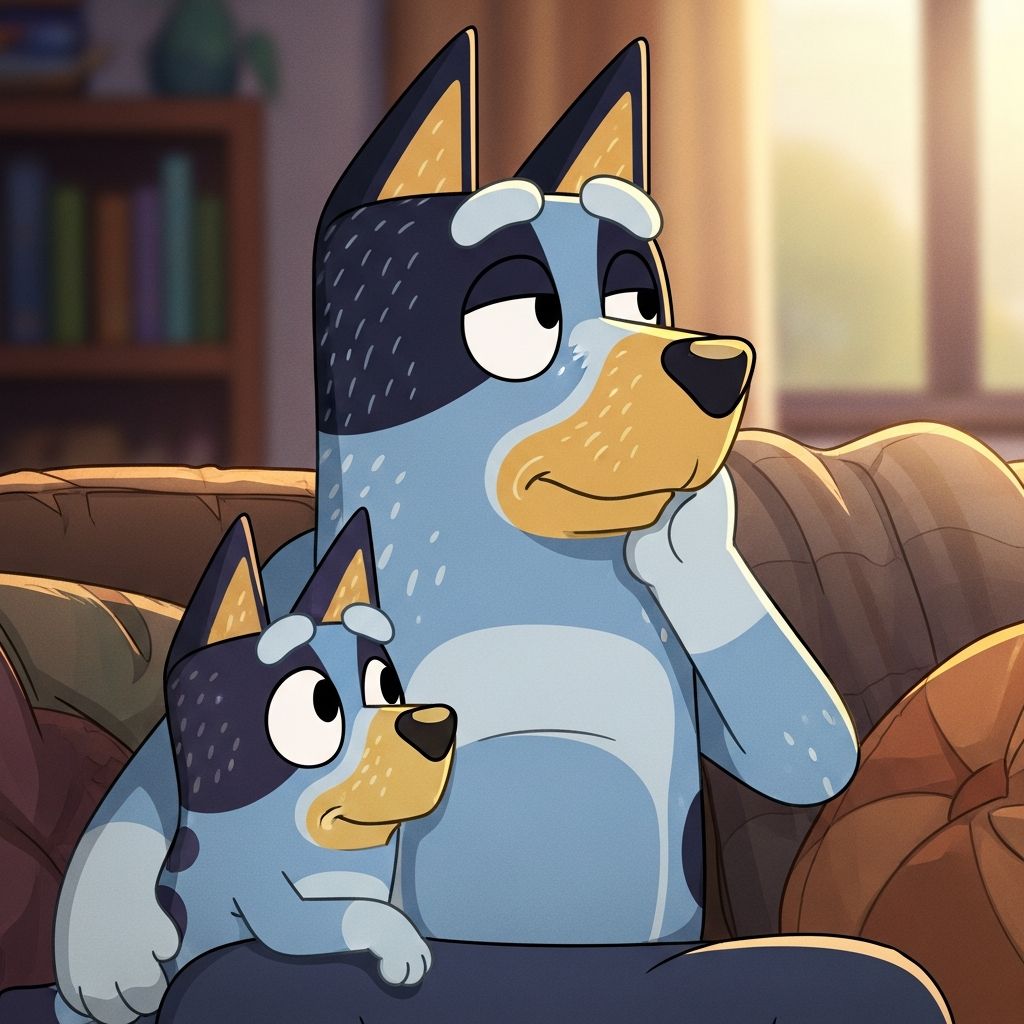
Bluey has always balanced silly games with surprisingly heavy emotional themes, but a run of episodes in Season 3B pushes that balance into new territory. Drawing on ideas like childhood anxiety, parents pulling kids into their conflicts, and the quiet heartbreak of infertility, these stories feel less like casual cartoons and more like small therapy sessions disguised as seven-minute adventures.
This article unpacks three of the most emotionally intense Season 3B episodes often discussed by fans: “Space,” “The Decider,” and “Onesies.” Using these stories as a jumping-off point, we’ll explore why they resonate so deeply with parents, what kids can take from them, and how they intersect with broader realities like anxiety, separation, and complicated pregnancies.
Bluey as Emotional Storytelling, Not Just Kids’ TV
On the surface, Bluey is about talking dogs playing games. Underneath, it’s a show about how families work through big feelings together. Many parents describe the series as unexpectedly therapeutic, because it puts words and images to experiences that adults still struggle to explain.
- Anxiety and mental health – Children can show anxiety through behaviors like withdrawal, meltdowns, or physical complaints without obvious medical cause. Episodes like “Space” give a visual language to those invisible feelings.
- Divorce, conflict, and loyalty – Kids often feel torn when adults around them argue or separate. Research shows that children whose parents involve them in conflicts experience higher stress and emotional problems.
- Infertility and pregnancy loss – Around 10–15% of couples experience infertility, and early pregnancy loss is common yet rarely discussed openly. “Onesies” quietly invites that conversation into children’s media without graphic detail.
Season 3B leans into these topics through character-driven storytelling. Instead of lectures, it uses metaphors, games, and symbolic imagery that speak differently to kids and adults watching the same scene.
Episode 1: “Space” – When Anxiety Feels Like a Black Hole
“Space” is often compared by fans to earlier emotional standout “Sleepytime,” but it dives into a different emotional landscape: what it feels like to be abandoned or left behind. The episode uses science-fiction imagery and playground games to make internal experiences visible.
Key Emotional Themes in “Space”
- Separation anxiety – The story revolves around a child who feels like others have left him, triggering dread and shutdown.
- Trauma and withdrawal – At one point, the character sits alone, demanding to be left completely by himself, echoing how some kids cope by emotionally shutting down.
- Overwhelming emotions as cosmic forces – A giant swirling black hole becomes a metaphor for feelings that seem so big they might swallow you whole.
Childhood anxiety commonly shows up through avoidance, clinginess, or a strong desire to escape from social situations. In “Space,” that avoidance is literalized as drifting away from others in an empty, lonely universe.
Why “Space” Feels So Intense for Parents
For many adults, “Space” is difficult to watch because it mirrors both:
- the helplessness of watching a child in pain, and
- their own younger selves who once felt alone, misunderstood, or abandoned.
The image of a small child standing before a massive black hole is powerful. It visualizes what psychologists describe as overwhelming affect — emotions so large they feel unmanageable without support. A caring adult figure eventually joins the child, helping him turn toward, rather than away from, the scary feelings. This aligns with approaches in child therapy that focus on sitting with hard emotions instead of suppressing them.
What Kids Might Learn From “Space”
| For Young Viewers | For Parents Watching |
|---|---|
| It’s okay to feel scared, lonely, or angry. | Kids may express anxiety through behavior rather than words. |
| Big feelings don’t last forever; help can arrive. | Staying present and calm helps children regulate their emotions. |
| You can return to friends and fun after feeling overwhelmed. | Imagery and play are useful tools to talk about mental health. |
Episode 2: “The Decider” – A Kid Stuck Between Two Sides
On its face, “The Decider” is about a sports rivalry. Underneath, it is an allegory for divorce or separation. A child is caught between parents who support opposing teams, and the tension of the game becomes a stand-in for adult conflict.
How “The Decider” Echoes Divorce Dynamics
Several story beats feel painfully familiar to anyone who grew up in a separated or high-conflict home:
- Feeling pressured to choose – The child is subtly pulled to “pick a side,” echoing situations where kids feel they must align with one parent.
- Gifts and favors as leverage – Special treatment or presents are used to win favor, a behavior family researchers call “parental alliance-building.”
- Name-calling wrapped in jokes – Playful teasing between adults can carry an undercurrent of real resentment, which children easily pick up.
- The impossible wish – The child’s true dream isn’t to choose a team; it’s for both parents to cheer together.
Studies on children of divorced or separating parents show that being drawn into conflict — directly or indirectly — is strongly associated with anxiety, sadness, and loyalty conflicts, even when parents don’t intend harm.
The Emotional Punch for Adults
Parents may see themselves reflected in this episode in uncomfortable ways:
- Times when they vented about a partner within earshot of their child.
- Moments when they tried to “win” their kid’s affection during a breakup or argument.
- Childhood memories of feeling like the referee in their own parents’ relationship.
Because “The Decider” uses the safe wrapper of sports fandom, kids can enjoy it as a comedy of divided loyalties, while adults can decode the deeper metaphor about putting children in the middle of adult issues.
Healthy Messages Within “The Decider”
At its core, the episode suggests that what matters is not who wins, but how adults handle disagreement in front of children. This mirrors professional guidance that emphasizes shielding kids from ongoing conflict, even when separation or divorce can’t be avoided.
- It highlights co-parenting ideals: show up, support the child, and keep the focus on their wellbeing rather than on “winning.”
- It normalizes that kids may feel guilty or conflicted even when adults insist “it’s fine.”
- It gently invites adults to ask, “What does my child actually want here?” — usually, peace and togetherness.
Episode 3: “Onesies” – Infertility, Grief, and the Sister Who Stayed Away
“Onesies” stands out as one of the show’s most emotionally devastating stories because it quietly addresses infertility and complicated pregnancies without naming them outright. A beloved aunt finally visits after years of absence, bearing a cute animal onesie that sparks a chaotic game. The real heart of the episode is the revelation that she has stayed away because being around little kids is too painful.
Why “Onesies” Matters So Much
Infertility and pregnancy loss are incredibly common, but they can be painful to talk about, even among close family:
- The World Health Organization estimates that roughly 1 in 6 adults globally experience infertility in their lifetime.
- Miscarriage and early pregnancy loss are among the most frequent pregnancy complications, yet many families feel pressure to grieve in silence.
By giving this pain to a warm, funny, much-loved aunt character, “Onesies” tells viewers:
- This kind of grief exists in ordinary families.
- It can affect how often relatives visit or how they behave around children.
- Distance sometimes comes from hurt, not from lack of love.
The Rainbow-Baby Layer
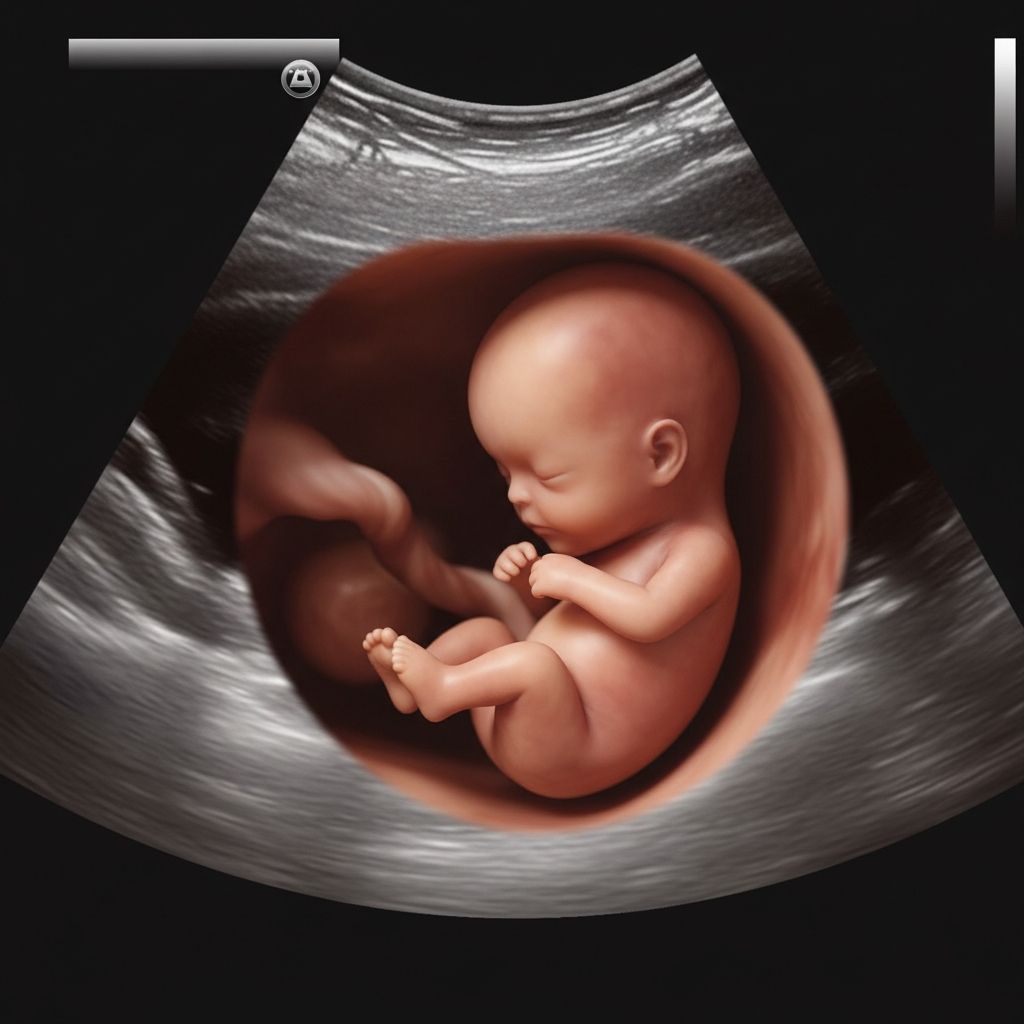
Many fans interpret the episode as confirming that Bluey and Bingo’s parents have faced fertility challenges in the past, possibly including miscarriage or a long waiting period before children. This ties into a broader concept known as a “rainbow baby” — a child born after a pregnancy loss, symbolizing hope after a storm. While the show keeps details vague, little visual cues and snippets of dialogue invite viewers who have lived this experience to see themselves in the story.
Clinicians note that pregnancies after loss can be emotionally complex, involving joy, fear, and unresolved grief at the same time. “Onesies” captures hints of that complexity without directly explaining it to young viewers; children simply see that adults can have deep, unspoken sadness alongside love and play.
Why Parents Cry So Hard at “Onesies”
For adults who have struggled to conceive, who have endured miscarriages, or who watch loved ones face these challenges, “Onesies” can feel almost too close. It powerfully validates:
- The ache of wanting a child and not being able to have one.
- The guilt and avoidance around visiting relatives with children.
- The compassion of siblings who may not fully understand but still offer acceptance and love.
Because the topic is so rarely handled gently in children’s media, many viewers experience a sense of relief and recognition. The episode tells them they are seen, even if the word “infertility” is never spoken out loud.
How These Episodes Work on Two Levels
One reason Bluey is such a shared obsession between children and parents is that it operates on dual layers of meaning:
- For kids, these are colorful stories about games, imagination, and family life.
- For adults, they are reflections on mental health, relationships, regret, and hope.
Season 3B leans especially hard into this structure. “Space,” “The Decider,” and “Onesies” can be watched as straightforward adventures, but for older viewers they also function as:
- Visual metaphors for therapy concepts: facing the black hole, sitting in the middle of conflict, or avoiding painful triggers.
- Invitations to self-reflection about how we handled — or still handle — anxiety, separation, or loss.
- Conversation starters for gently talking with children about hard topics at a developmentally appropriate level.
Watching Emotional Bluey Episodes With Your Kids
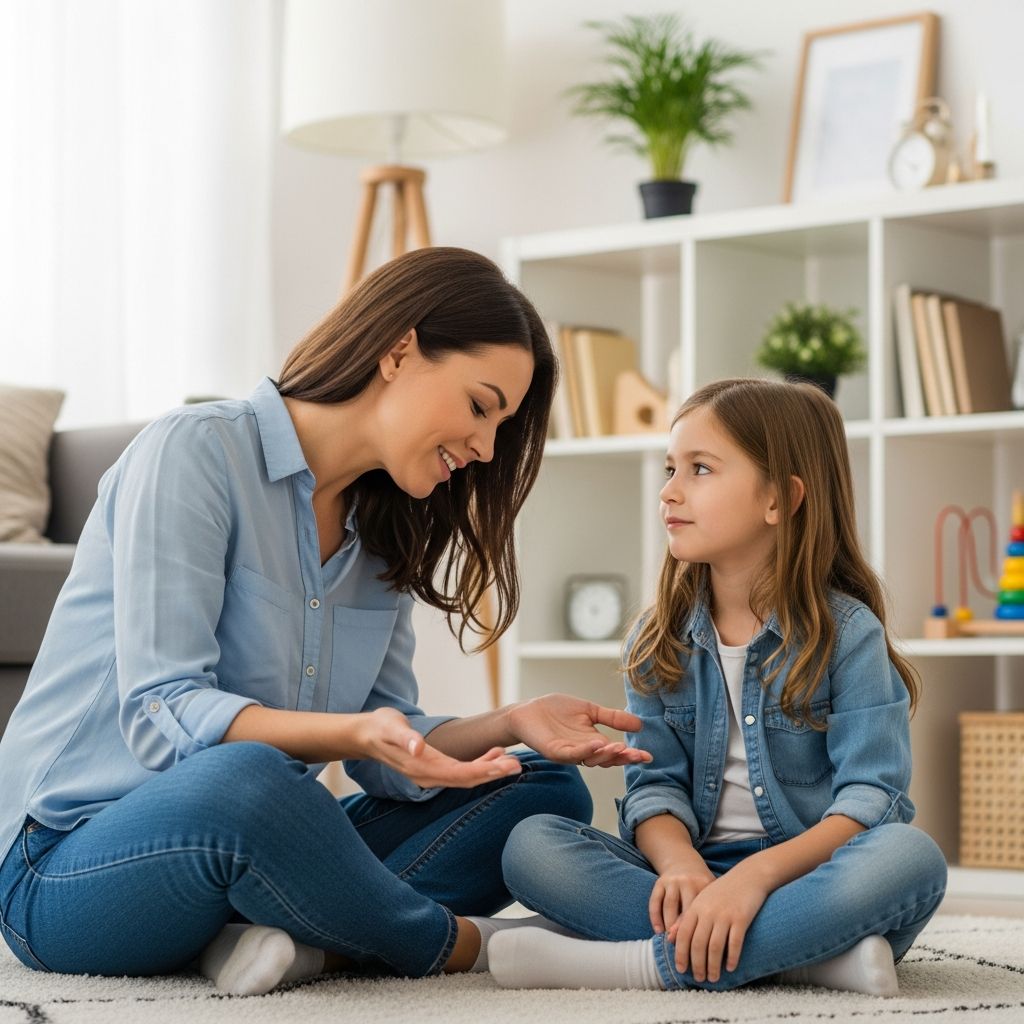
Because these stories can stir up big feelings, it can help to be intentional when watching them with children. You don’t need to turn every episode into a therapy session, but you can use simple, open-ended questions.
Simple Follow-Up Questions to Ask
- “How do you think that character felt in that scene?”
- “Have you ever felt like that — maybe not exactly, but a little bit?”
- “What do you think helped them feel better?”
- “Who would you talk to if you felt that way?”
These questions match recommendations from child mental health experts, who suggest that labeling feelings and normalizing emotional talk can reduce anxiety and improve coping in kids.
When Episodes Hit Too Close to Home
If you have personal experiences with divorce, infertility, or trauma, these episodes may be unexpectedly intense for you. It’s perfectly okay to:
- Pause or stop an episode if you feel overwhelmed.
- Tell your child, “This one makes me a bit sad; I might cry, but that’s okay.”
- Save heavier episodes for moments when you have the emotional bandwidth to watch with them.
Letting kids see you feel emotions — and then recover — can model healthy regulation, as long as they are reassured that your feelings are not their responsibility.
Frequently Asked Questions About Bluey’s Emotional Episodes
Q: Are episodes like “Onesies” and “The Decider” really meant for children?
Yes. Bluey’s creators design episodes to work on two levels: kids follow the simple story and humor, while adults recognize deeper themes like infertility or divorce. Children do not need to understand those layers for the episode to be appropriate; they mainly learn that families can have complex feelings and still be loving.
Q: How can I explain infertility or pregnancy loss if my child asks after watching “Onesies”?
Use simple, age-appropriate language. You might say, “Sometimes grown-ups want to have a baby, but their bodies don’t work that way, and it makes them very sad. It’s nobody’s fault.” Experts recommend honest but gentle explanations that match a child’s developmental level, without graphic detail.
Q: My child seems really affected by “Space.” Should I be worried about anxiety?
Feeling strongly about a story is not, by itself, a sign of a problem. However, if you see ongoing signs like constant worry, sleep troubles, physical complaints without medical cause, or avoidance of school or friends, consider talking with a pediatrician or child mental health professional.
Q: Is it okay if I cry during these episodes in front of my kid?
Yes. Seeing a parent cry calmly and then recover can show that emotions are safe and temporary. You can narrate, “This makes me sad because it reminds me of something in my life, but I’m okay.” If your distress feels overwhelming or you can’t reassure your child, pause and take care of yourself first.
Q: Why do so many parents say Bluey feels like free therapy?
Because the show gives language and imagery to real emotional experiences — anxiety, regret, longing for another child, divorce stress — in a non-judgmental way. It often validates parents’ struggles while also modeling playful, responsive caregiving that many adults aspire to but never saw growing up.
References
- Child Mental and Emotional Health — U.S. Centers for Disease Control and Prevention. 2023-03-29. https://www.cdc.gov/childrensmentalhealth/features/anxiety-depression-children.html
- Effects of Divorce on Children’s Behavior Problems — Cherlin, A. J. et al., American Sociological Review. 1998-04-01. https://doi.org/10.2307/2657310
- Infertility — World Health Organization. 2023-04-04. https://www.who.int/news-room/fact-sheets/detail/infertility
- Early Pregnancy Loss — American College of Obstetricians and Gynecologists. 2018-11-01 (reaffirmed 2025). https://www.acog.org/womens-health/faqs/early-pregnancy-loss
- Co-parenting and Children’s Adjustment to Divorce — American Psychological Association. 2019-07-01. https://www.apa.org/topics/divorce-child-custody/co-parenting