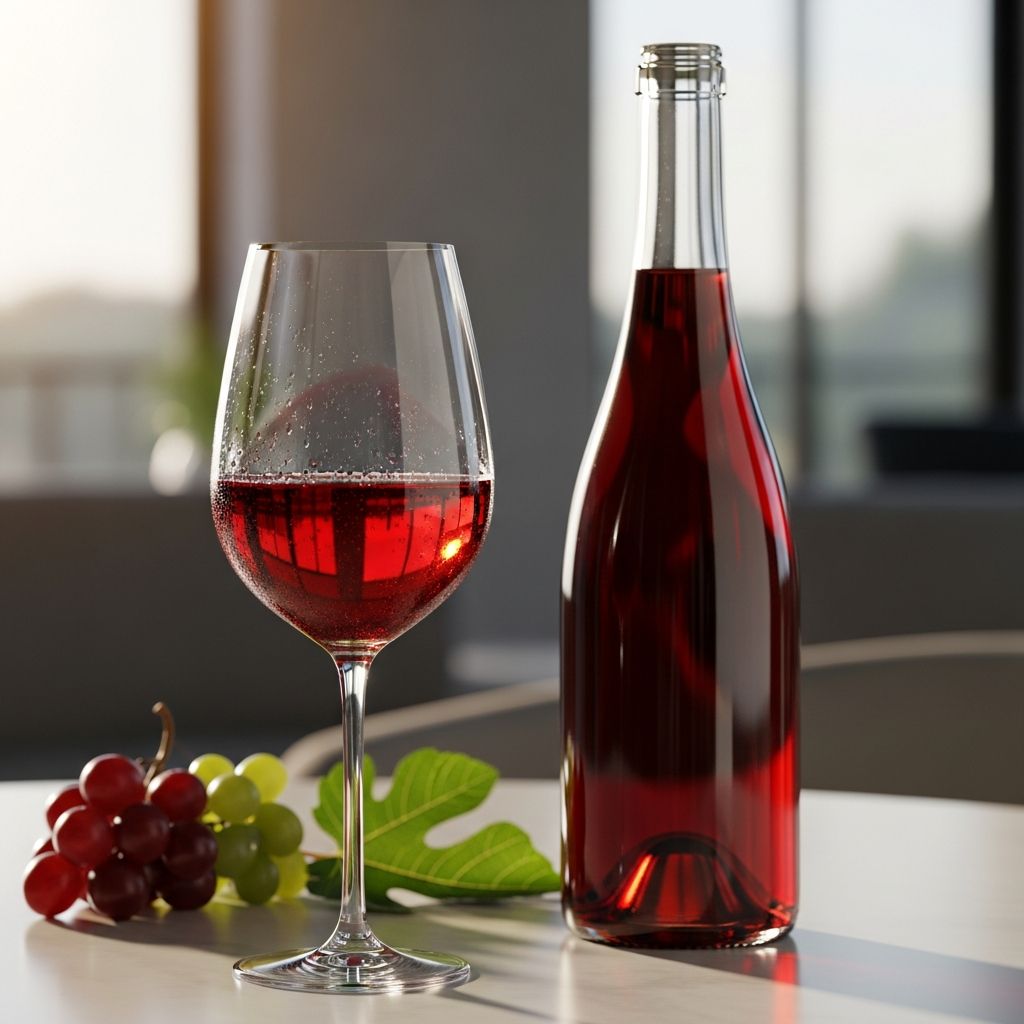
Dealcoholized wine captures the essence of traditional vintages—complex aromas, balanced tannins, and elegant mouthfeel—without the intoxicating effects of alcohol. This innovation allows wine enthusiasts, including expectant parents and those embracing sober lifestyles, to enjoy the ritual of wine tasting responsibly.
The Growing Appeal of Alcohol-Free Indulgences
In recent years, the demand for beverages that mimic the sensory experience of wine minus the alcohol has surged. Market data reveals explosive growth, with U.S. sales of no- and low-alcohol products reaching $3.3 billion in 2021, marking a 113% increase from the previous year. This trend extends beyond teetotalers; approximately 80% of consumers are regular drinkers seeking occasional alternatives for scenarios like driving, medication use, or wellness goals.
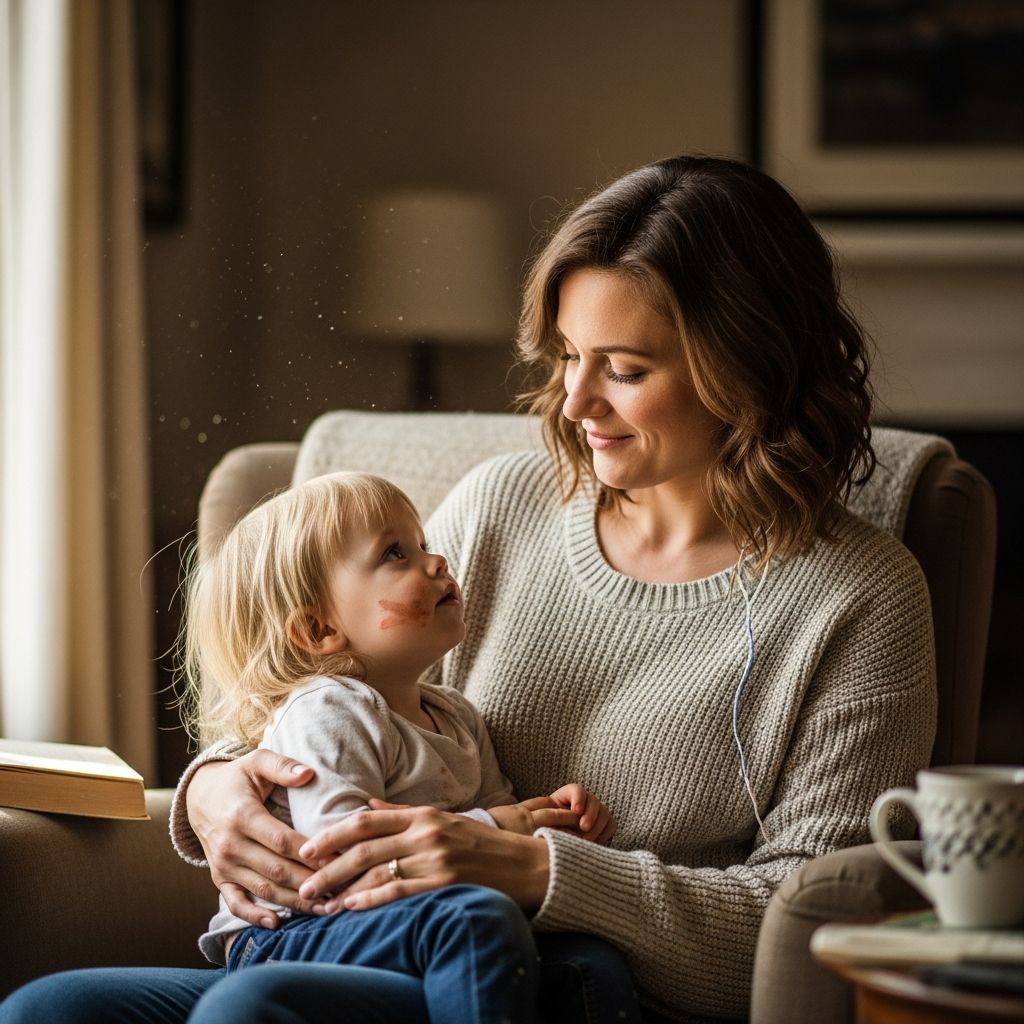
For parents, particularly during pregnancy or breastfeeding, dealcoholized wine provides a comforting substitute. It enables participation in social dinners, celebrations, and everyday relaxation without compromising health or sobriety. Brands now craft these wines from premium grapes, ensuring they rival conventional options in quality and sophistication.
How Dealcoholized Wine Comes to Life
Producing dealcoholized wine involves fermenting high-quality grapes into full-strength wine, then meticulously extracting the alcohol. This post-fermentation process preserves the fruit’s natural flavors, acidity, and structure, which fermentation develops.
Key techniques include:
- Vacuum Distillation: Wine is heated in a low-pressure vacuum chamber where alcohol boils at around 30°C (86°F), far gentler than standard distillation. This method retains brighter fruit notes but may subtly alter deeper aromatics.
- Spinning Cone Technology: Wine vapors pass through rotating cones that use centrifugal force to separate alcohol volatiles from flavor compounds. Pioneered in the 2000s, it excels at maintaining aroma integrity.
- Reverse Osmosis: Wine filters through semi-permeable membranes, isolating alcohol by molecular size. Though precise, it demands multiple cycles and higher costs.
- Colder Distillation: Employed by European producers, this evaporates alcohol at reduced temperatures to safeguard delicate profiles, as seen in French wineries shipping to specialized facilities.
These methods reduce alcohol to under 0.5% ABV, the FDA threshold for “non-alcoholic” labeling. However, trace amounts persist, distinguishing dealcoholized wines from juice-based mimics.
Challenges in Crafting True-to-Form Wines
Removing alcohol isn’t straightforward. Wine typically sits at 10-15% ABV, so de-alcoholization eliminates a significant volume—up to 30%—along with some body and warmth. Early versions compensated with added sugars, resulting in cloying profiles. Modern approaches prioritize balance through precise blending and grape selection.
| Method | Pros | Cons | Ideal For |
|---|---|---|---|
| Vacuum Distillation | Gentle heat preserves fruitiness | May lose subtle complexities | Fresh whites, light reds |
| Spinning Cone | Excellent aroma retention | Equipment-intensive | Aromatic varieties like Sauvignon Blanc |
| Reverse Osmosis | High precision | Expensive, multi-pass | Premium, low-volume production |
| Colder Distillation | Minimal flavor loss | Logistically complex | Traditional regions like Bordeaux |
Spirits prove trickier: at 40% ABV, de-alcoholizing leaves mostly water, rendering neutral options like vodka impossible. Beer, at 4-8% ABV, fares better, losing less volume.
Health and Wellness Benefits for Families
Dealcoholized wine supports mindful drinking. Expectant mothers avoid fetal alcohol syndrome risks while savoring mealtime rituals. New parents managing sleep deprivation benefit from zero hangover potential. Wellness advocates appreciate lower calories—often 20-50 per serving versus 120+ in standard wine—and hydration advantages.
Nutritionally, these wines retain antioxidants like resveratrol from grape skins, though levels vary by processing. They pair seamlessly with foods, enhancing meals without impairment.
Market Innovations and Global Trends
Napa Valley entrepreneurs exemplify dedication, sourcing premium grapes and enduring R&D to perfect de-alcoholization. Brands like Buzzkill Wines market boldly to those who “can’t, shouldn’t, or don’t want to get f*&^ed up,” blending humor with quality.
In France, wine heartland, producers like Vignobles Raguenot de-alcoholize Bordeaux wines via German partners, tapping new demographics amid declining traditional sales. Globally, Heineken’s Super Bowl push for Heineken 0.0 signals mainstream acceptance.
Producers innovate by designing NA-specific profiles, not mere replicas. This yields vibrant, food-friendly options celebrating their alc-free identity.
Selecting and Enjoying Dealcoholized Wines
Choose based on origin and variety: Napa Sauvignon Blancs shine for crispness; Bordeaux blends offer structure. Check labels for <0.5% ABV and minimal additives.
- Store in cool, dark places like regular wine.
- Chill whites/rosés; serve reds at 60°F.
- Pair whites with seafood, reds with grilled meats.
Expect brighter acidity and lighter body—attributes that grow on palates seeking refreshment over heft.
Dealcoholized vs. Low-Alcohol vs. Grape Juices
| Type | ABV Range | Production | Best For |
|---|---|---|---|
| Dealcoholized | <0.5% | Fermented then stripped | Wine lovers wanting ritual |
| Low-Alcohol | 3-7% | Arrested fermentation | Light buzz seekers |
| Grape Juice-Based | 0% | No fermentation | Strict abstinence |
Dealcoholized excels for authenticity; low-alc compromises on process impact; juices lack fermentation depth.
Frequently Asked Questions
Is dealcoholized wine truly alcohol-free?
No, it contains trace amounts under 0.5% ABV, safe for most but not for those needing absolute zero.
Does it taste like real wine?
Modern versions closely mimic, with advanced tech preserving flavors, though lighter in body.
Can pregnant women drink it?
Yes, the negligible alcohol poses no risk, allowing enjoyment of wine culture safely.
How has the market grown?
Sales doubled in recent years, driven by wellness trends and marketing innovations.
What’s the best serving temperature?
Whites at 45-55°F, reds at 55-65°F for optimal aroma release.
Embracing the Future of Mindful Sipping
Dealcoholized wine bridges tradition and temperance, empowering inclusive celebrations. As technology refines and awareness grows, it redefines indulgence for health-focused eras.
References
- Pouring a New Trend: Who’s Who in the Rise of Alcohol-Removed Spirits — Innovators of the Valley. 2023. https://www.innovatorsofthevalley.com/blog-1-1/innovations-in-non-alcohol
- What’s behind France’s new non-alcoholic trend — DW Food (YouTube). 2023. https://www.youtube.com/watch?v=7x2ciemB9e8
- The Surprising Potential of Non-Alcoholic Wine — Wine Folly. 2023. https://winefolly.com/tips/non-alcoholic-wine/
- Our 12 Favorite Nonalcoholic Wines of 2026 — Wine Spectator. 2026-01-01. https://www.winespectator.com/articles/best-nonalcoholic-dealcoholized-wine-2026-blind-tasting-na