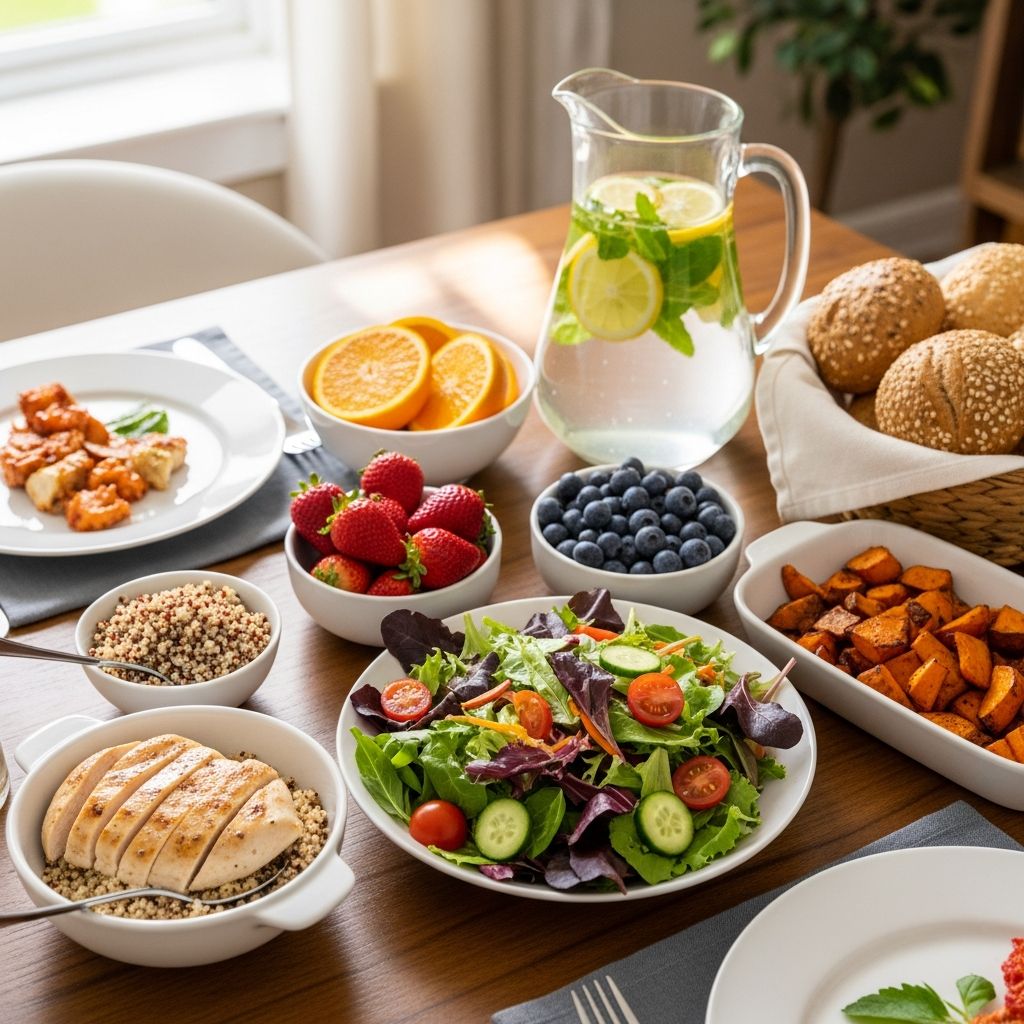
The DASH diet, or Dietary Approaches to Stop Hypertension, offers a practical and flexible framework for improving cardiovascular wellness across all ages, particularly beneficial for children at risk of elevated blood pressure. Developed through rigorous research, this eating pattern emphasizes nutrient-dense foods while curbing sodium and unhealthy fats, leading to measurable reductions in blood pressure and enhanced overall health metrics.
Understanding the DASH Eating Pattern
At its core, the DASH diet promotes a balanced intake of everyday foods that deliver essential nutrients like potassium, magnesium, calcium, fiber, and protein, all of which contribute to blood pressure regulation. Unlike restrictive fad diets, DASH integrates seamlessly into family routines, allowing occasional indulgences while prioritizing whole foods.
Research from the National Heart, Lung, and Blood Institute (NHLBI) demonstrates that DASH can lower systolic blood pressure by 5-6 mm Hg and diastolic by 3 mm Hg in weeks, effects comparable to medication for mild hypertension. For children, prospective studies like the Avon Longitudinal Study of Parents and Children (ALSPAC) show that early adherence correlates with improved body composition, insulin sensitivity, and lipid profiles into adolescence and adulthood.
Core Principles of DASH Nutrition
The foundation of DASH rests on prioritizing plant-based foods and lean proteins. Daily goals typically include 4-5 servings of fruits, 4-5 servings of vegetables, 2-3 servings of low-fat dairy, 6-8 servings of whole grains, and smaller amounts of nuts, seeds, lean meats, and fish. Sodium is capped at 2,300 mg per day, ideally 1,500 mg for greater impact, alongside limits on sweets and saturated fats.
- Fruits and Vegetables: Provide potassium to counter sodium’s effects; aim for variety like berries, citrus, leafy greens, and root veggies.
- Whole Grains: Offer fiber for heart protection; choose oats, brown rice, quinoa over refined options.
- Low-Fat Dairy: Supplies calcium and protein; yogurt, skim milk, cheese in moderation.
- Proteins: Lean poultry, fish, beans, nuts; limit red and processed meats.
- Fats and Sweets: Use healthy oils sparingly; minimize sugary drinks and desserts.
A DASH diet score, assessing intake across eight components (five healthy, three unhealthy), ranges from 8-40, with higher scores linked to better outcomes. In children aged 7-13, top quintile adherence predicted lower fat mass index, blood pressure, and insulin resistance at ages 17 and 24.
Benefits for Children’s Cardiovascular Health
Hypertension affects about 4-5% of U.S. children, often tied to obesity, poor diet, and inactivity. DASH addresses these by improving key markers: studies in overweight kids showed significant drops in systolic/diastolic pressure, mean arterial pressure, and urinary sodium after DASH implementation.
Beyond blood pressure, DASH reduces cardiometabolic risk scores, encompassing adiposity, lipids, blood pressure, and glycemia. The ALSPAC cohort revealed that childhood DASH patterns lowered these risks long-term, advocating its components for pediatric recommendations. Additional perks include better cholesterol, glucose control, triglyceride levels, and even lower colorectal cancer incidence in adherent populations.
| Metric | Improvement with DASH | Evidence Source |
|---|---|---|
| Systolic Blood Pressure (SBP) | Significant reduction | |
| Diastolic Blood Pressure (DBP) | Significant reduction | |
| Fat Mass Index (FMI) | Lower z-scores | |
| HDL-Cholesterol | Higher levels | |
| Insulin Resistance (HOMA-IR) | Lower scores |
Implementing DASH in Family Meals
Transitioning to DASH starts with small, sustainable changes. Families can swap processed snacks for fruit bowls, use herbs instead of salt, and build meals around veggies. For a 2,000-calorie day: 6-8 grains, 4-5 fruits/veggies each, 2-3 dairy, 6 oz lean protein, 4-5 tsp healthy fats.
Sample Daily Menu:
- Breakfast: Oatmeal with bananas, low-fat milk, handful of almonds.
- Lunch: Turkey wrap on whole wheat with spinach, tomatoes, yogurt side.
- Dinner: Grilled salmon, quinoa, steamed broccoli, side salad.
- Snacks: Apple slices with peanut butter, carrot sticks with hummus, air-popped popcorn.
Involve kids by letting them pick produce at markets or assemble salads. For picky eaters or lactose-intolerant children, offer fortified plant milks or seeds in place of nuts. Gradual fiber increases prevent digestive discomfort.
Strategies for Sodium Reduction
Sodium lurks in processed foods, contributing to 75% of intake. DASH success amplifies with low-sodium versions: read labels (<140 mg/serving is low), rinse canned goods, choose fresh/frozen over canned veggies. Flavor boosters include garlic, lemon, vinegar, spices—no salt needed.
Children with hypertension see amplified benefits: one study noted improvements in multiple pressure indices and sodium excretion ratios post-DASH. Pair with activity: NHLBI’s PREMIER trial combined DASH and exercise for superior LDL and pressure drops.
Long-Term Wellness and Disease Prevention
DASH extends beyond hypertension, curbing diabetes, kidney disease, gout, and cardiovascular events. Meta-analyses link it to diabetes prevention; ARIC cohort data shows nuts/legumes/low-fat dairy protect kidneys, while red meat harms. In kids, early adoption may avert adult chronic diseases.
For families, DASH fosters habits reducing all-cause mortality. It’s endorsed by the American Heart Association and Diabetes Association for broad applicability.
Overcoming Common Hurdles
Challenges like cost or time are manageable: frozen produce is nutritious and affordable; batch-cook grains. Allergies? Substitutes abound. Track progress with home blood pressure monitors and food diaries.
Frequently Asked Questions (FAQs)
Is the DASH diet suitable for children without high blood pressure?
Yes, it’s ideal for prevention; even normotensive kids benefit from better cardiometabolic profiles.
How quickly does DASH lower blood pressure in kids?
Improvements appear in weeks, with studies showing significant changes in overweight children.
Can DASH help with weight management?
Indirectly yes, via whole foods promoting satiety and better body composition, though not primarily a weight-loss diet.
What if my child dislikes vegetables?
Start small: blend into smoothies/sauces, pair with dips, involve in prep for familiarity.
Does DASH require special shopping?
No, it uses standard grocery items; focus on perimeter aisles for fresh choices.
Building a DASH Lifestyle
Success lies in consistency: set family goals, model behaviors, celebrate with non-food rewards. Consult pediatricians for tailored plans, especially with conditions. Backed by decades of evidence, DASH equips families for vibrant health.
References
- The dietary approaches to stop hypertension (DASH) dietary pattern … — PMC/NCBI. 2024. https://pmc.ncbi.nlm.nih.gov/articles/PMC10966836/
- Effect of Dietary Approaches to Stop Hypertension (DASH) diet on … — PMC/NCBI. 2025. https://pmc.ncbi.nlm.nih.gov/articles/PMC12517695/
- Diet Review: DASH – The Nutrition Source — Harvard T.H. Chan School of Public Health. 2023. https://nutritionsource.hsph.harvard.edu/healthy-weight/diet-reviews/dash-diet/
- DASH Diet for High Blood Pressure | Nemours KidsHealth — KidsHealth.org. Accessed 2026. https://kidshealth.org/en/parents/dash-diet.html
- What is the DASH Diet? – Brown University Health — Brown University Health. Accessed 2026. https://www.brownhealth.org/be-well/what-dash-diet
- DASH Eating Plan – National Heart, Lung, and Blood Institute (NHLBI) — NHLBI/NIH. Accessed 2026. https://www.nhlbi.nih.gov/education/dash-eating-plan