Dandruff can be surprising and even worrying when it shows up on a child’s scalp, especially when there are visible white flakes on clothing or itchy spots behind the ears. While it can look dramatic, dandruff is usually a mild condition that parents can manage with simple home care and the right products. In some situations, though, it signals a skin problem that needs medical attention.
This guide explains why children get dandruff, how to recognize different types, what you can do at home, and when it is time to contact a doctor or dermatologist. It is written to help parents feel calm, informed, and prepared.
What Exactly Is Dandruff?
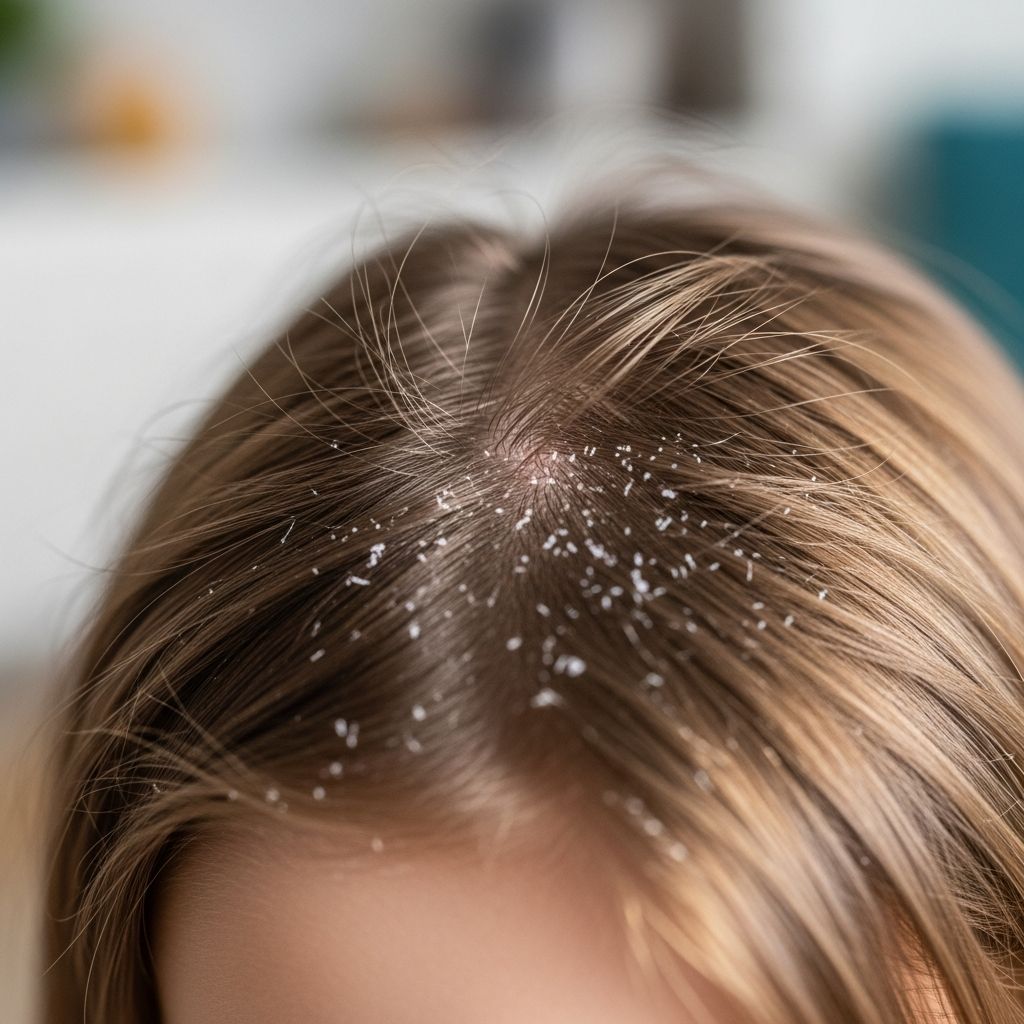
Dandruff is a common scalp condition in which the top layer of skin sheds faster than usual, leading to visible flakes in the hair and on the shoulders. The flakes are usually white or yellow and may be dry, powdery, or slightly oily.
Dandruff itself is not contagious and does not mean a child is dirty. It is simply a sign that the scalp’s natural renewal process is out of balance, often because of oil, mild inflammation, or dryness.
- Typically appears on the scalp but may also be noticed around the hairline or behind the ears.
- Can be associated with mild redness or itching but usually does not cause severe pain.
- May come and go, getting worse at certain times of year or during illness or stress.
Dandruff in Different Age Groups
The appearance and common causes of dandruff vary depending on a child’s age. Understanding these differences helps parents recognize what is likely going on and decide on the right response.
| Age group | Typical appearance | Common causes |
|---|---|---|
| Infants (0–12 months) | Greasy, yellowish or brown scales on the scalp; may form thick crusts. | Often a form of seborrheic dermatitis sometimes called cradle cap; influenced by oil production and immature skin. |
| Young children (1–9 years) | Fine white flakes, mild redness, occasional itching. | Dry scalp, mild scalp irritation, sensitivity to products, or low-grade seborrheic dermatitis. |
| Preteens and teens | More obvious flakes on hair and clothing; itching and redness more noticeable. | Increased oil production with puberty, overgrowth of natural scalp yeast, and stress-related flares. |
Why Do Kids Get Dandruff?
Several overlapping factors contribute to dandruff in babies, children, and adolescents. In most cases, more than one of these is involved at the same time.
- Extra oil on the scalp: Oil (sebum) helps protect the skin, but too much can mix with dead skin cells and create clumps that flake off more visibly.
- Natural yeast on the skin: A type of yeast that normally lives on the scalp can become overactive in oily areas, leading to irritation and faster shedding of skin cells.
- Dryness and weather changes: Cold, dry air or overheated indoor environments can dry the scalp, making flakes more noticeable and sometimes itchy.
- Shampoo habits: Washing too rarely may allow oil and skin cells to build up, while washing too often with harsh products can strip natural oils and trigger dryness.
- Sensitive skin or eczema: Children with sensitive skin, eczema, or allergies may react to fragrances, dyes, or preservatives in hair products, leading to redness and flaking.
- Hormonal shifts in puberty: During preteen and teen years, hormones stimulate the oil glands, which can worsen dandruff in some kids.
Signs and Symptoms Parents Commonly Notice
Dandruff can range from barely noticeable flakes to thick, crusty scales. Paying attention to specific features can help distinguish simple dandruff from other conditions such as head lice, psoriasis, or fungal scalp infections.
- Fine white or yellowish flakes on the scalp, hair, or shoulders.
- Itchy scalp, especially along the part line or behind the ears.
- Areas of mild redness or irritation where the child scratches.
- Greasy-looking patches with scales that stick to the scalp in infants.
Other signs may suggest something more than ordinary dandruff, including circular bald patches, very thick silver-colored scales, swollen or painful areas, or small black dots where hairs have broken off near the scalp. In those cases, medical evaluation is important.
Home Care Basics: Gentle Scalp Routine
For many children, a consistent, gentle scalp-care routine greatly reduces flakes and itching. Parents can start with simple measures and adjust based on how the child’s scalp responds.
Step-by-step care routine
- Choose a mild shampoo: Look for a fragrance-free or lightly scented product labeled for children or sensitive skin. Avoid strong perfumes or heavy conditioning agents if the scalp is already oily.
- Wash regularly but not excessively: For most school-age kids, washing the hair every one to three days is enough. Very infrequent washing can allow buildup, while daily scrubbing with harsh shampoo may increase irritation.
- Massage the scalp gently: Use fingertips, not nails, to work shampoo into the scalp, focusing on areas where flakes collect. A soft baby brush or silicone scalp massager can help loosen scales without scratching.
- Rinse thoroughly: Make sure all shampoo is rinsed out, because leftover residue can irritate sensitive skin and contribute to flaking.
- Pat dry, do not rub: Gently blot hair and scalp with a towel. Vigorous rubbing can further irritate the skin.
Moisturizing and soothing options
- For dry scalps, a small amount of light, pediatrician-approved oil can be applied before shampooing to help soften flakes.
- For oily scalps, avoid heavy oils and thick leave-in conditioners on the roots; focus conditioner on the ends of the hair instead.
- Cool, damp compresses can sometimes help soothe itching without adding products.
Special Considerations for Babies (Cradle Cap–Type Flaking)
In infants, dandruff-like flaking often appears as thicker, waxy or greasy scales that cling to the scalp and sometimes extend to the eyebrows or behind the ears. Many parents find this alarming, but it usually does not bother the baby and often clears on its own over time.
Because a baby’s skin is delicate, extra care is needed to avoid irritation or infection. Peeling or scratching at the crusts with nails can damage the skin underneath, so gentle methods are preferred.
- Softening scales before bathing with a small amount of appropriate oil and then using a baby brush can help lift them.
- Using a mild baby shampoo a few times a week is usually enough; daily shampooing is rarely needed unless recommended by a pediatrician.
- If the skin looks very red, swollen, or starts to ooze, or if the baby seems uncomfortable, medical advice is essential.
When Medicated Shampoos May Help
Some children continue to have noticeable dandruff despite careful washing with gentle products. In those cases, health professionals may recommend or prescribe medicated shampoos designed to target oiliness, yeast, or inflammation on the scalp.
Common active ingredients in medicated shampoos can include antifungal agents, ingredients that slow down skin cell turnover, or substances that help reduce scaling. Parents should always follow the directions provided by their child’s doctor or the product label, especially regarding how often to use these products and how long to leave them on the scalp.
- Medicated shampoos are often used only a few times per week, alternating with a gentle daily shampoo if needed.
- Some formulas are not intended for very young children, so age recommendations and professional guidance are important.
- If redness, burning, or worsening flakes occur after starting a medicated product, use should be stopped and the child’s healthcare provider notified.
Dandruff Versus Other Scalp Problems
Because many scalp conditions cause flaking, parents sometimes mistake dandruff for issues that need very different treatment, such as head lice or a fungal infection. A quick visual comparison of key features can be useful, but diagnosis should always be confirmed by a professional if there is doubt.
| Condition | Typical signs | What makes it different? |
|---|---|---|
| Simple dandruff | Loose white or yellow flakes, mild itching, minimal hair loss. | Flakes brush off easily; no visible bugs or ring-shaped patches. |
| Head lice | Intense itching, tiny white eggs stuck firmly to hair shafts, adult lice moving close to scalp. | Nits do not slide off when brushed; live insects are often seen on inspection. |
| Ringworm of the scalp | Round or irregular bald patches, broken hairs, scaling, sometimes tender or swollen areas. | Caused by a fungus that requires prescription treatment; contagious to others. |
| Psoriasis | Thick, well-defined patches covered with silvery scales, often extending beyond the hairline. | May also appear on elbows, knees, or trunk; often runs in families. |
When to Call a Doctor or Dermatologist
Most mild dandruff improves with careful home care, but some warning signs suggest that a child’s scalp needs professional evaluation. Paying attention to these helps prevent complications and ensures appropriate treatment.
- Dandruff that does not improve after several weeks of regular gentle shampooing and basic home care.
- Very red, swollen, painful, or warm areas on the scalp.
- Oozing, crusting, or a bad smell coming from the affected skin.
- Noticeable hair loss, bald spots, or broken hairs close to the scalp.
- Thick, silver-like scales or flaky patches that extend beyond the hairline onto the face or neck.
- Signs of infection such as fever, or if the child seems very uncomfortable or unwell.
A pediatrician can often make a diagnosis by examining the scalp and asking questions about symptoms and products used. In some situations, a referral to a dermatologist is helpful, especially if the cause is unclear or if specialized treatments are needed.
Practical Tips to Reduce Flakes and Itching
Beyond shampoo choice, small changes in daily habits can make a big difference for a child with dandruff. These measures focus on reducing irritation, keeping the scalp clean but not overly dry, and preventing scratching.
- Encourage children not to scratch, as this can damage the skin and increase the risk of infection.
- Keep fingernails short and clean to reduce skin injury if scratching does occur.
- Avoid very tight hairstyles that pull on the scalp and may worsen irritation.
- Rinse out styling products like gels, sprays, or waxes thoroughly to prevent buildup.
- Use soft pillowcases and change them regularly to keep the scalp environment clean.
- In cold or very dry weather, consider using a humidifier at home to help maintain moisture in the air.
Frequently Asked Questions About Dandruff in Kids
Is dandruff in children caused by poor hygiene?
No. Dandruff is not a sign that a child is dirty. It is usually related to natural oils, mild inflammation, or dryness of the scalp. While very infrequent shampooing can allow buildup of flakes, even children with excellent hygiene can develop dandruff.
Can dandruff spread from one child to another?
Ordinary dandruff is not considered contagious and does not spread through sharing hats, brushes, or pillows. However, other scalp conditions that can look similar, such as certain fungal infections or head lice, are contagious, which is one reason a proper diagnosis matters.
Will my child outgrow dandruff?
Many children experience dandruff only during certain stages of life, such as infancy or early adolescence, and see improvement as their skin and oil glands mature. Some people remain prone to mild dandruff as adults, but it is usually manageable with appropriate products and routines.
Are home remedies safe for my child’s scalp?
Parents sometimes hear about home remedies such as oils, vinegars, or herbal rinses. While certain approaches may be safe in small amounts for older children, others can irritate the skin or cause allergic reactions. It is best to discuss any new remedy with a healthcare professional, especially for babies or children with a history of sensitive skin.
Can diet or stress affect dandruff?
For some older children and teens, periods of high stress, illness, or poor sleep seem to coincide with worsened dandruff, likely because these factors influence skin and immune responses. A generally balanced diet, exercise, and good rest support overall skin health, though they may not completely prevent dandruff on their own.
Helping Kids Feel Confident
Beyond physical discomfort, dandruff can affect a child’s self-esteem, especially when flakes are visible on dark clothing or classmates make comments. Parents can help by staying calm, explaining that dandruff is very common, and involving the child in choosing shampoos or brushes so they feel some control.
- Reassure children that anyone can get dandruff and that it usually improves with the right care.
- Work together to adjust hairstyles, clothing colors, or hair-washing schedules in ways that reduce embarrassment.
- Encourage open conversation so kids feel comfortable mentioning new symptoms or worries about their scalp.
With good information and a bit of patience, most families find a routine that keeps flakes under control and allows children to return their attention to school, play, and all the other parts of growing up.