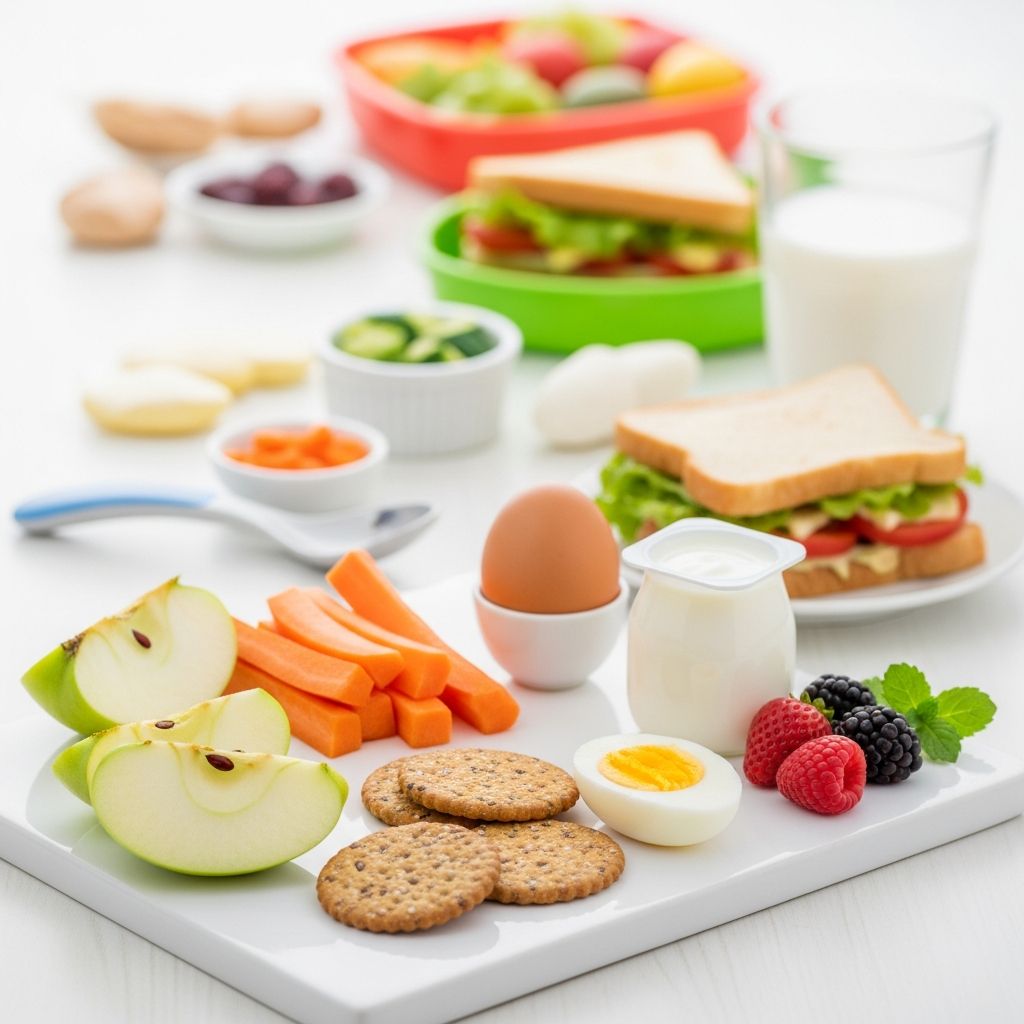
Providing the right amount of nutrition is crucial for children’s physical and cognitive development. Daily requirements vary by age, gender, and activity level, focusing on balanced intake from key food groups like fruits, vegetables, grains, proteins, and dairy. These guidelines help parents create meals that fuel growth without excess.
Why Age-Specific Nutrition Matters for Growing Kids
Children’s nutritional needs evolve rapidly as they grow. Toddlers require calorie-dense foods for quick growth spurts, while teens need more for puberty and sports. Factors like activity level influence totals; active kids may need up to the higher end of ranges. Official guidelines from health authorities ensure kids get essential nutrients like protein for muscles, calcium for bones, and fiber for digestion.
Under-nutrition can stunt growth, while over-reliance on processed foods risks obesity. Balanced plates prevent deficiencies in vitamins and minerals vital for immunity and brain function. Parents should monitor growth charts and consult pediatricians for personalized advice.
Core Food Groups: Building Blocks of a Child’s Diet
A healthy child’s diet emphasizes variety across five main groups, limiting added sugars, saturated fats, and sodium. Here’s a breakdown:
- Fruits: Provide vitamins, fiber, and natural sweetness. Aim for fresh, frozen, or canned in juice (not syrup).
- Vegetables: Key for antioxidants and low calories. Include colorful options like leafy greens, carrots, and broccoli.
- Grains: Prefer whole grains for sustained energy and B vitamins. Examples: oatmeal, brown rice, whole-wheat bread.
- Proteins: Build tissues with lean meats, fish, eggs, beans, nuts, and soy.
- Dairy: Supports bones with calcium; choose low-fat milk, yogurt, cheese, or fortified plant alternatives.
Incorporate healthy oils from avocados, nuts, or olive oil sparingly. Beverages should prioritize water, with limited juice or milk.
Daily Calorie and Serving Guidelines by Age
Caloric needs rise with age and activity. Below are tables summarizing recommendations for girls and boys, adapted from authoritative sources. These are ranges; adjust based on growth and lifestyle.
Toddlers (Ages 2-4 Years)
| Group | Girls (1,000-1,400 cal) | Boys (1,000-1,600 cal) |
|---|---|---|
| Protein | 2-4 oz | 2-5 oz |
| Fruits | 1-1.5 cups | 1-1.5 cups |
| Vegetables | 1-1.5 cups | 1-2 cups |
| Grains | 3-5 oz | 3-5 oz |
| Dairy | 2-2.5 cups | 2-2.5 cups |
At this stage, focus on small, frequent meals to match tiny stomachs. An infant proxy is 80-100 kcal/kg body weight.
Young Children (Ages 5-8 Years)
| Group | Girls (1,200-1,800 cal) | Boys (1,200-2,000 cal) |
|---|---|---|
| Protein | 3-5 oz | 3-5.5 oz |
| Fruits | 1-1.5 cups | 1-2 cups |
| Vegetables | 1.5-2.5 cups | 1.5-2.5 cups |
| Grains | 4-6 oz | 4-6 oz |
| Dairy | 2.5 cups | 2.5 cups |
School-age kids burn more energy; emphasize veggies and proteins. Fiber goal: age + 5 grams daily.
Pre-Teens (Ages 9-13 Years)
| Group | Girls (1,400-2,200 cal) | Boys (1,600-2,600 cal) |
|---|---|---|
| Protein | 4-6 oz | 5-6.5 oz |
| Fruits | 1.5-2 cups | 1.5-2 cups |
| Vegetables | 1.5-3 cups | 2-3.5 cups |
| Grains | 5-7 oz | 5-9 oz |
| Dairy | 3 cups | 3 cups |
Growth spurts demand 1,800-2,200 kcal for 11-12 year-olds; prioritize complex carbs (50-55% calories).
Teens (Ages 14-18 Years)
| Group | Girls (1,800-2,400 cal) | Boys (2,000-3,200 cal) |
|---|---|---|
| Protein | 5-6.5 oz | 5.5-7 oz |
| Fruits | 1.5-2 cups | 2-2.5 cups |
| Vegetables | 2.5-3 cups | 2.5-4 cups |
| Grains | 6-8 oz | 6-10 oz |
| Dairy | 3 cups | 3 cups |
Adolescents, especially athletes, hit peak needs. Limit simple sugars to 5-10% calories.
Hydration: Essential for Young Bodies
Water intake matches growth: 100 ml/kg for 3.5-10 kg kids, scaling down per formulas. A 25 kg child needs ~1,600 ml/day. Plain water is best; high-income kids often meet needs better. Avoid sugary drinks.
Practical Meal Ideas to Meet Daily Targets
Make nutrition fun:
- Breakfast: Oatmeal with berries (grains + fruit), yogurt side (dairy).
- Lunch: Turkey wrap on whole wheat (protein + grains), carrot sticks + hummus (veggies + protein).
- Dinner: Grilled chicken, quinoa, broccoli (protein, grains, veggies), milk.
- Snacks: Apple slices with peanut butter, cheese sticks.
Portion visually: half plate veggies/fruits, quarter protein, quarter grains.
Common Pitfalls and How to Avoid Them
Watch for picky eating, screen distractions, or junk food traps. Involve kids in cooking, offer choices, and model healthy habits. Limit caffeine post-5 years. Track via apps or charts; seek dietitian if concerns arise.
Frequently Asked Questions
What if my child is very active?
Increase to upper calorie ranges and add protein/carbs. Consult a doctor for tailored plans.
Can plant-based foods replace dairy?
Yes, fortified soy milk counts; ensure calcium/vitamin D.
How much water daily?
Follow formulas like 100 ml/kg initially, adjusting for age/activity.
What about snacks?
1-2 per day from food groups, like nuts or fruit, to bridge meals.
Signs of poor nutrition?
Fatigue, slow growth, frequent illness—check with pediatrician.
References
- Nutrition for kids: Guidelines for a healthy diet — Mayo Clinic. 2023-10-15. https://www.mayoclinic.org/healthy-lifestyle/childrens-health/in-depth/nutrition-for-kids/art-20049335
- Nutrition and Hydration Requirements In Children and Adults — NCBI Bookshelf. 2023-05-01. https://www.ncbi.nlm.nih.gov/books/NBK562207/
- Childhood Nutrition Facts — Centers for Disease Control and Prevention (CDC). 2024-02-20. https://www.cdc.gov/school-nutrition/facts/index.html
- New dietary guidelines include AAP recommendations — American Academy of Pediatrics (AAP). 2024-01-10. https://publications.aap.org/aapnews/news/34132/New-dietary-guidelines-include-AAP-recommendations
- Nutrition Information for Kids — MyPlate.gov (USDA). 2023-11-05. https://www.myplate.gov/life-stages/kids