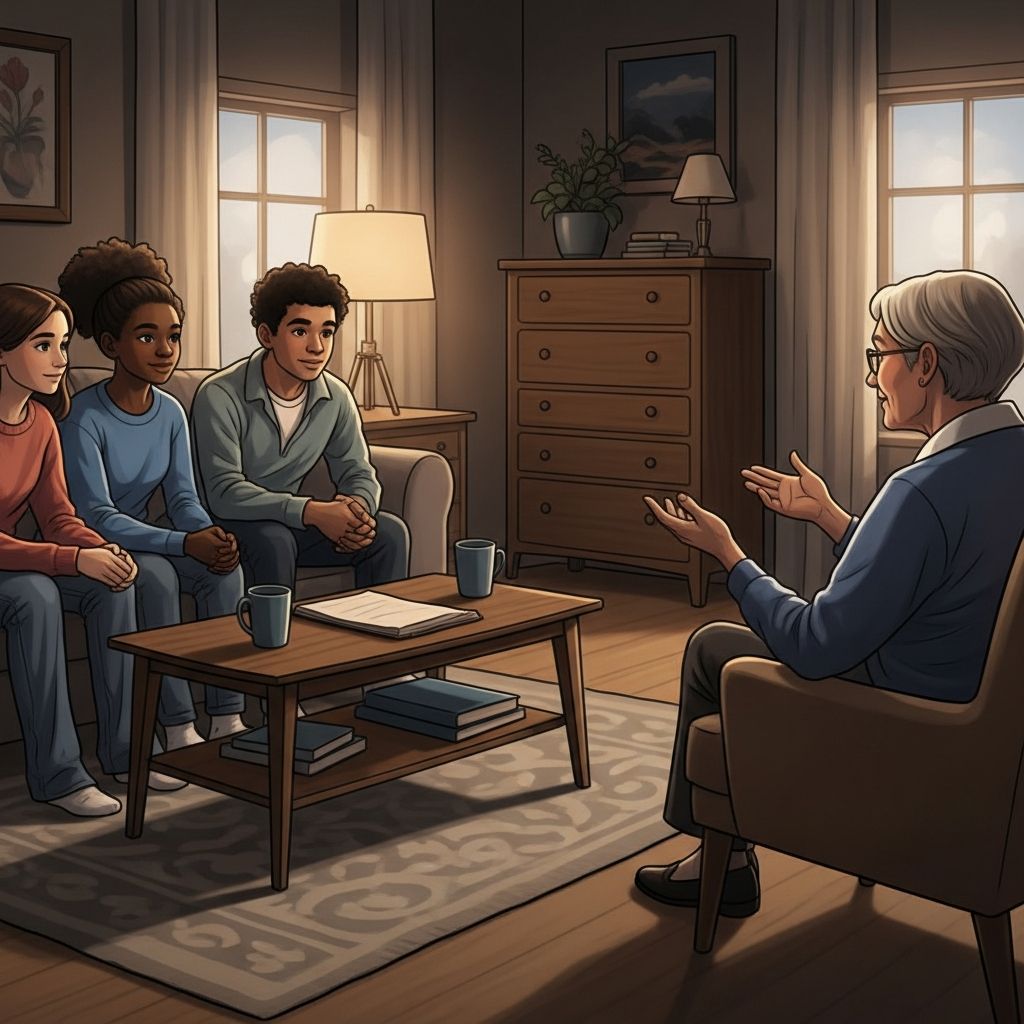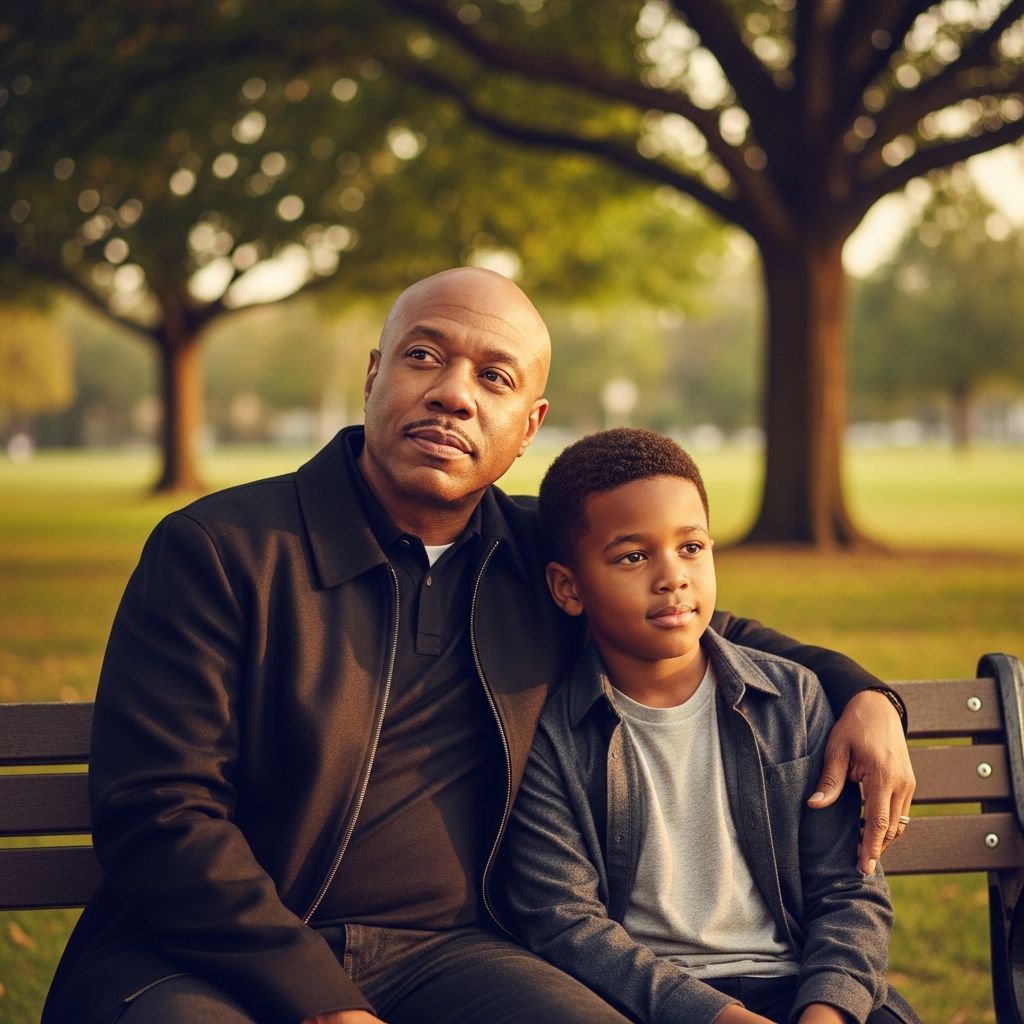
D.L. Hughley has spoken publicly about parenting a son on the autism spectrum and how that experience is shaped by the realities of raising a Black boy in America. His reflections illuminate the intersection of racism, disability, and fatherhood and resonate with many families who share similar fears and hopes.
Who Is D.L. Hughley and Who Is His Son?
Darryl Lynn “D.L.” Hughley is a well-known American comedian, actor, and radio host who rose to prominence as one of the Original Kings of Comedy and later hosted his own sitcom, “The Hughleys.” He is also a political commentator who frequently discusses race, policing, and social justice in the United States. [web:3]
Hughley and his wife LaDonna have three children: two daughters, Ryan and Tyler, and a son, Kyle. He has spoken in interviews and on stage about Kyle’s diagnosis on the autism spectrum, sometimes historically described as Asperger syndrome, and about how that diagnosis has shaped the family’s journey. [web:3]
The Unique Fear of Raising a Black Autistic Son
In televised conversations about love and marriage, Hughley has described a specific fear: that behaviors labeled as “defiant” in his autistic son could be misread as threatening when viewed through the lens of racism. He has said that defiance is often what gets young Black men killed, particularly in encounters with law enforcement or authority figures. [web:2]
Hughley has connected this fear to broader statistics about Black men in the criminal legal system, noting how many incarcerated men also have learning disabilities or unaddressed neurodevelopmental differences. He worries that what might look quirky or harmless to one audience could be perceived as dangerous or noncompliant by another, with life-and-death consequences for his son. [web:2]
Defiance, Disability, and Dangerous Misunderstandings
Autistic traits such as difficulty with eye contact, delayed processing of verbal commands, sensory overload, or rigid routines can easily be misinterpreted as intentional defiance or disrespect. For Black boys, these misunderstandings occur against a backdrop of racial profiling and stereotyping that already casts them as older, larger, or more threatening than they are. [web:2]
Hughley has explained that being told his son was “defiant” raised red flags because he knew how quickly that label can turn into punishment or violence for Black youth. He recognized that his son’s neurology, rather than bad behavior, might be driving actions adults found challenging, but he also knew that strangers and officers might not give him the benefit of the doubt. [web:2]
Parenting Styles: Protection Versus Preparation
Hughley has spoken movingly about tension in his family between wanting to shield his son and needing to prepare him for a harsh world. He has described himself at times as the parent pushing Kyle to “get in the game” and learn to cope, while also admitting that he feared failing to equip his son for a society that would not recognize his disability. [web:2]
He has also acknowledged deep guilt over the possibility that if he failed to prepare his son, the consequences could be fatal. When he compares his son’s vulnerability to that of his daughters, he often emphasizes that Black boys experience a different level of scrutiny and danger, especially in encounters with police. [web:2]
Race, Autism, and Policing
Hughley frequently situates his personal fears within a broader critique of how Black communities and people with disabilities are treated by law enforcement. He points to cases in which autistic or otherwise disabled Black men and boys were hurt or killed because officers misread their behavior, saw defiance instead of confusion, or escalated quickly instead of de-escalating. [web:2]
He argues that conventional advice parents give their kids—such as keeping hands visible, speaking politely, and following instructions immediately—is often not enough to protect Black boys, and can be even less realistic for those with autism who may struggle with rapid compliance in high-stress situations. [web:2]
Key Concerns for Families
- Autistic traits like delayed responses can be mistaken for noncompliance.
- Racial stereotypes may cause officers or authority figures to perceive greater threat.
- Standard safety scripts do not always account for sensory overload or communication differences.
Emotional Burden and Parental Guilt
Hughley has admitted that for a long time he felt he was failing his son by not doing enough to prepare him for a world that would not see him as vulnerable or neurodivergent. He has said he was “scared to death” that if he failed his son, his son could die, articulating a form of parental guilt that many caregivers of disabled Black children recognize. [web:2]
This emotional burden is compounded by the fact that Black parents often have to manage their children’s medical and educational needs while also teaching them about racism, profiling, and the possibility of violent encounters, all at much younger ages than many white families. [web:2]
Public Commentary on Racism Toward Black Children
Beyond his own family, Hughley often responds to high-profile incidents involving racism toward Black children. In one recent case, he condemned a white mother who called a five-year-old autistic Black boy a slur during a playground dispute, then raised hundreds of thousands of dollars online by presenting herself as a victim once her actions went viral. [web:1]
Hughley criticized both the woman’s behavior and the crowdfunding platform that allowed her to profit from targeting a Black child with racist language. He argued that this episode exposed a country where people hesitate to fund basic needs for vulnerable children but will donate generously to adults who harm them and then claim persecution. [web:1]
| Situation | Child’s Status | Public Financial Response |
|---|---|---|
| Black autistic child called a slur | Victim of racist verbal attack | Limited direct support for the child; national sympathy but little organized aid. [web:1] |
| Adult who used the slur launches fundraiser | Perpetrator portraying herself as a victim | Raised over $600,000 on a Christian fundraising platform. [web:1] |
What Black Parents of Autistic Children Often Face
Hughley’s story highlights several challenges that many Black parents of autistic children report: later diagnoses, fewer support services, and more frequent discipline in school instead of accommodation. These parents must advocate fiercely to ensure teachers and administrators understand that behaviors linked to autism are not willful disobedience. [web:2]
At the same time, they must coach their children on how to survive in a world that may not recognize or respect their disabilities. This double burden—managing racism and disability at once—can be exhausting but also builds communities of advocacy, faith-based support, and mutual aid among families. [web:2]
Common Parental Strategies
- Creating detailed safety plans for interactions with police or security personnel.
- Educating teachers and peers about autism and racial bias.
- Connecting with therapists and advocates who understand cultural context.
- Encouraging self-advocacy skills as children grow older.
Hughley’s Growth as a Father
Over the years, Hughley has described a journey from fear and confusion to greater understanding of his son’s needs and strengths. He has confessed that he once felt he was failing Kyle by not knowing how to prepare him, but later came to see that meeting his son where he is—while still teaching survival skills—is a powerful form of love. [web:2]
Hughley has also shared that he eventually reached a place where he felt more confident that if something happened to him, his son would be able to navigate the world with the tools and resilience the family helped him build. This sense of cautious hope balances the fear that has long hovered over his reflections on fatherhood. [web:2]
Lessons for All Parents and Caregivers
Although Hughley’s story is rooted in his identity as a Black father of a son with autism, many of the themes apply broadly. Parents of neurodivergent children in any community grapple with questions of safety, independence, and when to push versus when to protect, even if they do not face the same racialized risks. [web:2]
His willingness to talk candidly about fear, guilt, and learning in public offers a model for families who need language to describe their own worries. It also challenges schools, health-care systems, churches, and law-enforcement institutions to adapt their practices to protect, rather than endanger, Black neurodivergent youth. [web:2]
Frequently Asked Questions
Who is D.L. Hughley’s son and what is his diagnosis?
D.L. Hughley’s son is named Kyle, and he has been described in public interviews as being on the autism spectrum, historically referenced as having Asperger syndrome. Hughley has often incorporated his experiences raising Kyle into his conversations about love, family, and race. [web:3]
Why does Hughley focus so much on the idea of “defiance”?
Hughley has said that when authority figures labeled his son “defiant,” he heard a dangerous code word because defiance is frequently cited in violent encounters between police and young Black men. Knowing his son’s behavior was connected to autism, he feared that strangers would misread it and respond with force. [web:2]
How does race make autism safety planning different?
For Black families, autism safety planning often includes explicit conversations about racism, profiling, and how to handle police stops or school discipline. Parents worry that their child may not be given time or understanding to process instructions, making it more likely that a misunderstanding escalates. [web:2]
Has D.L. Hughley spoken about other family struggles?
Yes. Hughley has also publicly discussed the loss of a child conceived outside his marriage and other painful parts of his personal history, using them to explore themes of responsibility, grief, and redemption. These disclosures further underline his commitment to being transparent about the difficulties of fatherhood. [web:3][web:5]
What can institutions do to better support Black autistic children?
Schools and police departments can invest in training that addresses both disability and racial bias, adopt de-escalation protocols that allow for slower processing, and work closely with families to create individualized safety plans. Health and social-service providers can also partner with community leaders to ensure culturally competent care. [web:2]
Final Thoughts
D.L. Hughley’s experiences as a Black father raising an autistic son show how deeply intertwined race and disability can be in everyday life. His story urges parents, professionals, and institutions to recognize that safety, understanding, and dignity for Black neurodivergent children require both personal compassion and systemic change. [web:2]