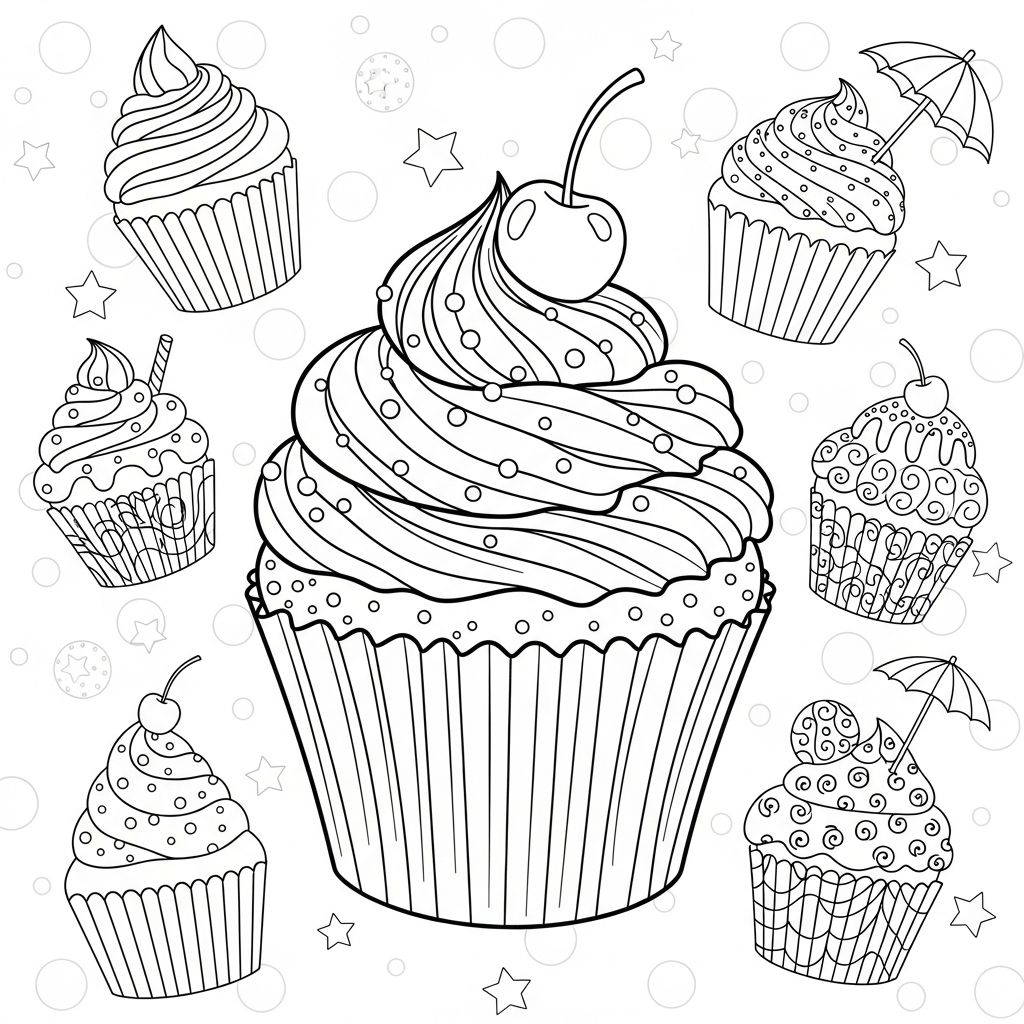
Cupcake coloring pages are more than cute pictures on paper. They offer a simple, low-cost way to entertain kids, encourage creativity, and even help adults relax after a busy day. With the right approach, a stack of cupcake printables can become a full afternoon of art, learning, and family bonding.
Why Cupcake Coloring Pages Are So Popular
Coloring cupcakes combines two things many children love: treats and art. The familiar cupcake shape makes kids feel comfortable, while endless frosting styles, sprinkles, and toppings invite imagination and personal expression.
- They are easy to recognize and fun to customize.
- They work well for many ages, from toddlers to teens.
- They can be used for holidays, birthdays, or everyday playtime.
Unlike more complex scenes, cupcake outlines can be simple or detailed, making it easy to choose designs that match the age and skill level of the person coloring.
Benefits for Kids: More Than Just a Fun Activity
Cupcake coloring pages provide important developmental benefits while still feeling like pure fun. Many parents are surprised at how much learning can happen around a simple coloring sheet.
- Fine motor skill practice: Holding crayons or colored pencils, staying inside the lines, and filling small details all strengthen hand muscles and coordination.
- Color recognition and matching: Children can learn color names, experiment with combinations, and notice how colors look together.
- Early math and patterns: Repeating sprinkle colors, stripes on cupcake wrappers, or symmetrical designs introduce basic pattern concepts.
- Language and storytelling: As kids color, they can tell stories about who will eat the cupcake, what flavor it is, or what occasion it celebrates.
When caregivers join in and ask questions, coloring can quickly turn into a conversation-rich learning moment about flavors, shapes, numbers, and even emotions.
Relaxation and Mindfulness for All Ages
Cupcake coloring pages are not just for kids. Adults often use themed coloring sheets as a simple form of stress relief. The repetitive motion of coloring and the focus on small details can have a calming effect.
- Coloring slows down a busy mind and encourages being present in the moment.
- The playful cupcake theme feels light, cheerful, and low-pressure.
- Coloring alongside children can create quiet, shared time without screens or noise.
Teens and adults may enjoy more intricate cupcake designs featuring detailed frosting patterns, complex backgrounds, or decorative wrappers.
Choosing the Right Cupcake Coloring Pages
Not all cupcake printables are the same. Choosing designs that match your child’s age and interests makes the activity more enjoyable and less frustrating.
| Age Group | Best Page Style | Key Features to Look For |
|---|---|---|
| Toddlers (2–3) | Very simple cupcakes | Thick outlines, large frosting areas, minimal details |
| Preschool (3–5) | Cute faces and bold shapes | Smiles, hearts, stars, basic sprinkles, a few toppings |
| Early Elementary (6–8) | Themed or seasonal cupcakes | Holiday themes, small decorations, simple backgrounds |
| Older Kids & Tweens | Detailed designs | Swirled frosting, patterns on wrappers, multiple cupcakes |
| Teens & Adults | Intricate or patterned cupcakes | Mandala-style frosting, complex backgrounds, shading opportunities |
Print a small variety at first and see which style your child naturally prefers. Some children love cute faces, while others enjoy realistic bakery-style designs.
Creative Ways to Use Cupcake Coloring Pages
These pages are flexible and can easily become part of larger crafts and games. Instead of coloring and tossing them out, try turning them into keepsakes and decorations.
- Color-and-cut crafts: After coloring, cut out the cupcakes and glue them onto construction paper to create greeting cards, party invitations, or pretend menus.
- Cupcake garland: String several colored cupcake cutouts together with ribbon or yarn and hang them as a banner across a wall or doorway.
- Story posters: Ask kids to draw a simple background around the cupcake and add a short sentence or caption about the “adventure” of that dessert.
- Learning charts: Use different colored cupcakes to represent chores, reading minutes, or homework tasks on a reward chart.
Reusing finished pages in creative ways helps children feel proud of their work and shows that their art has value.
Turning Coloring Time Into Learning Time
With a little planning, cupcake coloring can reinforce academic skills without feeling like schoolwork. Simple questions and prompts during coloring make a big difference.
- Practice counting by asking, “How many sprinkles did you draw?” or “How many cupcakes are on your page?”
- Introduce fractions by talking about half a cupcake, or splitting toppings between two cupcakes.
- Support early writing by having kids label their cupcakes with flavor names, colors, or the name of the person who will “eat” it.
- Build vocabulary with words like “frosting,” “wrapper,” “topping,” “swirl,” and “layer.”
Pairing coloring with brief discussions keeps children engaged and gently connects fun activities to school subjects like math and language arts.
Simple Step-by-Step Coloring Ideas
Some children enjoy a bit of structure. Offering a loose step-by-step approach can help kids who feel overwhelmed by a blank design or unsure where to start.
- Step 1: Pick a flavor. Ask, “What kind of cupcake is this?” Have your child decide on a flavor first—chocolate, vanilla, strawberry, mint, or even a made-up flavor.
- Step 2: Color the wrapper. Suggest stripes, polka dots, or zigzags on the wrapper to make it stand out.
- Step 3: Add frosting color. Encourage using more than one color for swirls or layers and experimenting with light and dark shades.
- Step 4: Decorate with toppings. Draw sprinkles, fruit, candy pieces, or little hearts on top.
- Step 5: Finish the background. Add confetti, balloons, stars, or a simple table to ground the cupcake.
This loose sequence shows kids how to build up a complete picture and teaches them to plan their artwork.
Fun Themes and Variations to Try
Giving cupcakes a theme makes coloring sessions feel fresh and exciting. Themes also make it easier to connect the pages to seasons, holidays, or special events.
- Holiday cupcakes: Think red and green for winter holidays, orange and black for spooky themes, or pastel colors for spring celebrations.
- Animal cupcakes: Add ears, whiskers, or little paws to create cat, dog, or bunny cupcakes.
- Space cupcakes: Decorate with stars, planets, or rocket shapes for a cosmic dessert.
- Rainbow cupcakes: Use every color in the crayon box to make multi-layered frosting and colorful wrappers.
- Emotion cupcakes: Draw different facial expressions—happy, surprised, sleepy—to explore feelings through art.
These variations are easy to try on any basic cupcake outline and work well for groups, classrooms, or themed parties.
Using Cupcake Coloring Pages at Parties
Cupcake coloring sheets are a low-mess, low-cost activity that fits seamlessly into birthday parties and playdates. They give kids something calm to do between more active games.
- Set up a “coloring station” with printed cupcake pages, crayons, markers, and stickers.
- Use the finished artwork as placemats at the snack table or as take-home souvenirs.
- Hold a friendly “design a cupcake” contest and let everyone vote on silliest, most colorful, or most realistic designs.
Pairing real cupcakes with the coloring activity—like decorating plain cupcakes with sprinkles after coloring—creates a memorable, hands-on experience.
Classroom Ideas for Teachers
Teachers can use cupcake coloring pages to support lessons across multiple subjects. Because cupcakes feel playful, students often engage with the work more enthusiastically.
- Math centers: Write simple math problems on each cupcake wrapper and have students solve them before coloring.
- Writing prompts: Ask students to write a short paragraph describing their cupcake, who it is for, and why they chose those colors.
- Art techniques: Use cupcakes to practice shading, blending colors, or adding patterns and textures.
- Class displays: Create a bulletin board bakery featuring all students’ finished cupcake art.
Because the basic shape remains the same, cupcake sheets also work well for differentiating by level—simpler tasks for younger students, more advanced tasks for older ones, all using similar pages.
Materials That Work Best
The tools children use to color can change the look and feel of the finished cupcake. Offering a few different options encourages experimentation and creative confidence.
- Crayons: Great for young children; durable, easy to hold, and forgiving if used with pressure.
- Colored pencils: Ideal for older kids and adults who want finer details or shading.
- Washable markers: Provide bold, vibrant color; choose washable types, especially for group settings.
- Gel pens or glitter pens: Fun for adding sparkle to frosting and sprinkles.
Keep scrap paper nearby for testing colors before using them on the cupcake page, and consider using slightly thicker paper if kids will be layering lots of color or using markers.
Storing and Showing Off Finished Art
Instead of letting completed cupcake pages pile up or get thrown away, consider turning them into a simple collection or display. This gives kids a sense of pride in their efforts.
- Put finished pages into a three-ring binder with plastic sleeves to make a personal “cupcake art album.”
- Rotate a few favorite pieces on the fridge or a designated art wall.
- Photograph or scan pages before recycling them to create a digital gallery you can revisit later.
Displaying children’s work, even temporarily, sends a powerful message that their creativity and time matter.
Frequently Asked Questions
Are cupcake coloring pages suitable for toddlers?
Yes, as long as you choose very simple designs with large shapes and thick outlines. Avoid tiny toppings and detailed backgrounds for the youngest children, and always supervise to keep crayons and paper safe.
How can I make cupcake coloring pages more challenging for older kids?
Offer pages with multiple cupcakes, detailed frosting swirls, or patterned backgrounds. Encourage older children to add their own decorations, experiment with shading, and design entire scenes rather than just coloring the cupcake itself.
Can coloring cupcakes actually help my child learn?
Coloring supports fine motor skills, color recognition, and focus. When paired with simple questions, counting activities, or short writing prompts, cupcake pages can also reinforce early math, reading, and vocabulary skills.
What is the best way to organize a cupcake coloring activity at a party?
Set up a dedicated table with a variety of cupcake pages, plenty of coloring tools, and some stickers or glitter glue if you are comfortable with a bit of mess. Give each child a place to display their finished cupcake, such as a “party bakery” wall or a spot at the snack table.
Do adults really enjoy cupcake coloring pages?
Many adults find themed coloring pages relaxing, and cupcakes offer a playful, nostalgic subject. Intricate cupcake designs with complex frosting patterns and backgrounds can provide the right level of detail for stress relief and quiet creative time.