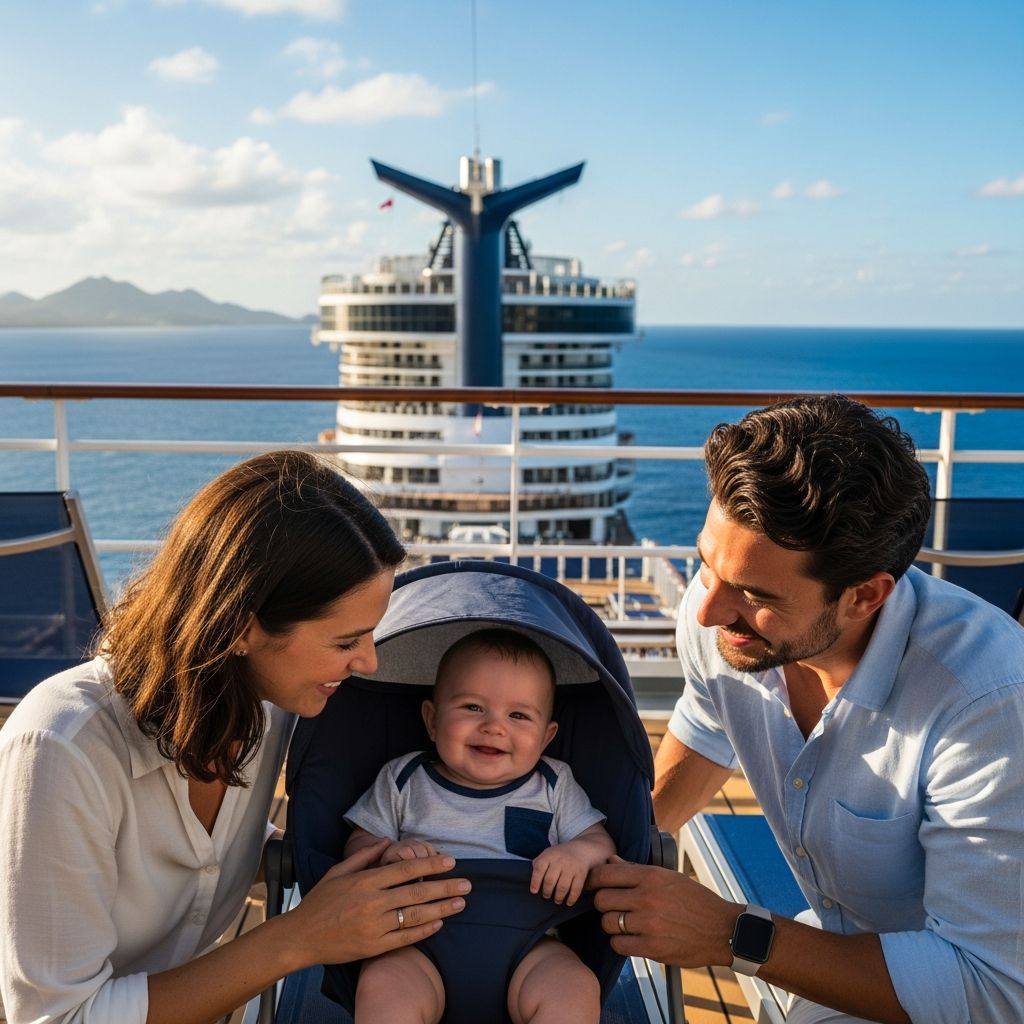
Cruising with a baby on a ship like the MSC Seaview can be a fun and manageable adventure when you understand the rules, prepare your gear, and plan your days with your infant’s needs in mind. This guide walks through the same major topics parents typically look for: cruise-line infant policies, packing lists, sleep and noise issues, strollers and carriers, life on board, shore excursions, and practical safety and comfort tips.
Why Consider a Cruise With a Baby?
For many families, a cruise is one of the easiest ways to combine travel, relaxation, and childcare needs in a single, contained environment. Your cabin becomes a familiar base, meals and activities are centralized, and you can return to the room quickly whenever naps, feeds, or meltdowns happen.
Ships like the MSC Seaview often provide family-friendly facilities, kid-oriented areas, and services that make traveling with an infant less intimidating than moving between multiple hotels or cities on land-based trips.
1. Check the Cruise Line’s Infant Policy
Before you fall in love with a particular itinerary or ship, confirm that your baby actually meets the age and health requirements for that sailing. Cruise lines routinely enforce minimum ages, often higher for longer or more remote routes, and may require additional documentation for very young children.
Age Restrictions and Itinerary Rules
- Most large cruise lines set a minimum age of around 6 months for standard itineraries.
- For longer or more remote sailings, such as transoceanic crossings or routes with many consecutive sea days, the minimum age for infants is often higher (commonly around 12 months).
- Specific ships and sailings may apply slightly different rules, so always double-check the exact cruise you are booking rather than assuming generic policies.
Medical and Documentation Considerations
Some cruise lines may ask for a letter from a pediatrician stating that your baby is “fit to travel,” especially if the child is very young, has a health condition, or is close to the minimum age. You will also need proper travel documents such as passports and, when relevant, parental consent letters for children traveling with one parent or guardians.
Reading the fine print about infant fares, port taxes, and cabin occupancy rules will help avoid last-minute surprises at check-in or additional charges added after booking.
2. Plan for Noise: Bring Earmuffs and Sleep Aids
Ships can be louder than many parents expect, especially during evening shows, deck parties, or announcements. Protecting your baby from sudden noise and helping them sleep through unfamiliar sounds will make the cruise more pleasant for the whole family.
Why Baby Earmuffs Help
- They protect delicate ears from loud music, crowds, and unexpected announcements over the ship’s speakers.
- They can make main shows or deck events more accessible, allowing parents to enjoy entertainment while the baby rests or stays calm.
- They are especially useful in ports during excursions with traffic, live music, or busy markets.
Supporting Better Sleep in a Noisy Environment
Many families pack portable white-noise machines or apps to mask hallway traffic, closing doors, and engine noise. Blackout curtains, sleep sacks, and familiar bedtime items (like a favorite blanket or soft toy) also help recreate your baby’s home sleep environment in the cabin.
If you are worried about disturbing neighbors with night wakings, consider requesting a cabin away from elevators and bars or using soft earplugs or white-noise machines for adults in adjacent rooms.
3. Bring a Travel System: Stroller and Car Seat
A travel system that combines a lightweight stroller and a compatible infant car seat can be invaluable both on the ship and in port. It gives you flexibility if you use taxis, private tours, or any transport that requires a car seat, while also making longer walks more comfortable.
Choosing the Right Stroller for a Cruise
- Go as compact as possible so it fits easily through cabin doors and in tight hallways.
- Prefer strollers that fold quickly and can stand upright when folded, making them easier to store in corners or closets.
- Look for strong brakes and a sun canopy, since you may spend time on open decks with wind and bright sun.
Car Seat Considerations On and Off the Ship
If you plan to ride in taxis or cars during excursions, bringing an infant car seat greatly improves safety, especially in countries where car seats are not commonly provided. Some parents choose compact car seats specifically for travel to avoid damaging their main one.
You can sometimes strap the car seat into the stroller frame for an easy travel system, then park it in your cabin or use it as a safe nap spot during quieter times when the ship is sailing.
4. Think Through Sleep, Cribs, and Cabin Setup
One of the biggest concerns when cruising with a baby is where and how the child will sleep. Most large cruise lines offer some form of portable crib on request, but supplies are limited, so parents should plan early and consider backup options.
Crib and Bed Options
- Request a travel crib or pack-and-play from the cruise line as soon as you book, and confirm the request closer to sailing.
- Some families co-sleep, but cabin beds can be high and narrow, so safety precautions are essential if you choose this route.
- If you have space and prefer consistency, you can bring your own compact travel crib, though this adds to your luggage.
Creating a Calm Sleep Space in a Small Cabin
Use whatever layout your cabin allows to create a slightly separate sleep area for the baby, such as putting the crib near the bathroom wall or using furniture to visually divide the space. Some parents improvise a “room within a room” with portable blackout shades or even large scarves hung safely without damaging the cabin.
Keep nighttime routines as close to home as possible: same pajamas, stories, songs, and feeding pattern. The familiarity can help your baby adapt more quickly to the new environment.
5. Pack Smart: Essentials for Cruising With a Baby
Unlike land vacations where you can easily run to a pharmacy, ships and ports may not have the baby-specific brands, sizes, or products you prefer. Packing strategically is one of the main keys to a low-stress family cruise.
Core Baby Essentials to Bring
- Diapers and wipes for the entire trip, plus extra for delays.
- Diaper rash cream, baby-safe sunscreen, and gentle baby wash.
- Bottles, nipples, cleaning brushes, a small bottle of dish soap, and any sterilizing equipment you use at home.
- Formula or pumped milk supplies if needed, along with insulated bags or coolers.
- A small medical kit with infant pain reliever (per pediatrician guidance), digital thermometer, saline spray, and nasal aspirator.
Clothing, Gear, and Comfort Items
Pack layers, as ship interiors can be cool while outdoor decks and ports may be hot and sunny. Include hats, swimsuits approved for babies, cover-ups, and a warm outfit for chilly evenings or air-conditioned spaces.
Do not forget comfort items such as pacifiers, loveys, or favorite toys, as well as simple entertainment like board books, rattles, or small stacking toys that work in tight cabin spaces and at the dining table.
Sample Cruise Baby Packing Table
| Category | Items |
|---|---|
| Feeding | Bottles, formula or milk, bibs, spoons, sterilizer or microwave bags |
| Diapering | Diapers, wipes, cream, portable changing mat, disposable bags |
| Sleep | Sleep sacks, pajamas, white-noise device, baby monitor (if allowed) |
| Health & Safety | Thermometer, infant medications (as directed by doctor), sunscreen, sunhat |
| Gear | Travel stroller, carrier or sling, car seat (if using cars in port) |
6. Life On Board With a Baby
Once on the ship, daily life revolves around naps, meals, and exploring the ship at a pace your baby can handle. Larger ships often have family-friendly spaces and kids’ clubs, although babies under a certain age typically cannot use drop-off care and may be welcome only during designated family times.
Making Use of Ship Facilities
- Look for quiet lounges, libraries, or observation areas where you can sit with a stroller or baby carrier away from crowds.
- Explore outdoor decks early in the day for fresh air and calmer surroundings before pool music and peak activity times start.
- Check daily schedules for family activities that allow infants, such as shows with lower volume or open play spaces.
Dining With a Baby
Flexible dining options help when traveling with an infant. Many ships offer buffets, casual venues, and main dining rooms where high chairs are available and staff are accustomed to helping families settle in quickly.
Consider earlier dinner times to avoid lines and overtired babies, and bring small snacks or toys so your child has something to do while adults order and eat.
7. Shore Excursions and Safety Considerations
Ports can be highlights of a cruise, but they require extra planning with a baby. The combination of unfamiliar transportation, weather, and crowds means you should choose excursions and onshore activities that align with your infant’s schedule and tolerance.
Choosing Baby-Friendly Excursions
- Prefer shorter excursions that allow you to return to the ship before naps or meals.
- Consider walking tours near the port rather than long bus rides, especially if you are not bringing a car seat.
- Look for itineraries that highlight parks, promenade areas, or gentle sightseeing rather than intense, all-day adventures.
Health, Hygiene, and Sun Protection
In hot or sunny ports, keep your baby shaded with hats, canopies, and breathable covers, and use baby-appropriate sunscreen as recommended by your pediatrician. Watch for signs of overheating, like flushed skin or fussiness, and seek air-conditioned rest stops when needed.
Carry hand sanitizer and wipes, and clean your own hands often before feeding or handling pacifiers and toys. If your baby is prone to putting everything in their mouth, be especially mindful in busy public areas and on local transport.
Bonus Tips for a Smooth Cruise With a Baby
Beyond the major planning decisions, small strategies can dramatically reduce stress and help everyone enjoy the trip more. Thinking ahead about transitions, downtime, and expectations sets a realistic tone for the voyage.
Manage Expectations and Build in Downtime
- Accept that you may not attend every late-night show or excursion and prioritize a few key activities instead.
- Use nap times to rest yourself rather than trying to fill every quiet moment with more plans.
- Share responsibilities between adults so each person gets occasional solo time or couple time when possible.
Communicate With Crew and Other Guests
Crew members are often very supportive of families and can help with seating, heating baby food, or suggesting quieter areas at busy times. Let your cabin attendant know about nap schedules so they can time housekeeping visits around your baby’s routine when possible.
Being courteous and proactive—such as stepping out during a loud cry or choosing seats with easy exits—helps maintain good will with fellow cruisers and reduces your own stress about bothering others.
Frequently Asked Questions About Cruising With a Baby
How old should a baby be to go on a cruise?
Most mainstream cruise lines require babies to be at least several months old, with higher minimum ages on longer or more remote itineraries. Always check your specific sailing’s policy, including any special rules for multiple consecutive days at sea.
Can babies use cruise ship pools?
On many ships, babies who are not fully toilet-trained are not allowed in main swimming pools for health and safety reasons. Some vessels offer splash areas or designated zones for little ones, but policies vary, so confirm before you sail.
Do cruise ships provide baby food and diapers?
Some lines offer limited baby food, but availability and brands are not guaranteed, and diapers and wipes on board can be expensive or sold in very small packs. Parents are usually happier bringing enough trusted supplies from home for the entire trip.
Is babysitting or nursery care available for infants?
Cruise-line childcare options vary widely; some offer nurseries or paid babysitting for babies and toddlers, while others provide services only for older children. If childcare access is important, verify age limits, hours, and reservation requirements before booking.
What is the best type of cabin when traveling with a baby?
Families often prefer cabins with a bit more space or a balcony, which provides fresh air and somewhere for adults to relax while the baby sleeps. Location matters too: choosing a quieter area away from late-night venues can help protect your infant’s sleep.
Cruising with a baby on a ship like the MSC Seaview requires more planning than an adults-only trip, but with attention to infant policies, smart packing, thoughtful sleep arrangements, and realistic expectations, it can be a memorable and enjoyable family vacation.