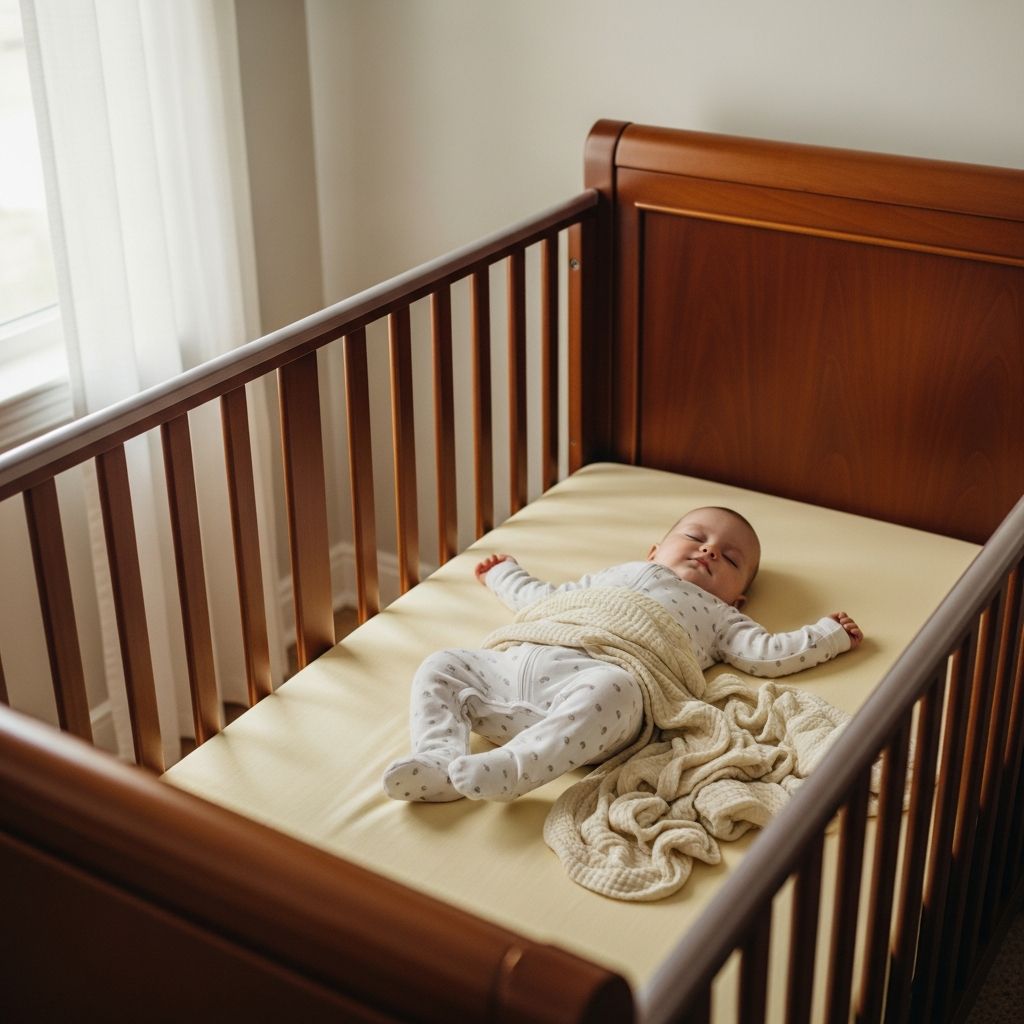
Crib sleeping stands out as a cornerstone of safe infant rest, providing a dedicated space that prioritizes security, physical development, and family well-being. Unlike co-sleeping arrangements, a properly designed crib meets rigorous safety standards to minimize risks like suffocation and falls while promoting uninterrupted sleep cycles essential for growth.
Essential Safety Features of Modern Cribs
Cribs are engineered with infant protection in mind, featuring slats spaced precisely to prevent entrapment of limbs or heads, alongside firm mattresses that fit tightly to eliminate gaps where bedding could bunch up dangerously. These elements directly counter common hazards associated with softer surfaces or shared adult beds, where accidental rolling or covering can occur. Regulatory bodies enforce standards ensuring cribs withstand rigorous testing for stability and durability, making them far superior to makeshift sleep solutions.
- Firm, flat mattresses reduce **SIDS risk** by maintaining open airways.
- Adjustable rail heights accommodate growth stages without compromising containment.
- Breathable materials enhance air circulation, preventing overheating.
Health authorities, including the National Institute of Child Health and Human Development (NICHD), emphasize that a safety-approved crib in the parents’ room creates an optimal environment, slashing sleep-related death risks by up to 50% through room-sharing without bed-sharing.
Room-Sharing with a Crib: The Gold Standard Setup
Experts unanimously recommend placing a crib in the parents’ bedroom for the first six to twelve months, balancing proximity for monitoring with independent sleep space. This arrangement facilitates quick responses to cries, supports frequent feedings—especially vital for breastfeeding mothers—and fosters synchronized sleep patterns between baby and parents. Studies from Harvard highlight how this proximity cuts SIDS incidence without the pitfalls of bed-sharing, like disrupted rest from adult movements.
For mothers recovering from C-sections, bedside cribs prove invaluable, minimizing physical strain by allowing feeds and soothes from bed without full rising. Parents report deeper sleep knowing their infant is safeguarded nearby, yet separate, avoiding involuntary disturbances like quilt coverage or rolls.
Promoting Superior Sleep Quality for Infants
Infants thrive on 14-17 hours of daily sleep, and cribs deliver by offering a consistent, distraction-free zone that encourages longer stretches. The enclosed design muffles household noises and parental tosses, creating a serene atmosphere for deeper non-REM cycles crucial for brain maturation. Research indicates babies in cribs experience fewer wakings, attributing this to stable temperatures and unobstructed breathing.
| Sleep Setup | Avg. Night Wakings | Sleep Duration | SIDS Risk Reduction |
|---|---|---|---|
| Crib (Room-Share) | 1-2 | 8-10 hours | High (50%+) |
| Bed-Sharing | 3-5 | 5-7 hours | Low |
| Solo Nursery | 2-3 | 7-9 hours | Moderate |
This table, synthesized from pediatric guidelines, underscores cribs’ edge in fostering restorative rest.
Fostering Independence from Day One
From early months, cribs cultivate self-soothing skills as babies learn to settle without constant contact, building emotional resilience and reducing parental dependency. This space encourages safe exploration—reaching for mobiles or rolling freely—honing motor skills and hand-eye coordination vital for milestones like crawling. Toddlers kept in convertible cribs until age three show extended sleep times and fewer bedtime battles, per developmental studies.
- Promotes **self-regulation** through solo settling routines.
- Allows safe play during awake windows, boosting cognitive growth.
- Eases transitions to toddler beds with familiar boundaries.
Supporting Physical Health and Spine Alignment
A crib’s firm, flat surface is pivotal for spinal health, aligning the developing vertebrae to avert future postural issues. Infants on uneven or soft adult beds risk misalignment from sinking or curling, whereas crib mattresses provide uniform support mirroring womb-like positioning. Enhanced airflow from mesh sides or breathable fabrics further safeguards against respiratory woes, complementing SIDS prevention protocols.
Long-term, this setup correlates with robust musculoskeletal growth, as babies practice strengthening movements within secure confines.
Parental Rest and Mental Well-Being
Reclaiming a full bed restores parents’ sleep deficits, combating exhaustion that hampers daily functioning. Cribs eliminate worries over rolling onto the baby or space invasions, yielding uninterrupted rest that sharpens focus and mood. Mental health benefits extend to reduced anxiety, with surveys noting improved temperaments in crib-sleeping households. For dual-parent families, equitable night duties become feasible sans shared bedding disruptions.
Practical Advantages: Versatility and Longevity
Many cribs evolve into toddler beds or even full sizes, offering cost-effective utility spanning years. Bedside models attach securely to adult frames, blending independence with accessibility. Easy assembly, portability for travel, and customizable heights adapt to family needs seamlessly.
Navigating Crib Selection and Safety Protocols
Opt for Juvenile Products Manufacturers Association (JPMA)-certified models with non-drop sides post-2011 recalls. Verify slat strength (under 2 3/8 inches apart), stable bases, and grease-free hardware. Pair with fitted sheets only—no pillows, blankets, or toys until age one per AAP and NICHD directives. Routine checks for wear ensure ongoing reliability.
Frequently Asked Questions
When should my baby transition out of a crib?
Most experts advise waiting until age 2-3 or when they climb out, as longer crib use links to better sleep hygiene.
Is room-sharing necessary with a crib?
Yes, for at least 6 months, ideally 12, to lower SIDS odds while enabling breastfeeding.
Can cribs help with breastfeeding?
Absolutely—proximity simplifies night feeds without full awakening, ideal for new moms.
What if my baby cries in the crib?
Use consistent routines and brief comforts to teach self-soothing, yielding fewer wakings over time.
Are bedside cribs as safe as standard ones?
Yes, when certified; they prevent falls and enhance monitoring.
Embracing Crib Sleeping for Lasting Family Harmony
Integrating crib sleeping aligns safety science with practical parenting, yielding healthier babies and revitalized caregivers. This evidence-based choice transcends trends, anchoring routines that propel development and serenity through infancy’s demands.
References
- Why Cribs Are a Must-Have for Infants: Benefits & Necessity — Kids Furniture Warehouse. 2023. https://www.kidsfurniturewarehouse.com/blog-cribs-for-infants-benefits-and-necessity/
- 7 Benefits of a Bedside Crib & Why You Need It — Besrey. 2023. https://www.besrey.com/blogs/news/7-benefits-of-a-bedside-crib
- New Mommies Dilemma- Crib Sleeping or Co Sleeping? — Momkidcare. 2023. https://www.momkidcare.com/blog/new-born-and-kids-care/new-mommies-dilemma-crib-sleeping-or-co-sleeping-which-is-beneficial
- 5 Crib Benefits For Babies & Why Are Cribs Necessary? — Lambs & Ivy. 2023. https://lambsivy.com/blogs/news/5-benefits-of-putting-baby-in-a-crib
- The Benefits of Keeping Your Kids in Their Crib Longer — TLC.com. 2023. https://www.tlc.com/parenting/benefits-of-keeping-kids-in-crib-for-longer
- Safe Sleep Environment for Baby — National Institute of Child Health and Human Development (NICHD). 2024-04-01. https://safetosleep.nichd.nih.gov/reduce-risk/safe-sleep-environment
- Room sharing with your baby may help prevent SIDS — Harvard Health Publishing. 2017-06-06. https://www.health.harvard.edu/blog/room-sharing-with-your-baby-may-help-prevent-sids-but-it-means-everyone-gets-less-sleep-201706062525