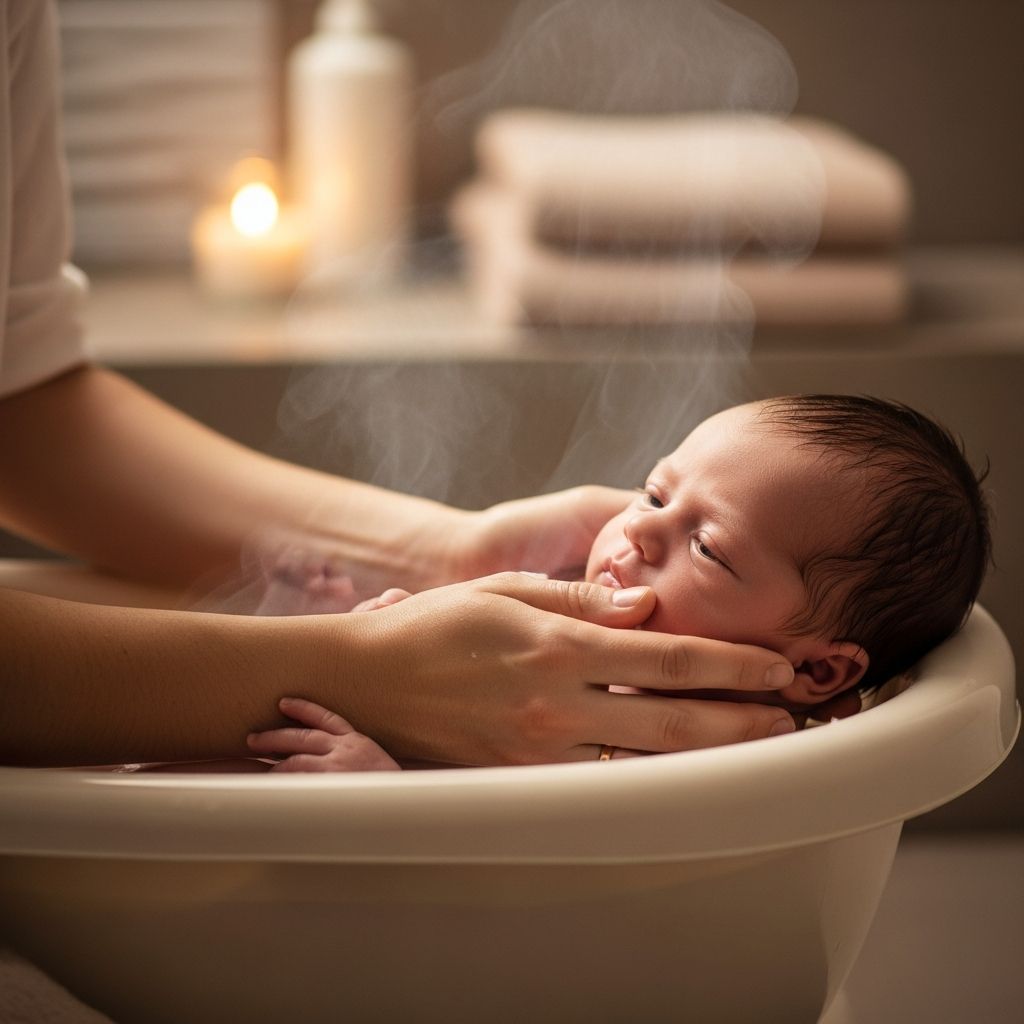
Understanding the Newborn’s Protective Layer
When your baby enters the world, they arrive covered in a substance that serves as nature’s built-in protection. This white, waxy coating called vernix caseosa is composed of skin cells that developed during pregnancy and functions as a natural barrier against harmful bacteria. Rather than viewing this covering as something that needs immediate removal, modern pediatrics recognizes it as a valuable defense mechanism that supports your infant’s health during their critical early hours.
The vernix contains specialized proteins designed to prevent common bacterial infections that newborns encounter during delivery. Bacteria such as Group B Streptococcus and E. coli can be transmitted during the birth process and potentially lead to serious complications including bloodstream infections, pneumonia, and meningitis. By preserving the vernix through delayed bathing, you maintain your baby’s natural antimicrobial shield during a vulnerable period when their immune system is still adjusting to life outside the womb.
Temperature Regulation and Metabolic Stability
One of the most critical physiological challenges newborns face is maintaining appropriate body temperature. In the womb, your baby existed in a consistently warm environment maintained at approximately 98.6 degrees Fahrenheit. Upon birth, they suddenly enter a much cooler external world—most hospital rooms maintain temperatures around 70 degrees. This dramatic temperature shift requires significant energy expenditure from your newborn’s body as they work to generate and retain heat.
Bathing your baby too soon after birth accelerates heat loss through water evaporation and immersion in cooler water. This stress triggers the release of cortisol and other stress hormones, which can cause dangerous drops in blood sugar levels. The resulting hypoglycemia can lead to lethargy, reduced feeding motivation, and in severe cases, neurological complications. By delaying the bath for at least 24 hours, you allow your infant’s thermoregulatory system to stabilize naturally while their body adapts to the new environmental conditions.
Additionally, the vernix itself contributes to temperature regulation by helping your baby’s skin retain moisture and maintain thermal stability. This dual benefit—preserving the vernix while avoiding the stress of early bathing—creates optimal conditions for your newborn to stabilize both body temperature and blood glucose levels without medical intervention.
The Foundation for Successful Breastfeeding
Research has consistently demonstrated that delaying a newborn’s first bath correlates with improved breastfeeding outcomes. Studies show that postponing bathing for at least 12 to 24 hours increases exclusive breastfeeding rates, particularly following vaginal delivery, and enhances the likelihood that parents report intentions to continue breastfeeding after discharge.
The connection between bath timing and breastfeeding success operates through multiple mechanisms. First, amniotic fluid remaining on your baby’s hands carries scent and taste cues that resemble colostrum—the initial nutrient-dense breast milk your body produces. These familiar signals can facilitate the baby’s natural feeding instincts and improve latch quality. Second, delaying bathing allows uninterrupted time for skin-to-skin contact between mother and infant, which establishes the neurological and hormonal foundation necessary for effective milk transfer and ongoing lactation success.
The stress reduction associated with avoiding early bathing also plays a significant role. When babies experience unnecessary stress from cold water immersion and separation from their mothers, they enter a state of exhaustion that diminishes their feeding capacity. By preserving calm conditions during the critical first hours after birth, you create an environment where your baby can focus energy on learning to breastfeed rather than recovering from temperature stress.
Bonding and Neurological Development Through Skin Contact
The hours immediately following birth represent a unique window for establishing the deep biological and emotional connection between parent and child. During what healthcare providers call the “golden hour,” a baby’s sensory systems are particularly responsive to parental touch, warmth, and presence. This extended period of uninterrupted skin-to-skin contact—often called kangaroo care when the baby is held against the parent’s bare chest—triggers a cascade of beneficial physiological and psychological responses.
Skin-to-skin contact helps regulate your baby’s heart rate, promotes deeper and more restorative sleep patterns, and reduces stress hormone production. For parents, this close contact increases oxytocin levels, often called the “bonding hormone,” which enhances confidence in caregiving abilities and strengthens the emotional attachment to the newborn. Delaying bathing extends this critical bonding period and prevents the interruption that occurs when babies are removed for washing and dressing.
The psychological impact of early, uninterrupted bonding extends far beyond the immediate postpartum period. Research indicates that secure attachment during infancy supports healthy emotional development, reduces anxiety, and contributes to better long-term outcomes in relationships and social functioning. By prioritizing skin-to-skin time over immediate bathing protocols, parents invest in their child’s emotional and neurological foundation.
Immune System Development and Microbial Balance
Your newborn’s immune system undergoes extraordinary development during the first weeks of life. Rather than arriving as a fully formed defense mechanism, your baby’s immunity depends partly on passive protection transferred from you during pregnancy and partly on establishing a healthy microbial ecosystem on their skin.
The bacteria naturally present on your skin and throughout the birth canal provide beneficial microorganisms that colonize your baby’s skin and begin establishing their microbiome. This natural bacterial flora, combined with the protective properties of vernix, creates a balanced microbial environment that prevents colonization by harmful pathogens. Early bathing disrupts this delicate balance by removing both the protective vernix and the beneficial bacteria that would otherwise shield your baby from infection.
Healthcare providers recognize that the microbial environment established during the first hours and days of life has lasting implications for immune function, susceptibility to infection, and potentially even long-term health outcomes. By delaying bathing, you allow this critical microbial colonization to proceed naturally without disruption.
Reducing Unnecessary Stress and Crying
A newborn’s cry response serves important developmental purposes, but unnecessary crying from stress also depletes precious energy reserves your baby needs for feeding, temperature regulation, and adapting to extrauterine life. Early bathing represents a significant stressor—the experience of being removed from parental warmth, immersed in unfamiliar water, and exposed to temperature fluctuations triggers distress responses that can be avoided through delayed bathing.
By maintaining skin-to-skin contact and avoiding the stress of early bathing, you allow your baby to experience a calmer transition to life outside the womb. This reduced stress state supports better feeding behavior, more stable vital signs, and a gentler introduction to the world. Parents frequently report that babies who experience delayed bathing appear more settled and less agitated during their first 24 to 48 hours.
Parental Involvement in the First Bath Experience
Another significant advantage of delaying the first bath is the opportunity for parents to participate directly in this milestone event. Rather than having medical staff conduct the bath while parents observe, delayed bathing protocols typically allow mothers and fathers to perform or co-perform the first bath under nursing guidance. This hands-on experience provides practical instruction in infant bathing techniques while allowing parents to feel actively involved in their baby’s care from the very beginning.
This participatory approach builds parental confidence, creates a meaningful memory, and establishes a sense of competence and responsibility that supports positive parenting throughout infancy. Additionally, parents learn proper bathing techniques directly from healthcare professionals, reducing anxiety about bathing their infant at home in subsequent weeks.
Eliminating the Need for Artificial Moisturizers
Many newborn care protocols include the application of moisturizing lotions or oils to protect delicate infant skin. However, the vernix itself serves as an exceptionally effective natural moisturizer and protectant. By preserving this substance through delayed bathing, you avoid the need for artificial products that may contain ingredients unnecessary for newborn skin.
This natural approach aligns with principles of minimal intervention in newborn care and reduces exposure to synthetic compounds during a period when your baby’s skin barrier is still developing. The vernix provides superior moisture retention compared to most commercial products and supports healthy skin maturation without potential irritants.
World Health Organization and Medical Consensus
The recommendation to delay newborn bathing reflects consensus among major health organizations worldwide. The World Health Organization, along with most pediatric hospitals and healthcare providers, officially recommends waiting at least 24 hours before the first bath. This evidence-based guideline emerged from accumulated research demonstrating the multiple benefits of delayed bathing across diverse populations and healthcare settings.
Healthcare institutions that implemented delayed bathing protocols have documented improvements in key health metrics. For example, average breastfeeding assessment scores improved following the adoption of delayed bathing policies, and the percentage of infants requiring nutritional supplements declined substantially. These real-world outcomes validate the scientific rationale for delaying the first bath.
Practical Implementation Considerations
Implementing delayed bathing in your family’s newborn care routine requires planning but involves no complex procedures. Simply discuss this preference with your healthcare provider during pregnancy and include it in your birth plan. During the first 24 hours, focus on skin-to-skin contact, early feeding attempts, and gentle diaper changes without full bathing.
After at least 24 hours have passed, you can proceed with the first bath when your baby is calm, fed, and warm. Ensure the room is warm, water temperature is appropriate, and the bathing process is quick and efficient. Many parents find that room temperature ranges from 75 to 80 degrees Fahrenheit work best for comfort.
Frequently Asked Questions
Q: What if my baby gets visibly soiled or dirty before 24 hours?
A: Gentle spot-cleaning with warm water and a soft cloth is appropriate. You can clean specific areas without giving a full bath, preserving most of the beneficial vernix while maintaining cleanliness.
Q: Will delayed bathing cause my baby to smell bad?
A: No. The vernix has a mild, natural scent and does not produce odor. Many parents describe the smell as pleasant and find it part of the bonding experience.
Q: Can delayed bathing work for all delivery methods, including cesarean sections?
A: Yes. While the benefits are particularly pronounced after vaginal delivery, delayed bathing supports health and bonding regardless of delivery method. Discuss this preference with your surgical team if planning a cesarean birth.
Q: What temperature should the water be for the first bath?
A: Newborn bath water should be between 90 and 100 degrees Fahrenheit. Test the temperature with your elbow or a reliable thermometer before immersing your baby.
Q: How long should the first bath last?
A: Keep the initial bath brief—typically 5 to 10 minutes. This minimizes heat loss and stress while allowing you to gently cleanse your baby. After 24 hours, bathing can occur multiple times per week rather than daily.
Q: Does delayed bathing apply to premature infants?
A: Delayed bathing is especially beneficial for premature infants due to their increased vulnerability to temperature instability and infection. Discuss timing recommendations with your neonatal intensive care team.
Q: Will hospitals respect my delayed bathing preference?
A: Most hospitals now support delayed bathing as standard practice. Communicate your preference clearly in your birth plan, and discuss it with your care team during pregnancy.
References
- World Health Organization Recommendations for Care of the Newborn — World Health Organization. 2024. https://www.who.int/teams/maternal-newborn-health-and-ageing
- Delayed Bathing of Newborns and Breastfeeding Outcomes — Cleveland Clinic Health. 2024. https://health.clevelandclinic.org
- Vernix Caseosa: Functions and Benefits in Newborn Care — St. Louis Children’s Hospital. 2024. https://www.stlouischildrens.org/health-resources
- Skin-to-Skin Contact and Early Infant Development — UC Health. 2024. https://www.uchealth.org/today
- Newborn Thermoregulation and Metabolic Stability During Early Life — Beebe Healthcare. 2024. https://www.beebehealthcare.org/health-hub
- Delayed Cord Clamping and Bathing: Integrated Benefits for Newborn Health — Novant Health. 2024. https://www.novanthealth.org/healthy-headlines