Most parents expect cradle cap to disappear with the baby phase, so it can be surprising and confusing when the same flaky, crusty patches show up on a preschooler or grade-school child. This guide explains what is happening on your child’s scalp, why it is usually harmless, and how to manage it gently and effectively.
What Is “Cradle Cap” After the Baby Years?
In infants, cradle cap is a form of seborrheic dermatitis that causes greasy scales on the scalp. Although the nickname “cradle cap” is usually reserved for babies, older children can develop a very similar pattern of flaking and build-up, often linked to the same underlying processes: excess oil production, irritation, and overgrowth of naturally occurring yeast on the skin.
By school age, many professionals will describe this as seborrheic dermatitis or simply a persistent dandruff-like condition rather than classic cradle cap. The good news is that, while it can look dramatic and feel embarrassing, it is rarely a sign of poor hygiene or serious illness.
How It Looks and Feels in Older Children
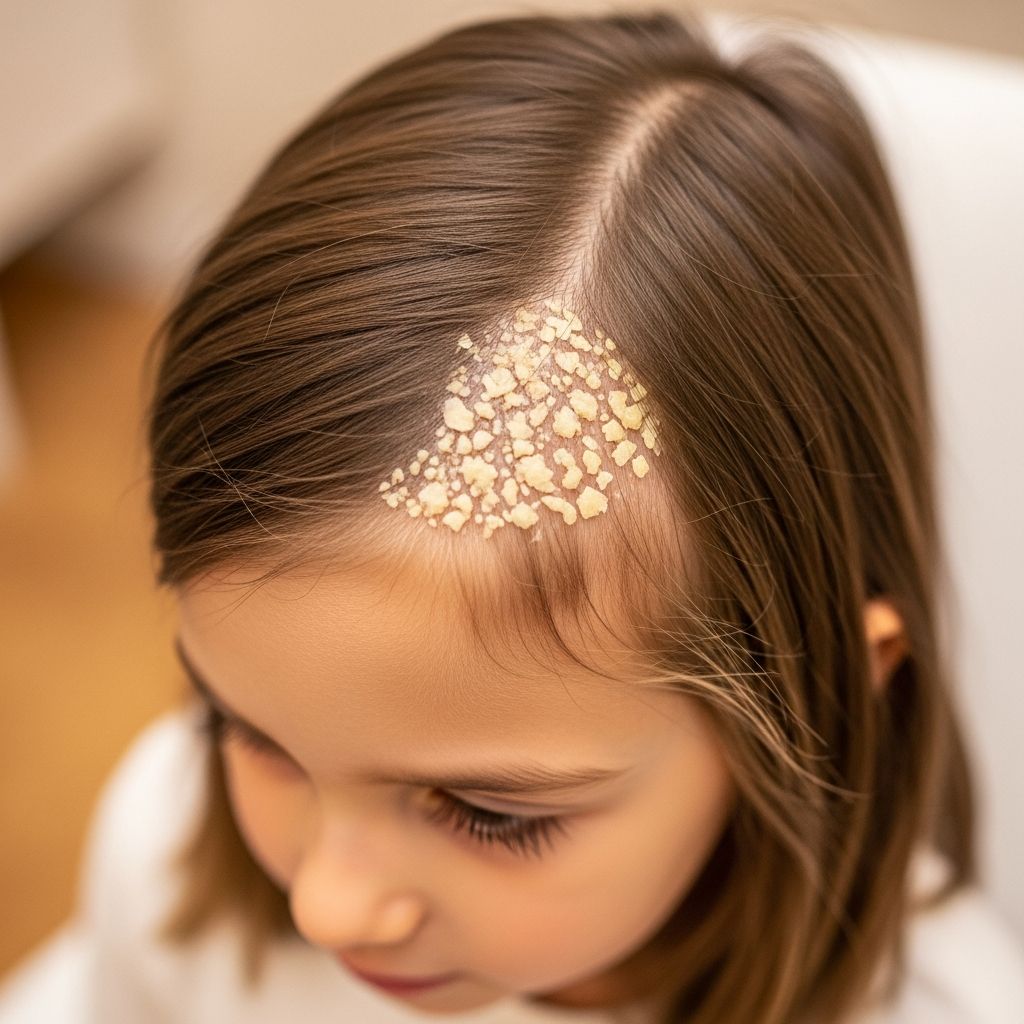
Cradle cap in older kids tends to be less obvious than in infants because hair is thicker and covers much of the scalp. Parents often notice it only during hair washing, hairstyling, or close inspection after a haircut.
- Yellowish or whitish scales that seem stuck to the scalp.
- Oily, waxy patches that cling to the skin rather than falling like dry dandruff.
- Flakes that accumulate around the hairline, behind the ears, or at the crown.
- Usually minimal itching, though some children may scratch occasionally.
Sometimes parents mistake this buildup for dirt or think their child is not washing well enough, which can lead to unnecessary guilt on both sides. Understanding that this is a skin condition, not a hygiene failure, helps set a more compassionate tone for care.
Possible Causes in School-Age Kids
While the exact cause is not fully understood, several factors tend to work together in older children who develop cradle cap–like scalp problems. The mix can be slightly different from child to child.
- Overactive oil glands: Extra sebum can trap dead skin cells on the scalp, producing thicker flakes.
- Yeast overgrowth: A type of yeast that normally lives on skin can multiply in oily areas and contribute to redness and scaling.
- Climate and environment: Cold, dry weather and indoor heating can make flaking worse, especially in winter months.
- Skin sensitivity: Children with eczema, allergies, or generally sensitive skin may be more prone to scalp irritation.
- Hair habits: Infrequent shampooing, very heavy products, or not rinsing shampoo thoroughly can allow more buildup to linger.
Importantly, this condition is not contagious, does not mean your child is unhealthy, and usually can be controlled with consistent, gentle care.
Is It Cradle Cap or Something Else?
Scalp flaking in children can have several different causes, and not all of them are benign dandruff or cradle cap. If the pattern looks unusual, spreads rapidly, or bothers your child, an evaluation by a health professional is important.
| Condition | Typical Signs | What Parents Often Notice First |
|---|---|---|
| Cradle cap / seborrheic dermatitis | Greasy scales; mild redness; usually not very itchy. | Yellow or white patches that stick to the scalp despite washing. |
| Simple dandruff | Loose white flakes; dry or slightly oily scalp; mild itch. | Flakes on shirts, shoulders, or hairbrushes. |
| Scalp eczema | Dry, red, itchy patches; may appear on neck or behind ears too. | Intense scratching and visible irritation. |
| Ringworm of the scalp | Round patches, scaling, hair breakage or hair loss; often itchy. | Thin or bald spots combined with flaky, irritated skin. |
| Psoriasis | Thick, silvery scales; clear edges; may appear on elbows or knees. | Stubborn plaques that do not improve with regular shampoos. |
If hair is falling out, the scalp is very red or painful, or you see ring-shaped patches, medical evaluation should not be delayed. These features are not typical of simple cradle cap and may require specific medications.
Gentle Home Care Routine Step by Step
For many older children with mild cradle cap–like flaking, a simple, consistent routine can make a big difference. The key is to soften the scales, loosen them mechanically without scratching, and keep the scalp clean without over-drying it.
1. Soften the Buildup With Lightweight Oil
Before shampooing, you can apply a small amount of a light, skin-friendly oil to the scalp. Choose products designed for sensitive skin or recommended by your child’s clinician if possible, and always do a small test patch first.
- Start with a pea-sized amount for younger children and adjust slightly for thicker hair.
- Focus on areas where scales are most visible, parting the hair to reach the skin.
- Gently massage with your fingertips in circular motions for a few minutes.
2. Use a Soft Tool to Lift Flakes
After the oil has had a few minutes to work, a soft-bristled brush or silicone scalp massager can help lift the scales without scratching or scraping. The goal is to loosen what is ready to come off, not to force stubborn plaques away.
- Look for brushes marketed for babies or sensitive scalps; they tend to be flexible and gentle.
- Move the tool lightly over the scalp; stop if your child reports pain or irritation.
- Avoid picking at thick scales with fingernails, which can break the skin and cause infection.
3. Shampoo With a Mild or Medicated Formula
Once the buildup has been loosened, wash the hair and scalp thoroughly. For some children, a mild, fragrance-free shampoo is all that is needed; for others, a dandruff or medicated shampoo suggested by a health professional may be more effective.
- Teach older kids to focus on massaging the scalp, not just the hair length.
- Rinse carefully to remove all shampoo and loosened flakes.
- Begin with using a treatment routine once or twice a week, then adjust based on your child’s response.
4. Keep the Routine Consistent
Cradle cap in older children tends to improve gradually rather than overnight. A predictable weekly routine helps prevent the buildup from returning quickly.
- Pick specific bath days for scalp care so it becomes a habit.
- Combine the steps with something enjoyable, like a story or song, to keep the experience positive.
- Track changes over a few weeks rather than judging results after a single wash.
Helping Your Child Cope Emotionally
By the time children are in preschool or grade school, they may feel self-conscious about anything that seems different about their body, including a flaky scalp. Even if the condition does not hurt, it can still affect how they feel about themselves.
- Explain, in simple language, that this is a common skin issue that does not mean they are dirty.
- Reassure your child that you will manage it together and that it is not their fault.
- Practice a short response they can use if classmates comment, such as: “It’s just dry skin on my head; it’s not contagious.”
When parents approach scalp care calmly and without disgust, children are more likely to cooperate and less likely to internalize shame or embarrassment about their appearance.
When to Consider Medicated Treatments
If gentle home care has been consistent for several weeks with little improvement, or if flares are frequent and severe, a pediatrician or dermatologist may recommend medicated products. These are usually reserved for more stubborn cases or when the scalp is significantly red or inflamed.
- Medicated shampoos targeting yeast or reducing inflammation.
- Topical creams, gels, or foams for localized patches.
- Specific treatment plans if another condition, such as ringworm or psoriasis, is diagnosed.
Because children have more sensitive skin and smaller bodies, prescribed treatments should be used exactly as directed, for the recommended length of time, with regular follow-up if symptoms recur.
Everyday Habits That Support a Healthier Scalp
Small changes in day-to-day routine can complement treatment and prevent long-term buildup. These steps are not cures by themselves but can make flare-ups less frequent and easier to manage.
- Choose hair products labeled for sensitive skin and avoid heavy styling waxes or gels that coat the scalp.
- Encourage brushing or combing daily to distribute natural oils more evenly.
- Adjust hat-wearing habits if your child tends to sweat under tight caps for long periods.
- Maintain a regular hair-washing schedule that fits your child’s activity level and hair type.
Although diet and stress are not sole causes, supporting overall wellbeing through balanced meals, sleep, and manageable schedules can help the body respond better to any chronic skin issue.
FAQs About Cradle Cap in Older Children
Can a 5- or 10-year-old really have cradle cap?
Yes, the same kind of oily, flaky scalp problem seen in infants can persist or show up later in childhood. At older ages it is usually called seborrheic dermatitis or dandruff, but the appearance can be very similar.
Is it contagious or caused by poor hygiene?
No. These conditions are linked to skin oil, natural yeast on the skin, and individual sensitivity, not to being dirty or unclean. Washing more often without a thoughtful routine can sometimes even make the scalp drier or more irritated.
Will my child grow out of it?
Many children improve significantly as they get older and their skin and oil production patterns stabilize. However, some people have occasional flare-ups during times of stress or in cold, dry seasons and may always need a basic scalp-care routine.
Can I just scrape the scales off?
Scraping with fingernails, combs, or sharp tools is not recommended, because it can damage the skin, cause pain, and open the door to infection. It is safer to soften scales, use gentle mechanical tools, and allow stubborn patches to loosen over time.
Should I stop using all hair products?
It is not always necessary to avoid every styling product, especially for older kids who care about their hairstyles. Instead, choose lightweight, non-greasy products, use them sparingly, and focus on regular, thorough cleansing of the scalp.
When should we see a doctor?
Seek medical advice if there is significant redness, swelling, or pain; if hair is breaking or falling out in patches; if your child is very itchy or uncomfortable; or if home care does not bring improvement over several weeks. A professional evaluation helps rule out other conditions and ensures that any needed medications are used safely.
Key Takeaways for Busy Parents
- Cradle cap–like scalp flaking can continue or reappear in older children and often reflects a combination of oil, yeast, and skin sensitivity.
- Gentle routines that soften, loosen, and wash away buildup usually improve the scalp over time.
- Medical evaluation is important if symptoms are severe, painful, or involve hair loss or intense itching.
- Approaching the condition calmly helps protect your child’s self-esteem and encourages cooperation with care.