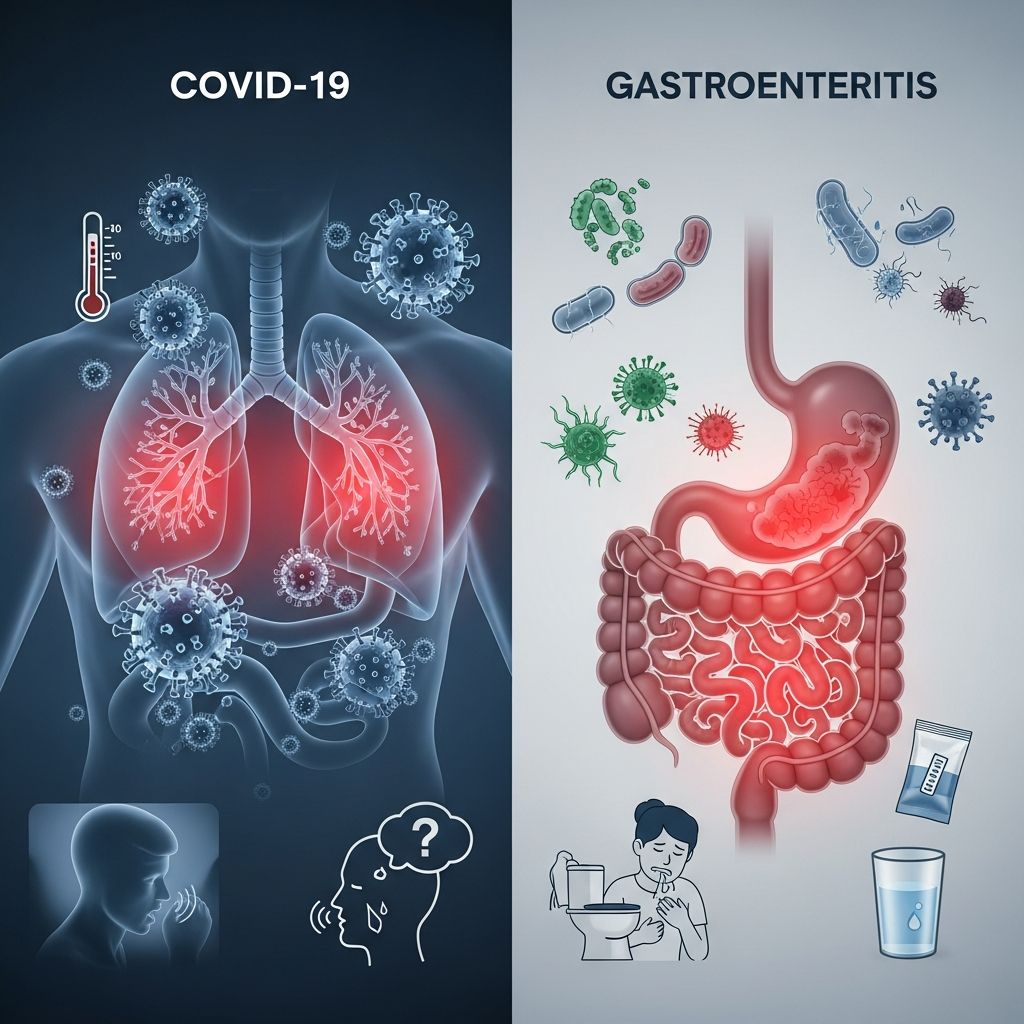
Respiratory viruses like COVID-19 and gastrointestinal infections such as gastroenteritis (often called stomach flu) can mimic each other in children, especially when both involve nausea or fatigue. While COVID-19 primarily affects the respiratory system, it can present with digestive issues, complicating diagnosis. Gastroenteritis, caused by viruses like norovirus or rotavirus, focuses on the gut. Understanding these distinctions helps parents manage symptoms effectively and decide when medical attention is needed.
Understanding the Core Illnesses
COVID-19, caused by the SARS-CoV-2 virus, spreads through respiratory droplets and surfaces. In children, it often manifests mildly but can include fever, cough, and occasionally stomach upset. Gastroenteritis, conversely, stems from pathogens targeting the intestines, leading to rapid-onset vomiting and diarrhea without prominent respiratory signs. Both can dehydrate young patients quickly, making hydration key.
Children under 5 are particularly vulnerable to dehydration from either illness. COVID-19 may evolve into more systemic issues, while gastroenteritis typically resolves faster but spreads easily in households. Early recognition prevents escalation.
Symptom Breakdown: Respiratory vs Digestive Focus
Symptoms overlap but differ in prominence. COVID-19 frequently starts with upper respiratory complaints, progressing to others. Gastroenteritis hits the gut first and hardest.
| Symptom | COVID-19 in Children | Gastroenteritis (Stomach Flu) |
|---|---|---|
| Fever | Common, may be low-grade | Often present, lasts 2-3 days |
| Cough | Dry cough very common | Rare or absent |
| Vomiting/Diarrhea | Possible, watery if present; often with respiratory signs | Primary, profuse and frequent |
| Shortness of Breath | Possible in severe cases | Not typical |
| Loss of Taste/Smell | Occasional, more specific to COVID | Not associated |
| Onset | Gradual over days | Sudden, explosive |
This table highlights patterns: respiratory dominance in COVID versus gut-centric in gastroenteritis. Children with COVID may develop diarrhea later, but it’s rarely isolated.
Onset and Progression Patterns
COVID-19 symptoms build gradually—fever or fatigue first, then cough or aches over 2-4 days. Flu-like elements appear, but kids often recover in a week. Gastroenteritis strikes abruptly: vomiting within hours of exposure, followed by diarrhea peaking in 1-2 days. Resolution occurs in 3-7 days without complications.
In kids, COVID can linger with fatigue up to a month, while stomach bugs cause intense but short-lived distress. Track progression: respiratory worsening suggests COVID; persistent gut issues point to gastro.
Transmission and Prevention Strategies
COVID-19 transmits via airborne particles, close contact, and fomites—handwashing and masks reduce risk. Vaccination remains crucial, even for variants. Gastroenteritis spreads fecal-orally through contaminated food, water, or hands; hygiene trumps all.
- Hand hygiene: Soap for 20 seconds after bathroom use, before eating.
- Surface disinfection: Bleach solutions for high-touch areas.
- Isolation: Separate sick child; COVID quarantine 5-10 days.
- Vaccines: Rotavirus shots prevent severe gastro in infants; COVID boosters for eligible kids.
Combining strategies curbs household outbreaks. Schools report co-circulation during winter.
Home Management and Hydration Essentials
Supportive care suits both: rest, fluids, fever reducers like acetaminophen. For COVID, monitor oxygen via pulse oximeter if available. Gastroenteritis demands oral rehydration solutions (ORS) to counter fluid loss—avoid plain water or sugary drinks.
Feeding tips:
- BRAT diet (bananas, rice, applesauce, toast) post-vomiting.
- Small, frequent sips of ORS.
- Probiotics may shorten diarrhea duration.
Antivirals for high-risk COVID cases; anti-diarrheals rarely for kids.
When to Contact a Pediatrician Urgently
Seek care if dehydration signs appear: dry mouth, no tears, sunken eyes, reduced urine. COVID red flags: persistent fever >3 days, breathing difficulty, chest pain. Gastroenteritis warrants help for bloody stools, severe pain, or lethargy. Infants under 6 months need immediate evaluation.
Testing clarifies: rapid antigen for COVID, stool tests for gastro pathogens if prolonged. Telehealth aids initial assessment.
Diagnostic Testing Options
Home COVID tests detect antigen quickly but miss early/low-viral loads; PCR confirms. No routine gastro test unless outbreak suspected. Symptom clusters guide: isolated GI without fever leans gastro; cough/fever suggests COVID. Co-infections possible.
Complications to Watch in Children
COVID risks multisystem inflammatory syndrome (MIS-C), rare post-2022 peaks. Flu/COVID can lead to pneumonia. Gastroenteritis causes severe dehydration, seizures in extremes. Healthy kids fare well; underlying conditions amplify risks.
Seasonal Trends and Family Preparedness
Winter surges both illnesses; “quad-demic” of flu/RSV/COVID/gastro strains systems. Stock ORS, thermometers, masks. Educate on hygiene; annual flu/COVID vaccines.
Families thrive with plans: symptom diaries, test kits ready, pediatrician numbers handy.
Frequently Asked Questions
Can COVID-19 cause only stomach symptoms in kids?
Yes, though uncommon; GI issues precede respiratory in 5-10% cases, resolving as others emerge.
How long does stomach flu last versus COVID?
Gastroenteritis: 1-3 days peak, full recovery 7 days. COVID: 5-10 days, fatigue longer.
Is vomiting more common in gastro or COVID?
Far more in gastroenteritis; COVID vomiting ties to respiratory illness.
Should I test my child for both?
Yes if fever/cough with GI; COVID test first, consult doctor for flu/gastro.
Can vaccines prevent stomach flu?
Rotavirus vaccine yes for infants; norovirus pending. Hygiene primary.
References
- The Difference Between COVID, Flu, and RSV — Health Care for Children KC. 2023. https://healthcareforchildrenkc.com/blog/the-difference-between-covid-flu-and-rsv/
- Flu vs. COVID-19: How to Tell If Your Child Is Sick — Connecticut Children’s. 2023. https://www.connecticutchildrens.org/growing-healthy/flu-vs-covid-19-how-tell-if-your-child-sick-and-what-do
- Is it the Cold, Flu, COVID or Allergies? — Tylenol. 2024. https://www.tylenol.com/children-infants/cold-flu/cold-vs-flu-vs-covid-allergies
- Similarities and Differences between Flu and COVID-19 — CDC. 2024-10-03. https://www.cdc.gov/flu/about/flu-vs-covid19.html
- Respiratory Illness in Kids — Children’s Hospital Colorado. 2023. https://www.childrenscolorado.org/just-ask-childrens/articles/coronavirus-and-flu-symptoms/
- COVID-19 vs. flu: Similarities and differences — Mayo Clinic. 2024. https://www.mayoclinic.org/diseases-conditions/coronavirus/in-depth/coronavirus-vs-flu/art-20490339
- Stomach Bug, COVID-19, or Flu: How to Tell — Emerson Health. 2023. https://emersonhealth.org/stomach-bug-covid-19-or-flu-how-to-tell/
- Nausea and diarrhea? How to tell if it’s COVID, the stomach flu or food poisoning — Nebraska Medicine. 2023. https://www.nebraskamed.com/primary-care/nausea-and-diarrhea-how-to-tell-if-its-covid-the-stomach-flu-or-food-poisoning