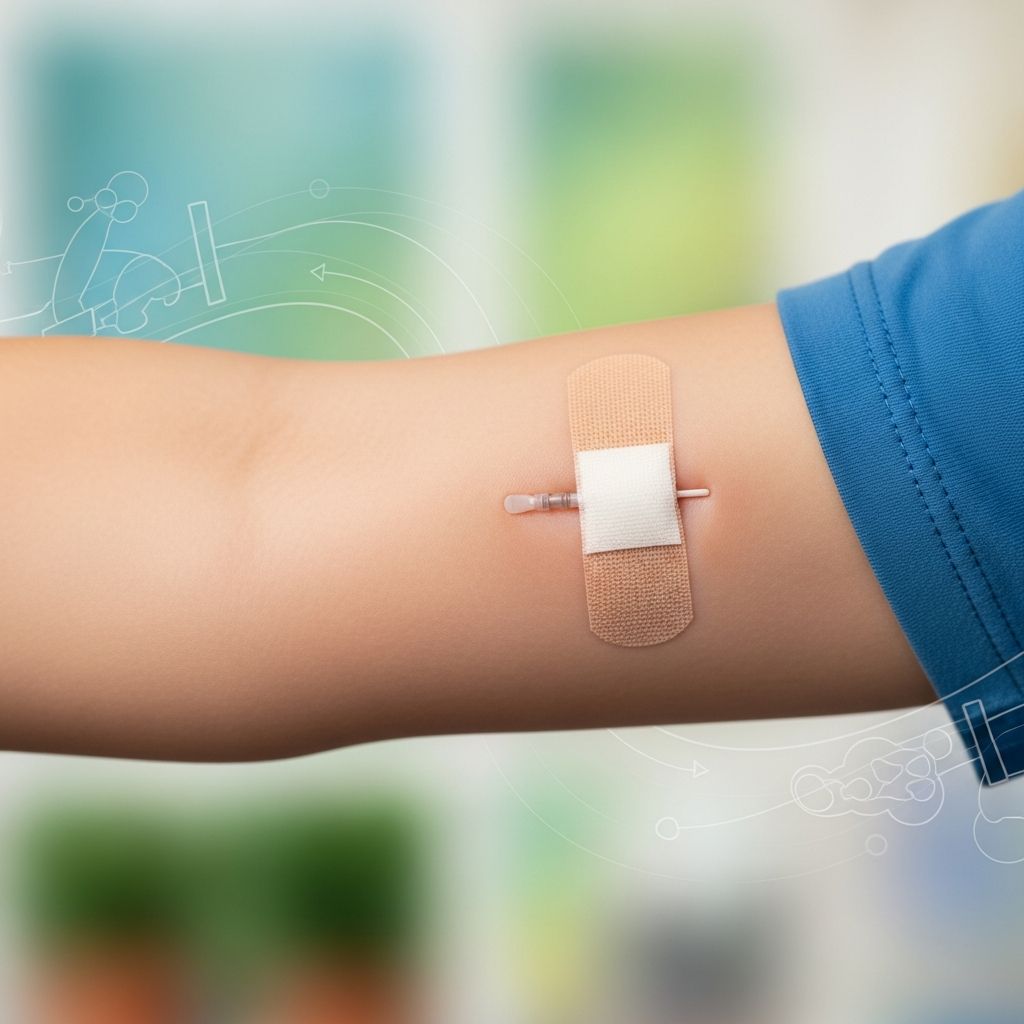
The contraceptive implant is a tiny flexible rod that sits just under the skin of your upper arm and quietly protects you from pregnancy for several years. It is one of the most effective reversible birth control methods available and can be a good choice for teens who want reliable protection without needing to remember a daily pill.
What Exactly Is the Contraceptive Implant?
A contraceptive implant is a small, matchstick-sized plastic rod placed under the skin on the inside of your upper arm by a trained health care provider. It slowly releases a hormone similar to the progesterone your body naturally makes. This hormone helps prevent pregnancy in more than one way, giving long-lasting protection without daily effort.
Once inserted, the implant can stay in place and keep working for several years, depending on the brand. It is considered a type of long-acting reversible contraception, often shortened to LARC. “Reversible” means that once the implant is removed, your ability to become pregnant returns.
How the Implant Prevents Pregnancy
The implant releases a steady, low dose of hormone into your bloodstream every day. This hormone affects your reproductive system in several ways that work together to stop pregnancy from happening.
- Stops ovulation most of the time: The hormone usually prevents your ovaries from releasing an egg, so there is nothing for sperm to fertilize.
- Thickens cervical mucus: The mucus in the cervix becomes thicker and stickier, making it hard for sperm to swim through the cervix and reach an egg.
- Changes the uterine lining: The lining of the uterus becomes thinner, which makes it less likely for a fertilized egg to attach and grow.
Because these effects are happening around the clock, you do not have to think about them daily. Once the implant is in place, it keeps working whether you are busy with school, sports, or sleep.
Effectiveness: How Well Does It Work?
The contraceptive implant is one of the most reliable birth control options currently available. When used as intended, fewer than 1 out of 100 people with an implant will become pregnant in a year. This rate is similar to or better than many other forms of reversible birth control.
Unlike methods that depend on remembering to take a pill, apply a patch, or use a condom every time, the implant takes user error out of the picture. Once inserted by a health care provider, it continues to work without daily or weekly action from you. This reliability is one reason many teens and young adults prefer it.
Effectiveness Comparison Table
| Method | Typical Use Pregnancy Rate (per year) | User Action Needed |
|---|---|---|
| Contraceptive implant | Well under 1 pregnancy per 100 users | Placed once, lasts several years |
| Birth control pills | Around 7–9 pregnancies per 100 users | Pill taken at about the same time every day |
| Condoms | Roughly 13 pregnancies per 100 users | Used correctly every time you have sex |
| No contraception | About 85 pregnancies per 100 people trying to avoid pregnancy | No consistent method in place |
These numbers are averages and can vary, but they make one thing clear: the implant is among the safest choices when pregnancy prevention is a priority.
Who Might Consider the Implant?
The implant can work well for many different people, including teens, but it is not the best fit for everyone. Thinking about your lifestyle, health, and comfort level with medical procedures can help you decide if it is worth discussing with a provider.
- You want long-term, low-maintenance protection: If you dislike remembering daily pills or worry about forgetting, the implant may fit your routine.
- You cannot use estrogen-containing birth control: The implant uses only a progesterone-like hormone, so it may be an option if you are advised to avoid estrogen-based methods.
- You prefer something reversible: Unlike permanent procedures, the implant can be removed any time if you change your mind.
- You want privacy: The implant is hidden under your skin and usually not visible, which can feel more private than some other methods.
On the other hand, people who are uncomfortable with needles, injections, or minor procedures may feel nervous about insertion and removal. Talking through these concerns with a trusted adult or health professional can help.
What Happens During Insertion?
Placing the implant is a quick procedure usually done in a clinic office. It normally takes only a few minutes, and you are awake the whole time. The provider will talk you through each step and check that you understand what is happening.
- Preparation: Your provider checks your health history and may ask about medications, allergies, and your menstrual cycle. They will also confirm that you are not pregnant before insertion.
- Numbing the area: The skin on the inside of your upper arm is cleaned and then numbed with a tiny injection of local anesthetic, so you should feel pressure but not sharp pain.
- Insertion: Using a special applicator, the provider slides the rod just under the skin. You may feel pushing or tugging, but it is usually brief.
- Bandage and care: A small bandage and sometimes a pressure wrap are placed over the site. You will receive instructions on keeping the area clean and watching for any problems.
Most people can go back to normal activities soon after insertion, though heavy lifting or contact sports might be limited for a short time. Some bruising or soreness in the arm is common and typically fades within a few days.
What About Removal and Changing Your Mind?
The implant does not have to stay for the full approved life span. If you want to become pregnant, switch methods, or you simply do not like how it feels, a trained provider can remove it at any time. You do not need a special reason to ask for removal.
Removal is another brief office procedure. The skin is numbed again, a small cut is made, and the provider gently slides the rod out. In many cases, a new implant can be inserted through the same small opening if you choose to continue using this method. Fertility can return quickly after removal, so another method is needed right away if you still want to prevent pregnancy.
Benefits Beyond Pregnancy Prevention
While the main job of the implant is to prevent pregnancy, some people notice other changes they consider helpful. These effects vary from person to person and cannot be guaranteed, but they are common enough to mention.
- Convenience: No daily reminders, pharmacy trips for refills, or last-minute worries about forgotten pills.
- Discreetness: Most people will not notice it unless they touch the area where the implant is placed.
- Long-lasting protection: One insertion can give you several years of coverage, depending on the specific product.
- Predictable routine: You can focus on school, sports, work, and relationships without building your schedule around a birth control routine.
Some people also experience lighter or less frequent periods while using the implant. For others, bleeding becomes less predictable, which may or may not feel like a benefit.
Possible Side Effects and Changes to Expect
Because the implant changes hormone levels, your body may react in different ways. Side effects can be mild or more noticeable, and they may improve over time. Not everyone has the same experience, even when using the same type of implant.
- Irregular bleeding: This is the most common change. Your period may come more often, less often, be longer, shorter, lighter, or sometimes stop entirely.
- Spotting: Some people have small amounts of bleeding between periods, especially during the first several months.
- Headaches or mood changes: These can occur with any hormone-based method, though they are usually mild. Talk with a provider if they interfere with everyday life.
- Breast tenderness, acne, or weight change: These can happen but are not guaranteed. For most users, these changes are small.
- Arm soreness or bruising: This usually appears soon after insertion or removal and goes away as the area heals.
Severe problems with implants are rare, but it is important to contact a provider if you notice intense pain, signs of infection (such as redness, swelling, warmth, or pus at the site), or if you cannot feel the implant where it should be. A follow-up visit may be scheduled to make sure everything looks and feels right.
Safety Considerations and Medical History
Before you get an implant, a health care professional will ask about your health history to make sure this method is safe for you. Certain conditions may mean the implant is not the best choice, or that extra monitoring is needed.
- History of some types of liver disease or tumors.
- Certain types of breast cancer or other hormone-sensitive conditions.
- Unexplained vaginal bleeding that has not been checked by a provider.
- Severe allergies to any ingredient in the implant.
Most healthy teens can use the implant safely, but being honest about your health history, medications, and any concerns helps the provider suggest the best contraception options for you.
Common Myths and Misunderstandings
Because the implant is small and placed under the skin, many myths and rumors surround it. Clearing up misunderstandings can make the decision process less stressful.
- “The implant travels around the body.” The implant is designed to stay just under the skin in the upper arm. Movement away from this area is extremely rare. If you ever cannot feel it, a provider can check its position.
- “You will gain a lot of weight.” Some people report small weight changes over time, but many do not notice a major difference. Eating habits, physical activity, and other health factors also affect weight.
- “The implant works forever.” Each implant is approved for a specific number of years. After that, it needs to be replaced or removed, or pregnancy risk increases.
- “You cannot get pregnant right away after removal.” Fertility can return quickly once the implant is taken out. If you are not ready to become pregnant, you will need another birth control method immediately.
- “It protects against infections.” The implant does not protect against sexually transmitted infections. Condoms are still important for safer sex.
Cost, Access, and Confidentiality
Costs for implants vary by location, insurance plan, and clinic. Some health systems or family planning programs cover most or all of the cost for teens and young adults. If you are worried about the price, ask directly about payment options, discounts, or sliding-scale fees.
In many places, teens can talk to a health provider about contraception privately, and visits may be confidential. Laws and rules differ by region, so a clinic, school nurse, or health hotline can explain which privacy protections apply to you. If possible, reading clinic policies in advance or calling with questions can help you feel more prepared.
Questions to Ask Your Health Care Provider
Going into an appointment with a list of questions can make conversations easier and help you feel more in control of your choice. Consider writing these down on your phone or on paper so you do not forget them during the visit.
- How long does the implant you use last?
- What side effects do your patients most often notice in the first few months?
- What are my other birth control choices, and how do they compare with the implant?
- How soon after insertion does the implant start protecting against pregnancy?
- What should I do if my bleeding pattern changes in a way that worries me?
- How quickly can I get an appointment if I ever want the implant removed?
- Will this visit and the implant be confidential, and how will billing work?
Remember that you are allowed to take your time deciding. You do not have to choose the implant—or any method—on the spot if you do not feel ready.
Using the Implant Alongside Other Protection
The implant focuses on preventing pregnancy, but sexual health includes more than that. Because it does not protect against infections, combining it with barrier methods can give broader protection.
- Condoms: Wearing condoms during vaginal, anal, or oral sex helps reduce the risk of sexually transmitted infections and adds a second layer of pregnancy prevention.
- Regular testing: Routine STI testing is recommended for sexually active people, especially if they have new or multiple partners.
- Emergency contraception: If you are worried about pregnancy—for example, if you think the implant might not be working or you recently had it placed and are not sure it is active yet—ask a provider about emergency contraception options.
Combining methods is not a sign of distrust in the implant; it is a way of caring for all aspects of your sexual health.
FAQs About the Contraceptive Implant
Does the insertion hurt?
You may feel a quick pinch when the numbing medicine is injected and some pressure when the implant goes in, but sharp pain is usually brief. Afterward, the area may be sore or bruised for a few days, similar to a small bump or bruise on your arm.
Can I feel the implant under my skin?
Yes, you can usually feel the implant as a small, flexible rod under the skin when you press your fingers over it, but it should not stick out or be obvious just by looking. Being able to feel it lets you check that it is still in place.
Will the implant affect my future fertility?
The implant is designed to be fully reversible. Once it is removed, your natural hormones begin to return to their usual pattern, and many people can become pregnant quite soon afterward if they are not using another method.
Is there a best time to get the implant?
Health care providers often suggest inserting the implant at a time in your cycle when pregnancy is very unlikely, such as during or right after your period. If it is inserted at another time, you may be asked to use condoms or another backup method for a short period until the implant is fully effective.
What if I am nervous about others finding out?
The implant is not obvious from the outside, and in many places, teens can get confidential care. You can ask the clinic how they handle privacy, bills, and test results so you understand who can see your information.
Can I play sports or do physical activities with an implant?
Once the insertion area heals, you can usually continue all your normal activities, including sports, weight training, and swimming. If an activity causes pain around the implant, talk with your provider to make sure it is positioned correctly.
Making a Choice That Fits You
Choosing birth control is a personal decision that involves more than medical facts. Your comfort level, values, plans for the future, and feelings about procedures and hormones all matter. The contraceptive implant offers strong, long-term pregnancy protection with very little day-to-day effort, which can be a major advantage for many teens.
Taking time to learn about your options, asking honest questions, and speaking with a trusted health professional can help you feel more confident. Whether or not you decide the implant is right for you, understanding how it works is a powerful step in taking charge of your sexual and reproductive health.