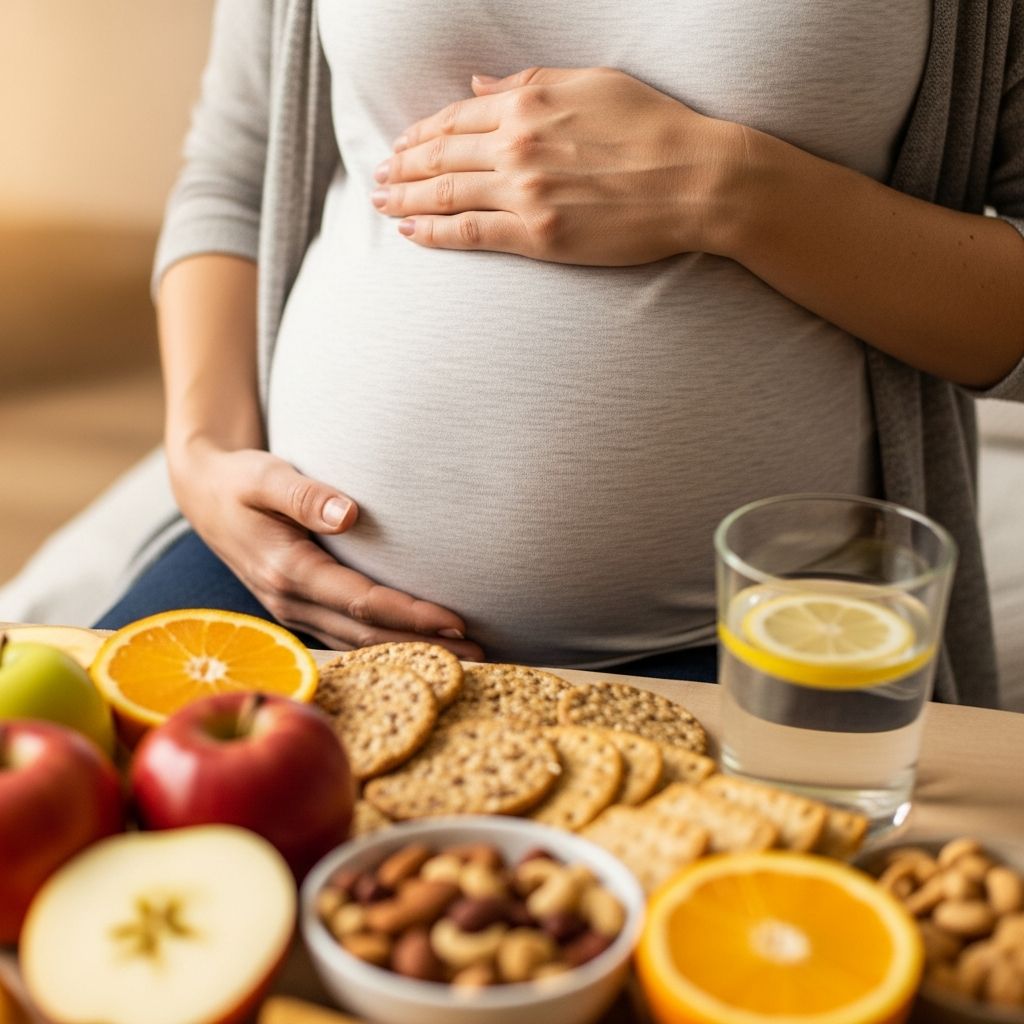
Many pregnant people are surprised to discover that constant hunger can feel as intense as nausea or fatigue. Your body is working around the clock to grow a baby, expand blood volume, and support the placenta, so a bigger appetite is a natural consequence for many, though not all, pregnancies.
Feeling ravenous does not mean you are doing pregnancy “wrong.” It usually means your body is asking for steady fuel so it can keep up with rapid physical changes, hormone shifts, and your baby’s growth.
Normal Appetite Changes by Trimester
Appetite rarely stays the same from a positive test to delivery day. Understanding common patterns can make the constant hunger feel less mysterious and easier to manage.
- First trimester: Nausea, vomiting, and smell sensitivity may suppress appetite for many, but some people notice early hunger surges between waves of queasiness.
- Second trimester: As morning sickness eases and baby’s growth speeds up, appetite often increases and many report feeling hungry again just a short time after eating.
- Third trimester: Your body needs more energy, but the growing uterus can crowd your stomach, so you may feel full quickly and hungry again soon after; small, frequent meals often work better than large plates of food.
Why Pregnancy Can Supercharge Hunger
Several overlapping mechanisms work together to make you feel like you are “always starving” during pregnancy. Some are purely physical, while others relate to emotions, sleep, and daily habits.
- Increased energy needs: Building a placenta, enlarging your uterus, and supporting higher blood volume all require extra calories compared with your pre-pregnancy baseline.
- Hormonal shifts: Fluctuations in hormones such as progesterone and estrogen can heighten appetite signals and alter how quickly you feel full.
- Faster metabolism: Your body becomes more metabolically active, using energy at a higher rate even when you are resting.
- Blood sugar swings: Longer gaps between meals or meals heavy in refined carbohydrates can cause dips in blood glucose that trigger urgent, sometimes shaky hunger.
- Emotional and stress eating: Anxiety, excitement, or overwhelm about pregnancy and parenthood can sometimes be soothed with food, making true physical hunger harder to recognize.
How Much Extra Food Do You Really Need?
The phrase “eating for two” is misleading. Pregnancy does increase your energy needs, but usually by a few hundred calories, not by doubling your entire intake. The exact amount depends on your body size, activity level, and whether you are carrying multiples.
Most guidelines suggest that calorie needs rise modestly in early pregnancy and more noticeably in the second and third trimesters. Rather than fixating on exact numbers, it is more practical to focus on nutrient-dense foods, balanced meals, and attention to your own hunger and fullness cues.
Approximate Extra Energy Needs Table
| Stage of pregnancy | Typical extra energy needed* | Example food equivalent |
|---|---|---|
| First trimester | Often minimal above pre-pregnancy baseline | A small yogurt and fruit, or a handful of nuts |
| Second trimester | Roughly one additional light meal or hearty snack per day | Whole-grain toast with nut butter and banana slices |
| Third trimester | Another modest increase over the second trimester | Chickpea salad with veggies and whole-grain crackers |
*These are general estimates; your healthcare provider or dietitian can personalize recommendations for your situation.
Physical vs. Emotional Hunger: How to Tell the Difference
Constant hunger in pregnancy is not always purely physical. Becoming more aware of different hunger types can help you respond with compassion and make choices that actually feel good.
- Physical hunger tends to build gradually, can be satisfied by a variety of foods, and is often accompanied by stomach growling, low energy, or slight irritability.
- Emotional hunger appears suddenly, is usually tied to a specific food (often sweet or salty), and may show up when you feel bored, anxious, lonely, or stressed.
- Habit hunger is driven by routine, such as wanting dessert every night after dinner because it’s part of your usual schedule, not because your body truly needs more energy.
There is no need to judge any of these types of hunger. Instead, use them as information: if you notice emotional or habit hunger, you can decide whether food, rest, connection, or another form of comfort will serve you best in that moment.
Building Meals That Actually Satisfy
A common reason for feeling hungry again soon after eating is an unbalanced plate. Meals heavy on refined starch or sugar, but light on protein, healthy fat, and fiber, are digested quickly and leave you searching for snacks minutes later.
Aim for meals that include a mix of carbohydrates, protein, fat, and color from fruits or vegetables. This combination supports steady blood sugar, keeps you full longer, and delivers a wide spectrum of vitamins and minerals to both you and your baby.
The “Balanced Plate” Framework
- Half your plate: Vegetables and/or fruit (fresh, frozen, or cooked).
- Quarter of your plate: Protein such as beans, lentils, eggs, poultry, tofu, fish low in mercury, or lean meats.
- Quarter of your plate: Whole grains or starchy vegetables, like oats, brown rice, quinoa, potatoes, or whole-grain pasta.
- Added healthy fats: Nuts, seeds, avocado, olive oil, or yogurt to enhance satisfaction and nutrient absorption.
Snack Ideas for Constantly Hungry Days
When you are hungry every couple of hours, snacks stop feeling optional and become an essential way to meet your body’s needs. Choosing snacks that combine at least two food groups can extend fullness and prevent sharp blood sugar swings.
- Apple slices with peanut or almond butter.
- Plain yogurt topped with berries and a sprinkle of granola or chopped nuts.
- Whole-grain crackers with hummus and cucumber rounds.
- Carrot sticks with cottage cheese or a bean dip.
- Trail mix with nuts, seeds, and a small amount of dried fruit.
- Cheese slices with a piece of fruit.
- Edamame sprinkled with a pinch of salt or sesame seeds.
Cravings, Aversions, and Midnight Munchies
In addition to general hunger, many people experience intense cravings for specific foods and sudden aversions to others. These shifts can be influenced by hormones, cultural expectations, comfort associations, and your body’s changing sensory sensitivity.
Rather than viewing cravings as something to conquer, it can help to see them as signals. Sometimes they point to emotional needs, and other times they can be accommodated in a balanced way—for example, pairing a sweet treat with a source of protein or fiber to keep you full longer.
Tips for Managing Strong Cravings
- Pause before acting: Take a few breaths, drink some water, and ask whether you are truly hungry or simply seeking comfort or distraction.
- Upgrade the craving: If you want something sweet, consider choosing fruit with yogurt or dark chocolate with nuts instead of only highly processed options.
- Avoid all-or-nothing thinking: Completely banning a food you love can backfire; consider planned portions instead of rigid restriction.
- Notice patterns: If cravings spike when you are exhausted, overwhelmed, or lonely, additional rest and emotional support may ease the intensity.
Nighttime Hunger and Sleep
Waking up hungry in the middle of the night is frustrating, especially when sleep already feels elusive. Nighttime hunger can occur because dinner was too small, lacked protein or fat, or was eaten many hours before bedtime.
Including a balanced evening snack can reduce overnight hunger. Good options include whole-grain toast with nut butter, Greek yogurt with fruit, or a small bowl of oatmeal with seeds.
Hydration and Hunger Signals
Mild dehydration can sometimes masquerade as hunger, leading to extra snacking when your body is actually asking for fluids. Pregnancy increases fluid needs, especially as your blood volume expands and amniotic fluid surrounds your baby.
Keep a water bottle nearby and sip regularly throughout the day. Herbal teas, sparkling water, and water-rich foods such as fruits and vegetables also contribute to your fluid intake.
Weight Gain Worries and Food Guilt
Feeling hungrier while also hearing messages about “only gaining the right amount” can be emotionally confusing. Many pregnant people feel guilty for eating more, even when their bodies clearly ask for additional fuel.
It can help to remember that weight gain is not a failure; it is a normal, expected part of pregnancy. Your healthcare provider can monitor your growth curve and help you understand whether your current pattern is appropriate for your body and baby.
Ways to Reduce Food-Related Stress
- Avoid comparing your weight gain to friends, relatives, or social media images.
- Focus on how you feel—energy, digestion, mood—rather than only on numbers.
- Seek guidance from a prenatal dietitian if you feel stuck between hunger and fear of eating.
- Practice self-compassion: speak to yourself as kindly as you would to a close friend who is pregnant.
When Constant Hunger Might Signal a Problem
While increased appetite is common in pregnancy, there are situations where extreme or unusual hunger could indicate an underlying issue. Persistent, overwhelming hunger accompanied by other concerning symptoms deserves medical attention.
Conditions like gestational diabetes, thyroid disorders, or significant blood sugar instability can influence appetite and energy levels. Instead of self-diagnosing, discuss any worrisome changes with your healthcare provider so they can order appropriate tests if needed.
Red-Flag Symptoms to Mention to Your Provider
- Extreme thirst along with intense hunger.
- Frequent urination beyond what feels typical for pregnancy.
- Blurred vision or unexplained fatigue.
- Rapid, unexpected weight loss or gain.
- Heart palpitations, tremors, or feeling shaky even after eating.
Listening to Your Body Without Losing Perspective
Learning to trust your appetite during pregnancy is a skill. Some days you may feel like you could eat everything in sight; other days, nausea, heartburn, or fatigue may dampen your interest in food.
Instead of judging these fluctuations, view them as messages. Consistently high hunger might signal the need for more balanced meals, more frequent snacks, better sleep, or a check-in with your care team.
Simple Daily Strategies
- Eat small, regular meals every 2–4 hours to avoid intense hunger spikes.
- Include protein and healthy fats in most meals and snacks.
- Keep quick, nourishing options on hand for busy or low-energy days.
- Plan ahead for appointments, errands, or long commutes by packing portable snacks.
Sample Day of Eating for Steady Energy
This is an illustrative example of how someone with increased pregnancy hunger might structure a day of eating. Your preferences, cultural foods, allergies, and schedule may look very different, and that is perfectly fine.
| Time | Meal or snack idea | Why it helps |
|---|---|---|
| Morning | Oatmeal cooked with milk, topped with nuts and berries | Combines whole grains, protein, fat, and fiber for long-lasting fullness |
| Mid-morning | Fruit and a cheese stick | Pairs natural sweetness with protein and fat to stabilize blood sugar |
| Lunch | Quinoa salad with chickpeas, mixed vegetables, and olive oil dressing | Offers plant-based protein, complex carbs, and colorful veggies |
| Afternoon | Yogurt with seeds or granola | Provides calcium, protein, and crunch to bridge the gap to dinner |
| Dinner | Baked salmon or tofu, roasted potatoes, and steamed greens | Supplies protein, healthy fats, and iron-rich vegetables |
| Evening snack | Whole-grain toast with nut butter or avocado | Supports overnight satiety to reduce middle-of-the-night hunger |
Frequently Asked Questions About Pregnancy Hunger
Is it normal to feel hungry all the time during pregnancy?
Yes, many people notice a significant increase in appetite during pregnancy, especially in the second and third trimesters. As long as you are gaining weight within a range your provider feels is appropriate and you feel generally well, constant hunger is usually a normal body signal, not a sign that something is wrong.
Does constant hunger mean the baby is not getting enough?
Not necessarily. Your hunger reflects your own body’s needs for energy and nutrients, not your baby’s immediate hunger status. Your baby receives nutrients via the placenta, and your care team can use growth measurements and ultrasounds to confirm that development is on track.
Should I eat every time I feel hungry?
In most cases, responding to genuine physical hunger with food is both reasonable and helpful. If you find yourself eating very frequently, it may be worth examining whether meals are balanced enough and whether emotional or habit hunger may also be playing a role.
Can I overeat and hurt my baby?
Your baby is generally protected from occasional overeating episodes. The main concern with consistently taking in far more energy than your body needs is the potential impact on your own health, such as excessive weight gain or blood sugar issues. Working with your healthcare provider or a registered dietitian can help you find a middle ground where you feel satisfied without feeling out of control around food.
What if I am never hungry during pregnancy?
Not everyone feels hungrier; some people struggle to eat enough due to nausea, heartburn, or anxiety. If you are consistently uninterested in food, losing weight unintentionally, or skipping multiple meals, let your provider know so they can help you find tolerable, nutrient-dense options and evaluate whether any medical treatment is needed.
When should I talk to my doctor or midwife about my appetite?
Reach out if you notice sudden, extreme changes in hunger, if you are worried about weight gain or loss, or if appetite shifts are accompanied by symptoms like excessive thirst, dizziness, fainting, palpitations, or vision changes. Your provider can check for issues such as gestational diabetes, thyroid disorders, or anemia and reassure you about what is typical for your stage of pregnancy.
Key Takeaways
- Increased hunger in pregnancy is very common and usually reflects your body’s natural need for more energy and nutrients.
- Balancing meals with protein, healthy fats, complex carbohydrates, and fiber can help you feel satisfied longer.
- Cravings and aversions are normal; they can often be honored in moderation while still supporting overall nutrition.
- Extreme or unusual hunger combined with other symptoms is a reason to check in with your healthcare provider.
- Responding to your body’s signals with curiosity and compassion, rather than judgment, can make eating during pregnancy feel far less stressful.