In 2024, food insecurity affected 13.7% of U.S. households, impacting 47.9 million people, including 14.1 million children, marking a persistent crisis that demands local action. Communities are stepping up with grassroots programs targeting everyday needs like healthy snacks, bridging gaps left by federal programs amid rising costs and policy shifts.
The Growing Challenge of Food Access in America
Food insecurity—defined as limited or uncertain access to adequate, nutritious food—rose slightly to 13.7% in 2024 from 13.5% in 2023, with households with children at 18.4%. Rural areas saw 15.9% rates, urban 16.0%, and suburbs 11.9%, while Southern states topped at 15.0%. Very low food security, involving disrupted eating patterns, hit 5.4% of households.
Children bear a heavy burden: 1 in 5 lives in food-insecure homes, the highest since 2014. High grocery prices, stagnant wages, and SNAP cuts—potentially affecting 2.4 million recipients via new work requirements—exacerbate this. Single-mother households faced 36.8% insecurity, and Black-led households even higher.
Snacking inequality compounds issues, as low-income families often rely on cheap, nutrient-poor options, leading to health disparities like obesity and poor academic performance.
Local Innovations: From School-Based Solutions to Neighborhood Hubs
Communities are innovating beyond traditional food banks. Schools, key daytime hubs for kids, host after-school snack programs expanding universal free meals. In rural districts, mobile pantries deliver fresh produce to remote areas, reducing ‘food deserts’ where supermarkets are 15-20 miles away.
- Backpack Programs: Weekend meal packs discreetly fill gaps when school meals end, distributing kid-friendly items like granola bars, fruit cups, and cheese sticks.
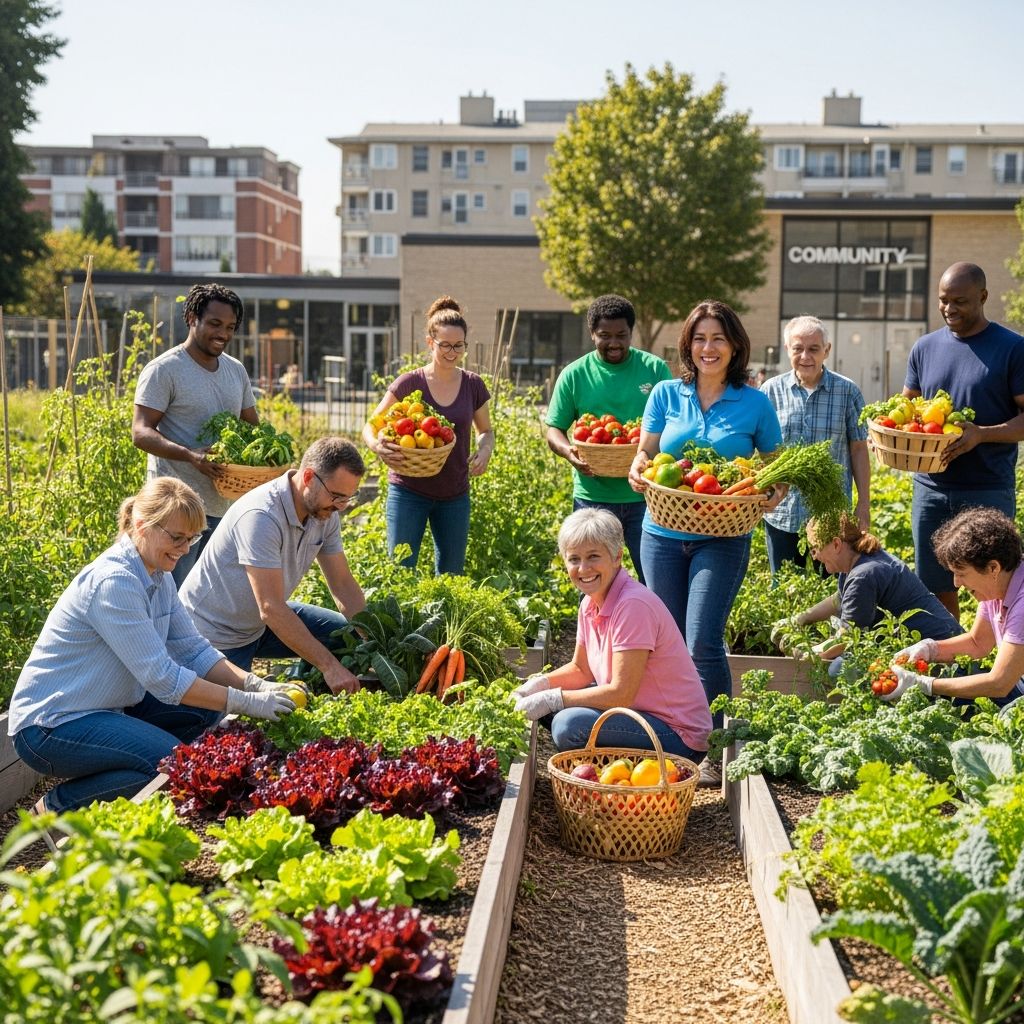
- Community Gardens: Urban plots teach families to grow snacks like cherry tomatoes and herbs, fostering self-reliance.
- Snack Vending Upgrades: Schools replace sugary machines with ones offering yogurt, nuts, and veggies, subsidized by local businesses.
These efforts prioritize dignity, avoiding stigma through anonymous distribution.
Case Studies: Success Stories Across Regions
In Southern states with 15.0% insecurity, church coalitions partner with farms for weekly ‘snack shares,’ providing apples, carrots, and hummus. A Midwest city launched a ‘Snack Equity Alliance,’ training volunteers to stock corner stores with affordable healthy options via micro-grants.
| Region | Program Type | Impact (Est. Served) | Key Partners |
|---|---|---|---|
| South | Mobile Pantries | 5,000 families/month | Churches, Farms |
| Midwest | Store Stocking | 2,500 kids | Local Businesses |
| Urban North | School Hubs | 10,000 students | NGOs, Schools |
| Rural West | Gardens | 1,200 households | Volunteers, Cities |
These models adapt to local needs: urban programs focus on density, rural on transport.
Role of Partnerships in Scaling Impact
Nonprofits like Feeding America collaborate with schools for seamless integration. Businesses donate surplus snacks; retailers host ‘healthy aisle’ challenges. Faith groups provide space and volunteers, while tech apps match donors with needs in real-time.
Government ties strengthen via expanded Child and Adult Care Food Program (CACFP) snacks. Advocates push for sustained funding amid SNAP shifts.
Health and Educational Benefits of Equitable Snacking
Nutritious snacks boost concentration, reducing absenteeism by 15% in participating schools. They combat malnutrition, lowering obesity risks in food-insecure kids. Long-term, they build lifelong healthy habits, easing healthcare burdens.
Overcoming Barriers: Logistics, Funding, and Stigma
Challenges include funding volatility and logistics in sparse areas. Solutions: Crowdfunding, corporate matching, and policy advocacy for meal reimbursements. Anti-stigma training ensures programs feel empowering.
With USDA ending annual reports post-2024, local data collection becomes vital for tracking progress.[10]
Future Directions: Policy and Grassroots Synergy
Communities urge SNAP restoration and bills like the Food Assurance Act to mandate data. Innovations like snack subscription boxes for low-income families and AI-optimized distributions loom. Scaling requires cross-sector commitment.
Frequently Asked Questions
How prevalent is child food insecurity?
14.1 million children, or 1 in 5, lived in food-insecure households in 2024—the highest since 2014.
What causes snacking inequality?
High costs, food deserts, and reliance on processed foods limit healthy options for low-income families.
Can communities really make a difference?
Yes—programs like backpack initiatives serve thousands, improving nutrition and school performance.
What about federal programs like SNAP?
Cuts risk worsening hunger for millions; local efforts fill immediate gaps.
How to get involved locally?
Volunteer at pantries, donate to gardens, or advocate for school snack policies.
References
- USDA Food Security Report Reveals 47.9 Million Americans Facing… — Food Research & Action Center. 2025-12-31. https://frac.org/news/usdafoodsecurityreportdec2025
- Final USDA Food Report Reveals Food Insecurity in America… — Bread for the World. 2025-12-30. https://www.bread.org/article/final-usda-food-report-reveals-food-insecurity-in-america-remains-high/
- Food insecurity around the U.S. has risen this year, survey finds — CBS News. 2025. https://www.cbsnews.com/news/food-insecurity-us-purdue-university-usda/
- USDA’s final hunger report indicates rising food insecurity rates — Nutrition Insight. 2025. https://www.nutritioninsight.com/news/us-food-insecurity-usda-ends-hunger-reporting.html
- Hunger rose slightly in the U.S., a new report shows. The USDA… — KCUR. 2026-01-08. https://www.kcur.org/environment-agriculture/2026-01-08/hunger-u-s-report-usda-data
- The Last U.S. Hunger Data: What We Lose with the… — Center for Strategic and International Studies. 2025. https://www.csis.org/analysis/last-us-hunger-data-what-we-lose-termination-usdas-household-food-security-united-states
- Feeding America statement on the USDA’s 2024 food security report — Feeding America. 2025. https://www.feedingamerica.org/about-us/press-room/feeding-america-statement-usda-2024-food-security-report