Quality sleep is essential for children’s growth, learning, and emotional well-being. Disruptions in sleep patterns can lead to irritability, poor concentration, and long-term health issues. This article explores prevalent sleep disturbances in young ones, their root causes, telltale signs, and practical strategies for resolution.
Why Sleep Matters for Growing Kids
Sleep supports physical development, cognitive function, and immune health in children. Insufficient rest often manifests as behavioral challenges rather than overt tiredness, making early detection vital. According to medical experts, up to 50% of kids experience some form of sleep disruption at various stages.
During deep sleep phases, the body releases growth hormones, consolidates memories, and repairs tissues. When interrupted, children may exhibit hyperactivity or attention deficits mimicking other conditions like ADHD.
Prevalent Types of Sleep Disruptions in Youth
Children’s sleep problems span a range from behavioral insomnia to complex neurological disorders. Understanding these categories aids parents in seeking appropriate help.
Breathing-Related Interruptions
Obstructive sleep apnea (OSA) affects 1-5% of children, caused by airway blockages from enlarged tonsils, obesity, or facial structures. Kids gasp, snore loudly, or adopt unusual sleeping positions, leading to fragmented rest and daytime exhaustion.
Excessive Daytime Drowsiness Conditions
Hypersomnia, including narcolepsy, involves uncontrollable sleep episodes during wakefulness. Linked to neurological factors, it causes sudden muscle weakness or hallucinations at sleep transitions. Prevalence is low but impactful on school performance.
Unsettling Limb Movements
Restless legs syndrome (RLS) and periodic limb movement disorder impact 2-4% of U.S. children, creating urges to move legs worsened by rest. Often genetic or tied to iron deficiency, symptoms intensify evenings, disrupting bedtime.
Behavioral Insomnia Patterns
Common in toddlers up to age 5, this stems from irregular routines or resistance, resulting in prolonged time to fall asleep. Older kids may struggle due to screen exposure or anxiety.
Parasomnia Events
- Night terrors: Intense screaming episodes with rapid heart rate; child remains unresponsive and forgets the event.
- Sleepwalking: Navigating environments unconsciously, risking injury; triggered by sleep deprivation or apnea.
- Confusional arousals: Partial awakenings with moaning or disorientation.
- Nightmares: Vivid REM-stage dreams causing full awakenings and recall.
- Sleep-related eating: Ingesting unusual items nocturnally.
Root Causes Behind Pediatric Sleep Woes
Sleep issues arise from multifaceted origins, often intertwining biology, environment, and habits.
| Cause Category | Examples | Impact on Sleep |
|---|---|---|
| Genetic Predispositions | Narcolepsy, RLS | Inherited neurological sensitivities leading to chronic disruptions. |
| Medical Comorbidities | Asthma, allergies, ADHD, obesity | Physical discomfort or breathing difficulties interrupting cycles. |
| Environmental Triggers | Noise, light, irregular schedules | Preventing onset or causing arousals. |
| Psychological Stressors | Anxiety, trauma | Heightened arousal delaying sleep initiation. |
Obesity notably elevates OSA risk across ages, while inconsistent bedtimes foster insomnia in early years.
Spotting the Warning Signs Early
Children rarely complain of sleepiness; instead, watch for:
- Snoring, gasping, or breathing pauses.
- Bedwetting, teeth grinding, or restless tossing.
- Daytime irritability, hyperactivity, or focus lapses.
- Unexplained injuries from nocturnal wanderings.
- Morning headaches or performance drops.
These cues warrant tracking sleep logs for patterns before consulting professionals.
Diagnostic Approaches for Accurate Insights
Pediatricians start with history and exams, escalating to:
- Polysomnography (sleep studies) for apnea or movements.
- Actigraphy watches for circadian patterns.
- Blood tests for iron levels in RLS.
NYU Langone emphasizes distinguishing hypersomnia causes like concussion from primary disorders.
Effective Management and Treatment Options
Lifestyle Adjustments First
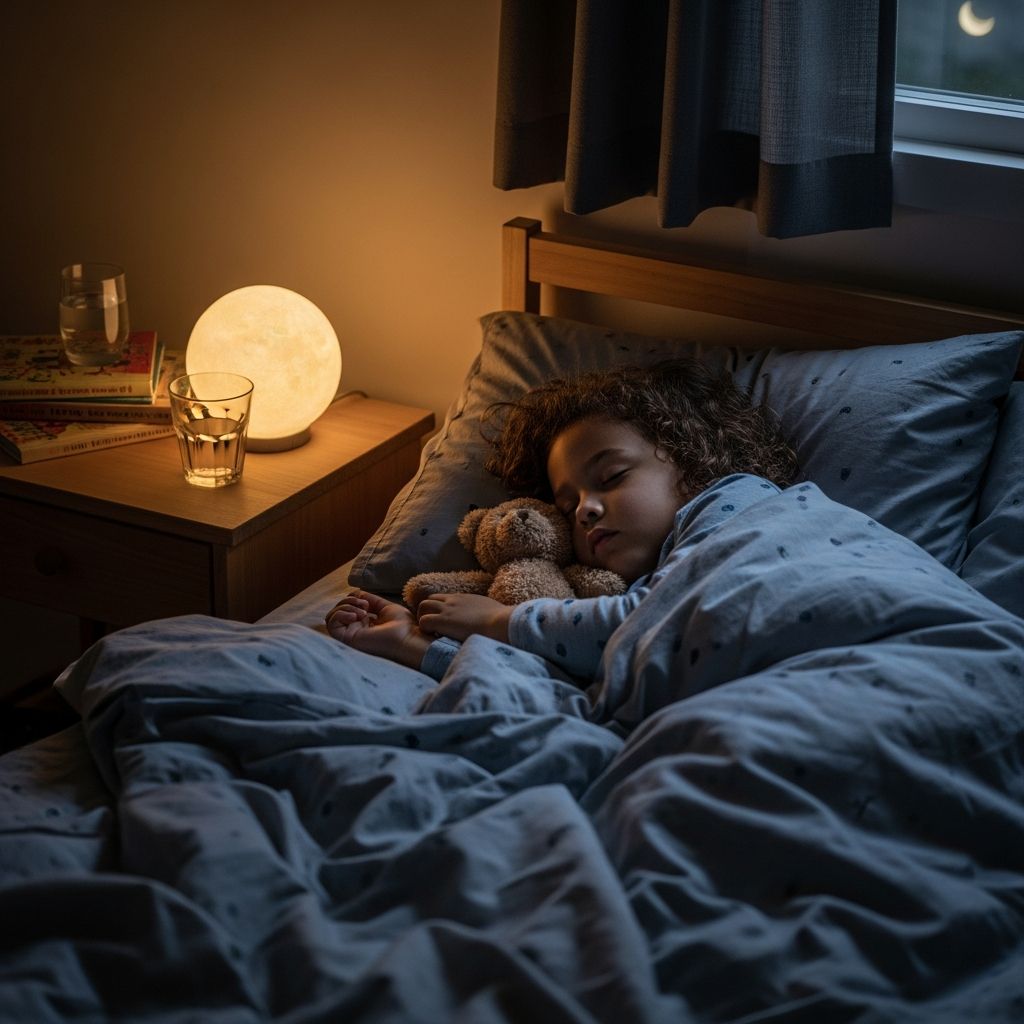
Establish consistent routines: dim lights pre-bed, limit screens, ensure cool, dark rooms. Promote physical activity daytime but not evenings.
Medical Interventions
- OSA: Tonsillectomies resolve most cases; CPAP for persistent.
- RLS: Iron supplements if deficient; medications rarely.
- Narcolepsy: Stimulants for wakefulness, scheduled naps.
- Parasomnias: Safety-proof environments; treat triggers like OSA.
Behavioral therapies excel for insomnia, teaching relaxation sans meds.
Building Healthy Sleep Foundations at Home
Parents play pivotal roles:
- Set age-appropriate sleep durations: 11-14 hours for toddlers, 9-11 for school-age.
- Use wind-down rituals like reading, avoiding caffeine.
- Monitor for consistency across caregivers.
- Address anxiety via open talks or therapy.
Tracking improvements via journals helps refine approaches.
Long-Term Outlook and Prevention Strategies
Early intervention prevents academic, behavioral sequelae. Most parasomnias resolve by adolescence; persistent issues need specialist oversight. Foster hygiene from infancy to mitigate risks.
Frequently Asked Questions (FAQs)
Is snoring always a sign of sleep apnea in kids?
Not necessarily, but combined with gasps or fatigue, it merits evaluation. About 1-5% have OSA.
How can I tell night terrors from nightmares?
Terrors occur early night, non-responsive screaming; nightmares later, with recall and comfort-seeking.
Does screen time before bed affect children’s sleep?
Yes, blue light suppresses melatonin; aim for 1-hour cutoff.
Can diet influence restless legs in children?
Iron-rich foods help if deficient; consult for tests.
When should we see a sleep specialist?
If home strategies fail after 2-4 weeks or severe symptoms like apnea persist.
References
- Sleep Disorders in Children: Causes, Symptoms, and Solutions — Goldsboro Pediatrics. 2023. https://www.goldsboropediatrics.com/articles_Sleep-Disorders-in-Children-Causes-Symptoms-and-Solutions.php
- Types of Sleep Disorders in Children — NYU Langone Health. 2024-10-15. https://nyulangone.org/conditions/sleep-disorders-in-children/types
- Common Sleep Disorders in Children — American Academy of Family Physicians (AAFP). 2014-03-01. https://www.aafp.org/pubs/afp/issues/2014/0301/p368.html
- Sleep Disorders in Children — Sleep Foundation. 2025-01-10. https://www.sleepfoundation.org/children-and-sleep/sleep-disorders-in-children
- Sleep Disorders in Children: Symptoms and Treatments — WebMD. 2024. https://www.webmd.com/sleep-disorders/children-sleep-problems
- Sleep Disorders in Children — Children’s Hospital Colorado. 2024. https://www.childrenscolorado.org/conditions-and-advice/conditions-and-symptoms/conditions/sleep-disorders-children/