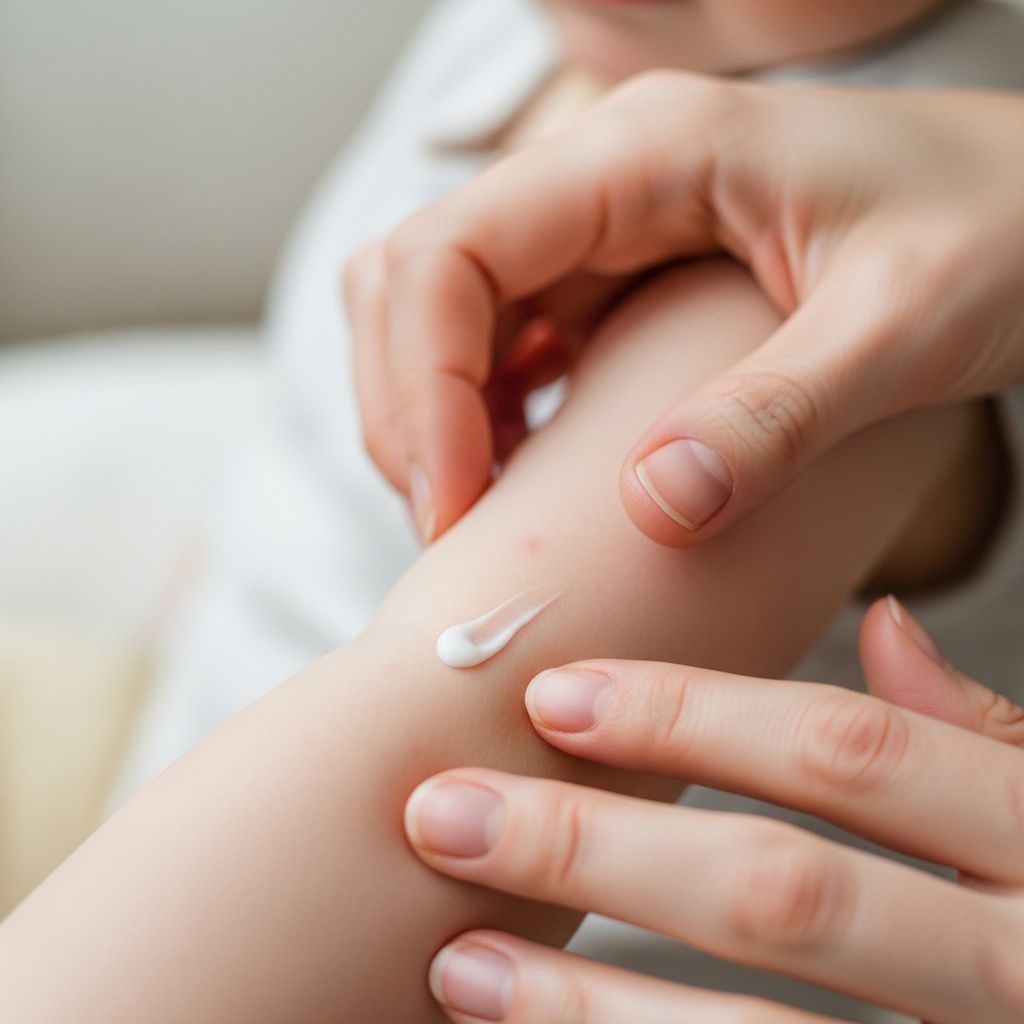
Skin rashes are among the most frequent complaints in pediatric care, affecting children of all ages due to their sensitive skin and developing immune systems. From mild irritations to more persistent conditions, understanding these rashes empowers parents to provide prompt relief and prevent complications. This guide draws on established pediatric protocols to outline recognition, home management, and professional interventions for common rashes.
Why Children Experience Frequent Skin Issues
Children’s skin is thinner and more permeable than adults’, making it prone to reactions from environmental factors, infections, or allergies. Viral illnesses often trigger widespread rashes, while chronic conditions like eczema stem from genetic predispositions and triggers such as dry air or certain foods. Early intervention reduces discomfort and secondary infections from scratching.
Maintaining skin hydration is foundational. Daily moisturizing creates a barrier against irritants, and avoiding harsh soaps prevents flare-ups. Pediatric experts emphasize gentle routines to support the skin’s natural healing.
Recognizing Prevalent Types of Rashes in Young Ones
Distinguishing rash characteristics aids in appropriate care. Below are descriptions of frequent types, their appearances, and typical durations.
- Viral Exanthems: Flat or raised pink spots across the body, often with fever. Examples include those from roseola or fifth disease, resolving in days without scarring.
- Hives (Urticaria): Red, itchy welts that appear and fade quickly, triggered by allergies or infections. They rarely last over 24 hours in one spot.
- Eczema (Atopic Dermatitis): Dry, inflamed patches on elbows, knees, or cheeks, intensely itchy and prone to cracking.
- Contact Dermatitis: Localized red bumps from irritants like plants or soaps, sometimes blistered.
- Impetigo: Honey-crusted sores around mouth or nose, bacterial in origin and contagious.
| Rash Type | Key Features | Duration | Contagious? |
|---|---|---|---|
| Viral Exanthems | Diffuse pink/red spots, fever | 3-7 days | Yes, during viral phase |
| Hives | Itchy wheals, migrate | Hours to days | No |
| Eczema | Dry, scaly, weepy | Chronic | No |
| Impetigo | Crusted blisters | 1-2 weeks untreated | Yes |
Step-by-Step Home Treatment Protocols
Most rashes improve with conservative measures. Start by assessing severity: mild itching warrants home care, while spreading lesions or high fever need evaluation.
Cooling and Soothing Baths
Baths are a cornerstone of rash management. Use lukewarm water (not hot) for 10-15 minutes to calm inflammation. Add colloidal oatmeal or baking soda to soothe itching—proven to reduce discomfort in viral rashes and eczema. Pat dry gently; never rub.
- Frequency: 1-2 times daily during flares.
- Avoid: Bubble baths, scented products.
- Follow-up: Apply moisturizer within 3 minutes.
Moisturizing Routines for Lasting Relief
Lock in hydration post-bath with thick, fragrance-free ointments like petroleum jelly. For eczema, apply twice daily to prevent dryness-induced flares. Creams outperform lotions due to higher oil content.
Wet wraps enhance absorption: After moisturizer, wrap damp pajamas over affected areas for 30-60 minutes or overnight in a warm room. This technique intensifies relief for stubborn eczema.
Over-the-Counter Symptom Controllers
For itching, 1% hydrocortisone cream applied sparingly 2-3 times daily targets inflamed spots. Antihistamines like cetirizine (age-appropriate dosing) curb hives effectively.
Fever management uses acetaminophen or ibuprofen, avoiding aspirin due to Reye’s syndrome risk. Hydration with fluids prevents dehydration.
Advanced Interventions for Persistent Rashes
When home methods fall short, escalate care. For eczema unresponsive to topicals, non-steroid options like crisaborole or ruxolitinib reduce inflammation without thinning skin, ideal for sensitive areas.
Bacterial rashes like impetigo require topical antibiotics (e.g., mupirocin) or oral if widespread. Dilute bleach baths (1/2 cup in full tub) combat eczema superinfections by targeting staph bacteria.
Viral rashes like chickenpox may warrant antivirals in high-risk cases, alongside calamine lotion to dry blisters.
Prevention Tactics to Minimize Future Episodes
Proactive steps reduce recurrence. Trim nails short to deter scratching, dress in loose cotton, and maintain cool environments. For allergy-prone kids, identify triggers via elimination diets or patch testing.
- Vaccinations prevent varicella and other exanthems.
- Daily gentle cleansing with hypoallergenic products.
- Humidifiers in dry climates for eczema control.
When to Escalate to Professional Care
Monitor for danger signs: rash with fever >102°F (39°C), breathing issues, facial swelling, pus, or non-fading purplish spots (possible meningococcemia). Seek immediate help if rash spreads rapidly or follows head injury.
Chronic rashes lasting >2 weeks merit pediatrician or dermatologist review for allergy testing or prescriptions.
Frequently Asked Questions
Can I use hydrocortisone on my baby’s face?
Use sparingly under 1 year; consult a doctor first, as facial skin absorbs more.
How do I stop my child from scratching at night?
Short nails, cotton mittens, oral antihistamines, and wet wraps help.
Is oatmeal bath safe for all rashes?
Yes for most itchy ones; avoid open wounds.
Does diet affect eczema?
Common allergens like dairy may trigger; track and discuss with a provider.
When is a rash an emergency?
If accompanied by lethargy, high fever, or swelling hindering breathing.
Long-Term Skin Health for Growing Kids
Beyond acute care, foster habits like sunscreen use and prompt irritant removal. Educating families on skin barrier science empowers confident management, reducing pediatric visits. Regular check-ups catch evolving issues early.
In summary, armed with these strategies—from oatmeal baths to targeted topicals—parents can navigate rashes effectively, promoting comfort and resilience in young skin.
References
- Widespread Rashes in Kids — St. Louis Children’s Hospital. 2023. https://www.stlouischildrens.org/health-resources/symptom-checker/rash-widespread
- Viral Exanthems Rashes — Children’s National Hospital. 2024. https://www.childrensnational.org/get-care/health-library/viral-exanthems-rashes
- Common Types of Skin Rashes in Children and Treatment Options — Children’s Skin Center. 2025-12-05. https://www.childrensskincenter.com/2025/12/05/common-types-of-skin-rashes-in-children-and-treatment-options/
- How to Treat & Control Eczema Rashes in Children — American Academy of Pediatrics (healthychildren.org). 2024. https://www.healthychildren.org/English/health-issues/conditions/skin/Pages/How-to-Treat-and-Control-Eczema-Rashes-in-Children.aspx
- Rashes: First Aid — Nemours KidsHealth. 2024. https://kidshealth.org/en/parents/rashes-sheet.html
- Common Rashes in Kids: What to Know — Sutter Health. 2024. https://www.sutterhealth.org/health/common-rashes-in-kids-what-to-know
- Rashes in babies and children — NHS. 2025. https://www.nhs.uk/symptoms/rashes-babies-and-children/