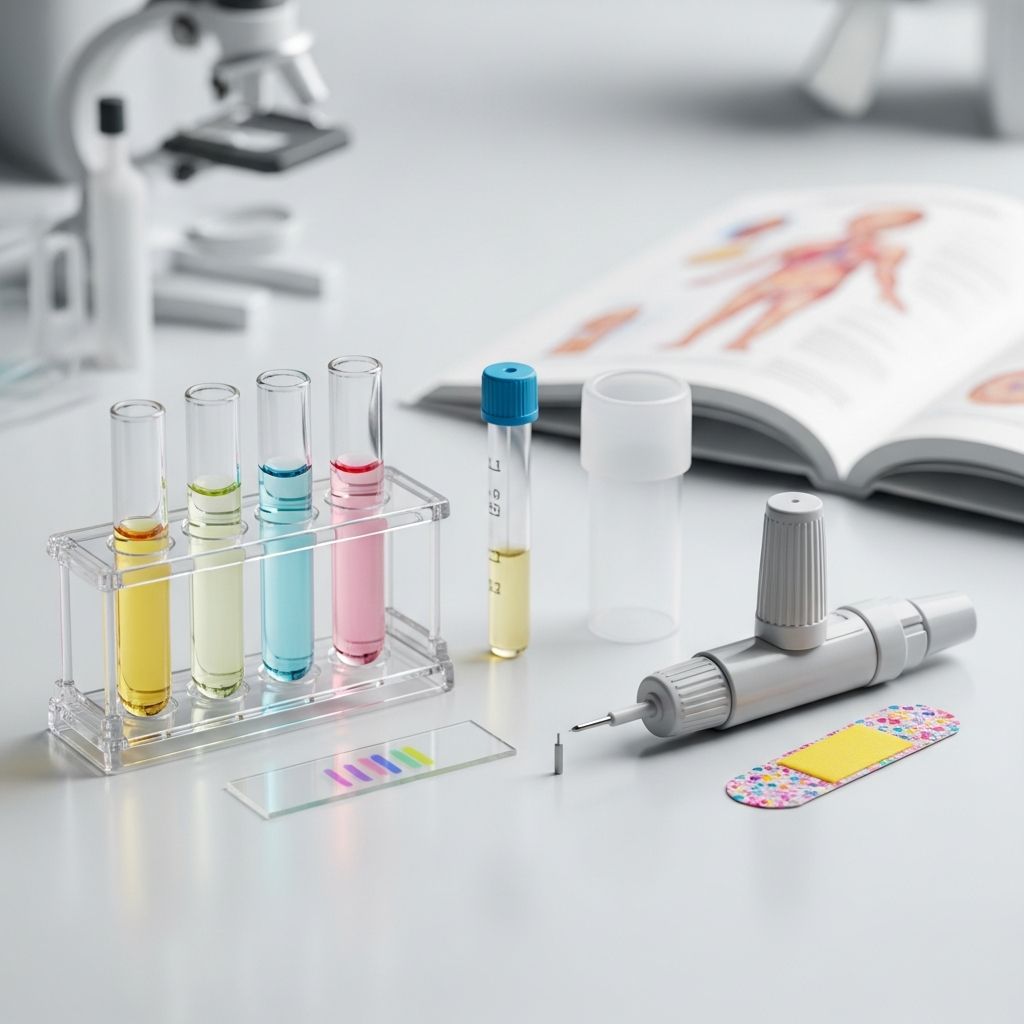
Routine laboratory testing plays a vital role in pediatric healthcare, helping doctors assess a child’s overall health, diagnose illnesses, and monitor chronic conditions. From blood draws to urine samples, these tests provide critical insights into organ function, nutrient levels, and infection risks. Parents often encounter these during well-child visits, illness evaluations, or before surgeries. Understanding what each test involves empowers families to support their child’s care confidently.
Why Lab Tests Matter in Pediatric Care
Lab tests are non-invasive tools that reveal hidden health issues before symptoms appear. For instance, they screen for anemia, diabetes risks, or kidney problems in growing children. Early detection allows timely interventions, preventing complications. According to the National Heart, Lung, and Blood Institute (NHLBI), common blood tests like complete blood counts help track oxygen-carrying capacity and immune responses in kids[10]. Pediatricians tailor tests by age, with newborns often screened for metabolic disorders and school-age children checked for cholesterol during wellness exams.
These evaluations also guide treatment for infections or nutritional deficiencies. High-quality sources emphasize that while most tests are straightforward, preparation reduces anxiety for young patients. Parents should discuss results with providers, as reference ranges differ for children versus adults due to growth stages.
Basic Metabolic Panel: Checking Core Body Functions
The **basic metabolic panel (BMP)** is a foundational blood test evaluating kidney performance, electrolyte balance, blood sugar, and calcium levels. It’s commonly ordered during routine checkups or dehydration concerns in children. This panel includes glucose to spot diabetes risks, sodium and potassium for nerve and muscle function, and creatinine for kidney filtration efficiency.
Kids might need a BMP if showing fatigue, vomiting, or poor growth. Fasting is usually required, meaning no food or drink except water for 8-12 hours beforehand. A simple arm venipuncture collects the sample. Abnormal results could indicate dehydration or electrolyte imbalances from illnesses like gastroenteritis. Parents can reassure children by explaining it’s quicker than a flu shot.
- Key Components: Glucose, calcium, sodium, potassium, chloride, CO2, BUN, creatinine.
- Preparation: Fasting; inform doctor of medications.
- Typical Use: Wellness exams, diabetes screening, kidney checks.
Comprehensive Metabolic Panel: A Deeper Health Snapshot
Building on the BMP, the **comprehensive metabolic panel (CMP)** adds liver function and protein assessments, offering a fuller picture of metabolic health. It measures enzymes like ALT and AST for liver health, albumin for nutrition status, and bilirubin for jaundice risks in infants. This test is ideal for children with abdominal pain, jaundice, or medication side effect monitoring.
Like the BMP, fasting is essential. Results help diagnose liver conditions or malnutrition, common in picky eaters or chronic illness cases. Cleveland Clinic notes CMPs are routine in pediatric annual exams to baseline organ function as kids grow. Elevated liver enzymes might prompt further ultrasound imaging.
| Component | Measures | Child-Specific Insight |
|---|---|---|
| Glucose | Blood sugar | Detects hypoglycemia in toddlers |
| ALT/AST | Liver enzymes | Monitors hepatitis or fatty liver |
| Albumin | Protein levels | Assesses nutrition in growth phases |
| Bilirubin | Liver byproduct | Checks for newborn jaundice |
Complete Blood Count: Tracking Blood Cells and Immunity
The **complete blood count (CBC)** with differential is among the most ordered pediatric tests, counting red cells, white cells, and platelets. It diagnoses anemia from iron deficiency—prevalent in young children—and infections via elevated white cells[10]. The differential breaks down white cell types: neutrophils for bacterial fights, lymphocytes for viruses.
No fasting needed, making it kid-friendly. Used for fever workups, fatigue, or post-chemotherapy monitoring in rare pediatric cancers. MedlinePlus highlights its role in detecting sickle cell disease or leukemia early. Low hemoglobin might lead to iron supplements; high platelets could signal inflammation.
- Red blood cells: Oxygen transport; low in anemia.
- White blood cells: Infection fighters; types include neutrophils (60-70% normal).
- Platelets: Clotting; monitored pre-surgery.
Lipid Profile: Heart Health from a Young Age
**Lipid panels** measure cholesterol types (HDL good, LDL bad), triglycerides, and ratios to gauge cardiovascular risk. Though less common in toddlers, they’re recommended for kids over 9 with obesity, diabetes family history, or high-risk ethnic backgrounds per NHLBI guidelines[10]. Fasting ensures accuracy.
Abnormal lipids prompt lifestyle changes like diet tweaks. Early screening prevents adult heart disease, as childhood obesity rates rise. Results include total cholesterol under 170 mg/dL as desirable for kids.
Coagulation Tests: Ensuring Safe Bleeding Control
**Prothrombin time (PT/INR)** and **partial thromboplastin time (PTT)** assess blood clotting, crucial before surgeries or for kids on blood thinners. They detect vitamin K deficiencies or hemophilia. A simple blood draw suffices; no fasting typically.
Prolonged times might indicate liver issues affecting clotting factors. Parents of bleeding-prone children value these for safety assurance.
Urinalysis: Insights from Urine Samples
**Urinalysis (UA)** examines urine for infections, diabetes (sugar presence), or kidney stones via pH, protein, cells, and bacteria. Kids provide midstream samples; toddlers use bags. It’s quick for UTIs causing bedwetting or pain.
Positive nitrites suggest bacteria; casts indicate kidney stress. Hydration aids collection.
Thyroid Function Tests: Balancing Growth Hormones
**Thyroid panels** (TSH, T4, T3) check hormone levels vital for metabolism, brain development, and height. Newborn screening is standard; later tests probe growth delays or hyperactivity. Fasting rarely needed.
High TSH signals hypothyroidism, treatable with pills for normal development.
Preparing Your Child for Lab Tests
Minimize stress with age-appropriate explanations: ‘It’s a quick pinch like a vaccine.’ Distraction via toys or videos helps. For infants, feeding post-draw comforts. Discuss phobias beforehand; some labs offer numbing cream. Post-test, praise bravery and watch for bruising.
Results take hours to days; abnormal ones trigger follow-ups. Empower kids by involving them in questions for doctors.
Understanding Test Results and Next Steps
Pediatric ranges vary by age/sex; e.g., higher white counts in infants are normal. Discuss with pediatricians—don’t self-interpret. Trends over time matter more than single results. If flagged, retests or specialists follow.
Frequently Asked Questions (FAQs)
Are lab tests painful for babies?
Minimal discomfort from heel sticks; swaddling and sucrose soothe. Older kids get topical anesthetics.
How often do healthy kids need blood tests?
Typically annually during checkups; more if risks like obesity exist.
What if my child’s results are abnormal?
Doctors explain and retest or treat; most issues are manageable.
Can I be present during the draw?
Yes, parental presence calms most children.
Do all tests require fasting?
No, but metabolic/lipid panels do; confirm with the lab.
Empowering Parents in Pediatric Diagnostics
Lab tests demystify health mysteries, from routine screens to illness diagnostics. By grasping their scope—from BMPs gauging electrolytes to CBCs flagging anemias—parents partner effectively in care. Stay proactive: track family history, promote nutrition, and advocate during visits. These insights ensure kids thrive.
References
- Common Lab Tests — Baxter Health. 2023. https://www.baxterhealth.org/medical-services/lab-pathology/common-lab-tests/
- Understanding Your Labs — University Health. 2024-01-15. https://www.universityhealth.com/blog/understanding-your-labs
- Directory of Common Lab Tests — Poudre Valley Health System. 2022. https://www.testmenu.com/PoudreValleyHealthSystem/TestDirectory/SiteFile?fileName=sidebar%5CDirectory+of+Common+Lab+Tests+.pdf
- Medical Tests — MedlinePlus (U.S. National Library of Medicine). 2025-10-01. https://medlineplus.gov/lab-tests/
- Blood Tests — NHLBI, NIH. 2024-05-20. https://www.nhlbi.nih.gov/health/blood-tests
- Blood Tests: Types, Results & How They Work — Cleveland Clinic. 2025-03-12. https://my.clevelandclinic.org/health/diagnostics/24508-blood-tests