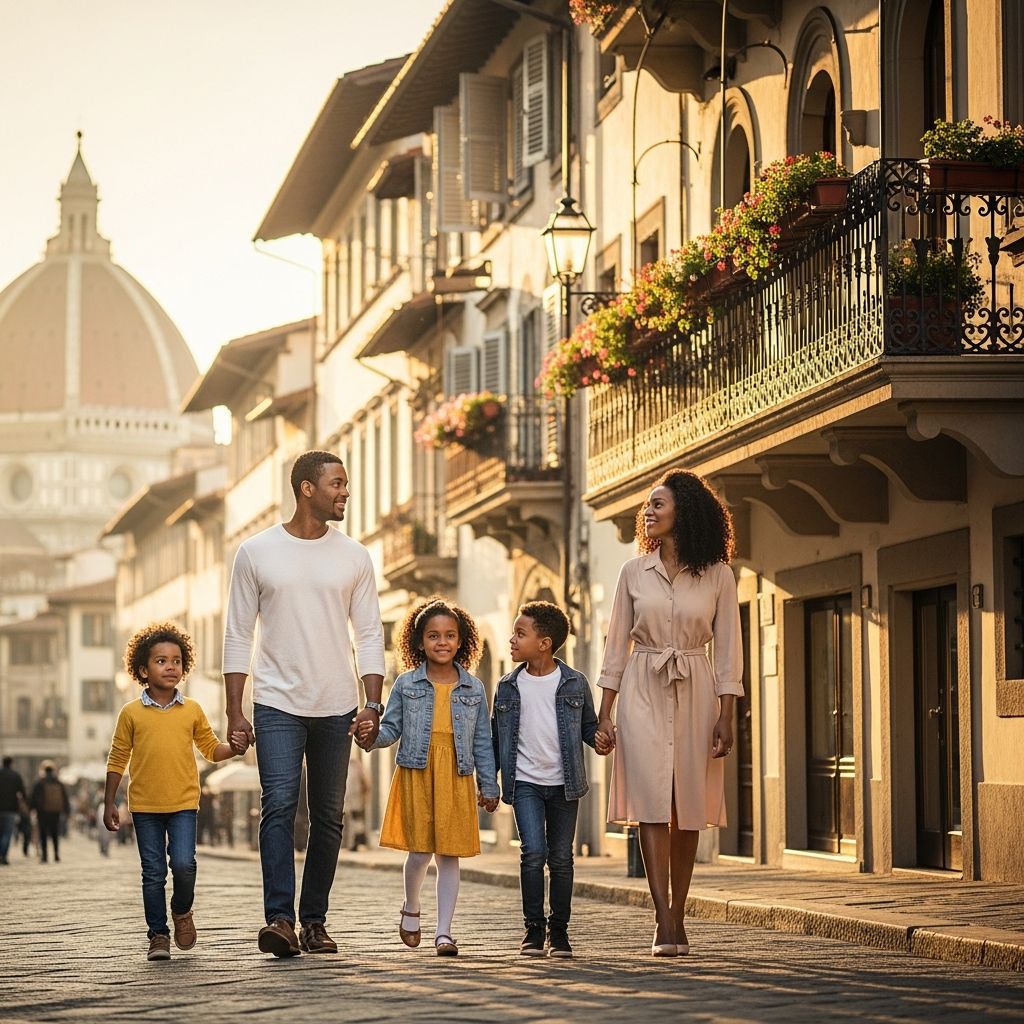
Relocating abroad with family offers Black parents unique opportunities to expose children to diverse cultures and lifestyles, but it also presents distinct challenges related to race, identity, and belonging. This guide draws on real experiences to provide actionable strategies for nurturing resilient, culturally aware Black youth in international settings.
Understanding the Unique Landscape of Expat Life for Black Families
Living overseas as a Black family means encountering varying levels of racial awareness and acceptance. In some countries, children may experience their Blackness as a novelty, leading to positive curiosity, while in others, entrenched biases create microaggressions or isolation. Parents must proactively shape their child’s worldview to build confidence amid these dynamics.
For instance, in places with minimal Black populations, kids might face sensory overload from constant stares or questions about their hair and heritage. Preparation involves open discussions about potential reactions, framing them as learning moments rather than threats. This approach helps children develop emotional tools to navigate unfamiliar social terrains confidently.
Building Racial Pride and Identity from Afar
Maintaining a strong sense of racial identity is crucial when Black children grow up surrounded by majority non-Black environments. Parents can instill pride through daily rituals like celebrating African diaspora holidays, reading books by Black authors, and connecting with virtual Black communities online.
- Daily Affirmations: Start mornings with positive statements about Black excellence, such as referencing historical figures like Wangari Maathai or modern icons like Serena Williams.
- Cultural Artifacts: Pack family heirlooms, music playlists featuring Afrobeats or jazz, and cook traditional meals to keep heritage alive.
- Mentorship Networks: Link children with online mentors from similar backgrounds via platforms dedicated to Black expats.
These practices counteract potential erasure and foster a dual identity that embraces both host country culture and roots.
Fostering Community and Support Systems Abroad
One of the biggest hurdles is replicating the ‘village’ concept in isolation. Black expat parents often leverage local and international networks to create safety nets. In Poland, for example, community members provided essentials like diapers and medical guidance to new Black families, demonstrating unexpected solidarity.
Strategies include:
- Joining expat Facebook groups for Black families in specific cities.
- Attending international schools with diversity policies to ensure peer connections.
- Participating in local African diaspora events or churches for spiritual and social ties.
These connections reduce isolation and provide role models who understand intersectional challenges.
Navigating Education and Schooling Choices
Choosing the right school is pivotal. International schools often offer multicultural environments ideal for third culture kids (TCKs), who develop global mindsets but risk identity confusion. Local public schools immerse families deeper but may lack racial sensitivity training.
| School Type | Pros for Black Children | Cons | Best For |
|---|---|---|---|
| International | Diverse peers, English instruction, global curriculum | High costs, transient community | Families prioritizing networking |
| Local Public | Cultural immersion, lower cost | Language barriers, potential bias | Long-term residents |
| Private Bilingual | Balanced integration, quality education | Variable diversity | Short-term expats |
Regardless of choice, advocate for anti-bias curricula and monitor for bullying related to race or hair.
Addressing Health, Safety, and Daily Practicalities
Healthcare access demands research; find English-speaking pediatricians familiar with diverse needs, like curly hair care or vitamin D supplements for darker skin in low-sun areas. Safety planning includes teaching age-appropriate responses to racism, such as documenting incidents and seeking embassy support.
For travel, equip children with emergency contacts and cultural do’s/don’ts charts. In high-risk areas, discuss hypervigilance without instilling fear—balance empowerment with realism.
Cultural Adaptation: Balancing Heritage and Host Culture
Raising African children abroad involves bridging home traditions with new norms. Parents face pressures to enforce strict cultural expectations like academic excellence in ‘doctor or lawyer’ fields, clashing with host countries’ emphasis on creativity and work-life balance.
Key adaptation tips:
- Open Dialogues: Hold regular family meetings to discuss feelings of dual belonging.
- Flexibility: Allow children to blend customs, like celebrating Christmas with African festivals.
- Language Learning: Prioritize host language classes to build confidence and friendships.
This flexibility prevents rebellion and promotes hybrid identities that thrive globally.
Preparing Children for International Moves
Age-appropriate honesty prevents trauma. For young kids, use visual timelines; teens benefit from realistic pros/cons talks. Post-move, schedule check-ins with family back home via video to combat homesickness.
Common TCK challenges include:
- Anxiety from frequent relocations.
- Struggles forming deep friendships.
- Repatriation difficulties upon return.
Mitigate with therapy access and TCK support groups.
Parental Mindset: Self-Care and Advocacy
Parents must model resilience. White parents of Black adoptees, for example, seek Black mentors to guide nuanced discussions on puberty and race. All caregivers benefit from expat counseling to process their own racial stress.
Self-care routines—yoga, journaling, peer support—ensure sustained parenting energy.
Long-Term Benefits of Global Upbringing
Despite challenges, children gain boundless perspectives, multilingualism, and adaptability. Many grow into culturally respectful adults unbound by single-nation limits, offering brighter futures.
Frequently Asked Questions (FAQs)
How do I talk to my child about racism abroad?
Use stories from Black expat blogs and role-play responses. Emphasize pride and reporting mechanisms.
What if my child faces hair discrimination?
Stock protective styles products and connect with local natural hair communities for support.
Is it safe for Black teens to travel solo overseas?
With preparation like safety apps and check-in protocols, yes—start with supervised group trips.
How to handle cultural clashes with African values?
Foster dialogue; compromise on non-essentials while upholding core principles like respect.
What resources exist for Black expat families?
Groups like Black Expat Directory and TCK Training offer forums, webinars, and relocation guides.
References
- Wanting to Give the World to My Children — EmbraceRace / Megan Dowd Lambert. 2023-07-15. https://www.embracerace.org/resources/wanting-to-give-the-world-to-my-children-or-how-it-felt-to-send-my-black-son-and-daughter-abroad-this-summer
- Why This Black Mom Decided to Leave the U.S. to Raise Her Son — ParentMap. 2022-05-10. https://www.parentmap.com/article/black-america-raise-child-overseas
- Difficulties Of Raising African Children Abroad — YouTube / Kemi Seriki Interview. 2024-03-20. https://www.youtube.com/watch?v=p45Y575Ls0M
- Raising Future Third Culture Kids — The Black Expat. 2023-11-05. https://theblackexpat.com/future-third-culture-kids/
- Challenges of Raising Black Kids in a Foreign Country — YouTube. 2023-08-12. https://www.youtube.com/watch?v=aXrA_Aum7N4