Everyday items in our homes, from cleaning supplies to car fluids, often harbor potent chemicals that can cause irritation, poisoning, or long-term health issues. Families with children and pets face heightened risks from accidental exposure. This guide explores prevalent hazardous substances, their warning signs, health impacts, and strategies for mitigation using reliable data from health authorities.
Why Household Chemicals Pose Hidden Dangers
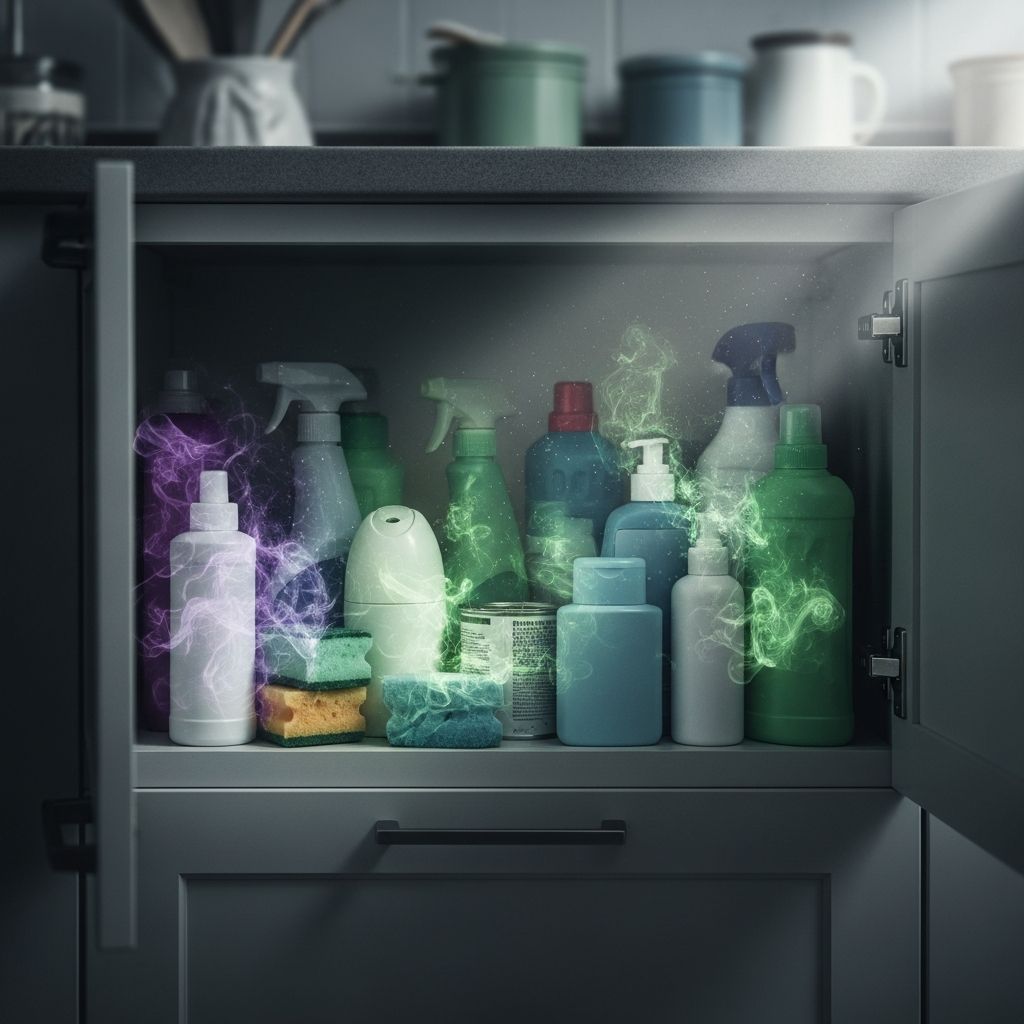
Common products like bleaches, drain openers, and air fresheners contain corrosive agents, volatile compounds, and carcinogens that release fumes or react dangerously when mishandled. Inhalation, skin contact, or ingestion—even in tiny amounts—can trigger immediate symptoms like burns or breathing difficulties, or chronic problems such as respiratory diseases and organ damage. Children are especially vulnerable due to their smaller body size and exploratory behaviors.
Regulatory bodies note that labels often understate risks, with hidden ingredients like per- and polyfluoroalkyl substances (PFAS) evading disclosure. Proactive inventory checks and substitutions are key to safer living spaces.
Common Culprits: Identifying Risky Substances
Scan your cabinets for these frequent offenders. Recognition starts with product types and key ingredients listed on labels.
- Antifreeze: Ethylene glycol-based fluids for vehicles sweeten to taste but devastate kidneys upon swallowing. Even a teaspoon can prove lethal to kids or animals.
- Bleach and Chlorine Products: Sodium hypochlorite causes eye/skin burns and lung irritation via fumes. Pool chemicals amplify respiratory distress.
- Drain and Oven Cleaners: Lye (sodium hydroxide) inflicts chemical burns, blindness, or gastrointestinal perforation if ingested.
- Ammonia-Based Cleaners: Fumes inflame airways, worsening asthma; deadly when blended with bleach.
- Pesticides and Weed Killers: Neurotoxins provoke skin rashes, nausea, or seizures; persistent exposure links to developmental delays.
Beyond cleaners, scrutinize upholstery treatments, nonstick coatings, and fragrances for flame retardants, PFAS, and phthalates—substances tied to hormone disruption and cancer risks.
Health Effects: From Acute to Chronic Exposure
Immediate reactions include coughing, dizziness, vomiting, and burns, escalating to coma or organ failure in severe cases. Prolonged low-level contact from volatile organic compounds (VOCs) in polishes and sprays fosters headaches, allergies, and occupational asthma.
| Chemical Type | Short-Term Effects | Long-Term Risks |
|---|---|---|
| Corrosives (Bleach, Lye) | Skin/eye burns, respiratory distress | Lung damage, scarring |
| Solvents (Paint Thinners) | Headaches, nausea | Nerve damage, cancer |
| PFAS/Flame Retardants | Skin irritation | Immune suppression, obesity |
| Pesticides | Neurological symptoms | Developmental issues |
Data from health agencies confirm these patterns, urging ventilation and protective gear during use.
Decoding Labels: What to Watch For
Seek “Danger,” “Poison,” or “Corrosive” signals. Supplementary hazard pictograms (flame, skull) denote flammability or toxicity. Ingredient lists reveal suspects like formaldehyde in air fresheners or naphthalene in carpet treatments—carcinogens prompting liver/kidney strain.
- Missing details? Cross-reference safety data sheets online from manufacturers.
- Avoid “natural” claims without verification; some harbor VOCs.
Safe Storage and Handling Protocols
Lock chemicals in high, childproof cabinets away from food. Use original containers with intact labels. Never decant into unmarked bottles.
Wear gloves, goggles, and masks; work in well-ventilated areas. Dispose via household hazardous waste programs—never down drains or trash.
The Perils of Mixing Cleaners
Fatal gases emerge from combos: bleach + ammonia yields chloramine (lung edema); bleach + vinegar births chlorine gas (coughing, burns). Social media hacks amplify risks—stick to single-product use.
Switching to Safer Alternatives
Opt for vinegar, baking soda, and castile soap for cleaning. Microfiber cloths reduce chemical needs. Choose PFAS-free cookware and phthalate-free scents.
- DIY All-Purpose Spray: Mix water, vinegar, dish soap, essential oils.
- Drain Unclogger: Baking soda + vinegar fizz beats lye.
- Air Purification: Houseplants over sprays.
Certifications like EPA Safer Choice guide eco-friendly picks.
Creating a Toxin-Free Zone for Families
Conduct monthly audits: tally products, purge hazards. Educate kids on “no touch” rules. Invest in natural-fiber furnishings sans flame retardants. For persistent issues like mold, hire certified remediators.
Frequently Asked Questions
What should I do if someone ingests a chemical?
Call poison control (1-800-222-1222 in US) immediately; do not induce vomiting unless advised. Provide product details.
Are ‘green’ cleaners truly safe?
Not always—check for VOCs. Prioritize transparent labeling.
How do I dispose of old chemicals?
Use local hazardous waste events; avoid sewers or landfills.
Can pets detect chemical risks?
No, but they suffer similarly—store securely.
Do VOCs linger indoors?
Yes, ventilate regularly to disperse them.
Building Lasting Habits for Healthier Homes
Transitioning demands vigilance but yields safer environments. By spotting toxins early, handling judiciously, and embracing alternatives, you shield loved ones from unseen threats. Regular education keeps protections current amid evolving products.
References
- What Are the Most Dangerous Household Chemicals? — PuroClean. 2023. https://www.puroclean.com/blog/what-are-the-most-dangerous-household-chemicals/
- Chemicals in the home — Better Health Channel, Victoria Government. 2023-01-16. https://www.betterhealth.vic.gov.au/health/healthyliving/Chemicals-in-the-home
- Making a Healthier Home — NIH News in Health. 2016-12-01. https://newsinhealth.nih.gov/2016/12/making-healthier-home
- Toxic chemicals in your home — Washington State Department of Ecology. 2024. https://ecology.wa.gov/waste-toxics/community-waste-toxics/at-home
- Cleaning Supplies and Household Chemicals — American Lung Association. 2024. https://www.lung.org/clean-air/indoor-air/indoor-air-pollutants/cleaning-supplies-household-chem
- Dangers of Mixing Household Chemical Cleaners — Village of Skokie. 2023. https://www.skokie.org/1023/Dangers-of-Mixing-Household-Chemical-Cle