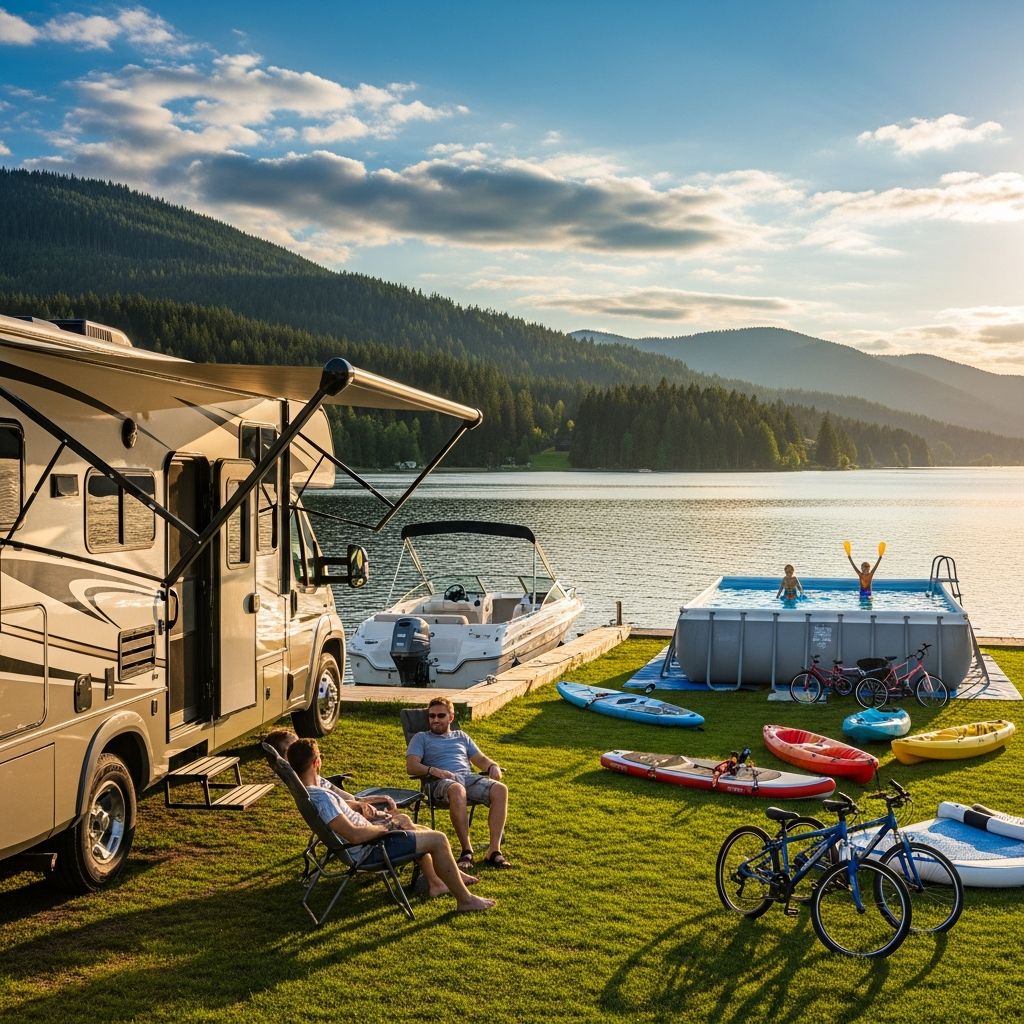
The sharing economy has transformed how we experience travel and leisure, making high-end assets like recreational vehicles, watercraft, and private pools available to everyday adventurers. Platforms connecting owners with renters have exploded in popularity, driven by demand for flexible, authentic outdoor pursuits. In 2026, this sector is poised for robust expansion, fueled by lower fuel costs, major events, and tech innovations.
The Rise of Peer-to-Peer Rental Platforms
Peer-to-peer (P2P) marketplaces act as digital bridges, allowing private owners to monetize idle assets while providing renters diverse, affordable options. Unlike traditional rentals, these apps offer everything from compact campervans to luxury yachts and backyard oases, often at competitive rates. The model mirrors successes like Airbnb, emphasizing trust through reviews, insurance, and verification.
Key drivers include rising disposable incomes among younger demographics, remote work enabling extended trips, and a shift toward experiential travel. Millennials and Gen Z, who prioritize shareable adventures, are leading this charge, boosting mid-term bookings at rates up to 8.94% CAGR.
Market Momentum: Explosive Growth Projections
The recreational vehicle rental market alone underscores the sector’s vitality. Valued at USD 3.2 billion in 2026, it’s forecasted to hit USD 5.8 billion by 2036, growing at a 6.1% CAGR, with motorhomes capturing 52.4% share and leisure travel dominating at 67.8%. Alternative projections peg the global RV rental segment at USD 2.88 billion in 2026, reaching USD 3.82 billion by 2031. Broader camping and caravanning rentals could surge from USD 5,677.1 million in 2025 to USD 15,833.5 million by 2033 at 14.1% CAGR.
| Market Segment | 2026 Value (USD Bn) | Forecast Value (USD Bn) | CAGR | Year |
|---|---|---|---|---|
| RV Rentals (FactMR) | 3.2 | 5.8 | 6.1% | 2036 |
| RV Rentals (Mordor) | 2.88 | 3.82 | 5.82% | 2031 |
| Camping RV Rentals | ~5.68 (2025) | 15.83 | 14.1% | 2033 |
Europe leads regionally, with Croatia poised for the highest growth, while Asia-Pacific accelerates at 11.18% CAGR due to expanding infrastructure. Events like America’s 250th anniversary, Route 66’s centennial, and the 2026 FIFA World Cup will spike demand, alongside low fuel prices.
RV Rentals: The Gateway to Road Trip Freedom
RVs remain the cornerstone, offering self-contained mobility for national parks, festivals, and family escapes. Platforms boast fleets exceeding 100,000 units, blending private and commercial options. One-way rentals and P2P models enhance flexibility, with post-pandemic demand still elevated.
- Motorhomes: 52.4% market share; ideal for luxury group travel with amenities like Wi-Fi and showers.
- Campervans: Compact for solo or couple adventures, trending among digital nomads.
- Towables: Affordable trailers for those with trucks, emphasizing lightweight materials.
Owners benefit from passive income, while renters enjoy vetted insurance at low costs. Tech like AI booking and IoT maintenance streamlines operations.
Boat Rentals: Set Sail on Shared Waters
Beyond land, P2P apps extend to boats, from kayaks to pontoons and yachts. These platforms democratize water access, perfect for coastal getaways or lake days. Renters gain captain optional services, safety gear, and itinerary apps, mirroring RV conveniences.
Trends include electrification for eco-friendly cruising, reducing noise and emissions. Hybrid models now offer 500-mile ranges, addressing range anxiety. Demand surges for fishing charters, sunset tours, and family outings, with apps verifying licenses and weather integration.
Pool and Backyard Rentals: Staycation Innovations
Private pools, hot tubs, and yards are hot commodities for day-use or overnight stays. Families host pool parties, corporate events, or quiet retreats without ownership hassles. Apps handle bookings, cleaning, and liability, often bundling floats, grills, or cabanas.
This niche thrives on urban dwellers seeking resort vibes locally, with add-ons like lifeguards or themed setups. Sustainability features, such as solar heating, appeal to green consumers.
Expanding Horizons: Gear, Jetskis, and Beyond
The ecosystem grows to include ATVs, jetskis, glamping tents, and event equipment. Apps curate bundles—like RV plus boat—for multi-modal trips. Subscription models emerge for frequent users, stabilizing off-peak revenue. Electric options proliferate, supported by 12V systems and lightweight builds.
Benefits Driving Adoption
- Affordability: P2P undercuts traditional firms; test-drive before buying.
- Flexibility: One-way, mid-term, customizable durations.
- Sustainability: Shared use cuts new production; EV fleets reduce emissions.
- Authenticity: Local insights from owners enhance experiences.
- Tech Edge: Apps with GPS, roadside aid, predictive maintenance.
Navigating Rentals: Safety and Smart Tips
Success hinges on due diligence. Verify host ratings, insurance coverage, and vehicle condition via photos/videos. Platforms mandate background checks and deposits. Pro tips:
- Opt for verified listings with 4.8+ stars.
- Confirm add-ons like mileage or pet policies.
- Use in-app messaging for custom requests.
- Inspect on pickup; document issues immediately.
- Plan routes with campground apps for seamless integration.
Affordability pressures favor value-packed options with quick service.
Challenges and Future Outlook
While thriving, hurdles include insurance variances, seasonal dips, and regulatory shifts. International bookings fluctuate, e.g., Canadian drop-offs, but events promise rebounds. Ahead: AI personalization, VR previews, blockchain for trust, and global expansion.
By 2033, expect hyper-growth in electric fleets and subscriptions, blending ownership gaps. Affordability via financing will sustain momentum.
Frequently Asked Questions
What are the hottest RV rental trends for 2026?
Low fuel prices, one-way options, and events like FIFA World Cup drive bookings, with P2P platforms leading.
Are boat and pool rentals safe via apps?
Yes, with verified owners, insurance, and safety protocols standard on reputable platforms.
How much does RV rental cost on average?
Varies by size/location; expect $100-$300/night, cheaper off-peak via P2P.
Can beginners rent high-end gear like yachts?
Absolutely—many include training; start with smaller vessels for confidence.
What’s the environmental impact of rentals?
Positive via sharing; rising EV/hybrid adoption minimizes footprints.
References
- RVshare Anticipates Strong Demand for RV Rentals in 2026 — RV Business. 2026. https://rvbusiness.com/rvshare-anticipates-strong-demand-for-rv-rentals-in-2026/
- Recreational Vehicle Rental Market — FactMR. 2026. https://www.factmr.com/report/recreational-vehicle-rental-market
- $2.45 Bn RV Rental Markets – Global Industry Size, Share, Trends — GlobeNewswire. 2026-02-05. https://www.globenewswire.com/news-release/2026/02/05/3233191/0/en/2-45-Bn-RV-Rental-Markets-Global-Industry-Size-Share-Trends-Opportunity-and-Forecast-2021-2031.html
- Recreational Vehicle (RV) Rentals – Camping And Caravanning Market — Grand View Research. 2026. https://www.grandviewresearch.com/horizon/statistics/camping-and-caravanning-market/vehicle-rental/recreational-vehicle-rv-rentals/global
- RV Industry Outlook for 2026: Technology, Affordability & Growth — RV-Pro. 2026. https://rv-pro.com/uncategorized/rv-industry-outlook-for-2026-technology-affordability-growth/
- Recreational Vehicle Rental Market Size, Growth & Trend Analysis — Mordor Intelligence. 2026. https://www.mordorintelligence.com/industry-reports/recreational-vehicle-rental-market
- Recreational Vehicle Rental Market Size & Competitors — Research and Markets. 2026. https://www.researchandmarkets.com/report/rv-rental