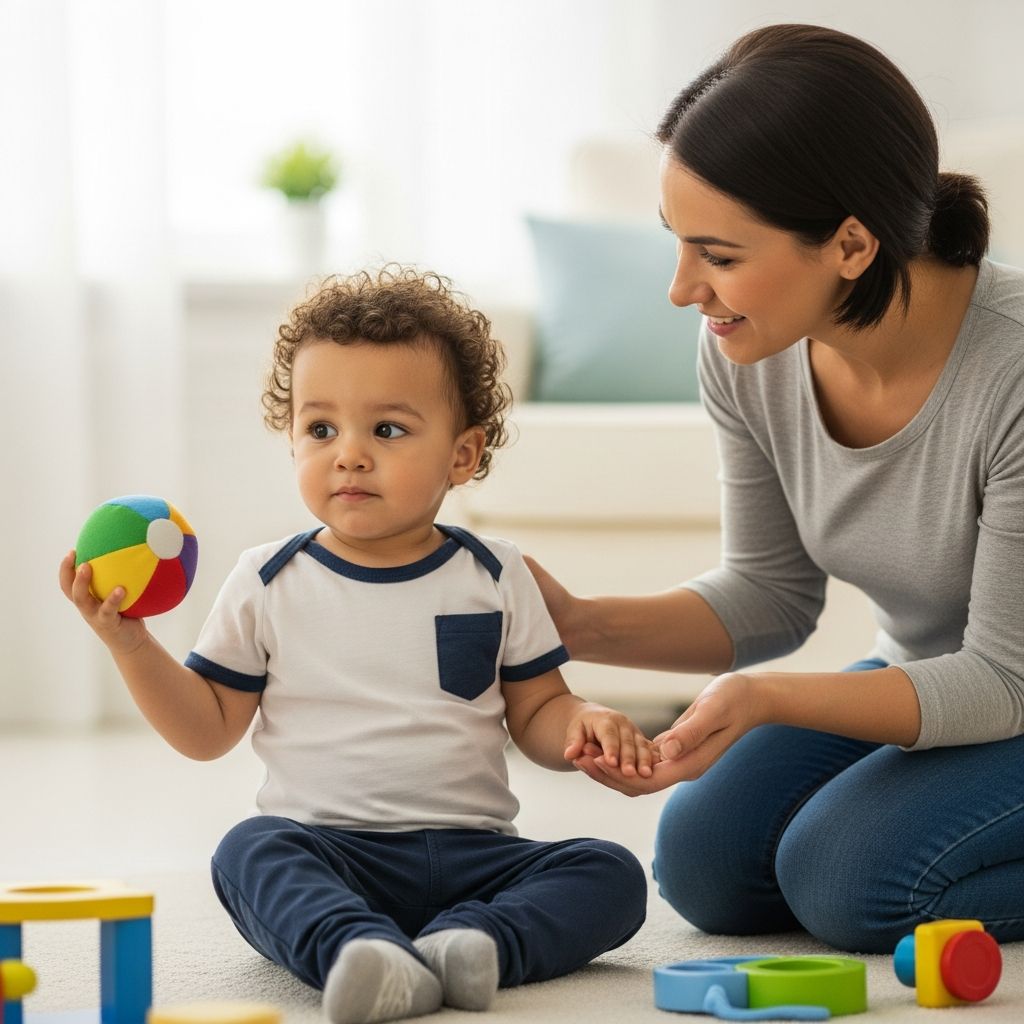
Many young children instinctively reach for something soft and familiar when the world feels big and overwhelming. That worn-out blanket, stuffed animal, or tiny piece of fabric is more than a cute habit—it is a powerful emotional tool that helps kids feel safe, calm, and ready to explore.
What Exactly Is A Comfort Object?
A comfort object, often nicknamed a “lovey,” is any small, safe item that a child uses for emotional reassurance. It might be a stuffed animal, a cloth, a soft toy, or even a corner of a blanket they like to hold or rub. The defining feature is not what it looks like, but how it makes your child feel.
Children usually turn to these objects during moments of transition or stress—bedtime, daycare drop-off, travel, illness, or when routines suddenly change. The familiar feel, smell, and look of the object act as a signal that they are still safe, even if the environment is different.
- A comfort object is typically soft, portable, and safe for sleep.
- It holds emotional meaning for the child, not for the adult.
- Over time, it can become part of your child’s self-soothing toolkit.
Why Comfort Objects Matter For Emotional Development
Young children experience big emotions with a nervous system that is still learning how to cope. A stable, predictable object can act as a bridge between needing constant adult reassurance and beginning to calm themselves. This bridge supports emotional regulation, resilience, and independence.
When a child clutches a familiar toy during a meltdown or holds onto a blanket at bedtime, they are practicing a basic version of what adults do when they light a candle, make tea, or grab a favorite sweatshirt to relax. The lovey is a tiny early step in learning, “I feel bad right now, but there is something I can do to feel a bit safer.”
| Developmental Area | How A Comfort Object Helps |
|---|---|
| Emotional Regulation | Gives a predictable source of calm during stress, making tantrums shorter and easier to recover from. |
| Attachment And Security | Acts as a symbol of your presence when you are not physically there, helping your child feel connected. |
| Independence | Encourages kids to try new environments (like daycare or sleepovers) with a familiar anchor. |
| Sleep Quality | Creates consistent bedtime cues that signal safety, comfort, and routine. |
Common Myths About Loveys (And What’s Actually True)
Because comfort objects are so visible, they often attract strong opinions and unsolicited advice. You might hear that they create “bad habits,” keep kids from being independent, or signal that parents have done something wrong. In reality, they are a completely normal part of childhood for many children.
Understanding the difference between myths and reality can help you feel more confident and less defensive when others comment on your child’s attachment object.
- Myth 1: “A lovey will make your child clingy.” In truth, most children become more willing to separate when they have a trusted item with them. The security allows them to explore, not hide.
- Myth 2: “Only anxious kids need one.” Children with every kind of temperament use comfort objects. Some kids never attach to an item, others choose one early on—both are normal.
- Myth 3: “You are spoiling them.” Offering comfort is not the same as giving in to unreasonable demands. A lovey is a tool, not a reward or a bribe.
- Myth 4: “They’ll go to college with that bear.” Attachment usually fades naturally over time. Even when teens hold onto an old toy, it is typically a sentimental keepsake, not a daily necessity.
Choosing A Safe And Practical Comfort Object
Some children pick their own beloved item with no input at all, but you can gently guide the process toward something safe, washable, and replaceable. Thinking ahead can spare you late-night panic if the favorite toy disappears or becomes too worn to use.
Before a toy becomes the official comfort object, consider safety standards and your family’s routines. That way, you support your child’s attachment without constantly worrying about hazards or hygiene.
Key Features To Look For
- Size: Small enough for your child to hold and carry, but large enough not to be a choking hazard.
- Material: Soft, breathable fabrics that are gentle on skin and easy to wash.
- Construction: Secure stitching, no loose buttons or hard plastic pieces that can detach.
- Availability: Ideally, something you can buy a duplicate of (or a very similar replacement) if needed.
- Washability: Machine-washable items are a huge advantage for families dealing with spills and germs.
Items To Avoid For Sleep
For very young babies, follow safe sleep recommendations from professionals in your region, which may restrict what can be in the crib. As children get older and safety guidelines allow, you can gradually introduce small, lightweight objects that do not cover the face or tangle around the neck.
How To Introduce A Comfort Object Gently
Some kids instantly latch onto a specific toy and never look back. Others are less decisive and might need a little help building a relationship with a comforting item. You cannot force a true attachment, but you can create conditions that make it more likely.
The goal is to associate the object with warmth, safety, and positive moments—especially during calming routines like naps, bedtime, and cuddles after a tough day.
Step-By-Step Introduction
- Involve the object in soothing times. Bring the toy or blanket into bedtime snuggles, story time, and rocking so it “soaks up” those positive feelings.
- Use simple, consistent language. Give the object a name if your child seems interested, and casually say things like, “Here’s your friend; it’s time to get cozy.”
- Offer it during transitions. Bring it along when you change environments—car rides, doctor’s visits, daycare drop-off—to reinforce its role as a comfort anchor.
- Respect your child’s choice. If they ignore your proposed lovey and fixate on a different item, follow their lead as long as it is reasonably safe.
- Stay relaxed. If it doesn’t “take” right away, that is fine. Some kids never become attached to an object and rely more directly on caregivers for comfort.
Using A Comfort Object During Big Feelings
Tantrums, tears, and clinginess are a normal part of early development. A comfort object cannot prevent all meltdowns, but it can become part of your response strategy. Over time, your child learns that intense emotions are survivable and that they have tools to get through them.
Think of the lovey as a “portable piece of home.” When you bring it into a stressful moment with acceptance rather than annoyance, you show your child that their need for reassurance is valid, not shameful.
- Offer the object calmly during early signs of distress rather than waiting until the peak of the meltdown.
- Pair the lovey with your presence: sit close, use a gentle voice, and acknowledge feelings without minimizing them.
- As your child grows, model language such as, “Can your bear help you feel a little better while we breathe together?”
- Use it after the storm, too, as part of reconnection and debriefing, not just during crisis moments.
Comfort Objects And Sleep Routines
Sleep is one of the most common contexts where comfort objects shine. Children often struggle with separation at night, especially when they are aware that parents are still awake elsewhere in the home. A consistent, cozy object can soften that separation.
When you pair the lovey with predictable bedtime steps, it becomes part of a powerful cue system: dim lights, quiet voice, familiar story, favorite soft thing—all lined up to help the body and brain settle down.
Ideas For Bedtime Integration
- Give the lovey a mini “role” in the routine, like listening to the story or getting a tiny goodnight kiss.
- Keep it in the same place on the bed or in the crib so your child knows where to reach for it.
- If your child wakes overnight, calmly return the lovey to them along with a brief reassurance rather than restarting full playtime.
- Wash it on a predictable schedule so its smell and texture stay familiar without becoming unhygienic.
Handling Loss, Damage, Or Replacement
Almost every family with a well-loved comfort object eventually faces a crisis: the toy is lost, left behind, or disintegrates from use. Planning ahead and responding calmly can help everyone navigate these moments with less panic.
Some children transition easily to a similar item, while others grieve hard for a very specific one. Both reactions are emotionally valid and offer opportunities to practice coping as a family.
Practical Tips For Avoiding Disaster
- Buy a backup if possible and rotate them quietly so they wear and smell similar over time.
- Take a quick photo of the object so you can search for replacements more easily if needed.
- Set a family habit of checking for the lovey before leaving key locations like airplanes, hotels, and relatives’ houses.
- Give the object a special “home base” at night or during travel so it’s less likely to be misplaced.
When Replacement Is Inevitable
If a lovey is truly gone or too damaged to keep using, acknowledge your child’s sadness instead of brushing it off. You might hold a tiny “goodbye” moment or allow them to keep a small piece of the old fabric if it is safe. Then gently invite them to choose a new helper object, framing it as a continuation of comfort rather than an abrupt swap.
Balancing Comfort With Boundaries
Comfort objects are helpful, but they should not override every family limit. Children benefit when the lovey is welcomed as a tool for coping, while parents still set reasonable boundaries around its use. Think of it like a favorite toy or screen time—you can appreciate its value and still say “no” sometimes.
Clear, consistent expectations help prevent power struggles. Over time, your child learns that the lovey is part of life, not the boss of the household.
- Decide where the lovey can go (for example, allowed in the car and at daycare, but not at the dinner table).
- Explain limits in simple, calm language and repeat as needed without shame or mockery.
- If it interferes with hygiene or safety (e.g., dragging through food or near open flames), model putting it in a “safe spot” nearby.
- As your child ages, involve them in negotiating new rules, such as “Lovey stays in your backpack during school hours.”
When (And Whether) To Phase Out A Lovey
Many parents wonder if there is a “right” age to stop using a comfort object. In practice, most children naturally reduce their reliance as they gain emotional skills, make friends, and become involved in school. There is usually no need for a dramatic cutoff date.
If your child is older and still deeply attached, focus less on the object itself and more on whether they are functioning well in daily life. As long as they can separate when needed, handle responsibilities, and maintain friendships, the lovey is probably more of a harmless quirk than a problem.
Signs Your Child May Be Ready
- They sometimes forget the lovey at home and manage the day anyway.
- It stays in bed instead of following them around the house.
- They show interest in keeping it as a keepsake rather than a constant companion.
- They experiment with other coping skills, like deep breaths or talking through worries.
If you do choose to encourage a gradual phase-out, start with small, low-stress situations. For example, you might suggest that the lovey “waits in the car” during a quick errand or stays on the pillow during playtime, always pairing new limits with reassurance and alternatives.
Dealing With Judgment And Unwanted Opinions
Few things invite commentary like visible aspects of parenting. A child clutching a frayed stuffed animal at age four or five may draw raised eyebrows, jokes, or comments from relatives and strangers. This can leave you feeling defensive or tempted to pressure your child before they are ready to let go.
Remember that you are the expert on your own child. A comfort object that helps them navigate a noisy, unpredictable world is not a sign of weakness—it is a sign that they know how to seek safety and that you have allowed them a healthy tool for doing so.
- Have a neutral script ready, such as, “It helps with transitions,” or, “It’s just their cozy friend.”
- Avoid mocking or shaming your child about their attachment in front of others.
- Share age-appropriate explanations with your child so they understand that their need for comfort is normal, not embarrassing.
- If you feel triggered by the attachment, reflect on your own childhood messages about neediness and comfort, and seek support if necessary.
Frequently Asked Questions About Comfort Objects
Is it okay to introduce a comfort object on purpose?
Yes. You can gently encourage a relationship with a soft, safe item by including it in soothing routines and transitions. Your child may or may not attach strongly, but offering the option is completely appropriate.
What if my child never chooses a lovey?
Some children prefer direct contact with caregivers or use activities (like humming, rocking, or playing with their hands) as their main coping tools. This is just as valid as using a comfort object and does not indicate a problem.
Can a lovey replace me?
No object can replace the emotional connection and responsiveness of a caregiver. A comfort object simply acts as a symbol of that safety when you are not available in the moment, which can actually strengthen your child’s overall sense of security.
What if the lovey becomes a source of power struggles?
If your child uses the object to test boundaries—for example, refusing to put it down when safety requires it—stay calm and consistent. Validate their feelings, restate the limit, and offer a specific alternative, such as placing it in a “special spot” nearby until the activity is over.
Should I worry if my school-aged child still sleeps with one?
For many older children, a favorite toy at bedtime is simply a comforting habit and not a sign of immaturity. As long as they can handle daily responsibilities and social situations without it, there is usually no reason for concern.
Whether your child treasures a tiny blanket, a floppy-eared dog, or a slightly mysterious scrap of fabric, that attachment tells a story about their need for safety in a world that still feels huge. By respecting the role of comfort objects, setting thoughtful boundaries, and trusting your child’s developmental pace, you offer them a stable foundation from which to grow braver, kinder, and more confident over time.