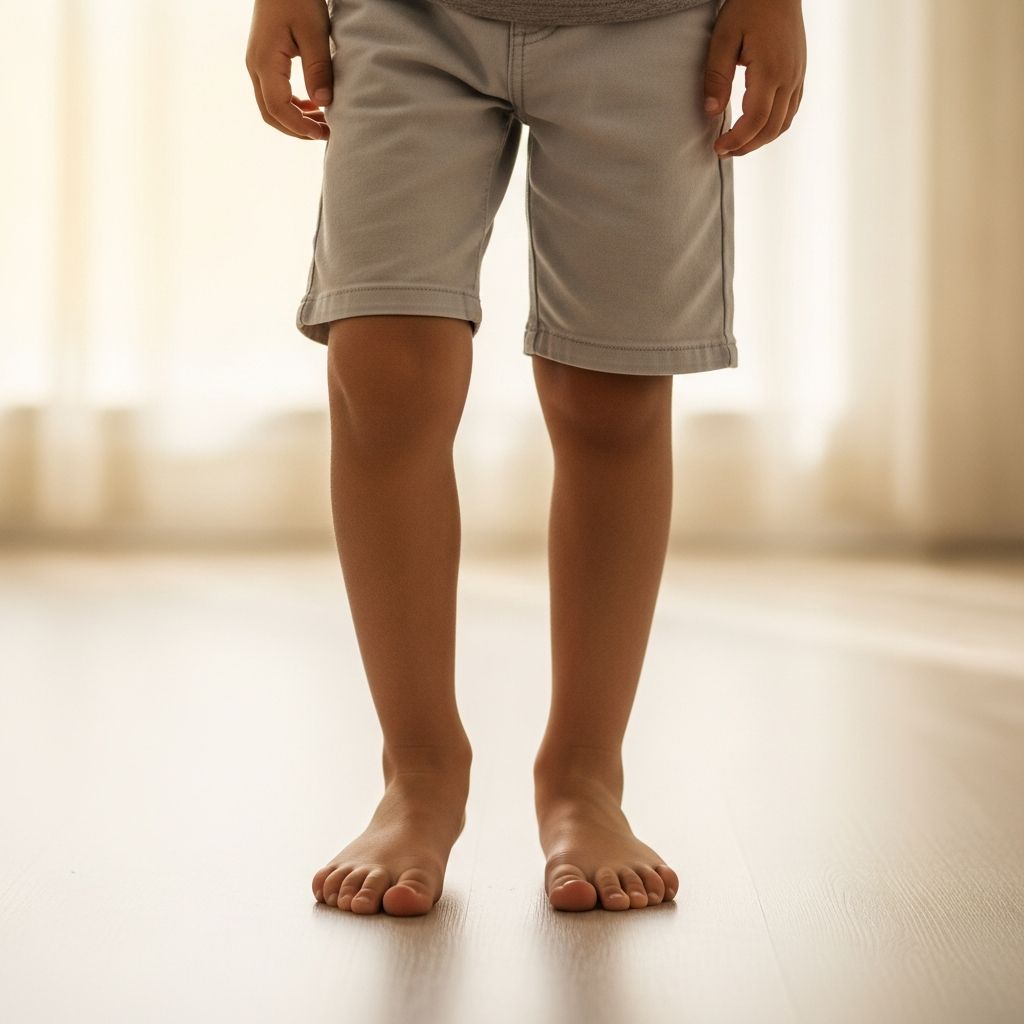
Limb deformities in children can be overwhelming for families to face, especially right after birth or following an injury. Yet with modern pediatric care, most kids can grow, play, and participate fully in life, often with little limitation. This guide explains what limb deformities are, why they occur, how they are treated, and how parents can support their child’s physical and emotional well-being.
What Are Limb Deformities?
Limb deformities are differences in the size, shape, or alignment of a child’s arms or legs compared with what is typically expected. These differences may affect:
- How long an arm or leg is
- The way a limb is curved, rotated, or angled
- The number, shape, or separation of fingers or toes
- How joints such as the shoulder, elbow, hip, knee, or ankle line up and move
Some limb differences are mild and improve naturally as a child grows, while others may require braces, therapy, or surgery to improve function and comfort.
When and Why Do Limb Deformities Happen?
Limb deformities can be present at birth (congenital) or develop later in childhood (acquired).
Congenital limb differences
Congenital limb deformities arise when a limb does not form typically during pregnancy. In many cases, doctors do not find a single clear cause. Possible contributing factors include:
- Genetic changes or inherited conditions
- Issues with blood supply to a developing limb
- Exposure to certain medications, infections, or toxins during pregnancy
- Associated syndromes that affect multiple organ systems
Acquired limb deformities
Deformities that appear after birth can result from problems affecting the growing skeleton or soft tissues.
- Injury to the growth plate (the area of growing bone near the ends of long bones)
- Bone infections (osteomyelitis)
- Benign or malignant bone tumors
- Joint diseases, including some forms of childhood arthritis
- Burns or scarring that restrict skin, muscle, or tendon growth
Common Types of Limb Deformities in Children
Limb deformities vary widely. Understanding some typical patterns can help parents make sense of a diagnosis.
Differences in limb length
When one arm or leg is shorter than the other, doctors call this a limb length discrepancy.
- May be present from birth or develop over time
- Sometimes caused by growth plate injury, infection, or congenital conditions
- Can be mild (a few millimeters) or more pronounced (several centimeters)
Small differences may cause no symptoms. Larger differences can affect walking, posture, and joint health over time.
Curved or misaligned legs
Mild bowing or knock-knees can be normal at certain ages, but some children have more significant or persistent deformity that needs orthopedic evaluation.
- Bowlegs (genu varum): legs curve outward, creating space between the knees
- Knock-knees (genu valgum): knees touch or angle inward when standing
These conditions may arise from normal growth patterns, bone disorders, or previous injury to the growth plates.
Foot and ankle deformities
Foot differences are among the most common limb deformities in infants:
- Clubfoot: the foot points downward and inward, making it hard to place the sole flat on the ground
- Flatfoot with stiffness or pain
- Rotational differences, such as in-toeing or out-toeing
Clubfoot is frequently treated soon after birth with gentle stretching, casting, and sometimes minor surgery to achieve a more typical position.
Hand and finger differences
Some children are born with differences in hand or finger formation:
- Extra fingers or toes (polydactyly)
- Fused fingers or toes (syndactyly), where digits are joined by skin or bone
- Missing or underdeveloped bones in the hand, wrist, or forearm
Treatment decisions are based on how the difference affects grasp, pinch, and daily function.
Limb reduction defects
Limb reduction defects describe conditions where part of a limb or an entire limb fails to fully form. Examples include:
- Missing part of a hand or foot
- Shortened upper arm or thigh bones
- Absence of part of the lower leg
Care often involves a combination of surgery, prosthetics, and rehabilitation to maximize independence and mobility.
How Doctors Evaluate Limb Deformities
A thorough evaluation helps the care team understand how a deformity affects growth, function, and long-term health.
Medical history and physical exam
A pediatric orthopedic specialist or multidisciplinary team typically:
- Reviews pregnancy, birth, and family history
- Asks about pain, fatigue, or difficulty with walking, playing, or sports
- Measures limb lengths and compares both sides of the body
- Observes how your child stands, walks, runs, and uses their hands
Imaging studies
Imaging helps map the bones and joints and plan treatment.
- X-rays to evaluate bone alignment, shape, and growth plates
- Ultrasound or MRI to study soft tissues, cartilage, or early development
- CT scans or 3D imaging in more complex cases for detailed surgical planning
Functional and gait assessment
In many centers, children may see:
- Physical therapists for strength, flexibility, and balance testing
- Gait labs that use cameras and sensors to analyze walking patterns
This information helps determine whether differences are mostly cosmetic or if they may cause pain or joint problems in the future.
Treatment Options: From “Watch and Wait” to Surgery
Treatment is highly individualized. The overall goals are to improve function, support normal growth, and protect the joints from early wear and tear.
| Approach | What It Involves | When It May Be Used |
|---|---|---|
| Observation | Regular checkups and imaging, no immediate intervention | Mild deformities expected to improve as the child grows |
| Orthotics & bracing | Splints, casts, shoe lifts, custom braces | To guide growth, improve alignment, or compensate for limb length differences |
| Therapy & rehabilitation | Physical and occupational therapy programs | To build strength, flexibility, coordination, and daily living skills |
| Prosthetics | Artificial limbs for missing or significantly shortened limbs | To improve mobility, independence, and participation in activities |
| Surgery | Procedures to correct alignment, adjust growth, or lengthen/shorten limbs | More severe deformities that interfere with function or are unlikely to self-correct |
Non-surgical management
Many children can be treated without major surgery, especially in early stages.
- Gentle stretching and casting: commonly used for clubfoot and some joint contractures, with casts changed regularly as the limb improves position.
- Braces and orthotics: devices such as ankle–foot orthoses, knee braces, or hand splints help support alignment and function.
- Shoe lifts or inserts: used for smaller leg length differences to balance the pelvis and improve walking.
- Physical therapy: focuses on strength, flexibility, coordination, and motor skills to help kids move confidently and safely.
- Occupational therapy: teaches practical strategies for dressing, writing, self-care, and play using the child’s unique abilities.
Surgical options
When deformities are more severe or progress despite conservative care, surgery may be recommended. Key strategies include:
- Guided growth procedures (such as hemiepiphysiodesis or epiphysiodesis): small implants (plates, screws, or staples) are placed at the growth plate on one side of a bone to gently correct angulation as the child grows.
- Limb lengthening: controlled stretching of bone using external frames or internal devices that encourage new bone to form, allowing gradual length increases of several centimeters over time.
- Bone realignment (osteotomy): cutting and repositioning a bone to improve alignment of joints and weight-bearing surfaces.
- Limb shortening or growth modulation: sometimes the longer limb is slowed or shortened to match the shorter side.
- Joint stabilization procedures: surgeries around the hip, knee, or ankle to improve stability, reduce pain, and protect joints.
- Amputation and reconstruction: in certain complex cases, a carefully planned amputation combined with modern prosthetics may offer the child the best long-term function.
Most children who undergo surgery will also need follow-up therapy and, in some cases, additional staged operations as they grow.
Living With a Limb Deformity: Everyday Life and Emotions
Medical treatment is only one part of the picture. Children and parents also navigate practical and emotional challenges as they adapt to limb differences.
Physical activity and sports
Staying active supports bone health, coordination, and confidence. With proper guidance:
- Many children can safely take part in school physical education and recreational sports
- Adaptive equipment (such as customized prosthetic feet or running blades) may expand opportunities in athletics
- Some high-impact or contact sports may be limited depending on surgeries, implants, or joint stability—your orthopedic team will advise
School and social life
Teachers and classmates play an important role in creating an inclusive environment.
- Communicate with school staff about your child’s needs (e.g., elevator access, extra time to change classes, seating in class).
- Children may benefit from simple explanations they can share with peers to reduce teasing and questions.
- Some kids appreciate meeting others with similar limb differences through local groups or national organizations.
Emotional well-being
It is natural for children to have mixed feelings about looking or moving differently from their peers. Parents can support them by:
- Answering questions honestly at an age-appropriate level
- Focusing on what their body can do, not just how it looks
- Encouraging friendships, hobbies, and interests unrelated to their condition
- Seeking counseling or support groups if anxiety, sadness, or social withdrawal appear
How Parents Can Advocate for Their Child
Parents and caregivers are key members of the care team. Effective advocacy helps ensure that children receive timely, coordinated treatment.
Build a strong medical team
Depending on the complexity of the deformity, your child may see several specialists:
- Pediatric orthopedic surgeon
- Physical and occupational therapists
- Orthotists and prosthetists (experts in braces and artificial limbs)
- Pediatricians and rehabilitation medicine specialists
- Geneticists, social workers, or psychologists when needed
Do not hesitate to ask questions, request clear explanations, or seek a second opinion for major decisions such as limb lengthening or amputation.
Keep records and track progress
- Maintain a folder or digital file with imaging reports, clinic notes, and therapy plans.
- Take photos or short videos periodically to document how your child moves, stands, and walks over time.
- Note any pain, fatigue, or changes in activity level to share with the medical team.
Plan for growth and future changes
Because bones continue to grow through adolescence, treatment plans are often long-term and may include different phases:
- Early childhood: focus on basic alignment and motor skills
- School age: support active play, sports, and independence at school
- Teen years: address final limb lengths, complex reconstructions, and emotional readiness for adult life
Frequently Asked Questions (FAQs)
Will my child outgrow their limb deformity?
Some mild differences, such as certain bowlegs or knock-knees, can improve naturally as children grow. Others, like significant limb length discrepancies or complex congenital differences, are unlikely to fully resolve without treatment. Regular follow-up with a pediatric orthopedic specialist is the best way to monitor whether a deformity is improving, stable, or progressing.
When should I seek a specialist’s opinion?
You should contact a pediatric orthopedic specialist if you notice a clear difference between sides of the body, your child has pain with activity, cannot keep up with peers, or if a deformity appears to be getting worse over time. Any concern about a missing, twisted, or very short limb at birth should be evaluated early, ideally in infancy.
Is surgery always necessary for limb deformities?
No. Many limb deformities can be monitored or treated with bracing, therapy, shoe lifts, or activity modifications. Surgery is usually reserved for deformities that are severe, painful, or likely to cause long-term joint damage or major functional limitations. Your child’s team will discuss all reasonable options and the timing of any proposed operations.
How soon should treatment start?
For conditions such as clubfoot or significant congenital limb differences, early treatment often leads to better results because a baby’s bones and soft tissues are more flexible. In other situations, doctors may intentionally wait to see how the limb grows before recommending surgery. The timing will depend on the type and severity of the deformity.
Can children with limb deformities live active, independent lives?
Yes. With appropriate medical care, therapy, and family support, many children with limb deformities walk, run, attend regular schools, and pursue careers and hobbies of their choice. Advances in surgical techniques, prosthetics, and rehabilitation continue to expand what is possible.
References
- Limb Reduction Defects — Centers for Disease Control and Prevention (CDC). 2022-04-13. https://www.cdc.gov/birth-defects/about/limb-reduction-defects.html
- Limb Deformity & Leg Length Difference — Cincinnati Children’s Hospital Medical Center. 2023-05-24. https://www.cincinnatichildrens.org/health/l/limb-deformity
- Limb Deformities — Shriners Children’s. 2023-02-10. https://www.shrinerschildrens.org/en/pediatric-care/limb-deformities
- Pediatric Limb Deformity and Lengthening Center — Hospital for Special Surgery (HSS). 2023-07-18. https://www.hss.edu/departments/pediatrics/orthopedics/limb-deformity-and-lengthening
- Limb Deformities, Leg Length Differences and Congenital Limb Deficiencies — Ann & Robert H. Lurie Children’s Hospital of Chicago. 2022-11-03. https://www.luriechildrens.org/en/specialties-conditions/limb-deformities/
- Limb Deformity & Reconstruction — Texas Children’s Hospital. 2022-08-16. https://www.texaschildrens.org/departments/limb-deformity-reconstruction
- What Causes Limb Deformities in Babies? — Pediatric Orthopedic Associates. 2023-01-05. https://pediatricorthopedics.com/what-causes-limb-deformities-in-babies/