Preschoolers love bright colors, catchy rhythms, and silly rhymes, which makes color rhymes one of the easiest and most delightful ways to support early learning at home or in the classroom. When children clap, chant, sing, and move along with verses about red apples, blue skies, or green frogs, they are doing much more than having fun—they are building language, memory, and thinking skills while learning to recognize and name colors with confidence.
This guide offers a fresh, fully original look at color rhymes, including example verses you can use right away, ideas for adding movement and play, and practical tips for adapting rhymes to different ages and learning needs. You will also find a helpful table of color-themed ideas, plus a short FAQ section to answer common questions from busy parents and educators.
Why Color Rhymes Work So Well
Color rhymes bring together three things children naturally enjoy: music, rhythm, and bright visuals. When these elements come together, the brain pays attention, making it easier for preschoolers to remember new words and ideas. This is why a simple chant about a yellow sun or a purple plum can stick in a child’s mind long after a plain explanation would be forgotten.
Rhyme and repetition also help preschoolers notice patterns in language. As they listen to pairs of words that sound alike (such as “blue” and “you”), they begin to hear how sounds work together, which forms part of the foundation for later reading and spelling. Color words are especially helpful here, because they are short, common, and linked to objects children see every day.
Key Benefits of Color Rhymes
When you weave color rhymes into story time, circle time, or playtime, you support many areas of development at once. Some of the most important benefits include:
- Vocabulary growth: Children learn color names and descriptive words such as “bright,” “dark,” “shiny,” and “soft.”
- Listening skills: Following along with a short rhyme trains attention and helps children listen for key words.
- Memory practice: Repeating verses encourages children to remember sequences of sounds and words.
- Sound awareness: Noticing which words rhyme helps children tune into the individual sounds within words.
- Emotional connection: Fun rhymes create warm, shared experiences that build a love of language and learning.
Because color rhymes feel like play, children often practice them again and again by choice. Each repeat gives another gentle boost to early literacy and thinking skills without ever feeling like a “lesson.”
Simple Structure of a Color Rhyme
You do not need to be a poet to create a color rhyme that preschoolers will adore. Most effective rhymes share a few simple traits: short lines, clear rhythm, repeated phrases, and a strong visual image that children can easily picture in their minds.
Here is a basic pattern you can adapt to almost any color:
- Line 1: Name the color and an object (for example, “Red is the apple in my hand”).
- Line 2: Describe what it does (“Red is the stop sign that says ‘stand’”).
- Line 3: Repeat the color for emphasis (“Red, red, red, bright and bold”).
- Line 4: Add a playful action (“Clap your hands when red is told!”).
By following a predictable structure, children quickly catch on and begin to join in with the color word or the final action. Over time, many preschoolers will start suggesting their own objects and actions, which is a wonderful sign that they are thinking creatively about both language and color.
Original Color Rhyme Examples
The following short, original rhymes are designed to be easy to memorize and simple to act out. You can use them as written, or treat them as starting points and swap in objects from your child’s everyday world.
Red Rhyme: The Busy Apple
Chant with claps on the word “red.”
Red little apple rolling on the ground,
Red little apple makes a bouncy sound.
Roll, roll, roll, where will you go?
When you hear “red,” clap high, then low!
Blue Rhyme: The Gentle Sky
Use slow arm waves to show clouds floating.
Blue is the sky where the soft clouds glide,
Blue is the ocean with a swishy tide.
Float, float, float, clouds drifting by,
Whisper “blue” and point to the sky.
Yellow Rhyme: The Shining Sun
Stretch fingers wide like sun rays.
Yellow bright sunshine peeks through my door,
Yellow bright sunshine warms up the floor.
Shine, shine, shine, wiggle your hands,
When you say “yellow,” everybody stands!
Green Rhyme: The Jumping Frog
Have children crouch and jump like frogs.
Green little frog by the quiet log,
Green little frog likes to hop in the fog.
Jump, jump, jump, landing on your feet,
Say “green” loud and tap the seat!
Rainbow Rhyme: All the Colors Together
Great for group time when reviewing multiple colors.
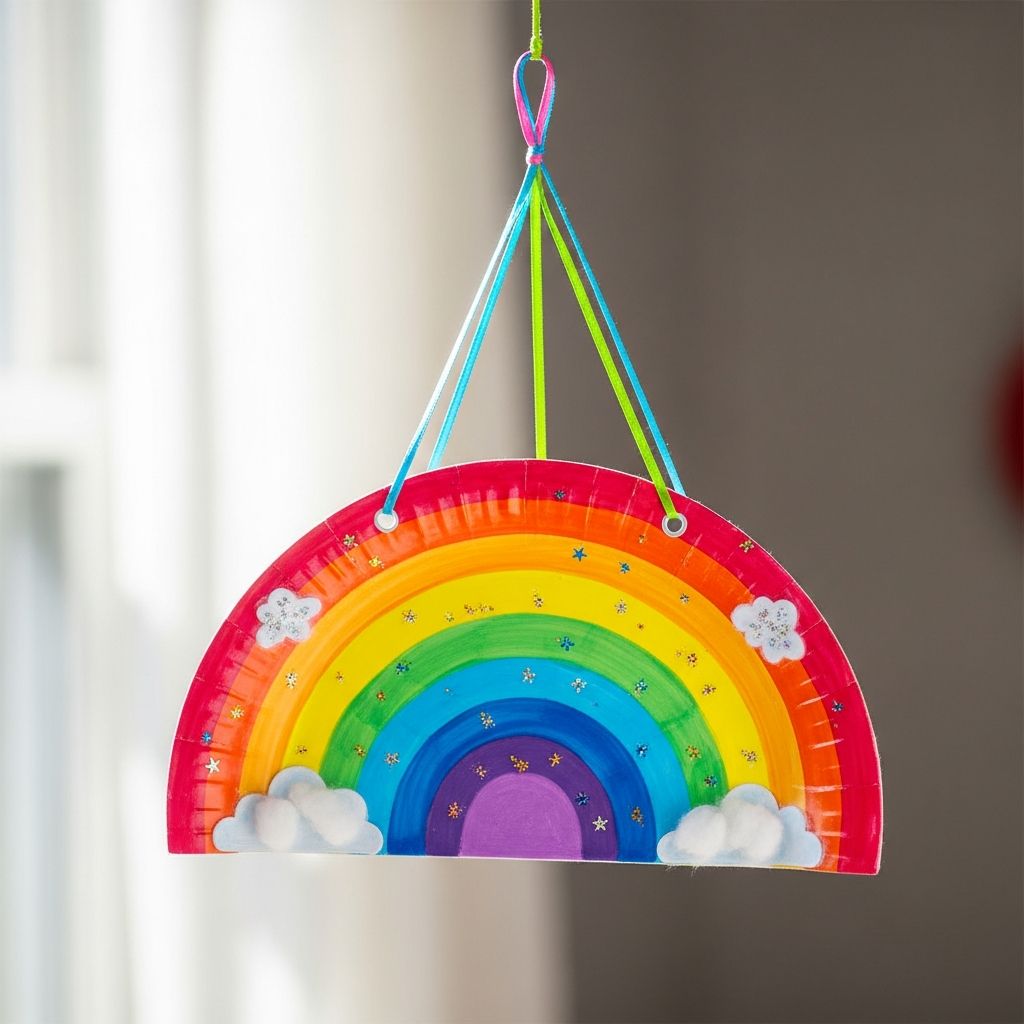
Red, yellow, blue in a row so bright,
Green, orange, purple dancing in the light.
Wave your hands high, spin around once too,
Pick your favorite color and shout it: “You!”
Adding Movement and Play
Movement turns a simple rhyme into a full-body experience. When children jump like green frogs or stretch like yellow sun rays, they link the color word to a physical sensation and a vivid mental image. This layering of sound, sight, and motion makes the learning more memorable and more enjoyable.
To add movement, give a single clear action for each rhyme—clapping, stomping, hopping, or twirling. Preschoolers benefit from repeating the same movement at the same point in the verse, so they know exactly when to expect it. With time, you can invite them to invent their own movements and vote on a favorite.
Table of Color Rhyme Ideas
The following table offers quick inspiration for building your own color rhymes. Each row includes a color, a suggested object, and a simple action cue that works well with preschoolers.
| Color | Example Object | Suggested Action |
|---|---|---|
| Red | Apple, fire truck, heart | Clap hands or tap chest over heart |
| Blue | Sky, ocean, rain boots | Wave arms like water or clouds |
| Yellow | Sun, lemon, duck | Stretch tall like a sunbeam |
| Green | Frog, leaf, grass | Hop like a frog or tiptoe on “grass” |
| Orange | Carrot, pumpkin, orange fruit | Roll hands like a pumpkin on a hill |
| Purple | Grapes, plum, flowers | Pretend to pick grapes and place in a basket |
You can print this table or rewrite it in a notebook to use as a planning tool. As you create new verses, jot down which objects and actions your child enjoys most, and revisit them frequently to boost confidence and comfort.
Using Props and Visuals
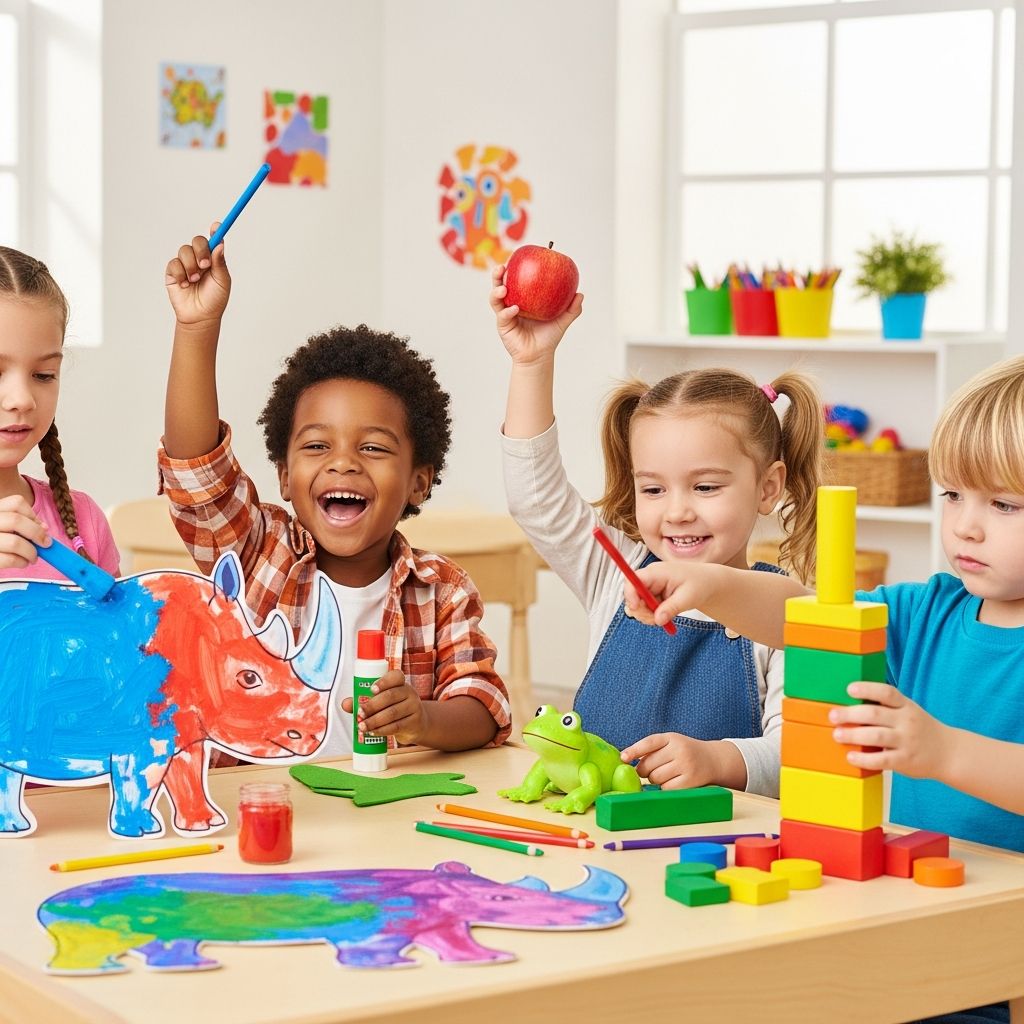
Props make abstract color words feel concrete and real. A red scarf, blue block, or green toy car gives children something to hold, wave, or pass around during the rhyme. This simple step brings colors to life and helps children connect the word they hear with an object they can see and touch.
Consider keeping a small “color basket” nearby, filled with safe items in a range of hues. Before starting a rhyme, invite your child to “shop” for a red item or a yellow item from the basket, then feature that object in the verse. Rotating objects over time keeps the activity fresh and sparks new ideas.
Adapting for Different Ages
Color rhymes are easy to adjust so they stay engaging from toddlerhood through the preschool years. Younger toddlers often enjoy the rhythm and movement most, while older preschoolers can handle longer verses and more complex stories within the rhyme.
- Toddlers (around 1–2 years): Use very short rhymes with strong repetition of the color word and a single, simple action such as clapping or tapping knees.
- Young preschoolers (around 3–4 years): Add a second or third line and include a playful image, such as a blue boat or a green caterpillar, while keeping the rhythm clear and steady.
- Older preschoolers (around 4–5 years): Introduce rhymes that weave in a tiny story, such as a red kite flying away or a yellow duck searching for a friend, and invite children to suggest what happens next.
As children grow, you can also gradually expand from basic color names to shades (“light blue,” “dark green,” “bright red”) to further enrich vocabulary and observation skills.
Tips for Parents and Educators
Color rhymes fit easily into many parts of the day, from morning routines to bedtime rituals. The key is to keep things light, playful, and flexible so that children always associate rhymes with enjoyment rather than pressure or correction.
- Use a warm, expressive voice and clear movements so children can easily follow along.
- Repeat favorite rhymes often; familiarity builds comfort and confidence.
- Invite children to fill in the final color word of a line by pausing and looking expectantly.
- Celebrate creative “mistakes”—if a child changes a word, turn it into a new version of the rhyme.
- Blend color rhymes with drawing, painting, or building activities to reinforce learning across different senses.
Frequently Asked Questions
How often should I use color rhymes with my preschooler?
Short, frequent bursts work best. A quick rhyme during breakfast, another before going outside, and one more at cleanup time can gently reinforce color words without ever feeling overwhelming. Rather than setting a strict schedule, look for natural transitions in your day and slip in a verse whenever you have a spare minute.
What if my child does not say the color words yet?
Understanding usually comes before speaking. Even if your child is not yet saying “blue” or “yellow,” hearing the words in a joyful, predictable context is valuable. Continue to chant, point to objects, and model the movements, and offer plenty of chances for your child to participate non-verbally through clapping, nodding, or pointing.
Can I mix colors in the same rhyme?
Yes, mixing colors can be very effective, especially for older preschoolers who are already comfortable with individual color names. A rainbow rhyme or a verse about a colorful garden helps children compare and contrast colors and notice how they appear together in real-world scenes. For younger children, it can be helpful to start with one main color per rhyme and add mixed-color verses later on.
Do I need to sing, or is chanting enough?
Either approach is fine. Some adults feel more comfortable speaking with a strong rhythm, while others like to create simple tunes. Preschoolers are usually delighted with both, as long as the adult is engaged and enjoying the moment. If singing feels stressful, choose chanting with clear claps or taps to mark the beat.
What if I am not good at making up rhymes?
Perfection is not the goal. Children enjoy the flow of sound, the shared time, and the silliness much more than precise poetry. Start with a few example verses, then gradually replace small pieces—swap in your child’s name, a favorite toy, or a pet. Over time, you will find your own rhythm and style, and your child will be thrilled to hear familiar ideas turned into playful language.
Bringing Color Rhymes Into Everyday Life
Color rhymes shine brightest when they are woven into ordinary moments. A walk to the park turns into a search for things that match today’s rhyme, a rainy afternoon becomes a chance to act out a blue sky clearing, and bedtime can end with a quiet chant about a silver moon and dark blue night. In each of these moments, your child is not only learning color words but also building a deep, joyful connection to language and to you.
With a few simple verses, a handful of colorful objects, and a willingness to be playful, any parent or educator can turn color rhymes into a powerful tool for early learning. Start with one color today, repeat it often, and watch your preschooler’s eyes light up as the world of color unfolds in rhyme and rhythm.