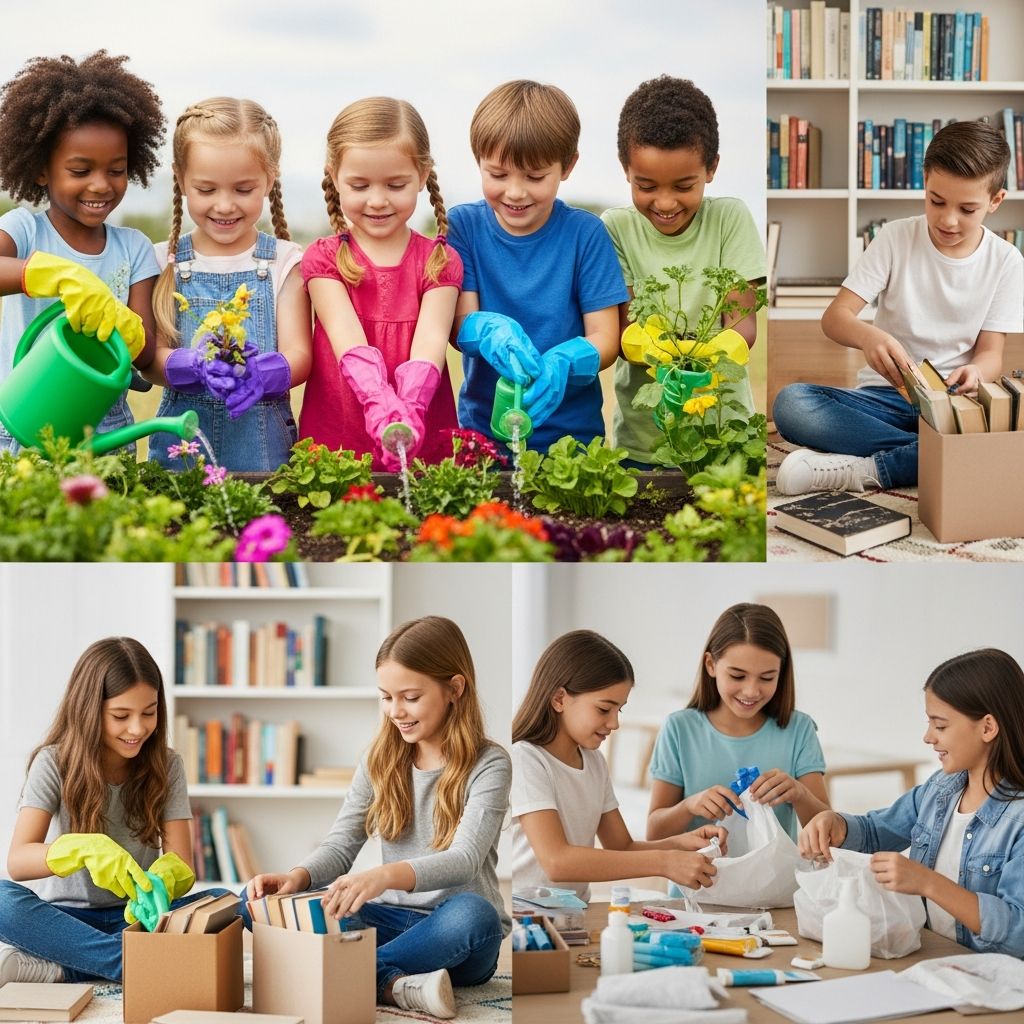
Volunteering with children introduces them to the joy of giving back, nurturing essential life skills like empathy and teamwork early on. Tailored activities by age ensure engagement and safety, turning service into memorable family bonding.
Why Volunteering Matters for Young Minds
Participating in community service helps children develop a heightened awareness of their surroundings and the diverse people within them. It cultivates compassion by exposing kids to varied situations, making them more empathetic and accepting. Research shows that early volunteering builds leadership qualities, as children take initiative in projects and learn responsibility for outcomes. Parents who model volunteering inspire their kids to follow suit, creating a cycle of positive action.
Starting small keeps it fun and sustainable. Schedule regular sessions, align with family interests, or even invent custom projects when formal options are limited. This approach not only boosts personal growth but also strengthens family ties through shared purpose.
Activities for the Littlest Helpers (Ages 2-5)
For toddlers and preschoolers, focus on simple, playful tasks that spark curiosity without overwhelming them. These activities emphasize fun while teaching basic concepts of kindness and environmental care.
- Neighborhood Cleanups: Equip little ones with child-safe gloves and bags for picking up litter in parks or streets. Turn it into a game by counting pieces collected, fostering pride in their block.
- Planting Seeds: Visit community gardens to sow flowers or veggies. Kids love digging in dirt and watching growth, learning about nature’s cycles.
- Assembling Care Kits: At home, pack hygiene items or snacks for local shelters. Let children decorate bags to add a personal touch.
- Storytime Donations: Gather gently used books and deliver to libraries or daycare centers, discussing why reading matters.
These low-commitment ideas require minimal coordination and can be done spontaneously, building habits of helpfulness.
Building Skills with Early Elementary Kids (Ages 6-8)
School-age children thrive on structured yet hands-on roles. Introduce teamwork through group settings like gardens or food drives, where they contribute meaningfully.
- Community Garden Days: Join sessions at places like urban farms for weeding, watering, and harvesting. Programs often occur on weekends, perfect for families.
- Food Packaging Events: Participate in meal assembly for hunger relief organizations. Kids measure ingredients, seal bags, and pack boxes, seeing direct impact.
- Animal Shelter Support: With supervision, help with easy tasks like walking small pets or creating toys from old fabrics.
- Park Beautification: Mulch trails or plant natives during organized events, combining service with outdoor play.
Such experiences enhance motor skills and social awareness, with many programs welcoming parent-child pairs.
Hands-On Service for Tweens (Ages 9-12)
Tweens are ready for more responsibility, including planning and leading small tasks. Opportunities here emphasize skill-building and independence.
| Activity Type | Description | Typical Duration | Skills Gained |
|---|---|---|---|
| Habitat Restoration | Restore wetlands or trails by planting and clearing invasives. | 2-4 hours | Environmental stewardship, physical endurance |
| Senior Assistance | Deliver groceries or visit nursing homes for chats and crafts. | 1-2 hours | Communication, empathy |
| Library Aide | Shelve books or run reading programs for younger kids. | Ongoing shifts | Organization, literacy promotion |
| Homeless Aid Kits | Collect and assemble blankets, books for families in need. | One-time event | Fundraising, creativity |
These build confidence as kids see tangible results, like cleaner habitats or happy recipients.
Leadership Roles for Teens (Ages 13+)
Teenagers can take charge, mentoring younger volunteers or managing projects. This stage prepares them for real-world involvement.
- Food Pantry Shifts: Sort donations, stock shelves, or serve clients at community centers.
- Wildlife Conservation: Monitor trails, remove trash, or assist in nurseries for native plants.
- Mentoring Programs: Tutor peers or lead youth groups at clubs and shelters.
- Build Projects: Hammer nails or paint at habitat builds, learning trades while aiding families.
Many organizations seek teens for their energy, offering flexible schedules around school.
Family-Friendly Tips for Successful Volunteering
Match activities to interests—nature lovers might prefer cleanups, animal fans shelters. Check age minimums; under-13s often need adults. Use platforms like VolunteerMatch for local listings filtered by youth. Start with one-off events to test waters, then commit regularly. Debrief afterward: What felt good? What surprised you? This reflection deepens impact.
For virtual options, create cheer cards or playlists promoting positivity. Involve schools or faith groups for group events, amplifying fun and reach.
Frequently Asked Questions
What is the youngest age for volunteering?
Even ages 2-5 can join simple cleanups or kit assembly with parental guidance, focusing on play-based learning.
How do I find local opportunities?
Search sites like HandsOn regional guides or park district calendars; filter for family/youth-friendly events.
Do teens need special training?
Some roles require orientation, but many welcome beginners. Habitat offers youth programs with guidance.
Can volunteering count for school?
Yes, track hours via logs; many schools incentivize service for credits or awards.
What if no programs fit our schedule?
Create your own: Bake for neighbors or organize toy drives. Initiative shows true leadership.
Overcoming Common Challenges
Age restrictions? Pair with flexible home projects. Weather issues? Indoor sorting or crafting. Busy calendars? Short 1-hour events. Consistency builds habits—aim for monthly outings. Track progress in a family journal to celebrate milestones.
Volunteering evolves with kids: toddlers sort, tweens lead, teens innovate. This progression instills lifelong values.
References
- 20+ Ways to Volunteer with Kids in the Bay Area — 510 Families. 2023-05-15. https://www.510families.com/hands-on-volunteering-with-kids-in-the-bay-area/
- Youth Volunteering Guide — HandsOn Bay Area. 2024-02-10. https://www.handsonbayarea.org/youth-guide
- Community Service Ideas for Kids & Families — Children’s Bureau. 2023-11-20. https://www.allforkids.org/news/blog/community-service-for-families/
- Youth Programs — Habitat for Humanity. 2025-01-05. https://www.habitat.org/volunteer/near-you/youth-programs
- Kids That Do Good: Volunteer Opportunities for Kids — Kids That Do Good. 2024-08-12. https://kidsthatdogood.com