Preparing lunches that stay fresh without heating is a smart choice for school days, outings, or hot weather. These meals emphasize balance with proteins, veggies, fruits, and grains, ensuring children get sustained energy and essential nutrients. Drawing from practical family-tested approaches, this article shares innovative ideas that are quick to assemble and appealing to young tastes.
Why Choose Cold Lunches?
Cold lunches simplify mornings by skipping reheating worries, making them ideal for packed school bags. They often highlight fresh produce, boosting intake of vitamins and fiber vital for growing bodies. According to the U.S. Department of Agriculture, school-aged children need meals with at least two food groups from fruits, vegetables, grains, proteins, and dairy for optimal health. These options reduce food waste and encourage creativity, turning routine packing into an enjoyable task.
Essential Components of a Balanced Cold Lunch
A well-rounded cold lunch includes:
- Protein: Keeps kids full; options like cheese, nuts, or meats.
- Vegetables: Add crunch and nutrients; think carrots or cucumbers.
- Fruits: Natural sweetness for energy; apples or berries work well.
- Grains: Provide carbs; whole-grain crackers or bread.
- Dairy or alternative: Yogurt or cheese for calcium.
Aim for variety to prevent boredom and meet daily nutritional goals. The Academy of Nutrition and Dietetics recommends half the plate as fruits and veggies for children.
Quick Protein-Packed Ideas
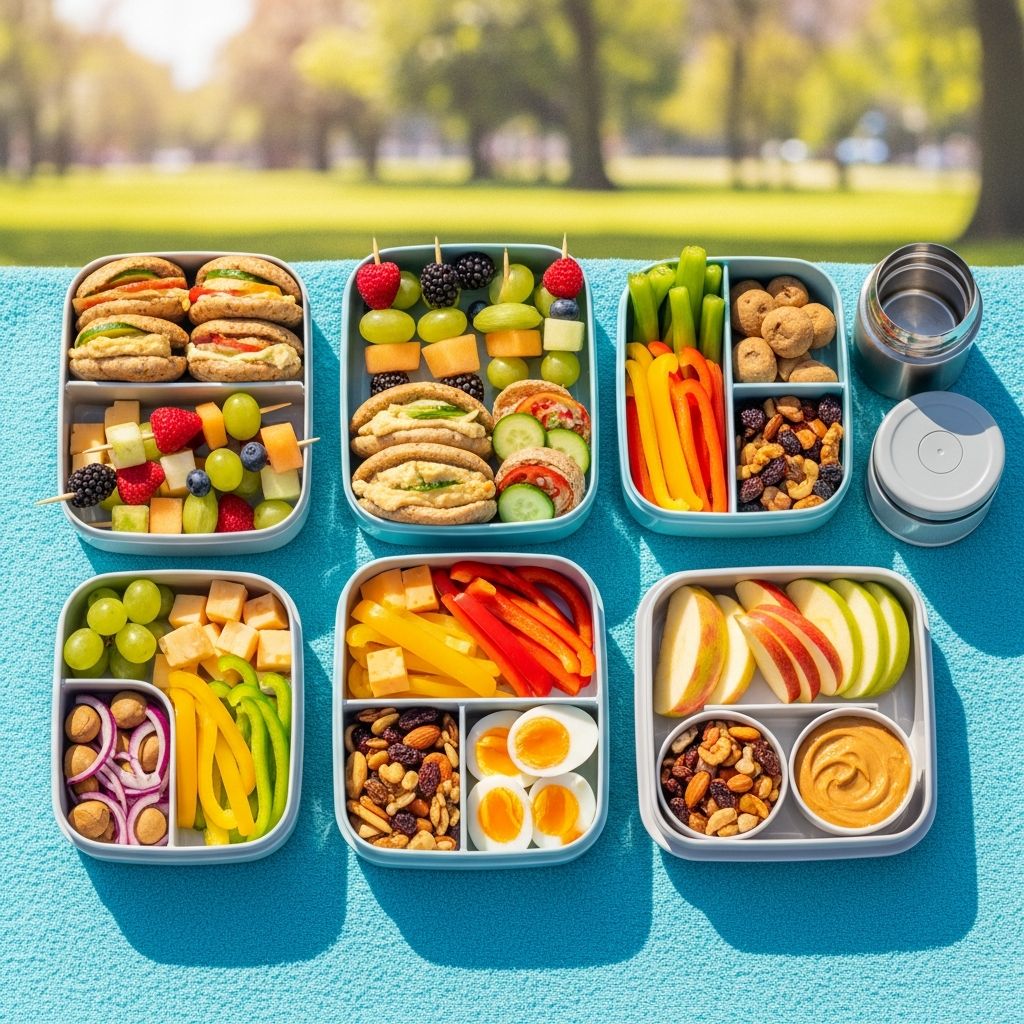
Proteins form the lunch foundation. Here are versatile, no-cook picks:
- Cheese and Cracker Combos: Pair string cheese or cubes with whole-grain crackers. Add sliced turkey for extra protein.
- Yogurt Parfaits: Layer Greek yogurt with granola and berries in a reusable jar.
- Hard-Boiled Eggs: Prep ahead; serve with dip like hummus.
- Nut Butter Rolls: Spread almond butter on flattened bread, roll, and slice into pinwheels.
These pack easily and stay fresh with an ice pack.
Fun Wraps and Roll-Ups
Wraps offer portability and customization. Try these:
- Veggie Tortilla Pinwheels: Spread cream cheese on a tortilla, add spinach, turkey, and shredded carrots; roll and slice.
- Peanut Butter Banana Wraps: Tortilla with peanut butter and banana slices, rolled tight.
- Hummus Veggie Rolls: Hummus base with cucumber, bell peppers, and feta.
These mimic sushi for fun appeal and hide veggies seamlessly.
Salad-Inspired Bowls
Mason jar salads keep ingredients crisp. Layer from bottom up: dressing, proteins, veggies, grains.
| Salad Type | Ingredients | Prep Tip |
|---|---|---|
| Chickpea Mediterranean | Chickpeas, cucumber, tomatoes, olives, feta, lemon-tahini dressing | Drain chickpeas well; shake to mix at lunch. |
| Tuna Black Bean Mix | Canned tuna, black beans, corn, avocado, lime | Mix tuna with beans night before. |
| Chicken Grape Salad | Diced chicken, grapes, celery, Greek yogurt dressing | Use rotisserie chicken for ease. |
These bowls provide volume without heaviness.
Finger Foods and Kabobs
Kids adore pick-up eats. Assemble:
- Pizza Skewers: Thread pepperoni, cheese, cherry tomatoes, and basil on sticks.
- Caprese Sticks: Mozzarella balls, tomatoes, basil, balsamic drizzle.
- Ants on a Log: Celery with peanut butter and raisins.
Skewers promote independence and portion control.
Sweet and Savory Muffin Options
Baked-ahead muffins double as mains or sides:
- Zucchini Muffins: Grated zucchini, oats, cinnamon for moisture.
- PB&J Muffins: Whole wheat flour, peanut butter, jelly swirls.
- Sweet Potato Patties: Mashed sweet potato, quinoa, cheese; form into patties.
Freeze in batches for grab-and-go convenience.
Refreshing Sides and Dips
Elevate lunches with:
- Homemade Hummus: Chickpeas, tahini, garlic; pair with carrot sticks.
- Fruit Salads: Mixed berries, melon, mint.
- Crunchy Snacks: Pretzels, air-popped popcorn, or veggie chips.
Dips encourage veggie eating.
Packing and Safety Tips
Maintain freshness:
- Use insulated bags with ice packs.
- Pre-portion to avoid spoilage.
- Opt for leak-proof containers.
The CDC advises keeping perishable foods below 40°F to prevent bacteria growth.
Customization for Picky Eaters
Tailor to preferences:
- Involve kids in choosing ingredients.
- Start small with new foods alongside favorites.
- Use fun shapes or themes like “rainbow lunches.”
Consistency builds acceptance over time.
Batch Prep Strategies
Save time Sunday:
- Chop veggies and fruits.
- Portion proteins and dips.
- Assemble wraps morning-of.
This cuts daily stress significantly.
Nutrition Boosters
Enhance with:
- Whole grains for fiber.
- Seeds like chia for omega-3s.
- Hydrating fruits like watermelon.
These support focus and immunity per Harvard T.H. Chan School of Public Health guidelines.
Frequently Asked Questions
How do I keep cold lunches safe?
Use ice packs and insulated bags; consume within 4 hours of packing.
What if my child dislikes veggies?
Hide in spreads or pair with dips; introduce gradually.
Are nut-free options available?
Yes, use sunflower seed butter and seed-based dips.
Can these work for toddlers?
Cut small, avoid choking hazards like whole grapes.
How to make lunches exciting?
Use colorful compartments and kid-chosen themes.
References
- USDA MyPlate for School-Aged Children — U.S. Department of Agriculture. 2023-05-15. https://www.myplate.gov/life-stages/school-age
- Children’s Nutrition Guidelines — Academy of Nutrition and Dietetics. 2024-02-10. https://www.eatright.org/health/wellness/healthy-aging/how-to-build-a-healthy-meal-for-kids
- Food Safety for School Lunches — Centers for Disease Control and Prevention. 2025-01-08. https://www.cdc.gov/foodsafety/foods/packed-lunch.html
- Healthy Eating Plate for Children — Harvard T.H. Chan School of Public Health. 2024-11-20. https://www.hsph.harvard.edu/nutritionsource/healthy-eating-plate/