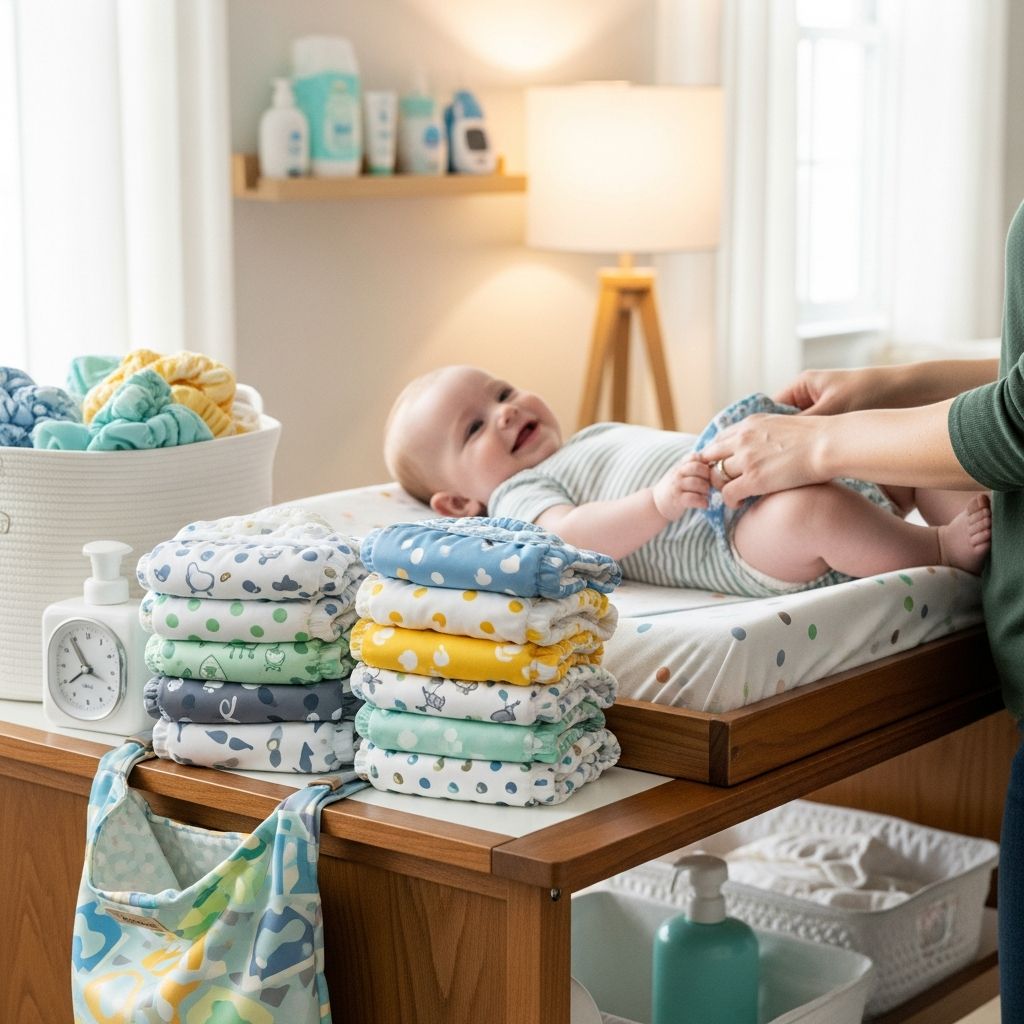
Cloth diapers can look complicated from the outside: laundry routines, different diaper styles, new vocabulary, and lots of opinions. In reality, you can keep it simple, save money, cut your trash dramatically, and still change diapers in just a few minutes per day. This guide is designed for parents who want the benefits of cloth without turning diapering into a part-time job.
Why Bother With Cloth Diapers At All?
Before getting into the details, it helps to understand what you gain by using reusable diapers, even part-time.
- Less waste in the trash can: A baby can use thousands of disposable diapers before potty training, and those diapers contribute significantly to household solid waste.
- Lower long-term cost: After the initial investment, cloth diapers can cost less than disposables, especially if used for more than one child.
- Gentler materials: Many cloth diapers are made from cotton, bamboo, or hemp, and some parents prefer these textiles over disposable materials next to baby’s skin.
- Potty learning benefits: Some children feel wetness more clearly in cloth, which may support earlier toilet awareness in certain cases (research is mixed, but many families report it anecdotally).
- Flexible use: You do not need to be “all cloth” or “all disposable.” Using cloth at home and disposables when traveling is a valid, practical compromise.
Understanding the Main Cloth Diaper Types
Modern cloth diapers come in several styles. You do not need to memorize every option; it is enough to know the basic categories and pick one or two that match your energy level and budget.
| Diaper Style | How It Works | Pros | Cons | Best For |
|---|---|---|---|---|
| All-in-One (AIO) | Absorbent layers are sewn to a waterproof outer. Use once, then wash. | Very easy; most like a disposable; great for caregivers. | Slow to dry; usually higher upfront cost. | Parents who want the simplest possible system. |
| Pocket Diapers | Waterproof shell with a fabric pocket; you stuff an insert inside. | Adjustable absorbency; quick to put on baby. | Need time to stuff after washing. | Families okay with a little prep work for fast changes. |
| All-in-Two / Hybrid | Waterproof cover plus snap-in or lay-in insert. | Can reuse cover for multiple changes; fewer pieces to wash. | Inserts can shift if not fastened well. | Parents balancing budget and convenience. |
| Prefolds & Flats | Rectangles of fabric folded around baby or into a cover. | Very economical; wash and dry quickly; very customizable. | More folding; slightly steeper learning curve. | Budget-conscious families or those who like versatility. |
| Fitted Diapers | Shaped, fully absorbent diaper that needs a waterproof cover. | Excellent absorbency; great for nights. | Two parts (fitted + cover); more laundry pieces. | Heavy wetters, overnight use, or naps. |
A Low-Effort Starter Setup
You can cloth diaper full-time with a fairly small collection. Exact numbers vary depending on how often you want to wash, but these ranges work well for many families.
Core Diaper Stash
- 20–24 daytime diapers (AIOs, pockets, or prefold + cover combinations)
- 4–6 extra absorbent options for nights (hemp or bamboo inserts, or fitted diapers with covers)
- 4–6 waterproof covers if using prefolds, flats, or fitteds (covers can usually be reused for several changes unless soiled)
Helpful Accessories (Not All Mandatory)
- Diaper pail or large lidded bin to hold dirty diapers until wash day
- Two pail liners or large wet bags so one can be in use while the other is in the wash
- Two to four small wet bags for outings and daycare
- Fleece or disposable liners to make cleanup easier and act as a stay-dry layer
- Cloth-safe diaper cream (zinc-based ointments can cause buildup; check manufacturer guidance)
- Simple, effective detergent compatible with your water hardness and machine
If you are unsure you want to commit, start with enough diapers for part-time use—mornings at home, or weekdays only—and expand if you like it.
Using Cloth Diapers Step by Step
Once everything is prepped and washed, day-to-day use is straightforward.
1. Put the Diaper On
- Lay baby on the open diaper, pulling the front up to the belly button.
- Fasten snaps or hook-and-loop at the waist so that it is snug but not digging in; you should fit one to two fingers comfortably at the waist.
- Check leg openings: they should hug the thighs without gaps to prevent leaks.
- For adjustable “one-size” diapers, set the rise snaps so the front edge sits at or slightly below the navel.
2. Change As Needed
- For a newborn, expect 8–12+ changes per day; older babies may need 5–8.
- Change immediately after bowel movements and regularly for wet diapers to reduce the risk of rashes.
- If using a cover-based system (prefolds/flats/fitteds), replace only the absorbent part if the cover is still clean and odor-free.
3. Storing Dirty Diapers Before Washing
- Breastfed-only stool usually washes out easily and often does not need to be rinsed first (check your machine and comfort level).
- Once baby starts solids or formula, knock solids into the toilet using the diaper itself, a liner, or a diaper sprayer.
- Place rinsed or shaken diapers into a pail or hanging wet bag; breathable containers can help reduce strong odors.
- Plan to wash every 2–3 days. Longer intervals can lead to stronger smells and more staining.
Simple, Evidence-Based Washing Routine
Laundry is the part most parents worry about, but a clear routine removes much of the stress. Manufacturers and diaper educators frequently recommend a two-step wash: a shorter cycle to remove most soil, followed by a thorough main wash.
Basic Wash Routine
- Pre-rinse or quick wash (cold):
- Load the machine to about two-thirds full with diapers, inserts, and pail liner.
- Run a short cold cycle with little or no detergent to rinse away urine and loose stool.
- Main wash (warm or hot):
- Run the longest heavy-duty cycle your machine offers, using warm or hot water, according to diaper manufacturer instructions.
- Add the correct amount of a mainstream detergent (usually the same or slightly less than a regular heavily soiled load).
- Extra rinse (optional but helpful):
- If your baby has sensitive skin or you notice detergent residue, add an extra rinse to reduce buildup.
- Drying:
- Line drying protects elastics and waterproof layers and can help naturally lighten stains in the sun.
- If time or weather is an issue, tumble dry on low to medium heat, following manufacturer guidance.
Detergent and Additives
- Use a standard, effective detergent without fabric softener; softeners coat fibers and reduce absorbency.
- Avoid bleach and vinegar unless a diaper manufacturer or specialist specifically recommends them for your situation.
- If you have very hard water, a water softener product may help prevent mineral buildup; check your washing machine and detergent instructions.
Troubleshooting Common Cloth Diaper Problems
Most issues—leaks, smells, stains—can be resolved by small changes to fit or washing habits.
Leaks
- Check fit first: Gaps at the legs or back are a frequent cause of leaks. Adjust rise snaps, tighten waist slightly, and tuck fabric into the leg crease.
- Increase absorbency: If leaks happen after a predictable length of time (for example, always after two hours or overnight), add an extra insert or switch to a more absorbent material such as hemp or bamboo.
- Check for compression leaks: If leaks occur mainly in the car seat or baby carrier, the diaper may be overstuffed or saturated and being “squeezed” out. Use trimmer inserts or change more frequently.
Strong Odor After Washing
- Too little detergent: Ammonia smells or barnyard odors can indicate insufficient detergent or an overloaded machine.
- Too much detergent: A strong detergent smell or persistent bubbles in the final rinse may mean buildup, which traps odors in fibers.
- Adjust gradually: Change only one variable at a time—either add a small amount of detergent or cut back slightly, and reassess after a couple of wash cycles.
Stains and Discoloration
- Sun is highly effective: Hanging damp, clean diapers in direct sunlight can noticeably reduce or remove stains.
- Focus on cleanliness, not whiteness: A faint stain on a fully clean diaper is mostly a cosmetic issue and usually does not affect function.
Rashes
- Ensure diapers are being rinsed well and are free of detergent residue.
- Change more frequently, especially when teething, ill, or after new foods are introduced.
- Use a cloth-safe barrier cream if the skin appears red or irritated, and consult a pediatric health professional for persistent or severe rashes.
Making Cloth Diapering Work With Real Life
Cloth diapering does not need to be all-or-nothing. Many families find a hybrid approach works best.
- Use cloth at home, disposables on trips: This reduces both trash and laundry complications while traveling.
- Combine systems: Use AIOs or pockets for daycare and outings, and prefolds or flats at home where you have more time.
- Plan laundry with your schedule: Align diaper wash days with other laundry routines so it becomes automatic.
- Enroll caregivers: Show relatives or babysitters the easiest style in your stash; label a small basket with “ready to use” diapers for them.
Frequently Asked Questions (FAQs)
Do I have to cloth diaper full-time for it to be worth it?
No. Every cloth diaper you use instead of a disposable reduces waste and can save a small amount of money over time. Even part-time use—such as only at home or only during the day—has benefits.
How often should I wash cloth diapers?
Most experts and manufacturers recommend washing every 2–3 days. Longer than that can increase odors and make stains harder to remove.
Can I use cloth diapers in an apartment or with a shared washer?
Yes. Many families in apartments use cloth successfully. You may want a slightly smaller stash and to plan your wash times when machines are available. Using a good pail liner and sealing wet bags for transport helps keep common spaces odor-free.
Are cloth diapers sanitary in a regular washing machine?
When washed properly with an appropriate detergent and adequate water temperature, cloth diapers can be cleaned effectively in a standard home machine. Public health guidance notes that normal laundering with hot water and detergent is sufficient to remove most microorganisms from textiles used in the home.
Will my baby’s clothes still fit over cloth diapers?
Cloth diapers can be bulkier than disposables, especially with prefolds or overnight setups. Many babies still fit standard clothing, though you may choose roomier pants or one size up for comfort and easier movement.
What about daycare—will they accept cloth?
Policies vary. Some centers are happy to use cloth if you provide simple, ready-to-use diapers (often AIOs or pockets) and a labeled wet bag. Others may prefer disposables only. Ask about their policy, and consider using disposables while your child is there if required.
How long will my cloth diapers last?
With proper care and regular rotation, a well-made set can last through one child and sometimes multiple children. Elastics and hook-and-loop closures may eventually need replacement, but this can often be repaired without replacing the entire diaper.
References
- A Comprehensive Guide to Cloth Diapering for Beginners — Lighthouse Kids Company. 2022-03-10. https://lighthousekidscompany.com/blogs/cloth-diaper-blog/cloth-diapering-for-beginners
- The Ultimate Cloth Diaper Guide for Beginners — Guided Heart Doula. 2021-07-15. https://www.guidedheartdoula.com/post/the-ultimate-cloth-diaper-guide-for-beginners
- New to Cloth Diapers Information — Green Mountain Diapers. 2020-09-01. https://www.greenmountaindiapers.com/pages/newmom
- Washing Reusable Cloth Diapers 101 — Nora’s Nursery. 2022-04-05. https://norasnursery.com/blogs/how-to/getting-started
- How to Cloth Diaper – A Beginner’s Guide — Golden Rippy. 2019-06-12. https://www.goldenrippy.com/how-to-cloth-diaper-a-beginners-guide/
- Everything You Need to Know about Cloth Diapering — Runaway Juno. 2018-08-20. https://runawayjuno.com/runaway-tales/cloth-diapers/