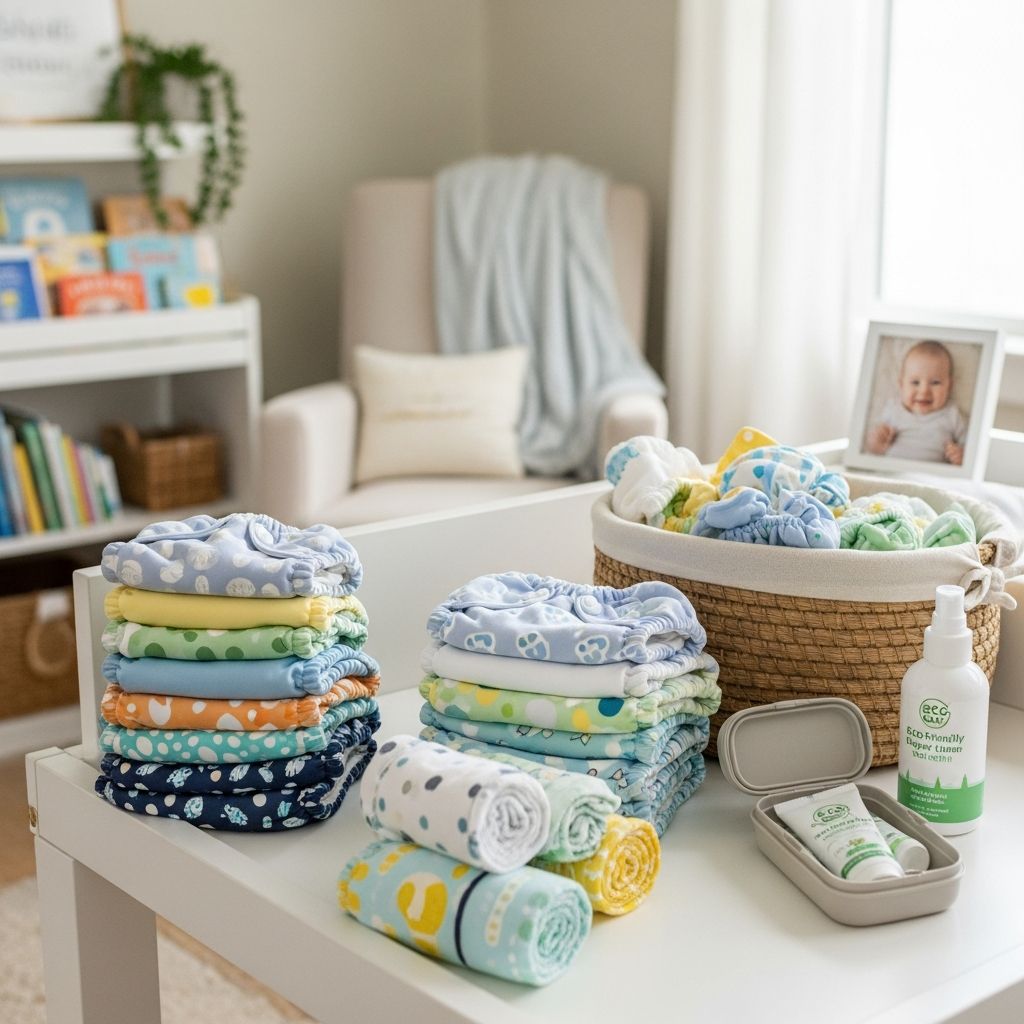
Cloth diapering is no longer an all-or-nothing, one-way-to-do-it decision. Parents today can either hire a cloth diaper service that delivers freshly laundered diapers to their door, or invest in their own cloth diapers and manage the washing at home. Both options can be eco-friendly, budget-conscious, and baby-safe, but they feel very different in terms of daily routine and up-front effort.
This guide breaks down the key differences between cloth diaper services and do-it-yourself (DIY) cloth diapering so you can match your choice to your time, budget, living situation, and comfort level with laundry and logistics.
Why Families Consider Cloth Diapering in the First Place
Before comparing service versus DIY, it helps to understand why cloth diapering keeps attracting new generations of parents even when disposable diapers are widely available and convenient.
- Lower long-term cost: Many families find that cloth, especially when reused for more than one child, can reduce total diapering expenses.
- Less landfill waste: Reusable diapers significantly cut down the number of diapers thrown away over the diapering years.
- Skin sensitivity: Some parents prefer natural fibers and the ability to control detergents and products used on baby’s skin.
- Earlier potty learning: Some toddlers in cloth seem to notice wetness sooner, which may support earlier readiness for toilet training.
Once parents decide cloth is worth exploring, the next big question is whether to outsource the washing or take it on at home.
What a Cloth Diaper Service Actually Does
Cloth diaper services are subscription-style businesses that supply you with a set number of clean diapers each week and pick up the used ones for industrial laundering. You typically pay a recurring weekly or monthly fee.
While each company is slightly different, a typical cloth diaper service may include:
- Delivery of a set quantity of clean cloth diapers to your home on a regular schedule.
- Pick-up of soiled diapers, which are professionally washed, sanitized, and reused.
- Use of wash routines and detergents designed to be gentle on baby’s skin and friendlier to the environment.
- Basic supplies like a diaper pail liner or storage bag, and sometimes a starter set of covers or fasteners.
You still change diapers, fasten covers, and store used diapers between pick-ups, but the service handles all of the washing, drying, and stain management.
What DIY Cloth Diapering Involves
DIY cloth diapering means you purchase your own cloth diaper stash and manage the entire washing routine yourself at home or in shared laundry facilities. This can involve a mix of different diaper styles and accessories.
With a DIY approach, you typically:
- Buy a set of cloth diapers (such as prefolds, fitteds, pockets, or all-in-ones) and waterproof covers where needed.
- Invest in accessories like wet bags, pail liners, cloth wipes, and possibly a spray attachment for your toilet.
- Develop a wash routine that works with your water hardness, washing machine type, and baby’s sensitivities.
- Wash, dry, and organize diapers regularly, usually every two to three days to avoid odors and buildup.
This route offers more control and customization, but it also places the workload and troubleshooting squarely on your household’s shoulders.
Cloth Service vs DIY: Side-by-Side Overview
Every family weighs these options differently. The table below highlights core contrasts to help you visualize which path might fit your situation.
| Factor | Cloth Diaper Service | DIY Cloth Diapering |
|---|---|---|
| Up-front cost | Low initial investment; start-up fee plus first week or month. | Higher initial investment in diapers, covers, and accessories. |
| Ongoing cost | Predictable weekly or monthly fee for as long as you use the service. | Minimal recurring cost after initial purchase, mostly detergent, water, and electricity. |
| Laundry workload | Service handles washing, drying, and sanitizing. | You are responsible for all washing, drying, and troubleshooting. |
| Control over products | Limited to the detergents and routines the service uses. | Full control over detergents, wash cycles, and fabric types. |
| Flexibility with styles | Often focused on basic styles (commonly prefolds). | Wide freedom to choose different brands, styles, and closures. |
| Best for | Families short on time, without private laundry, or wanting a low-commitment trial. | Families with laundry access who plan multiple children or enjoy optimizing routines. |
Cost Considerations: Thinking Beyond the Price Tag
Parents often start this decision by asking which option is cheaper, but total cost includes more than just the obvious line items. It also includes your time, the lifespan of your diapers, and whether you intend to reuse them for future children.
Typical Costs for a Cloth Diaper Service
Pricing varies by location and service level, but many services charge a regular fee that covers all diapers, laundering, and delivery within their service area. Some have an enrollment fee at the beginning and optional add-ons like extra diapers or specialty nighttime boosters.
- Budgeting is straightforward because you pay a consistent amount at predictable intervals.
- You do not have to replace diapers due to wear and tear because the service maintains its own inventory.
- If you stop using cloth earlier than expected, you are not left with a large personal stash to resell or store.
Typical Costs for DIY Cloth Diapering
DIY usually has a larger initial price tag but lower month-to-month costs if you stay with cloth long enough. The exact number depends on which styles you choose and whether you buy new or pre-loved.
- You pay for diapers, covers, and accessories at the beginning, then mostly pay for water, electricity, and detergent.
- Cloth diapers can be reused for siblings, gifted to friends, donated, or resold, extending their value.
- Buying versatile styles or one-size options can reduce how many sizes you need over time, lowering total cost.
For many families, a key financial question is whether they want to trade a higher up-front purchase for lower monthly costs, or prefer a service where the expense is spread out but continuous.
Time, Energy, and Lifestyle Fit
Cost is only one piece of the puzzle. The biggest day-to-day difference between service and DIY is the amount of time and mental energy you want to invest in diaper care.
When a Cloth Diaper Service Matches Your Life
A service can be especially appealing if you value cloth for environmental or skin reasons but can’t realistically add extra laundry and troubleshooting into your week. It also helps when your living space or schedule makes frequent laundry difficult.
- You live in a condo or apartment with shared machines and do not want to wash diapers in a communal washer and dryer.
- You are returning to work quickly after birth and want to preserve your limited free time for rest and connection, not laundry.
- You feel overwhelmed by the idea of learning wash routines, troubleshooting ammonia or buildup, or researching detergents.
- You want to try cloth but are not ready to commit to a full personal stash until you know it works for your baby.
When DIY Cloth Diapering Feels Right
Families who embrace DIY often enjoy the sense of control and customization that comes with owning their own system. Some also find satisfaction in mastering the routine and saving money in the long run.
- You have easy access to a reliable washing machine and dryer (or an efficient line-drying setup).
- You don’t mind doing laundry regularly and can fold diaper loads into your routine without extra stress.
- You enjoy researching products and optimizing routines, or you like the flexibility to change detergents and methods.
- You expect to use the diapers for more than one child and want to spread that initial investment over several years.
Environmental Impact: Service vs Home Washing
Both diaper services and DIY cloth routines can significantly reduce solid waste compared to single-use disposables. The more nuanced question is how water and energy use compares between industrial laundering and home washing.
- Professional services often wash large loads in high-efficiency commercial machines and may optimize water and energy use across many families at once.
- At home, overall impact depends on your machine’s efficiency, how often you wash, your water source, and whether you line-dry or use an energy-intensive dryer cycle.
- Using gentle, biodegradable detergents and avoiding harsh additives can benefit both options.
If environmental impact is a top priority, it is worth asking local services about their water-saving practices and energy sources, and reviewing your own home appliances and habits when considering DIY.
Practical Pros and Cons at a Glance
Advantages of Cloth Diaper Services
- Less workload: You avoid washing, drying, and stain-treating diapers.
- Simpler startup: There is no need to research dozens of brands or build a full personal stash immediately.
- Consistent supply: Scheduled deliveries help prevent last-minute runs to the store or late-night laundry sessions.
- Low-risk trial: You can use cloth early on, even if you are not sure you want to do it for the entire diapering period.
Challenges of Cloth Diaper Services
- Limited style variety: Many services focus on simple diapers such as prefolds paired with covers, offering fewer specialty options.
- Availability varies: Some regions have multiple diaper services, while others may not have any at all.
- Ongoing payment: You keep paying as long as you use the service, which can add up over several years.
- Less control over routine: You rely on the service’s laundering process, detergents, and timing.
Advantages of DIY Cloth Diapers
- Long-term savings potential: After the initial purchase, costs are mainly utility bills and detergent, especially when reusing for siblings.
- Customization: You can choose fabrics, styles, closures, and brands that best fit your baby and your preferences.
- Full control: You can adjust wash routines, detergents, and drying methods anytime, based on your baby’s skin or local water conditions.
- Resale and reuse: Well-cared-for diapers can retain resale value or be passed to friends or future children.
Challenges of DIY Cloth Diapers
- Extra laundry: You need to commit to frequent washing, which can feel demanding during sleep-deprived weeks.
- Learning curve: It can take trial and error to find the right wash routine, detergent, and diaper fit.
- Up-front cost: Buying a full stash at once can be a financial hurdle for some families.
- Space needs: You need storage for clean diapers, plus room to air out or store soiled ones between washes.
Special Situations to Consider
Beyond everyday home use, a few scenarios can influence which option makes more sense for your family.
Daycare and Caregivers
Some childcare providers are familiar with cloth diapers and happy to use certain styles, while others strongly prefer disposables. Even among cloth-friendly providers, easier styles such as all-in-ones or pocket diapers are often favored because they resemble disposable diapers in use.
- If your daycare requires more streamlined styles, you may use a cloth diaper service or DIY at home while packing a different cloth system or even disposables for childcare hours.
- Grandparents or sitters may be more comfortable with simple, pre-stuffed or pre-snapped options rather than learning how to fold prefolds or adjust covers.
Newborn Stage vs Later Months
The earliest weeks after birth are uniquely intense, with frequent changes and steep learning curves for everyone. Many parents like the idea of outsourcing some of the work during this period and then reevaluating once routines settle.
- You might use a cloth diaper service for the newborn stage, then transition to your own DIY stash when baby grows into one-size diapers.
- Alternatively, you could start with disposables for the first few weeks and then move into either a service or DIY system once you feel ready.
Space and Housing Constraints
Where you live can make one choice more practical than the other. Small apartments, shared laundry, or building rules can all play a role in the decision.
- In a building with no in-unit washer and dryer, the idea of transporting loads of dirty diapers to a laundry room or laundromat multiple times a week may feel unrealistic.
- A diaper service can reduce the number of laundry trips, while still allowing you to avoid disposables full time or part time.
Mix-and-Match: You Don’t Have to Pick Just One
Many families discover that their ideal solution is not strictly service or DIY, but a blend of both. This hybrid approach can give you flexibility and a way to adapt as your child grows or your schedule changes.
- Service at first, DIY later: Use a diaper service during the newborn months to buy yourself time and energy, then gradually invest in your own stash as you learn what you like.
- DIY at home, disposables on the go: Stick to cloth when you control the environment and use disposables for long outings, vacations, or overnight trips.
- Service plus personal stash: Let the service provide your everyday diapers while you keep a few favorite styles of your own for nights, travel, or daycare.
This flexible mindset can remove pressure to find a perfect, permanent solution on day one. You can start somewhere, see how it feels, and adjust as real life unfolds.
Questions to Help You Decide
If you are still unsure which path fits best, these reflection questions can help clarify your priorities and constraints.
- How comfortable am I with adding extra laundry loads to my week for the next two to three years?
- Do I have reliable access to private laundry, or would I be using shared machines or laundromats?
- Is my bigger concern monthly cash flow, total lifetime cost, reducing waste, or simplifying my daily routine?
- Do I like the idea of experimenting with different cloth styles, or would I prefer a simple, standardized system?
- Am I planning for one child or hoping to reuse cloth diapers for multiple children?
Your honest answers will often point clearly toward either a service, a DIY setup, or an intentional mix of the two.
Frequently Asked Questions About Cloth Diaper Services and DIY
Are cloth diaper services hygienic?
Reputable cloth diaper services use commercial-grade equipment and wash processes designed to thoroughly clean and sanitize diapers between uses. Diapers are typically washed at high temperatures with carefully chosen detergents and, in some cases, additional disinfection steps. If hygiene is a top concern, you can ask a prospective service to explain its laundering process and any certifications or guidelines it follows.
Can I combine a cloth diaper service with my own cloth diapers?
Yes. Some families supplement service-provided diapers with their own stash, for example using service diapers during the day and personal diapers overnight or for travel. If you combine them, just keep track of which diapers belong to the service so you do not accidentally wash and store them instead of setting them out for pick-up.
Is washing cloth diapers at home very complicated?
Home washing does have a learning curve, but many parents find a simple routine that works for them after some trial and error. A typical routine might involve a short rinse to remove residue, followed by a longer hot wash with an appropriate amount of detergent, and then drying according to fabric instructions. The key is consistency and adjusting the routine if you notice lingering odors, buildup, or skin irritation.
What if my daycare does not accept cloth diapers?
Policies vary, so the first step is to ask your specific provider what they allow. Some are open to certain cloth styles that fasten like disposables, while others prefer disposables only during care hours. If your daycare does not accept cloth, you can still use cloth at home in the mornings, evenings, and weekends, choosing either a service or DIY setup for those times.
Will cloth diapering really save money compared to disposables?
The financial advantage depends on local prices, how long your child is in diapers, whether you use a service, and whether you reuse your diapers for more than one child. DIY cloth with a well-chosen, durable stash reused for siblings often yields the largest savings. A cloth diaper service may land closer in cost to mid-range disposables but offers environmental and convenience benefits that some families consider worth the difference.
How many cloth diapers do I need to start?
For a newborn using cloth at every change, many DIY families aim for enough diapers to cover about two to three days of use, taking into account how often they plan to wash. If you use a service, the company usually recommends a package that matches your baby’s age and average number of daily changes, so you do not need to calculate the number yourself.
Choosing the Option That Truly Supports You
There is no single “right” way to diaper a baby. The best option is the one that supports your family’s well-being, values, and bandwidth. If a cloth diaper service gives you breathing room during a demanding season of life, that is a valid and thoughtful choice. If washing your own diapers gives you a sense of control, savings, and satisfaction, that is equally valid.
You are allowed to change your mind, switch approaches, or mix methods as you go. The goal is not perfection; it is a sustainable, realistic routine that keeps your baby clean, comfortable, and loved while also respecting your own limits and priorities.