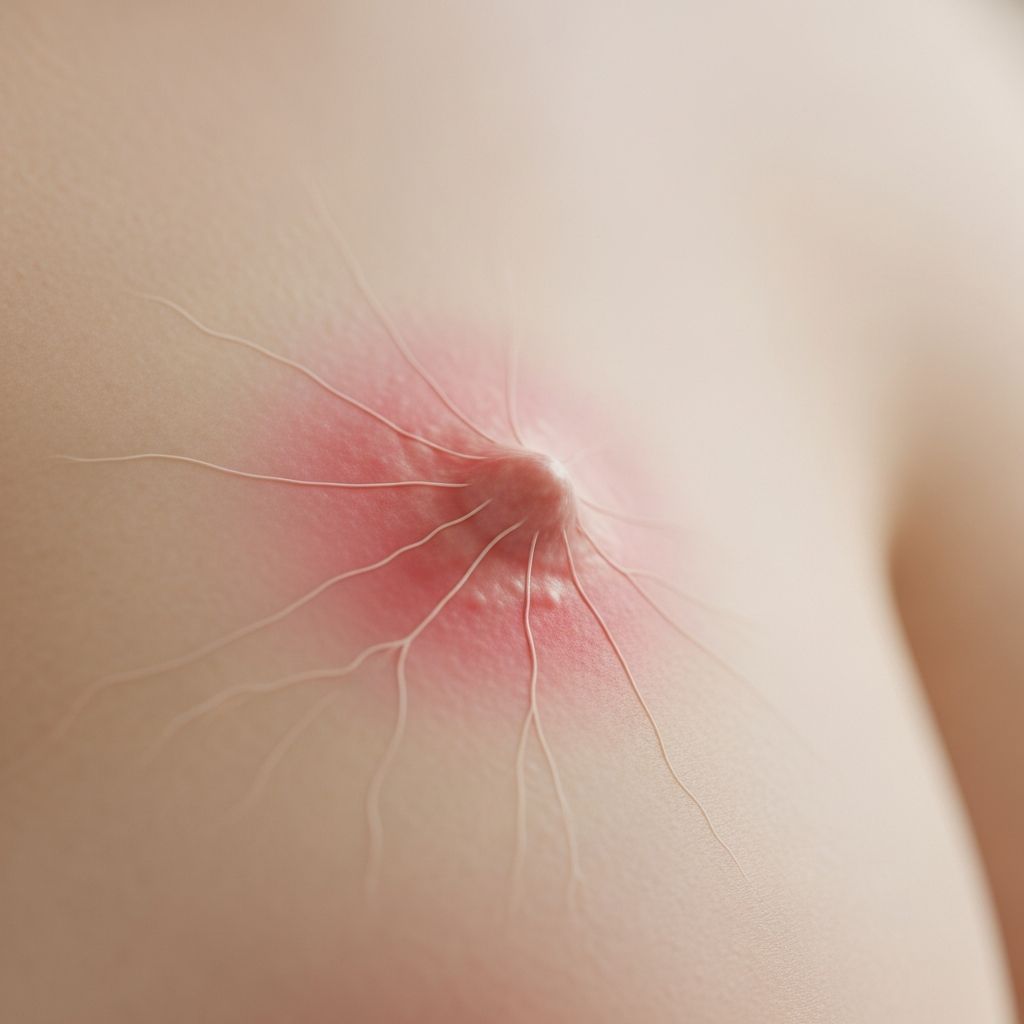
Breastfeeding can be deeply rewarding, but problems like a clogged milk duct can make nursing suddenly painful and stressful. Knowing what is happening in your breast, how to treat it safely at home, and when to call a healthcare professional can protect both your comfort and your milk supply.
What Is a Clogged Milk Duct?
Your breasts contain a branching network of tiny tubes called milk ducts that carry milk from the milk-making tissue to the nipple. When milk does not flow well through one of these ducts, the surrounding tissue can become inflamed and swollen, narrowing or blocking the duct. This is commonly called a clogged, plugged, or blocked milk duct.
Most clogged ducts affect only one small area of one breast at a time and develop gradually over hours rather than all at once. With prompt attention, they often improve within a day or two.
Typical Symptoms of a Clogged Milk Duct
While every body is different, clogged ducts tend to share several hallmark features.
- A tender lump or firm area in one part of the breast
- Localized soreness or burning pain, especially before or during feeds
- Warmth and mild swelling over the affected spot
- Slower milk flow or less milk volume from that breast
- No or only low-grade fever; overall you may feel mostly well
- A small white dot on the nipple (sometimes called a milk bleb or blister)
Because clogged ducts and breast infections can overlap, it helps to compare them side by side.
| Feature | Clogged Milk Duct | Mastitis (Breast Infection) |
|---|---|---|
| Onset of symptoms | Gradual over hours or a day | Sudden, often within a few hours |
| Breast changes | Localized lump, tender area, mild redness | Widespread redness, may see streaks on skin |
| General feeling | Usually otherwise well; may feel a bit run-down | Flu-like: fever, chills, body aches, profound fatigue |
| Fever | Often none or very mild; if present, monitor closely | Common, typically higher fever |
| Cause | Poor milk drainage, pressure, inflammation | Infection usually following poor drainage or skin breakdown |
What Causes a Milk Duct to Clog?
A plugged duct usually means milk is not moving smoothly through that part of the breast. Several factors can contribute to this.
Common Triggers
- Infrequent or skipped feeds (e.g., baby suddenly sleeping longer, travel, returning to work)
- Changes in routine such as starting to pump, weaning one feeding, or a busy day with longer gaps
- Shallow or inefficient latch so the breast is not fully drained
- Pressure on the breast from tight bras, underwire, sports bras, or baby carriers
- Lying or sleeping in one position that compresses the same area repeatedly
- Engorgement or oversupply, where more milk is made than baby removes
- Inflammation in breast tissue or nearby blood vessels, which narrows the ducts
Less Common Medical Causes
Occasionally, a separate breast condition can contribute to duct blockage, such as mammary duct ectasia, in which a duct widens and its walls thicken, making it more likely to become plugged. A clinician can help distinguish these situations if clogs keep returning in the same spot.
Safe Home Care: What You Can Do Right Away
Most clogged ducts respond to simple, consistent home measures focused on three goals: keep milk moving, lower inflammation, and protect your energy.
1. Keep Milk Moving Gently
- Continue breastfeeding or pumping from the affected breast. Do not abruptly stop, as this can worsen engorgement and raise the risk of infection.
- Nurse or pump frequently, according to your baby’s hunger cues. Aim to avoid long stretches without milk removal.
- Experiment with positions so your baby’s chin or lower jaw points toward the clogged area, which may help with drainage.
- After feeding, if your breast still feels very full, hand express or pump a small amount until it feels softer, but avoid over-pumping, which can overstimulate supply.
2. Comfort Measures for Pain and Swelling
- Cold packs on the sore area between feeds can help reduce swelling and ease pain.
- Some parents find warmth before or during a feed (such as a warm shower or warm compress) comforting and helpful for let-down.
- Gentle breast massage: using flat fingers, lightly stroke from the swollen area toward the nipple while baby is nursing or while pumping.
- Supportive but not tight bra: choose soft, non-underwire bras that do not press on the tender spot.
3. Rest and Anti-Inflammatory Support
- Prioritize rest and hydration. Your body heals better when you are not exhausted and dehydrated.
- Over-the-counter pain relievers such as ibuprofen or acetaminophen are often recommended for pain and inflammation; use only as directed and confirm safety with your healthcare provider, especially when breastfeeding.
What to Avoid With a Clogged Duct
Some popular tips circulating online are no longer recommended by many lactation and medical experts because they may increase inflammation or trauma.
- Aggressive or deep massage can damage tissue and worsen swelling. Gentle, short strokes are safer.
- Using hard tools (like electric toothbrushes or massage guns) on the breast can bruise delicate tissue.
- Excessive pumping beyond what your baby would normally remove may stimulate oversupply and make recurring clogs more likely.
- Ignoring a fever or feeling very unwell instead of calling a clinician can allow mastitis to progress.
When to Call a Healthcare Professional
A clogged duct itself is not usually an emergency, but it can turn into mastitis if inflammation and poor drainage continue. Early medical guidance can prevent complications like a breast abscess.
Contact your doctor, midwife, or lactation consultant promptly if you notice any of the following:
- Symptoms lasting longer than 24–48 hours without clear improvement
- Fever (especially 38.3°C / 101°F or higher) or chills
- Flu-like symptoms: body aches, fatigue, headache, feeling very unwell
- Red streaks on the breast or rapidly spreading redness
- Severe, worsening pain or a lump that becomes very hard or does not shrink after feeds
- Recurrent clogs in the same area, which might suggest an underlying issue
- Any concern about your baby’s feeding, weight gain, or number of wet diapers
Mastitis is typically treated with antibiotics and continued breastfeeding or pumping to keep milk moving. Only a healthcare professional can diagnose and prescribe appropriate treatment.
Protecting Your Milk Supply While You Heal
Many parents worry that a clogged duct will permanently reduce their supply. The good news is that with early action, most people recover fully.
- Maintain regular emptying of both breasts through feeds or pumping.
- If nursing on the affected side is too painful for a short time, pump or hand express gently to keep milk moving.
- Watch your baby’s diaper output and weight checks to be sure intake is adequate. Your baby’s clinician can help assess this.
- If you notice a persistent drop in supply on one side after the clog resolves, a lactation specialist can help you create a plan to rebuild production.
Preventing Future Clogged Ducts
Some people experience only one clogged duct; others have them repeatedly. While you cannot control every factor, certain habits can lower your risk.
Feeding and Pumping Habits
- Avoid long stretches without breastfeeding or pumping, especially in the early weeks.
- If your baby suddenly sleeps longer, consider a brief pump or hand expression session to relieve fullness.
- Work with a lactation consultant to improve latch and positioning so your baby drains the breast effectively.
- When pumping, use appropriate flange sizes and suction levels that are comfortable and effective.
Comfort and Clothing
- Choose non-restrictive bras and tops; avoid tight straps, underwire, or compression that leaves deep marks.
- Change positions for sleep and feeding so the same part of your breast is not compressed every time.
- Use breast pads that do not stay soggy against the skin for long periods to reduce irritation.
General Health
- Try to maintain adequate rest, nutrition, and fluids to support your immune system and healing.
- Seek support for stress management where possible; high stress can make self-care and consistent feeding patterns harder to maintain.
Emotional Side: It’s Not Your Fault
Many new parents feel guilty or discouraged when breastfeeding becomes painful. It is important to remember that clogged ducts are a common and treatable breastfeeding challenge. They do not mean you did something wrong or that breastfeeding is failing.
- Reach out to lactation consultants, nurses, or peer support groups if you feel overwhelmed.
- Share the load at home so you can rest and focus on feeding while your body recovers.
- Know that needing antibiotics or extra help is not a sign of failure; it is a sign you are taking your health seriously.
Frequently Asked Questions About Clogged Milk Ducts
Can I keep breastfeeding if I have a clogged duct?
Yes. In fact, continuing to breastfeed or pump on the affected side is one of the most important steps for clearing the blockage and preventing infection, as long as you feel able and your clinician has not advised otherwise.
How long should a clogged duct last?
Many clogged ducts improve within 24–48 hours when treated promptly with frequent milk removal, rest, and comfort measures. If pain, lump, or redness persists beyond this, or if you feel sick, contact a healthcare professional.
Do clogged ducts always turn into mastitis?
No. Many clogged ducts resolve without becoming infected, especially when addressed early. However, an untreated or persistent clog can increase the chance of mastitis, so watch closely for fever, worsening redness, or flu-like symptoms.
Is a clogged duct dangerous for my baby?
In most cases, your milk remains safe for your baby, and continuing to feed helps clear the blockage. The main concern is your own comfort and risk of infection, so monitor your symptoms and seek care if they worsen.
Why do I keep getting clogs in the same place?
Recurrent clogs in one area may be linked to consistent pressure in that spot, a pattern of incomplete drainage, or, less commonly, an underlying breast condition such as duct ectasia. A lactation consultant or breast specialist can evaluate and tailor a prevention plan.
References
- Clogged or plugged milk duct: Symptoms, causes, and more — Medical News Today. 2018-07-23. https://www.medicalnewstoday.com/articles/322965
- Clogged Milk Duct: Causes, Symptoms & Treatment — Cleveland Clinic. 2022-09-27. https://my.clevelandclinic.org/health/diseases/24239-clogged-milk-duct
- Managing plugged ducts and mastitis when breastfeeding — Mayo Clinic Health System. 2022-05-11. https://www.mayoclinichealthsystem.org/hometown-health/speaking-of-health/managing-plugged-ducts-mastitis-when-breastfeeding
- Plugged Ducts, Mastitis, and Thrush — WIC Breastfeeding Support, USDA. 2020-08-03. https://wicbreastfeeding.fns.usda.gov/plugged-ducts-mastitis-and-thrush
- Clogged Milk Ducts — HealthyChildren.org (American Academy of Pediatrics). 2018-11-21. https://www.healthychildren.org/English/ages-stages/baby/breastfeeding/Pages/Clogged-Milk-Ducts.aspx
- Plugged Milk Ducts — Children’s Hospital of Philadelphia. 2014-10-01. https://www.chop.edu/centers-programs/breastfeeding-and-lactation-program/plugged-milk-ducts
- Mammary duct ectasia — Mayo Clinic. 2023-03-24. https://www.mayoclinic.org/diseases-conditions/mammary-duct-ectasia/symptoms-causes/syc-20374801