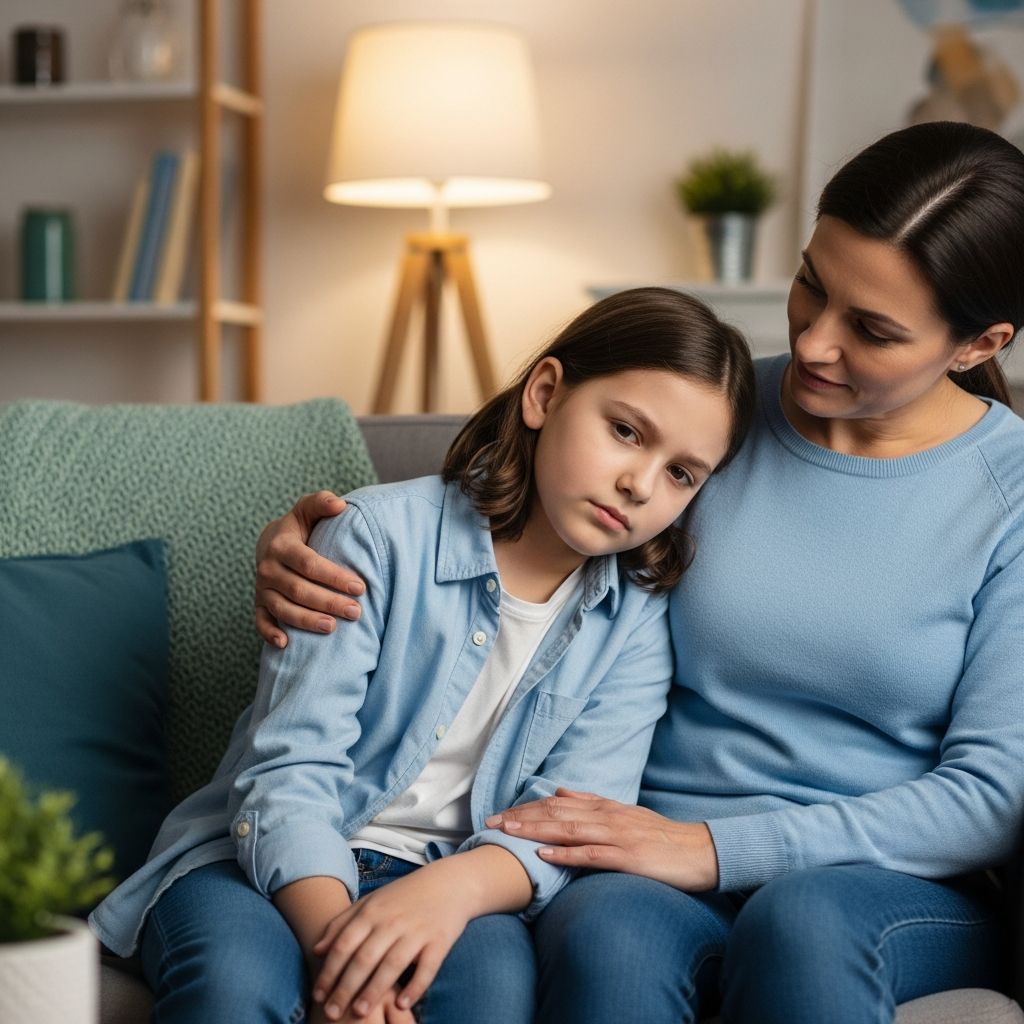
Chronic pain affects up to 20-35% of school-age children and adolescents, often persisting beyond expected healing times and impacting daily life. For parents, recognizing signs and implementing targeted strategies can significantly improve a child’s function, school performance, and emotional well-being through interdisciplinary approaches focusing on rehabilitation, psychology, and lifestyle normalization.
Understanding Persistent Pain in School-Age Kids
Persistent discomfort in children aged 8-18 can stem from various sources, including musculoskeletal issues, headaches, abdominal problems, or amplified pain signals without clear injury. Unlike short-term aches, this type lasts over three months, leading to reduced activity, sleep issues, and emotional distress. Early signs include frequent complaints limiting play, sports, or homework, avoidance of movement due to fear of worsening symptoms, and changes in mood or social withdrawal. Risk factors encompass poor sleep, stress, family dynamics, or prior injuries, with adolescents showing lower activity levels that perpetuate the cycle.
Distinguishing this from temporary pain is crucial; it often lacks visible injury yet disrupts normal development. Pediatric experts emphasize a bio-psycho-social model, viewing pain as influenced by physical, emotional, and environmental elements. Parents play a pivotal role by observing patterns, tracking triggers like fatigue or anxiety, and seeking specialist input when over-the-counter remedies fail.
Key Signs Parents Should Watch For
- Physical limitations: Reluctance to participate in gym class, sports, or even walking long distances due to heightened sensitivity.
- Sleep and energy disruptions: Difficulty falling asleep or frequent awakenings, resulting in daytime fatigue and irritability.
- Emotional changes: Increased anxiety, frustration, or withdrawal from friends, signaling pain’s psychological toll.
- School challenges: Declining grades, missed days, or requests for special accommodations like reduced PE.
- Daily function decline: Struggles with hobbies, chores, or self-care, indicating broader impact.
Building a Comprehensive Treatment Plan
An effective plan prioritizes restoring function over solely eliminating pain, using a team of physical therapists, psychologists, and physicians. Programs like those at specialized clinics combine rehab, mind-body practices, and behavioral strategies, leading to rapid functional gains even before pain fully subsides. Opioids are rarely recommended for primary conditions; instead, focus shifts to non-drug therapies.
Physical Rehabilitation Essentials
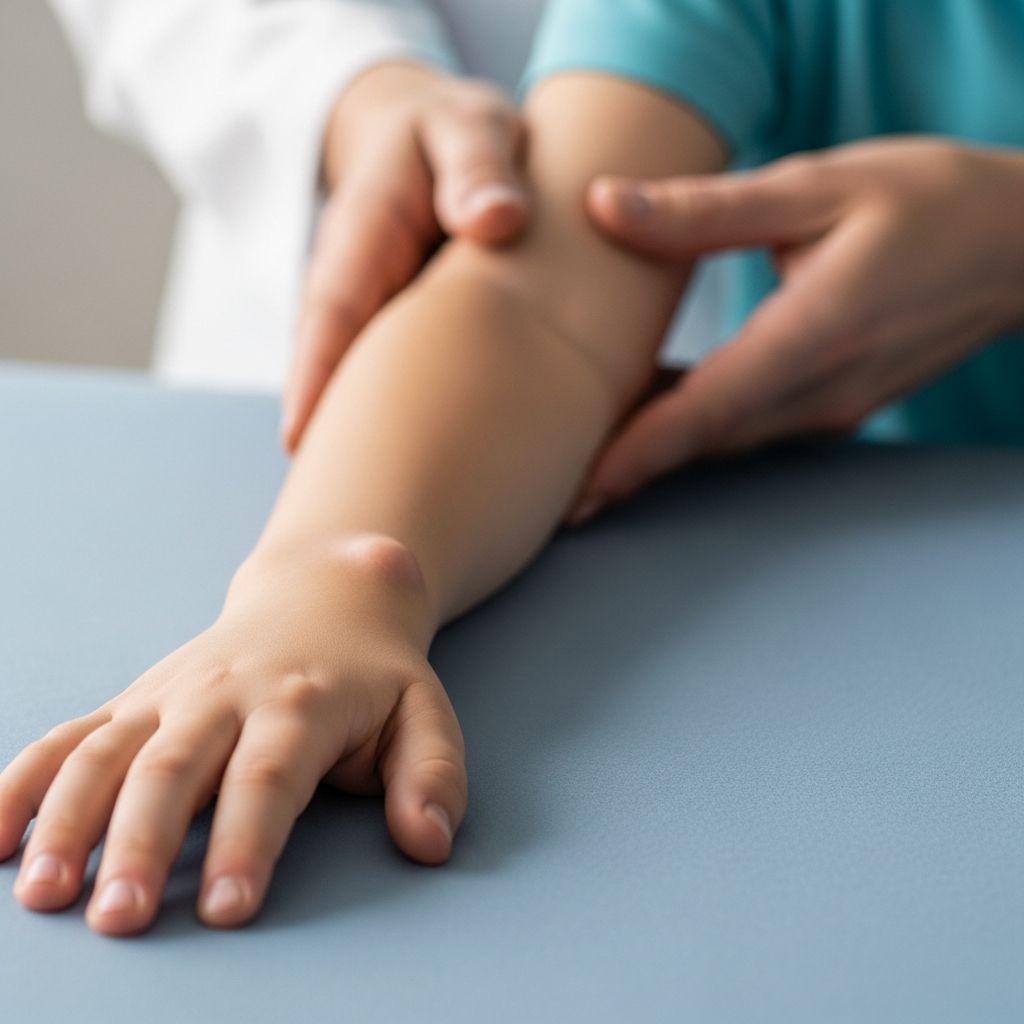
Graded exercise through physical therapy (PT) rebuilds strength, flexibility, and confidence. Therapists tailor plans to goals like returning to soccer or bike riding, incorporating techniques such as motor imagery and pain education to desensitize responses. Studies show adolescents in rehab programs improve function faster than pain reduces, with benefits from consistent activity reducing depression risk. Parents can reinforce this at home with gentle stretches or walks, monitoring progress weekly.
| PT Phase | Focus Areas | Expected Outcomes |
|---|---|---|
| Initial Assessment | Movement goals, neuro-musculoskeletal checks | Personalized plan |
| Active Rehab | Strength, balance, graded exposure | Increased activity tolerance |
| Maintenance | Sport-specific drills, home exercises | Sustained function |
Mind-Body and Psychological Interventions
Techniques like guided imagery, yoga, biofeedback, and cognitive behavioral therapy (CBT) empower kids to modulate pain. CBT reduces catastrophizing and boosts coping, with brain imaging showing prefrontal cortex changes linked to better outcomes. Mindfulness and hypnosis, taught from age 5+, integrate into routines for daily use. Evidence supports these for headaches, abdominal pain, and musculoskeletal issues, often delivered in groups or online. Parents learn alongside to model calm responses.
Medication Role and Alternatives
Medications like NSAIDs, low-dose antidepressants, or gabapentinoids target specific pains but are adjuncts, not first-line. WHO guidelines advocate multimodal approaches over pharmacology alone. Interventional options like nerve blocks are infrequent. Lifestyle tweaks—improved sleep hygiene, nutrition, hydration—amplify effects.
Navigating School and Social Life
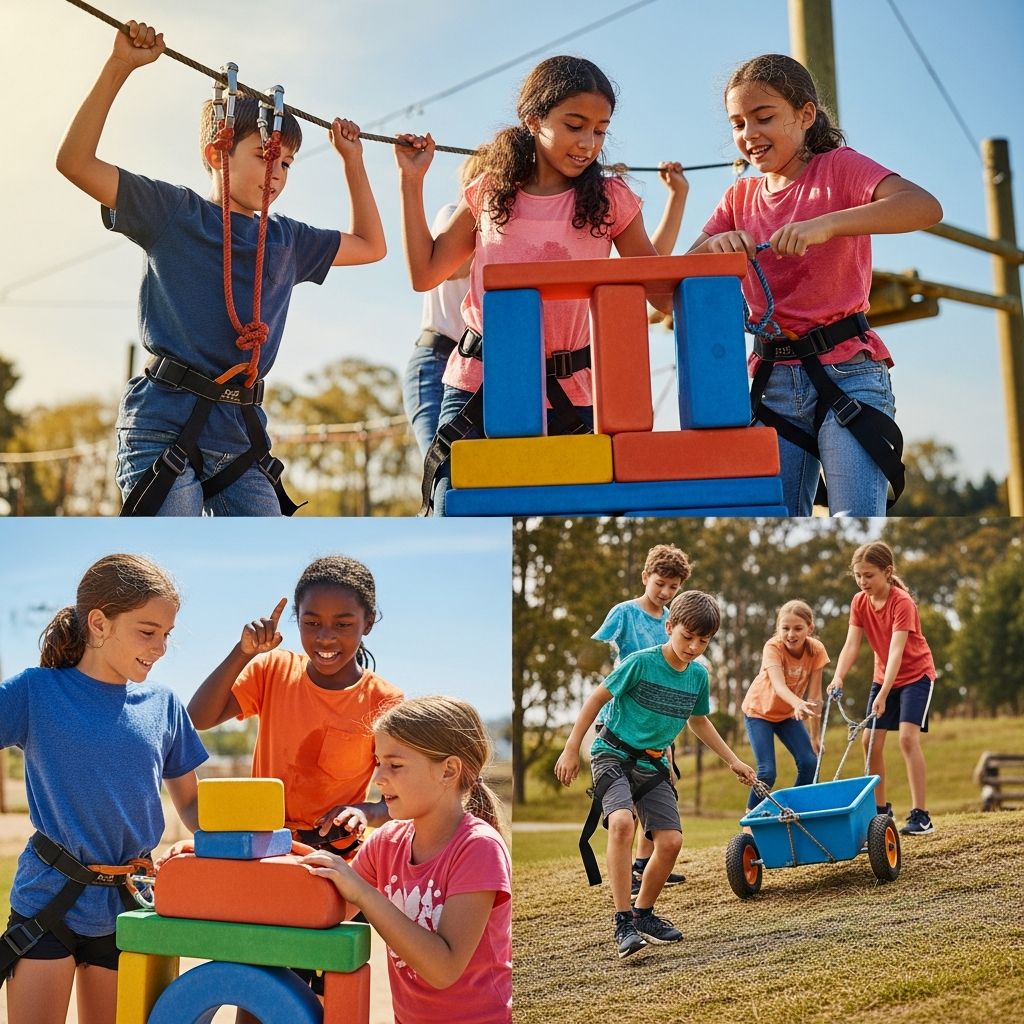
Reintegrating into school is vital, as absence worsens isolation and deconditioning. Collaborate with educators on plans allowing gradual return: start with half-days, modified assignments, or quiet rest spaces. Address bullying or misunderstandings by educating staff on chronic pain’s invisibility. Extracurriculars build resilience; aim for paced involvement in clubs or teams.
- Communicate with a 504 plan or IEP for accommodations.
- Track attendance and homework to celebrate progress.
- Encourage peer support groups for normalization.
Family Dynamics and Parental Strategies
Pain strains families; parents must balance empathy with encouragement to avoid overprotection, which prolongs symptoms. Use positive reinforcement for brave behaviors, like trying a new activity despite discomfort. Family therapy addresses dynamics, teaching unified responses. Self-care for parents prevents burnout—join support networks or respite activities. Monitor siblings’ feelings to maintain harmony.
Daily Routines for Long-Term Success
Structure days around consistency: fixed sleep schedules (9-11 hours/night), balanced meals, and 60 minutes of movement. Hydration and stress reducers like journaling aid regulation. Weekly family check-ins review goals, adjusting as function improves. Long-term, many children resolve pain through restored activity, but ongoing tools prevent relapse.
Frequently Asked Questions (FAQs)
What causes chronic pain in older kids?
It often arises from amplified nervous system responses, past injuries, stress, or poor sleep, without ongoing damage.
How long does treatment take?
Functional improvements occur in weeks with intensive rehab; full resolution varies but younger patients recover faster.
Are medications safe and necessary?
They support but don’t lead; rehab and psychology are primary, minimizing side effects.
Can my child return to sports?
Yes, with graded PT; most resume activities safely, enhancing overall health.
What if pain persists despite efforts?
Reassess with specialists; interdisciplinary intensification or rare interventions may help.
This guide equips parents with actionable steps, drawing from proven pediatric protocols to foster resilience and normalcy.
References
- Chronic Pain in Children and Adolescents: Diagnosis and Treatment — Children’s Hospitals and Clinics of Minnesota. 2016. https://pmc.ncbi.nlm.nih.gov/articles/PMC5184817/
- Chronic Pain in Children — Children’s Hospital Colorado. Accessed 2026. https://www.childrenscolorado.org/conditions-and-advice/conditions-and-symptoms/conditions/chronic-pain/
- Rehabilitation Approach to Adolescent Pain — AAPM&R. Accessed 2026. https://now.aapmr.org/rehabilitation-approach-to-adolescent-pain/
- Pain in Children: Management — International Association for the Study of Pain. Accessed 2026. https://www.iasp-pain.org/resources/fact-sheets/pain-in-children-management/
- Managing chronic pain in children and adolescents — NIH. 2004 (seminal review). https://pmc.ncbi.nlm.nih.gov/articles/PMC1126302/
- PEDIATRIC CHRONIC PAIN — Lurie Children’s Hospital. 2020-04-01. https://www.luriechildrens.org/globalassets/media/pages/for-healthcare-professionals/prn-curriculum/core/chronic/april2020/2020.pediatricprn.chronicpain.final.pg.pdf
- Fact Sheet: Chronic Pain in Children and Adolescents — Society of Pediatric Psychology. Accessed 2026. https://pedpsych.org/fact_sheets/chronic_pain/