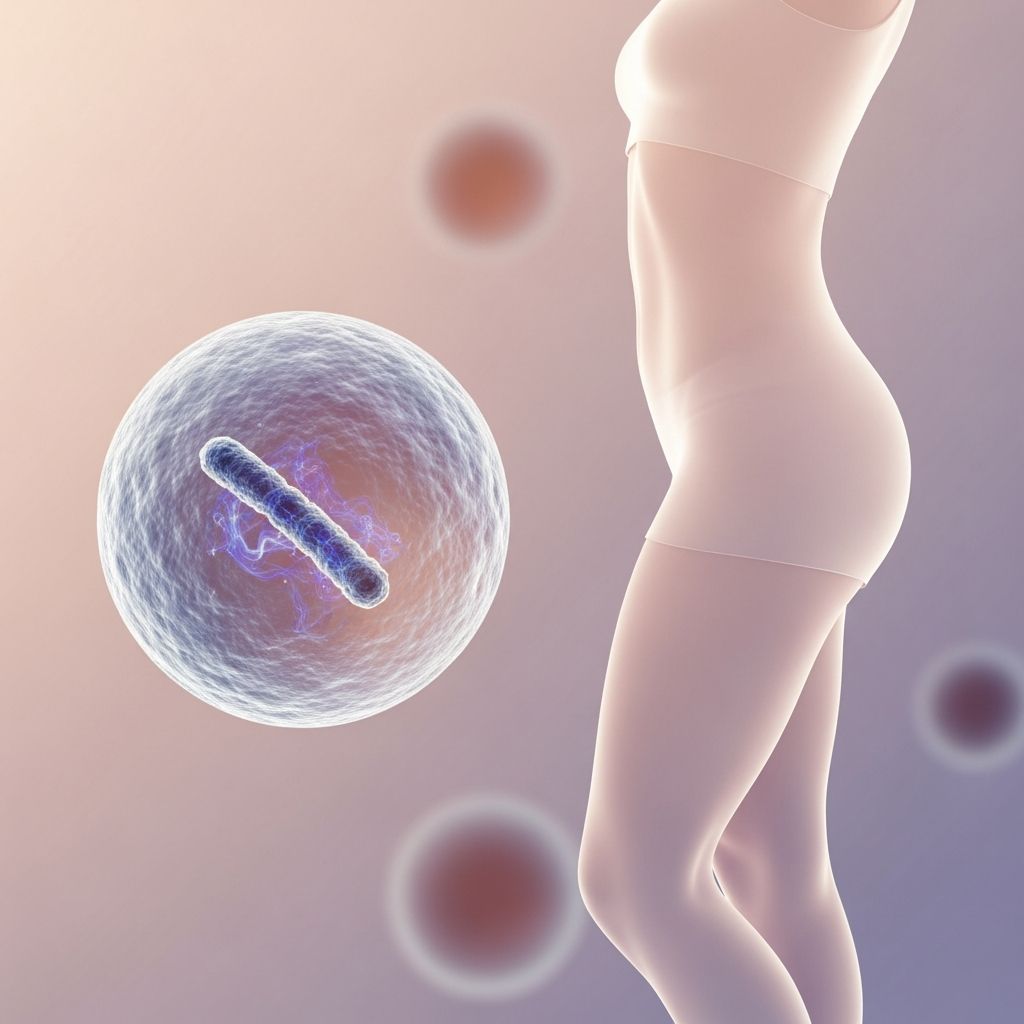
Inside almost every cell of your body are tiny packages called chromosomes that help decide how you look, how your body grows, and how it works every day.
Chromosomes are made of DNA and proteins, and they hold the instructions for building and running you, from your eye color to how tall you may grow.
What Is a Chromosome?
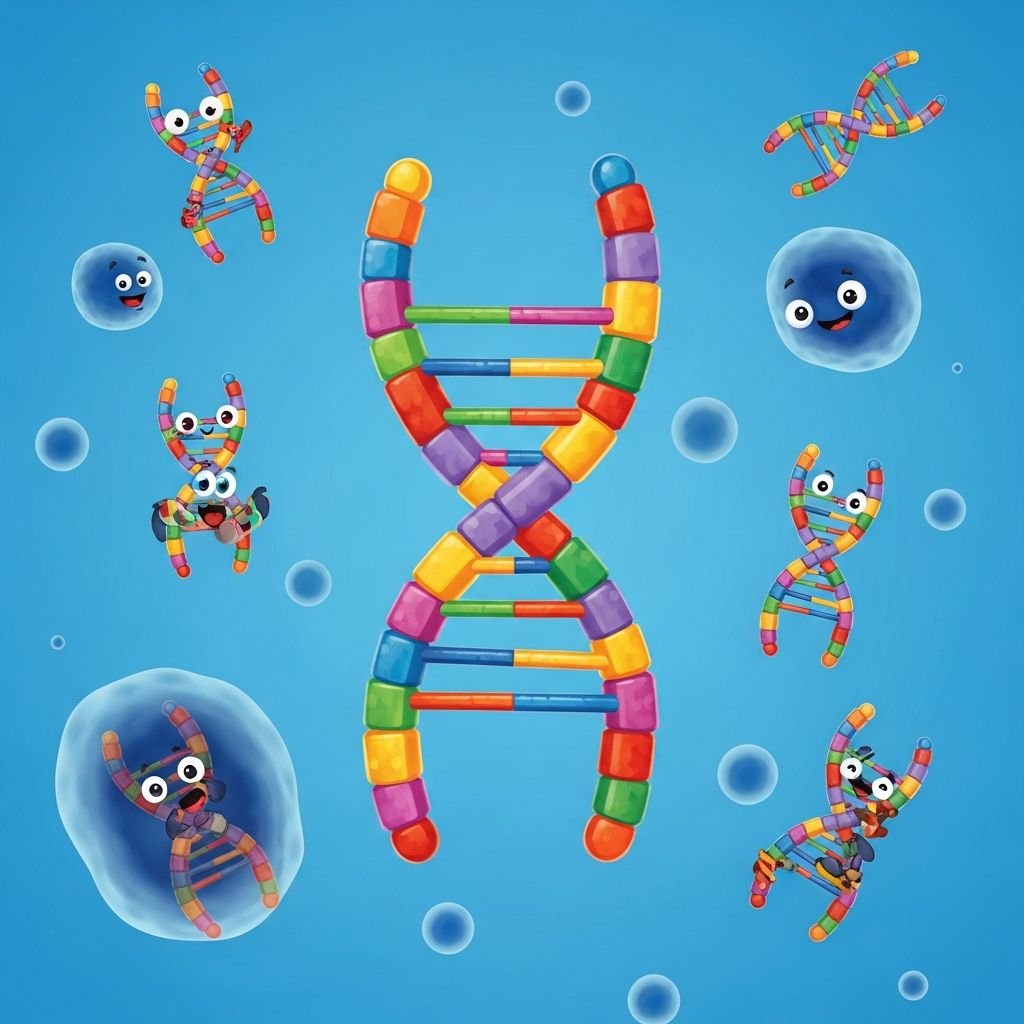
A chromosome is a long, thin strand of DNA that has been tightly coiled and wrapped around special proteins so it can fit inside a cell. Think of it like a super long string of letters that has been neatly wound up into a tiny bundle.
Each chromosome holds many genes, and each gene is a small section of DNA that carries a particular instruction for your body.
A Simple Way to Imagine Chromosomes
To picture chromosomes, imagine your DNA as a huge library full of books, where each book contains instructions on how to build different parts of your body. Chromosomes are like the shelves that keep those books organized, so your cells can quickly find the right instructions when needed.
- DNA is the language used in the instruction books.
- Genes are the individual recipes or directions inside the books.
- Chromosomes are the shelves that keep everything in order.
DNA, Genes, and Chromosomes: How They Fit Together
DNA, genes, and chromosomes are closely related, but they are not the same thing. They form a simple chain of organization that makes it easier for your cells to store and use information.
DNA is the material; genes are pieces of DNA; and chromosomes are big structures that carry many genes together.
From DNA to You
- DNA (deoxyribonucleic acid) is a long molecule made of smaller parts called bases, arranged in a code that your body can read.
- Genes are stretches of DNA that give your cells specific instructions, such as how to build a certain protein or when to turn a process on or off.
- Chromosomes bundle many genes together so they can be copied and passed on when cells divide.
When your cells need to make something, they read the code in the gene, just like following a recipe, and then use the instructions to build proteins, which do most of the work in your body.
How Many Chromosomes Do Humans Have?
Most human cells have 46 chromosomes, arranged in 23 pairs. One set of 23 comes from your biological mother and the other set of 23 comes from your biological father.
These pairs are numbered from 1 to 22, and the last pair are called sex chromosomes, which help determine whether a person is typically male or female.
Chromosome Numbers at a Glance
| Type of cell | Number of chromosomes | What it means |
|---|---|---|
| Most body cells (like skin, muscle) | 46 (23 pairs) | Full set used for everyday growth and repair |
| Egg cells (from a biological mother) | 23 single chromosomes | Half set, waiting to combine with sperm |
| Sperm cells (from a biological father) | 23 single chromosomes | Half set, waiting to combine with egg |
| Fertilized egg (first cell of a baby) | 46 (23 from each parent) | New full set with a unique mix of traits |
This careful sharing of chromosomes is what lets parents pass traits to their children.
What Do Chromosomes Actually Do?
Chromosomes act like organized containers for your genetic information so your cells can copy and share it accurately when they divide. Without chromosomes, your long DNA molecules would be a tangled mess inside each cell.
By wrapping and folding DNA into chromosomes, cells keep the information safe, protected, and ready to use whenever instructions are needed.
Important Jobs of Chromosomes
- Storing genetic information: Chromosomes keep your DNA in one place so it does not get damaged easily.
- Helping cell division: When cells split to make new cells, chromosomes make it easier to copy and evenly share DNA.
- Passing traits to children: Chromosomes carry genes from parents to children, which is why families often share similar features.
Where Are Chromosomes Found?
Chromosomes are found inside the nucleus, which is like the control center in the middle of most of your cells. The nucleus is surrounded by a membrane that keeps the chromosomes and DNA safely inside.
Most cells in your body have a nucleus, which means they contain a full set of your chromosomes. A few special cell types, such as mature red blood cells, do not have a nucleus and therefore do not have chromosomes.
Chromosomes and Cell Division
When a cell is not dividing, its DNA is spread out in a form called chromatin, which looks more like a loose tangle under a microscope. When the cell is about to divide, this DNA coils up tightly and forms visible chromosomes.
This change in shape during cell division makes it easier for the cell to pull chromosomes apart and send one full set to each new cell, so both new cells have the same genetic information.
How Do You Inherit Chromosomes?
Your chromosomes come from your parents, half from your biological mother and half from your biological father. This mix of chromosomes is the reason you may see pieces of each parent and other relatives when you look in the mirror.
Each parent passes 23 chromosomes through their egg or sperm cells, and when they join, the new cell has 46 chromosomes again.
Traits Passed Through Chromosomes
- Eye color, such as brown, blue, or green.
- Hair color and texture, such as curly, straight, dark, or light.
- Height and body build.
- Certain health conditions or strengths, like how easily you build muscle.
Remember that traits are usually influenced by many genes and can also be affected by your environment, such as food, exercise, and sleep.
What Are Sex Chromosomes?
Of your 23 pairs of chromosomes, one pair is called the sex chromosomes, because they help determine a person’s biological sex. These are usually labeled X and Y.
Typically, people with two X chromosomes (XX) are biologically female, and people with one X and one Y chromosome (XY) are biologically male, though there are natural variations.
Why Sex Chromosomes Matter
- They help guide the development of reproductive organs.
- They influence certain traits that may be different between males and females.
- They can be involved in specific genetic conditions that affect one sex more often than the other.
When Chromosomes Are Different From Usual
Sometimes a person can be born with extra, missing, or changed chromosomes. These differences can affect growth, learning, or health in many ways, and they are usually present from birth.
Having a different number or structure of chromosomes is not anyone’s fault; it usually happens by chance when cells are dividing to form eggs, sperm, or the first cells of a baby.
Examples of Chromosome Differences
- Having an extra copy of a chromosome, such as three copies of chromosome 21 instead of two.
- Missing part of a chromosome because a piece has broken off.
- Pieces of chromosomes swapping places with each other.
People with chromosome differences can still learn, grow, and enjoy life. They may simply need extra help or medical care in some areas.
How Scientists Study Chromosomes
Doctors and scientists can look at chromosomes by taking a small sample of cells, letting them divide, and then staining the chromosomes to see them under a microscope. In a picture, the chromosomes can be lined up by size and shape to make a chart called a karyotype.
This kind of test can help find out whether a person has extra or missing chromosomes, or whether any pieces are arranged differently than usual.
Why Chromosome Testing Is Done
- To look for reasons behind developmental delays or learning differences.
- To check for chromosome conditions before or after birth.
- To help doctors give better advice on health and treatment options.
Fun Facts About Chromosomes
Chromosomes might be tiny, but they carry a huge amount of information. If the DNA from just one of your cells were stretched out into a single line, it would be several feet long, yet it is packed inside a cell so small you cannot see it without a microscope.
Every species has its own typical number of chromosomes. For example, some plants and animals have more chromosomes than humans, while others have fewer, but that does not make one species more advanced than another.
Did You Know?
- Each chromosome can contain hundreds or even thousands of genes.
- Even tiny changes in one gene on a chromosome can sometimes have a big effect on how the body works.
- Most of your cells carry the exact same set of chromosomes, no matter where they are in your body.
Why Chromosomes Matter for Health
Because chromosomes carry your genes, they help control how your body grows, repairs itself, and fights off illness. Problems with chromosomes can sometimes cause medical conditions, but understanding them helps doctors find the best ways to help.
As science improves, experts are learning more ways to read and sometimes even correct genetic instructions, which may lead to new treatments for certain diseases in the future.
Frequently Asked Questions About Chromosomes
1. Can I see my chromosomes?
No, you cannot see your chromosomes with just your eyes because they are far too small. Scientists use special microscopes and dyes to make chromosomes show up as dark, shaped structures in a lab.
2. Do all living things have chromosomes?
Almost all living things, including plants, animals, and fungi, have chromosomes, though the number and shape can be very different from species to species. Even tiny organisms like bacteria have genetic material organized in their own way.
3. Are my chromosomes the same in every cell?
Nearly all of your cells share the same set of chromosomes with the same genes and overall instructions. Some special cells, like egg and sperm cells, have only half the usual number so they can combine during fertilization.
4. Can my chromosomes change during my life?
The basic set of chromosomes you are born with usually stays the same for your whole life. However, small changes can sometimes happen in certain cells as they divide, and these changes can occasionally lead to health problems like cancer.
5. Is having a chromosome difference bad?
Having a chromosome difference does not make someone bad or less important; it simply means their body works in a different way. Some chromosome differences cause challenges, but they can also come with unique strengths and traits.
Key Takeaways for Kids
- Chromosomes are tiny, coiled packages of DNA found in the nucleus of most cells.
- They hold genes, which are instructions that help decide how you look, grow, and stay healthy.
- Humans usually have 46 chromosomes in most cells, arranged in 23 pairs.
- You get half your chromosomes from your mother and half from your father.
- Differences in chromosomes can affect health and development, but every person is unique and valuable just the way they are.
By understanding chromosomes, you get a peek into the invisible world inside your cells and learn more about what makes you wonderfully and completely you.