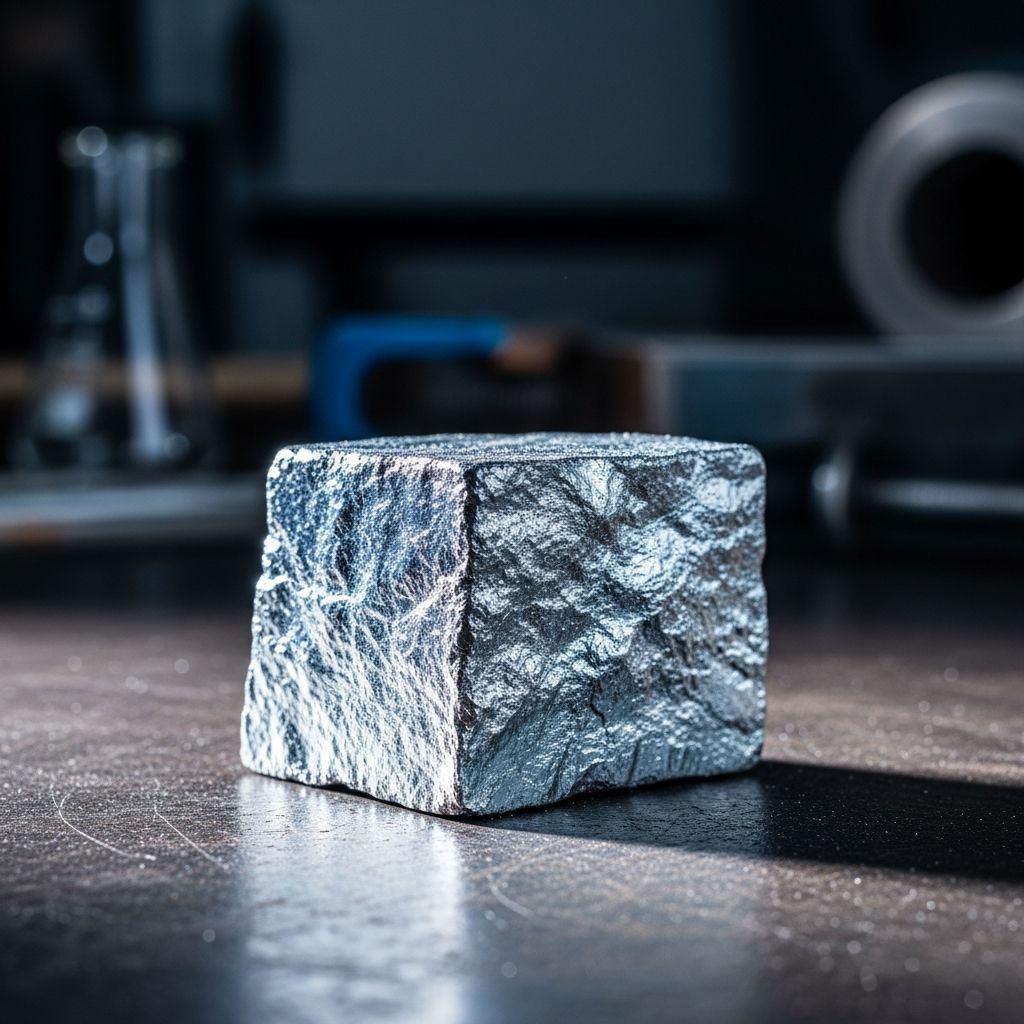
The Essential Metal That Powers Modern Industry
Chromium stands as one of the most versatile and valuable elements in the periodic table, playing a foundational role in countless industrial and commercial applications worldwide. This steel-gray metal possesses a remarkable combination of properties that make it indispensable for manufacturing, construction, and technological advancement. Understanding chromium’s characteristics and applications provides insight into how modern materials achieve their exceptional performance and durability in demanding environments.
Fundamental Properties of Chromium Metal
Chromium is a hard, lustrous metal characterized by its distinctive steel-gray appearance and exceptional physical properties. The element’s most defining characteristic is its resistance to oxidation and corrosion, even when exposed to harsh environmental conditions or elevated temperatures. This inherent stability makes chromium a preferred choice for applications requiring long-term durability and reliability.
Pure chromium metal typically contains more than 99.5% chromium content, with only trace amounts of other elements such as aluminum, silicon, and iron. This high purity ensures consistent performance across various industrial applications. When polished, chromium develops a remarkably shiny surface that contributes to both aesthetic appeal and protective functionality.
The melting point of chromium and chromite compounds reaches extraordinarily high temperatures, ranging from 1900°C to 2050°C, enabling their use in extreme-temperature applications. This thermal stability, combined with the metal’s hardness and strength, positions chromium as a critical material for specialized engineering applications.
Corrosion Resistance and Protective Mechanisms
The cornerstone of chromium’s industrial value lies in its exceptional corrosion resistance. When stainless steel—an alloy containing chromium—encounters corrosive substances, a fine and solid chromium oxide film forms automatically on the surface, protecting the underlying metal from degradation. This passive protective layer represents one of nature’s most effective self-defense mechanisms in materials science.
Chromium exists in multiple oxidation states, with the most important being 0 (elemental metal), +3 (trivalent), and +6 (hexavalent). These varying states enable different chemical reactions and protective applications. In chromate conversion coating processes, the strong oxidative properties of chromates deposit a protective oxide layer on metals including aluminum, zinc, and cadmium. The self-healing properties of chromate coatings allow protective compounds to migrate toward local defects, extending material lifespan.
Stainless Steel Production and Steel Alloying
The most significant application of chromium occurs in stainless steel production, which alone comprises a substantial portion of global chromium consumption. A major breakthrough in steel production emerged when scientists discovered that adding metallic chromium to iron created steel with exceptional corrosion resistance and resistance to staining and discoloration.
Stainless steel contains chromium at concentrations above 11%, with modern formulations ranging from 10 to 26 percent chromium content depending on the intended application. High-speed tool steels incorporate 3–5% chromium, gaining enhanced hardness and wear resistance. Some specialized stainless steels maintain excellent performance even at temperatures reaching 800°C, making them suitable for extreme-environment applications.
The strengthening effect of forming stable metal carbides at grain boundaries significantly increases corrosion resistance, establishing chromium as an essential alloying material for advanced steel formulations. Ferrochromium, produced by reducing chromite with carbon in furnaces, contains iron and chromium in an approximate 1:2 atomic ratio and serves as the primary form for steel production.
Aerospace and High-Performance Applications
Chromium plays a vital role in aerospace engineering and high-temperature industrial applications. When chromium metal is added to superalloys, it significantly improves mechanical resistance and provides exceptional resistance to elevated extreme temperatures. These superalloy materials enable very demanding applications including:
- Aerospace turbo reactors and turbine engines
- Land-based gas turbines for power generation
- Oil and gas industry drilling and processing equipment
- Medical alloys for surgical instruments and implants
- Nuclear reactor components and vapor tubes
- Chemical processing vessels and equipment
- Automotive performance components
In nuclear applications specifically, chrome-containing superalloys construct vapor tubes that serve as the critical interface between primary and secondary circuits in pressurized water reactors. These tubes withstand constant temperatures exceeding 200°C and high pressure simultaneously, a combination that only chromium-enhanced materials can tolerate reliably.
Electronic and Manufacturing Industry Uses
Beyond structural applications, chromium demonstrates outstanding properties as a thin film material in the electronics industry. The metal has become vital in producing computer hard disks, where it functions both as an underlayer and as a constituent of magnetic memory media. Additional electronic applications include:
- Photomasks for semiconductor manufacturing
- Integrated circuits and microprocessor production
- Liquid crystal displays for screens and monitors
- Magnetic recording media and storage devices
Chrome plating represents another widespread application, providing a shiny, durable finish to other metals. This electroplating technique protects automotive parts, household appliances, and decorative items while enhancing visual appeal. The combination of protection and aesthetic enhancement makes chrome plating valuable across consumer and industrial product categories.
Chemical Industry and Compound Applications
The chemical industry relies extensively on chromium compounds processed from chromite ore. Chromium salts represent one of the main varieties of inorganic chemicals and serve as primary raw materials across numerous processes. Major chemical applications include:
- Electroplating and metal surface treatment
- Leather tanning and hide processing
- Printing and dyeing of textiles and fabrics
- Paint pigments and colorants (red, yellow, orange, and green compounds)
- Catalysts for chemical reactions
- Oxidants for various chemical processes
- Metal corrosion inhibitors
- Safety match manufacturing
- Water treatment processes
Chromium compounds such as chromium oxide (Cr₂O₃) and chromium yellow (PbCrO₄) provide vivid pigmentation for paints, dyes, and inks across industrial and consumer applications. Sodium chromate (Na₂CrO₄) and sodium dichromate (Na₂Cr₂O₇) form the basis for industrially important salts used in leather tanning and metal surface treatment.
Refractory Materials and High-Temperature Applications
The extraordinary heat resistance of chromite makes it an essential material for refractory applications—that is, materials designed to withstand extreme temperatures without degradation. Because chromite can maintain its volume unchanged at high temperatures and does not react with slag, it serves as reliable lining material for:
- Steel-making furnaces
- Non-ferrous metal smelting furnaces
- Blast furnaces in iron production
- Cement kilns and processing equipment
- Glass production furnaces
- Industrial incinerators
Magnesite-chrome firebrick, created from chromite mixtures, lines metallurgical furnaces and handles extreme heat exposure. Chromium cast iron, produced by adding chromium to iron, changes both physical structure and chemical properties, widening its application field. The amount of added chromium determines whether the resulting material is classified as low, medium, or high chromium cast iron, each suited to specific industrial purposes.
Specialized Industrial and Construction Applications
Beyond primary industrial categories, chromium finds use in numerous specialized applications that benefit from its hardness and durability properties. Refractory castables and bricks constructed from chromium compounds serve in steel works, cement kilns, and glass furnaces. Abrasives containing chromium provide superior cutting and grinding performance.
In road construction, chromium compounds contribute to high skid resistance road surface dressings, improving vehicle safety and traction in all weather conditions. Dry-shake floor hardeners incorporate chromium to create durable, long-lasting industrial floors. Steel production itself benefits from slag additives containing chromium, which enhance steel quality and processing efficiency.
Chromium alloys fabricate specialized products including oil tubing for petroleum extraction, automobile trim components, and cutlery that must maintain sharpness and resist corrosion. Wood preservation treatments historically employed chromated copper arsenate (CCA) compounds to prevent decay and insect infestation, though environmental regulations now limit these applications.
Market Significance and Global Demand
Stainless steel and chrome plating together comprise approximately 85% of commercial chromium use globally, underscoring the element’s industrial importance. This dominant market share reflects chromium’s irreplaceable role in modern manufacturing and infrastructure development. As industries continue advancing and demanding materials with enhanced performance characteristics, chromium’s applications expand into new technological domains.
Environmental Considerations and Regulatory Developments
While chromium offers exceptional industrial benefits, environmental and health regulations increasingly affect certain chromium applications. The potential formation of chromium(VI) compounds during high-temperature refractory applications has prompted regulatory scrutiny. Consequently, alternative coating methods to traditional chromate processes are undergoing development to maintain protective benefits while reducing environmental impact.
The industry continues balancing chromium’s remarkable performance characteristics against environmental stewardship requirements, leading to innovation in application methods and compound formulations that preserve functionality while minimizing ecological effects.
Frequently Asked Questions
Q: Why is chromium so resistant to corrosion?
A: Chromium forms a thin, protective oxide film on its surface when exposed to corrosive environments. This passive layer prevents oxygen and moisture from reaching the underlying metal, providing self-healing properties that maintain protection even when the surface is slightly damaged.
Q: What percentage of chromium is required to make stainless steel?
A: Stainless steel requires chromium content above 11%, with modern formulations ranging from 10 to 26 percent depending on the desired corrosion resistance level and intended application.
Q: Can chromium be used in medical applications?
A: Yes, chromium is incorporated into medical alloys used for surgical instruments and implants due to its corrosion resistance, biocompatibility, and durability in the human body.
Q: What is ferrochromium and why is it important?
A: Ferrochromium is an iron-chromium alloy produced by reducing chromite with carbon in furnaces. It contains iron and chromium in approximately a 1:2 atomic ratio and serves as the primary form in which chromium is added to steel production.
Q: At what temperature do chromium compounds become unreliable?
A: Chromite and chromium compounds maintain stability at extremely high temperatures, with melting points ranging from 1900°C to 2050°C. Some specialized stainless steels maintain excellent performance even at 800°C.
Q: How does chromium improve electronic device performance?
A: Chromium functions as a thin film material in electronics, serving as an underlayer in computer hard disks and as a component of magnetic memory media, while also being used in photomasks, integrated circuits, and liquid crystal displays.
References
- Chrome metal: properties, production and uses — International Chromium Development Association. https://www.icdacr.com/about-chrome/chrome-metal/
- Chromium: Element Properties and Uses — SAM Materials. https://www.samaterials.com/blog/chromium-element-properties-and-uses.html
- Chromium — Encyclopædia Britannica. https://www.britannica.com/science/chromium
- Uses of Chromium in Industry & Everyday Life — Refractory Metal Organization. https://www.refractorymetal.org/uses-of-chromium.html
- What Is Chromium? — CDC Archive / ATSDR. https://archive.cdc.gov/www_atsdr_cdc_gov/csem/chromium/what_is_chromium.html
- Chromium (Cr) – Properties, Applications — AZoM Materials. https://www.azom.com/article.aspx?ArticleID=9081