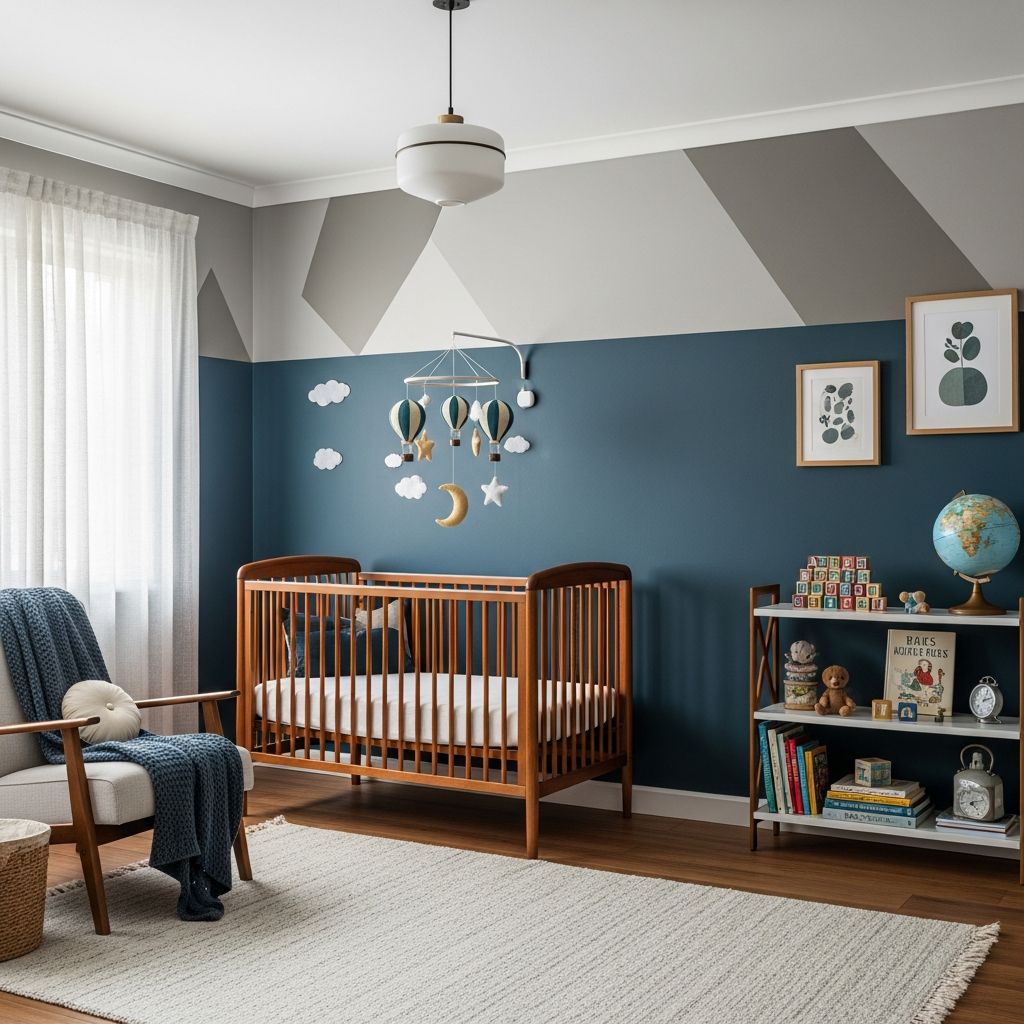
In the whirlwind of parenting, the sink overflows with dishes, laundry piles grow like mountains, and dust bunnies multiply under furniture. Yet amid this chaos, children’s laughter echoes, demanding attention that no vacuum cleaner can match. Modern parents grapple with an invisible pressure to maintain spotless homes while nurturing young lives. This article delves into why shifting focus from chores to family interactions fosters deeper connections, backed by time-use studies and expert perspectives on child development.
The Hidden Cost of Perpetual Cleaning
Endless housework drains energy reserves needed for play and emotional bonding. Research from the International Social Survey Programme reveals that school-aged children in the U.S. actually increase parents’ weekly housework by 1.4 hours for fathers and 2.6 hours for mothers per child, contrary to expectations of help from older kids. This surge stems from additional activities like sports gear laundry, meal prep for growing appetites, and organizing school supplies.
Constant tidying creates a cycle of exhaustion. Parents report heightened stress when prioritizing cleanliness over connection, leading to missed opportunities for spontaneous joy. A cluttered home signals a lived-in family life, not failure. Embracing this mindset reduces mom guilt—that nagging feeling of inadequacy when toys scatter across floors.
- Dishes in the sink won’t scar childhoods, but ignored pleas for playtime might.
- Folded laundry waits patiently; growing minds do not.
- Dusty shelves fade from memory; shared giggles endure.
Childhood’s Fleeting Window: Act Now
Children evolve rapidly—from wobbly first steps to independent teens—in what feels like a blink. Neurodevelopmental experts emphasize that the first 12 years build foundational emotional security through parent-child interactions. Missing these due to chore marathons risks regret later, as adulthood brings separation.
Consider this: By age 18, a child spends only about 10% of their life at home post-infancy. Prioritizing presence over perfection maximizes these precious years. Parents who choose floor forts over spotless counters report stronger family ties and fewer behavioral issues in kids, per longitudinal family studies.
| Chore Priority | Family Impact | Long-Term Outcome |
|---|---|---|
| High (Always Clean) | Less playtime, more fatigue | Regret, strained bonds |
| Balanced (Moments First) | More laughter, connection | Memories, resilience |
| Low (Embrace Mess) | Full immersion in fun | Joyful legacy |
Practical Tactics for Task-Time Balance
Balance isn’t abandoning chores; it’s reallocating them smartly. Start small: Designate ‘no-clean zones’ during peak family hours, like evenings. Involve kids early to build habits without stealing joy.
- Set Boundaries: Limit cleaning to 30 minutes post-dinner; use timers for focus.
- Team Up: Turn tidying into games—’toy races’ to baskets teach responsibility playfully.
- Batch Tasks: Dedicate weekends to deep cleans, freeing weekdays for bonding.
- Delegate Smartly: Older kids handle age-appropriate duties, lightening loads per global time-use data.
These shifts reclaim hours. One parent transformed evenings by pausing chores for board games, noting improved sleep and attitudes across the family.
Debunking the ‘Perfect Home’ Myth
Social media showcases gleaming kitchens, fueling unrealistic standards. Yet real homes buzz with life—crayon marks on walls tell stories of creativity. Critics of ‘mess can wait’ advice argue it dismisses valid needs for order, but evidence supports moderation: Clean enough for health, messy enough for happiness.
Public health guidelines affirm that minor clutter poses no risk, while chronic parental stress harms family dynamics. Reframe chores as background noise; foreground the foreground the irreplaceable—cuddles, stories, adventures.
Emotional Wins from Letting Go
Choosing kids over counters yields profound rewards. Parents practicing this report lower anxiety, higher satisfaction, and kids who feel valued. Emotional availability trumps a tidy house; it sculpts secure attachments vital for future success.
Stories abound: A mother ditched vacuuming for doll tea parties, forging bonds her teens still cherish. Fathers joining pillow fights over folding report similar gains. These choices echo across generations, prioritizing legacy over luster.
Building Sustainable Routines for All Ages
Tailor approaches by child stage. Toddlers thrive on messy sensory play—finger paints over folded towels. School-agers contribute via chore charts, easing loads as studies show. Teens appreciate autonomy, handling laundry for independence.
- Infants: Focus on bonding; wipes suffice.
- Preschoolers: Quick pickups as rituals.
- School Kids: Shared duties boost skills.
- Teens: Full ownership fosters maturity.
Incorporate family meetings to assign tasks democratically, ensuring fairness and fun.
Health Benefits of Play Over Polish
Active family time combats sedentary lifestyles. Play reduces obesity risks, per CDC data, while stress from chores elevates cortisol, impacting immunity. Balanced homes yield healthier families—physically and mentally.
Overcoming Societal Pressures
Guests coming? A quick spruce-up suffices; authenticity shines brighter. Communicate boundaries: ‘We’re in play mode now.’ Partners sharing loads amplify success—equitable division per international surveys.
Frequently Asked Questions (FAQs)
What if mess triggers my anxiety?
Start with micro-habits: 5-minute tidies amid play. Therapy or apps for anxiety management help reframe clutter.
Can kids really help enough?
Yes, age-appropriately. U.S. parents see added loads, but training yields net gains.
Does this mean never cleaning?
No—strategic cleaning preserves sanity. Prioritize health basics; let fun reign.
How to convince a perfectionist partner?
Share studies, trial a ‘messy week,’ track joy metrics.
What about working parents’ time crunch?
Batch chores pre/post-kids’ bedtime; quality trumps quantity.
Real Parent Transformations
Anecdotes illuminate paths. Sarah, mom of three, adopted ‘floor time first,’ slashing stress 40%. Mark involved sons in ‘cleaning Olympics,’ blending duty with delight. These shifts prove feasible amid busy lives.
Extend to self-care: Post-play showers refresh without regret. Sustainable parenting honors all roles.
References
- School-Aged Kids Mean More, Not Less, Housework for Parents — Institute for Family Studies. 2015-approx (data from 2012 ISSP). https://ifstudies.org/blog/school-aged-kids-mean-more-not-less-housework-for-parents
- Why the Housework Can’t Wait — Tinybeans. Recent access 2026. https://tinybeans.com/why-the-housework-can-t-wait/
- The Work Can Wait, But Childhood Can’t — Her View From Home. Recent access 2026. https://herviewfromhome.com/the-work-can-wait-but-childhood-cant/
- Housework can wait, your kids will not — Mother.ly. Recent access 2026. https://www.mother.ly/life/housework-can-wait-your-kids-will-not/
- Why the Parenting Advice ‘The Mess Can Wait’ Hurts Moms — The Everymom. Recent access 2026. https://theeverymom.com/mess-can-wait-parenting-advice/