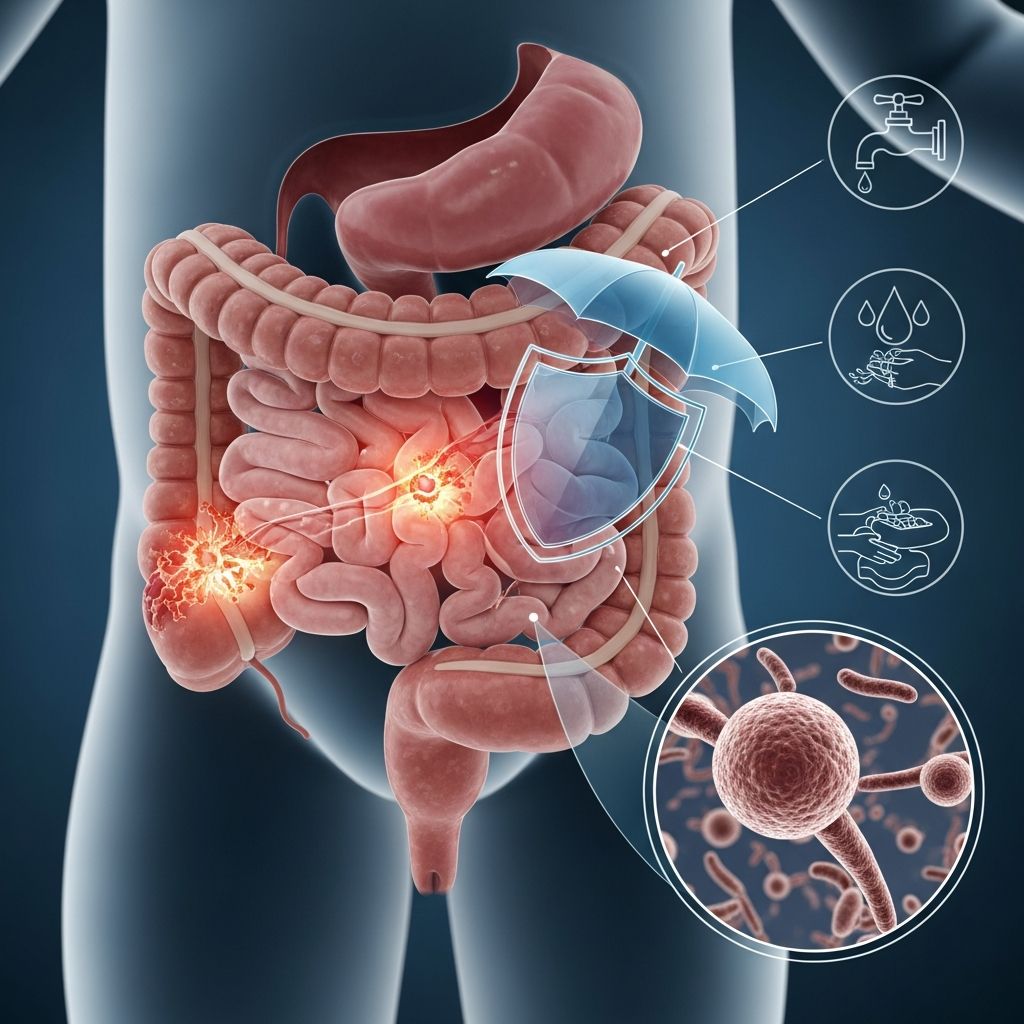
Cholera poses a serious threat to children due to their vulnerability to rapid dehydration from severe watery diarrhea caused by the Vibrio cholerae bacterium. Prompt recognition and treatment can prevent fatalities, with oral rehydration as the primary intervention.
Understanding the Bacterial Culprit Behind Cholera
The disease stems from Vibrio cholerae, a gram-negative bacterium thriving in brackish or saltwater environments. It spreads primarily through contaminated water or food, especially in areas lacking proper sanitation. Once ingested, the bacteria colonize the small intestine, releasing cholera toxin that disrupts fluid balance by elevating cyclic AMP levels, leading to massive secretion of water and electrolytes into the gut lumen.
This toxin locks adenylate cyclase in an active state, inhibiting sodium absorption and promoting chloride and bicarbonate secretion from intestinal crypt cells. The result is profuse, rice-water-like stools that can exceed 1 liter per hour in severe pediatric cases, accelerating dehydration in young bodies with lower fluid reserves.
Why Children Face Heightened Dangers
Infants and young children dehydrate faster than adults because of their higher body surface area-to-volume ratio and immature kidneys. A child losing even 10% of body weight in fluids can enter hypovolemic shock within hours, manifesting as sunken eyes, lethargy, and rapid heartbeat.
Complications include electrolyte imbalances like hypokalemia, causing muscle cramps and cardiac issues, or hypoglycemia in non-feeding children, risking seizures. Without intervention, mortality can reach 50% in severe cases, but drops below 1% with timely care.
Spotting Early Warning Signs in Kids
Symptoms onset abruptly, often 12 hours to 5 days post-exposure. Initial signs mimic gastroenteritis: painless watery diarrhea, vomiting, and leg cramps. Stools appear pale and flecked with mucus, earning the ‘rice-water’ description. Children may remain alert initially but deteriorate swiftly.
- Sunken fontanelle and eyes in infants
- Dry mouth, reduced tears, and no urination
- Cool clammy skin with poor elasticity
- Irritability progressing to weakness or coma
- Tachycardia, hypotension, and Kussmaul respirations in shock
Parents should act if diarrhea exceeds 10 episodes daily or vomiting persists, especially post-travel or undercooked seafood consumption.
Swift Diagnosis Methods for Young Patients
Clinicians confirm cholera via stool culture or rapid tests detecting V. cholerae antigens or genes like ctxA. Rectal swabs suffice for infants. Blood tests assess electrolytes, glucose, and renal function. Differentiate from rotavirus or enterotoxigenic E. coli via PCR if available.
| Test Type | Purpose | Time to Results |
|---|---|---|
| Stool Culture | Identifies V. cholerae serogroups O1/O139 | 24-48 hours |
| Rapid Dipstick | Detects toxin or rRNA | 15-30 minutes |
| PCR | Confirms toxin genes | Hours |
Core Treatment: Rehydration as Lifeline
Oral rehydration solution (ORS) revolutionized cholera management since the 1970s, reducing child mortality dramatically. WHO’s low-osmolarity ORS (245 mOsm/L) with glucose-sodium cotransport enhances absorption, cutting stool output by 25%.
Assess dehydration degree:
- Mild (3-5% loss): 50-100 mL/kg ORS over 4 hours
- Moderate (6-9%): 100-200 mL/kg in 4 hours
- Severe (>10%): IV Ringer’s lactate at 100 mL/kg in 3 hours, then ORS
Reassess hourly; replace ongoing losses mL-for-mL. Continue breastfeeding infants alongside ORS. Avoid plain water or sugary drinks, which worsen diarrhea.
Role of Antibiotics and Supplements
Antibiotics shorten diarrhea by 1-2 days and curb bacterial shedding, aiding outbreak control. First-line: doxycycline (2-4 mg/kg single dose for kids over 8) or azithromycin (20 mg/kg single dose). Macrolides suit infants.
Zinc (20 mg/day for 10-14 days, 10 mg for <6 months) reduces duration by 25% in children. Vitamin A bolsters immunity in deficient kids.
Skip anti-motility drugs like loperamide; they retain toxin, exacerbating toxicity.
Vaccination: A Shield for At-Risk Families
Oral cholera vaccines (Dukoral, Shanchol, Euvichol) offer 65-85% efficacy for 2-5 years after two doses. Pre-qualified by WHO for children over 1 year in endemic zones or travelers. Not a standalone; pair with hygiene.
Everyday Prevention Tactics for Parents
Cholera thrives where water safety falters. Boil/filter water, cook foods thoroughly, and wash hands with soap. Avoid street vendor ice or raw shellfish.
In outbreaks, community chlorination and sanitation campaigns slash transmission. WASH infrastructure prevents 80% of cases long-term.
Global Burden and Outbreak Realities
WHO reports 1.3-4 million cases yearly, mostly in Africa/Asia, with 21,000-143,000 child deaths. Climate change and conflicts exacerbate risks via flooding.
Post-disaster surveillance detects surges early. MSF treats thousands annually with ORS corners in field hospitals.
Frequently Asked Questions
Can cholera spread in schools or daycares?
Yes, via shared contaminated water or poor handwashing. Isolate symptomatic kids and disinfect surfaces.
Is bottled water safe during travel?
Not always; seals can break. Prefer carbonated or treated sources.
How quickly must treatment start?
Within hours; dehydration kills fast in kids under 5.
Are there long-term effects post-recovery?
Rare; most regain full health with rehydration. Monitor electrolytes.
Does breastfeeding protect infants?
Lactose aids mild cases; continue during ORS therapy.
References
- Vibrio cholerae Infection – StatPearls — NCBI Bookshelf / NIH. 2023-07-17. https://www.ncbi.nlm.nih.gov/books/NBK526099/
- Cholera: Causes, Symptoms, Treatment & Prevention — Cleveland Clinic. 2023-10-23. https://my.clevelandclinic.org/health/diseases/16636-cholera
- Cholera: Causes, Symptoms, Treatment, and Prevention — WebMD. 2023. https://www.webmd.com/a-to-z-guides/cholera-faq
- Cholera — Hawaii Department of Health. 2023. https://health.hawaii.gov/docd/disease_listing/cholera/
- Cholera — World Health Organization. 2023-10-02. https://www.who.int/news-room/fact-sheets/detail/cholera
- Cholera — Centers for Disease Control and Prevention. 2023-09-13. https://www.cdc.gov/cholera/about/index.html
- Cholera — MedlinePlus. 2023-08-01. https://medlineplus.gov/cholera.html
- Cholera – Symptoms & causes — Mayo Clinic. 2023-06-05. https://www.mayoclinic.org/diseases-conditions/cholera/symptoms-causes/syc-20355287
- Everything you need to know about cholera — Doctors Without Borders. 2023. https://www.doctorswithoutborders.org/latest/everything-you-need-know-about-cholera