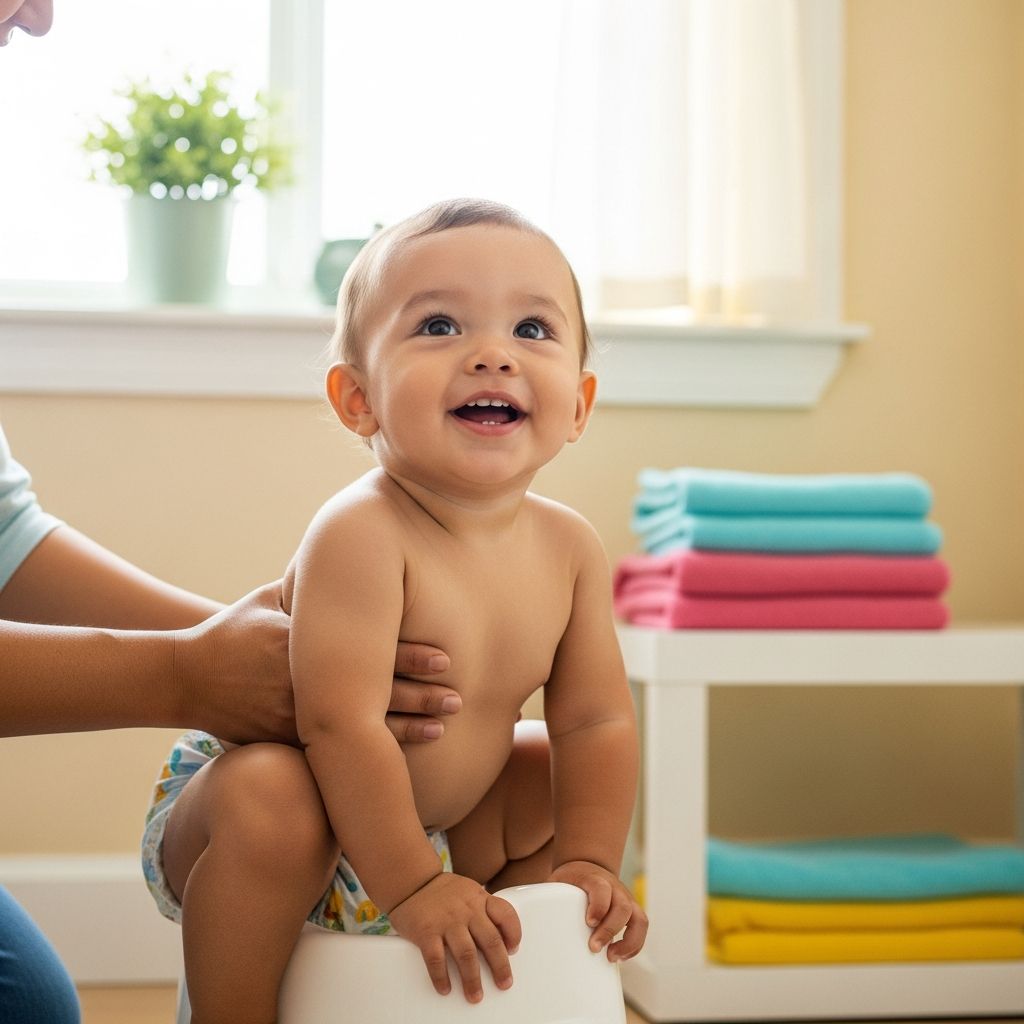
Many families in urban Western settings assume that toddlers cannot be reliably potty trained until sometime after their second birthday. In contrast, across much of China and other parts of Asia, parents often begin toilet learning in infancy, and children may achieve daytime control well before age two. This article adapts those long-standing practices into a realistic, one-week plan for modern caregivers who want to try a Chinese-inspired approach without moving to a different culture or giving up their entire routine.
What Makes the Chinese Approach Different?
In many Chinese families, toilet learning is not a short, late toddler “training” project but an ongoing communication process between caregiver and child, beginning in infancy. A few core ideas define this approach:
- Very early start: Parents may begin holding babies over a toilet or basin as soon as they can support their heads.
- Elimination communication (EC): Caregivers closely observe the child’s patterns and cues and respond quickly, treating peeing and pooping as signals to be answered, not random accidents.
- Simple sound cues: Many families pair peeing with a soft whistle or “sss” sound, and bowel movements with a gentle grunt, building a conditioned association.
- Accessible clothing: Split-crotch pants or clothing that is easy to open make it simple to get a child over a receptacle in seconds.
- Flexible locations: Children may be encouraged to pee in toilets, floor drains, or even outdoors, depending on local norms, which reduces pressure to “hold it” for long walks.
The one-week method in this guide borrows the underlying principles—close observation, clear signals, easy access, and frequent practice—while adapting them to typical Western homes, hygiene standards, and legal norms.
Is One-Week Potty Training Realistic?
No approach can guarantee that every child will be reliably trained in exactly seven days. Research shows that readiness and timelines vary widely by child and culture. However, when toddlers are developmentally ready—usually able to walk, follow simple directions, and stay dry for an hour or two—an intensive, highly consistent week can substantially accelerate progress.
Think of the goal this way:
- By the end of the week, many children can:
- Stay bare-bottomed or in loose pants at home with few daytime accidents
- Respond to simple prompts like “Let’s go pee” and sit on the potty willingly
- Begin to associate a sound cue with relaxing and releasing pee
- Signal in some way (words, gestures, restlessness) before or during elimination
Nighttime dryness, full self-initiated toileting, and independent wiping usually take longer, regardless of method.
How Elimination Communication Fits In
Elimination communication (EC) is the foundation of the Chinese style and of this one-week plan. EC is not about forcing control before a child is ready; it is about:
- Studying your child’s natural rhythms (after waking, after meals, during play)
- Noticing subtle physical cues before or as they eliminate
- Giving them frequent chances to use a potty or toilet
- Offering a calm and consistent cue sound during elimination
Formal studies and cross-cultural surveys suggest that with consistent EC, many children can communicate toileting needs much earlier than in diaper-dependent cultures. Even if you start in toddlerhood, using EC principles can make a focused training week significantly more effective.
Preparing for Your One-Week Potty Training Sprint
Before you start your intensive week, a small amount of planning will save a lot of stress.
Choose the Right Timing
- A week with no travel, medical appointments, or major family events
- At least one adult who can be highly available during waking hours
- A toddler who can:
- Walk or move independently to a potty
- Understand simple instructions like “Sit here” or “Come to the bathroom”
- Stay dry (even in diapers) for 1–2 hours at a time
Gather Your Supplies
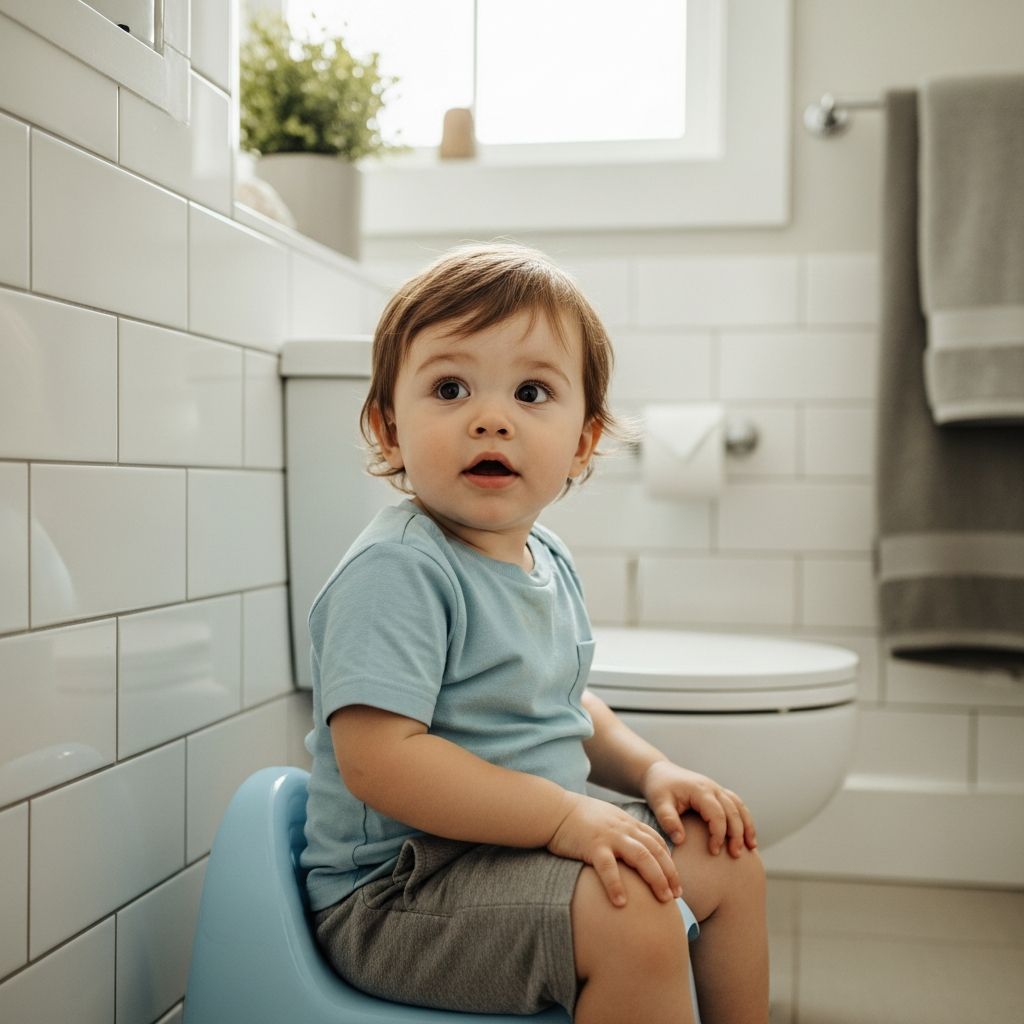
- Child-sized potty for the main living area
- Potty or seat reducer for the bathroom toilet
- Easy-off pants (elastic waist, no snaps or buttons)
- Waterproof mattress cover for naps and nights
- Old towels or absorbent pads for the floor
- Cleaning kit: spray, cloths or paper towels, and a laundry plan
Create a Clear Sound Cue
Chinese caregivers often use a whistle or a soft “shhhh” sound at the exact moment a baby releases. Choose a cue that feels natural to you and easy to use in public:
- Gentle whistle
- Soft “pssss” or “shhhh” sound
- Quiet two-syllable word you reserve only for potty time
Use this cue only while your child is actively peeing or just about to pee. Over a few days, many children begin to associate the sound with relaxing the pelvic muscles, much like Pavlovian conditioning.
A Sample One-Week Chinese-Inspired Potty Plan
The table below shows a high-level structure for your week. You will fine-tune based on your child’s patterns.
| Day | Main Focus | Key Actions |
|---|---|---|
| Day 1 | Observation & Bare Bottom | Child mostly without pants at home; track timing and cues; offer potty every 20–30 minutes. |
| Day 2 | Cue Pairing | Use sound cue at each successful pee; continue frequent potty trips and observation. |
| Day 3 | Predict & Prompt | Start bringing child before expected times (after waking, meals); encourage simple words or gestures. |
| Day 4 | Add Loose Pants | Introduce easy-off pants or training underwear at home; maintain routine prompts. |
| Day 5 | Short Outings | Practice one brief outing close to home; use travel potty or quick bathroom stops. |
| Day 6 | Consistency & Less Help | Encourage child to walk to the potty and pull pants down with minimal assistance. |
| Day 7 | Evaluate & Adjust | Review successes, trouble spots, and decide whether to stay in underwear or partially return to diapers. |
Key Techniques Borrowed from Chinese Practice (Adapted Safely)
1. Frequent Potty “Hangs” Instead of Quick Checks
In many Chinese families, caregivers spend long stretches holding babies over toilets or small potties, especially after waking or eating. For a toddler week, adapt this by:
- Inviting your child to sit on the potty for 3–5 relaxed minutes after waking, meals, and before going out
- Reading books or singing songs so the potty is associated with attention and comfort, not pressure
- Using your cue sound only when pee starts or is about to start
2. Clothing That Allows Fast Access
Split-crotch pants common in China allow caregivers to respond to EC signals in seconds without undressing the child. In most Western settings those pants would attract unwanted attention, so focus on:
- Loose, elastic-waist pants without snaps, zippers, or overalls
- At home, extended periods of bare bottom or just a long shirt plus socks
- Quick-removal layers when you’re outside (e.g., leggings over training underwear)
3. Flexible, But Hygienic, Locations
In some communities, toddlers are allowed to pee into gutters, drains, or designated outdoor spots, which prevents rushed accidents and reduces pressure to wait. To keep things sanitary and socially acceptable elsewhere:
- Use a portable travel potty or foldable seat insert for public bathrooms
- Have a small plastic container or travel urinal in the car for emergencies
- Identify bathrooms in parks, libraries, and favorite shops before leaving home
4. Calm Attitude Toward Accidents
Cross-cultural descriptions of Chinese potty training emphasize a relaxed response to messes: caregivers clean up and move on without shaming the child. Emulate that tone by:
- Using neutral language: “Your pants are wet. Let’s change and try again.”
- Avoiding threats or punishments
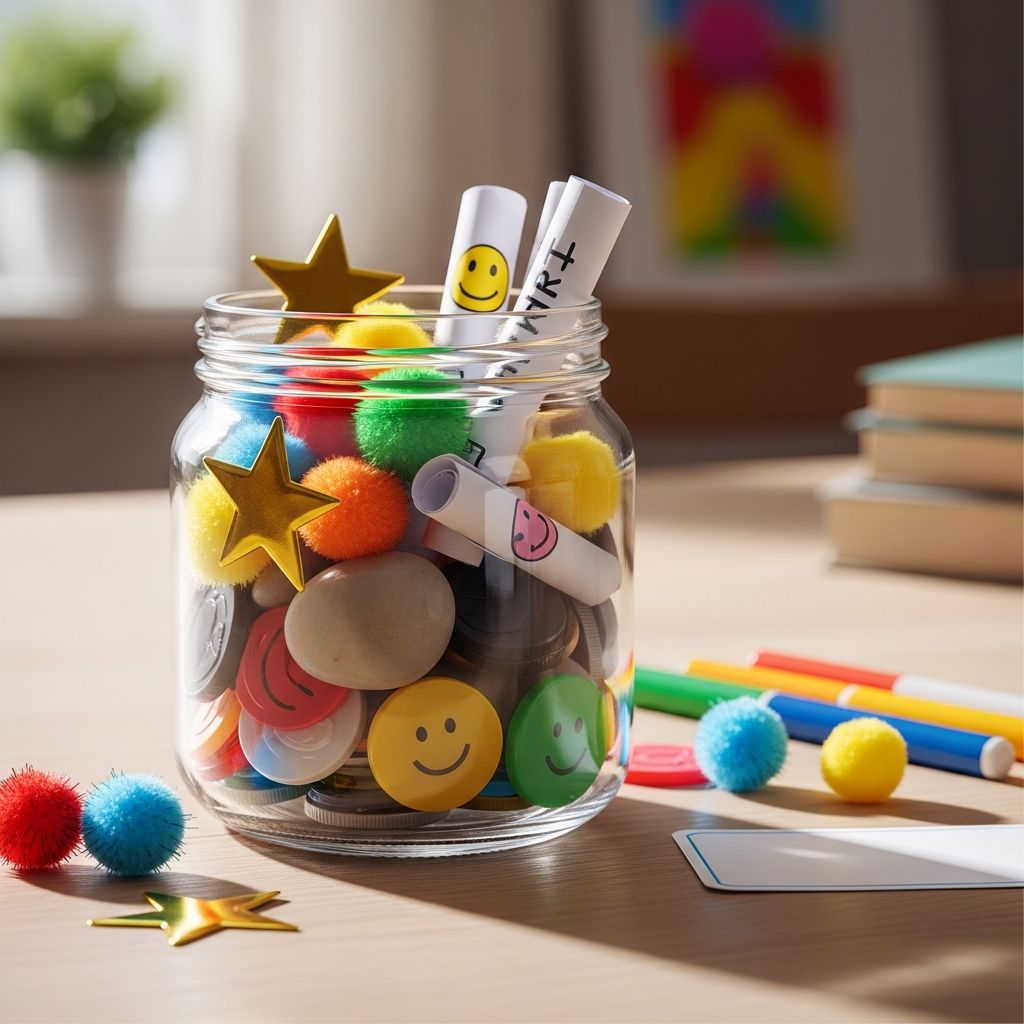
- Praising effort and small successes: sitting on the potty, telling you, trying again after an accident
Daily Rhythm Example: Days 1–3
The first half of the week is about data collection, pattern recognition, and building associations.
Morning
- Remove diaper as soon as the child wakes.
- Carry or walk them to the potty immediately and sit for a few minutes.
- If they pee, use your cue sound and offer warm praise.
- Note the time and any facial expressions, body movements, or sounds that happened right before or during the pee.
Mid-Day
- Keep your child bare-bottomed or in very light clothing at home.
- Offer the potty:
- Every 20–30 minutes at first
- After meals and snacks
- Before going outside
- Log accidents: time, place, what your child did right before.
Evening and Naps
- For naps and nighttime, it is fine to keep diapers or pull-ups, especially early on.
- Always do a quick potty visit right before sleep and immediately after waking, using the same cue sound.
Shifting Gears: Days 4–7
By mid-week you will likely see a few patterns: perhaps your child always pees within 10 minutes of finishing breakfast, or often goes right after intense play. Use that knowledge to move from reacting to predicting.
Day 4: Introduce Pants at Home
- Switch from bare bottom to thin pants or training underwear while staying home.
- Keep the same potty schedule, but begin asking, “Do you need to pee?” as you walk them.
- Encourage a simple signal your child can use, such as:
- Patting their tummy
- Saying a word or sound
- Walking toward the potty on their own
Day 5: Practice a Short Outing
- Plan one short trip (30–60 minutes) where a toilet is easily accessible.
- Do a potty visit right before leaving.
- Bring a change of clothes and a portable potty or seat cover.
- As soon as you arrive back home, go to the potty together.
Days 6–7: Consolidate Skills
- Prompt your child slightly less often; watch if they start to self-initiate.
- Encourage them to:
- Pull down pants with help
- Climb onto the potty or toilet step stool safely
- Wipe (you can finish afterward), flush, and wash hands
- At the end of Day 7, review:
- Are most daytime pees making it into the potty?
- Is your child stressed or mostly comfortable?
- Is your current level of support sustainable next week?
Health, Hygiene, and Safety Considerations
Pediatric organizations emphasize that readiness and positive emotional tone are as important as the calendar age. To keep your child healthy and emotionally secure:
- Do not withhold fluids to reduce accidents; toddlers need adequate hydration for kidney and bowel health.
- Avoid prolonged sitting on the potty when nothing is happening; several minutes is enough.
- Watch for constipation, which can significantly delay training and lead to withholding or pain.
- Respect your child’s signals of fear or distress; if they consistently resist, slow down or pause the intensive approach.
When to Pause or Seek Guidance
Some situations call for changing course or asking a health professional for help:
- Your child is older than 4 and has made little or no progress despite consistent efforts.
- There is pain with urination, unusual urine odor, or fever (possible urinary tract infection).
- Your child suddenly starts having frequent accidents after months of dryness, especially if there are other signs of stress or illness.
- Stools are hard, infrequent, or painful, or soiling occurs in underwear after earlier success (possible constipation or encopresis).
Frequently Asked Questions (FAQs)
Is it harmful to start potty training early using this method?
Large cultural differences exist in the age when training starts, and early initiation itself is not harmful when it is gentle and not coercive. Problems mainly arise when children are pressured or punished, or when underlying issues like constipation are ignored.
Do I have to use a whistle or special sound for this to work?
No, but a consistent cue—whether a whistle, soft “shhhh,” or specific word—can help your child associate potty time with relaxing and releasing. It is a useful tool, not a requirement.
Can a working parent realistically do a one-week intensive plan?
It is easier when at least one caregiver can devote most of the day to observation and potty trips, similar to how grandparents often help in many Chinese households. If that is not possible, consider starting over a long weekend and then continuing a lighter version with daycare or other caregivers on board.
What if my child refuses to sit on the potty?
Step back and rebuild positive associations: let them sit fully clothed, read a favorite book there, or let a stuffed animal “use” the potty first. If resistance is intense or persistent, it may be better to pause for a couple of weeks before trying a focused week again.
Is it okay to keep diapers at night while using this approach in the day?
Yes. Many children achieve daytime control months or years before staying dry through the night, and medical groups do not view night diapers at preschool age as a problem by itself.
References
- Chou F. Potty-Training Infants: An “Ancient Chinese Secret” — National Association for Child Development. 2017-01-10. https://www.nacd.org/potty-training-infants-an-ancient-chinese-secret/
- Duong TH, Jansson UB, Hellström AL, et al. Urinary bladder control during the first 3 years of life in healthy children in Vietnam — Journal of Pediatric Urology. 2013-06-01. https://doi.org/10.1016/j.jpurol.2012.06.001
- Potty Time! Toilet Training in China — eChinacities Expat Corner. 2012-05-03. https://www.echinacities.com/expat-corner/potty-time-toilet-training-in-china.html
- Toilet Training — American Academy of Pediatrics (HealthyChildren.org). 2021-10-21. https://www.healthychildren.org/English/ages-stages/toddler/toilet-training/Pages/default.aspx
- Constipation in Children and Teens — National Institute of Diabetes and Digestive and Kidney Diseases (NIDDK). 2021-11-01. https://www.niddk.nih.gov/health-information/digestive-diseases/constipation-children