Why Sleep Matters for Children’s Development
Sleep is one of the most critical components of a child’s overall health and development. During sleep, children’s bodies undergo essential processes including physical growth, immune system strengthening, and emotional regulation. A child who consistently gets adequate sleep performs better academically, exhibits improved behavior, and maintains better physical health compared to sleep-deprived peers. Yet many children experience significant difficulties falling asleep or staying asleep throughout the night, which can have cascading effects on their daily functioning.
When children don’t sleep well, the consequences extend far beyond simple tiredness. Poor sleep can manifest as behavioral problems, difficulty concentrating in school, irritability, and even hyperactivity that may be mistaken for other conditions. Understanding why your child struggles with sleep is the first step toward finding effective solutions.
Recognizing Signs That Your Child Has Sleep Difficulties
Sleep problems in children present themselves in various ways, and parents should be aware of the telltale indicators that suggest their child needs help. Identifying these signs early can prevent long-term sleep issues from developing.
Common signs that indicate your child may be experiencing sleep challenges include:
- Difficulty falling asleep at bedtime, even when physically tired
- Frequent nighttime awakenings with difficulty returning to sleep
- Snoring or pauses in breathing during sleep
- Excessive daytime sleepiness or difficulty staying awake during the day
- Restlessness during sleep, including frequent position changes or leg movements
- Behavioral issues during sleep such as sleepwalking, sleep talking, or teeth grinding
- Bedwetting or other unusual sleep-related events
- Morning irritability or difficulty waking up
- Declining academic performance or reduced daytime focus
- Hyperactivity or emotional outbursts during waking hours
It’s important to note that sleep deprivation in children doesn’t always present as obvious sleepiness. Instead, tired children may display hyperactivity, aggression, or difficulty maintaining attention—symptoms that can be easily misattributed to behavioral or developmental disorders.
Medical Conditions That Disrupt Sleep
Various medical conditions can significantly interfere with a child’s ability to sleep soundly. Understanding these underlying health issues is essential for proper diagnosis and treatment.
Obstructive Sleep Apnea
Obstructive sleep apnea (OSA) occurs when tissues in the throat partially or completely block the airway during sleep, causing temporary pauses in breathing. This condition affects approximately 1 to 5 percent of children and results in fragmented sleep, as children are briefly aroused each time breathing resumes. Children with enlarged tonsils, adenoids, or obesity face higher risk for developing OSA. Additionally, certain structural abnormalities of the face or head, including cleft palate, can predispose children to this condition.
Restless Legs Syndrome
Restless legs syndrome (RLS), also known as Willis-Ekbom disease, is a movement disorder affecting 2 to 4 percent of children in the United States. This neurological condition creates an overwhelming, uncomfortable sensation in the legs accompanied by an irresistible urge to move them, particularly during evening hours and periods of rest. The constant need to move legs makes it difficult for children to settle down and fall asleep. RLS may develop independently or as a consequence of iron deficiency or other underlying medical conditions.
Narcolepsy and Excessive Daytime Sleepiness
Narcolepsy is a neurological disorder characterized by uncontrollable episodes of daytime sleepiness, sudden loss of muscle control, and hallucinations during sleep-wake transitions. Children with narcolepsy experience excessive daytime somnolence that severely impacts their ability to stay awake during school and other daytime activities. Between 10 and 20 percent of children experience signs of excessive daytime sleepiness, though this condition remains underdiagnosed in pediatric populations.
Other Medical Contributors
Chronic conditions such as asthma, allergies, and attention-deficit/hyperactivity disorder (ADHD) can contribute to sleep disturbances in children. Concussions, epilepsy, and neuromuscular disorders that weaken breathing muscles also increase the likelihood of sleep problems. Any underlying medical condition that causes physical discomfort, breathing difficulties, or neurological dysfunction has the potential to disrupt sleep quality.
Environmental and Behavioral Factors Affecting Sleep
Beyond medical conditions, numerous environmental and behavioral factors play crucial roles in determining whether a child can achieve restful sleep.
Sleep Environment Quality
The physical space where a child sleeps significantly influences sleep quality. Environmental disruptions including excessive noise, inappropriate room temperature, and interruptions from pets can prevent children from falling asleep or cause frequent awakenings. A bedroom that is too warm, too cold, or too stimulating makes it difficult for the nervous system to transition into sleep mode.
Bedtime Routines and Consistency
Inconsistent bedtimes and bedtime-resistant behaviors are primary causes of insomnia in children up to about age five. Children’s bodies operate on circadian rhythms that require consistency to function properly. Irregular sleep schedules confuse the internal clock, making it harder to fall asleep at designated times. Additionally, engaging in stimulating activities close to bedtime—such as using screens, playing energetic games, or discussing stressful topics—can elevate a child’s arousal level just when they need to be winding down.
Psychological and Emotional Factors
Stress, anxiety, and unresolved trauma have profound impacts on children’s sleep. A child worried about school performance, peer relationships, or family situations may experience racing thoughts that prevent sleep onset. Anxiety disorders can create anticipatory worry about sleep itself, establishing a negative cycle where fear of not sleeping causes the very sleeplessness the child dreads.
Sleep Disorders and Parasomnias
Beyond simple difficulty falling asleep, children can experience various sleep disorders characterized by unusual behaviors or events during sleep. These parasomnias—complex, seemingly purposeful activities that occur during sleep—affect up to 50 percent of children and typically emerge during sleep-wake transitions.
Sleepwalking and Sleep Talking
Sleepwalking involves children leaving their beds while in a confused state, sometimes engaging in unusual behaviors like attempting to use the bathroom in inappropriate locations or leaving the house. Sleep talking, or somniloquy, involves vocalization during sleep. Both conditions reflect incomplete arousal from sleep and are more common in children than adults. While these episodes can be disturbing for parents to witness, children typically have no memory of the events upon waking.
Night Terrors and Nightmares
Night terrors differ significantly from nightmares, though both involve frightening experiences during sleep. During night terrors, children suddenly become extremely frightened, may scream, and display visible signs of terror including sweating, rapid heartbeat, and dilated pupils. Importantly, children experiencing night terrors are not fully conscious and typically cannot be comforted, with no memory of the event the following morning. Nightmares, by contrast, are vivid bad dreams that occur during REM sleep; children usually awaken and remember the nightmare content.
Confusional Arousals
During confusional arousals, children sit up in bed appearing confused, may moan or call out, but are not fully awake. These episodes last from seconds to several minutes and typically don’t involve the child leaving the bed. The child appears disoriented and may be difficult to console until fully aroused.
Sleep-Related Eating and Bedwetting
Some children engage in eating behaviors during sleep, seeking and consuming foods that differ from their usual daytime preferences, sometimes including uncooked or potentially toxic items. Sleep enuresis, or bedwetting, is another parasomnia where children wet the bed during sleep episodes. These conditions often have genetic components and can be associated with incomplete arousal mechanisms during sleep.
Genetic and Developmental Influences
Certain sleep disorders have strong hereditary components, meaning children with family histories of specific conditions face higher risk of developing similar problems. Narcolepsy and restless legs syndrome both demonstrate genetic predisposition, with children inheriting vulnerability to these conditions from parents. Understanding family sleep history can help parents recognize and address emerging issues early.
When to Seek Professional Help
Parents should consult with pediatricians if their children display persistent sleep difficulties or any of the warning signs mentioned previously. A healthcare provider can:
- Perform a thorough evaluation to identify underlying medical conditions
- Review medications that might interfere with sleep
- Assess the sleep environment and family routines
- Screen for psychological factors like anxiety or trauma
- Order diagnostic tests if sleep apnea or other disorders are suspected
- Refer to sleep specialists when complex conditions require specialized expertise
Practical Strategies to Improve Children’s Sleep
While some sleep disorders require medical intervention, parents can implement several evidence-based strategies to promote better sleep:
- Establish consistent bedtimes and wake times, even on weekends
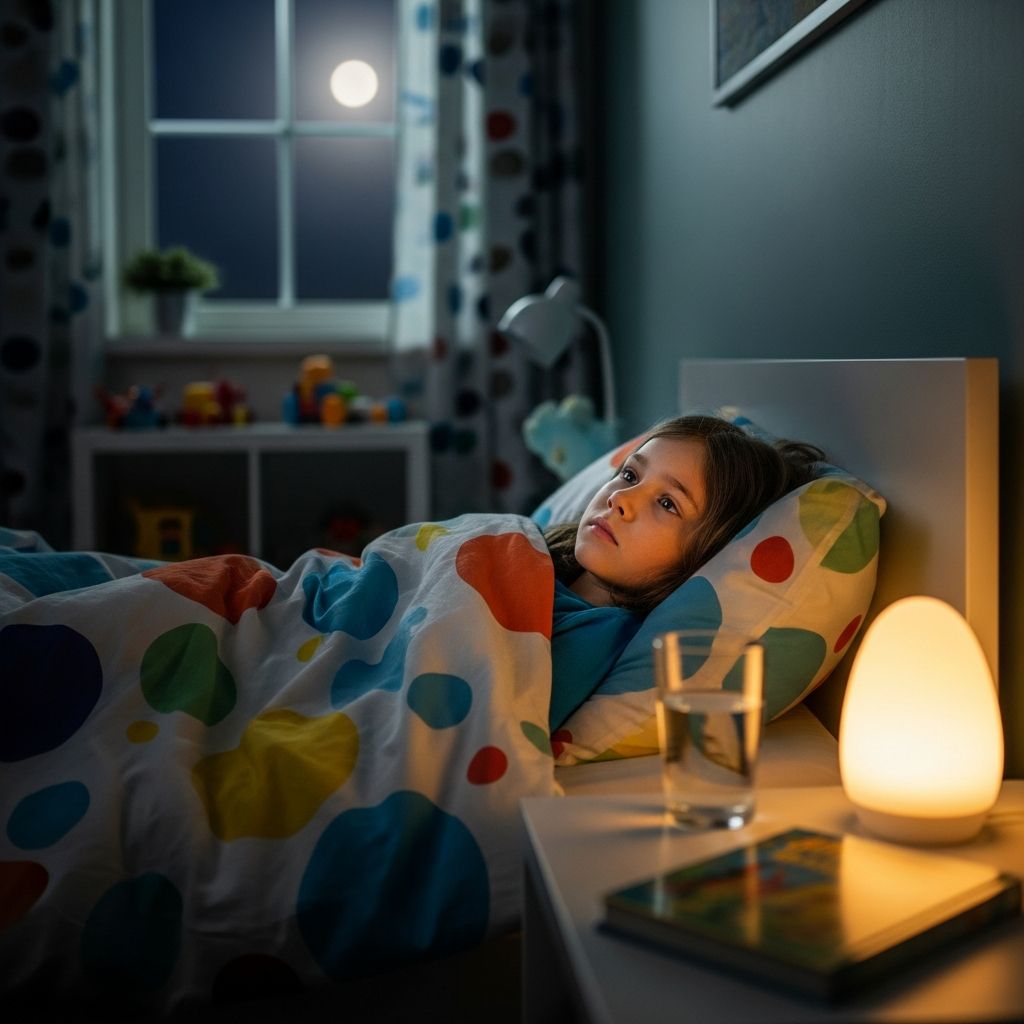
- Create a calm, dark, quiet, and cool sleep environment
- Develop a relaxing pre-sleep routine starting 30-60 minutes before bed
- Limit screen time at least one hour before sleep
- Encourage physical activity during daytime, but not close to bedtime
- Avoid caffeine and large meals close to bedtime
- Address daytime anxiety and stress through age-appropriate coping strategies
- Use relaxation techniques such as deep breathing or progressive muscle relaxation
Common Questions About Children’s Sleep Problems
Q: How much sleep do children need?
A: Sleep needs vary by age, but generally, toddlers require 11-14 hours, preschoolers need 10-13 hours, school-age children need 9-12 hours, and teenagers need 8-10 hours per night. Consistency matters as much as quantity.
Q: Could my child’s hyperactivity be caused by sleep deprivation?
A: Yes. Children who lack adequate sleep often display hyperactivity, impulsivity, and difficulty concentrating—symptoms that can mimic ADHD. Sleep deprivation may worsen existing ADHD symptoms or create similar behavioral patterns in well-rested children.
Q: Are sleepwalking and night terrors dangerous?
A: These parasomnias can pose safety risks if children leave the bedroom or engage in activities that could cause injury. Parents should ensure the sleep environment is safe by securing windows, using baby gates for younger children, and removing hazardous objects.
Q: Is snoring in children always a sign of sleep apnea?
A: Not all snoring indicates sleep apnea, but persistent snoring warrants evaluation by a pediatrician. Snoring accompanied by pauses in breathing, gasping, or daytime sleepiness suggests sleep apnea and requires professional assessment.
Q: Can anxiety treatment help with sleep problems?
A: For children whose sleep difficulties stem from anxiety, addressing the underlying anxiety through therapy, behavioral strategies, or sometimes medication can significantly improve sleep quality. A healthcare provider can determine whether anxiety treatment is appropriate for your child.
Q: How long do sleep problems typically last?
A: Duration varies greatly depending on the underlying cause. Some behavioral sleep issues resolve within weeks of implementing new routines, while medical sleep disorders may require ongoing management. Professional guidance helps determine expected timelines for your child’s specific situation.
References
- Sleep Disorders in Children: Causes, Symptoms, and Solutions — Goldsboro Pediatrics. https://www.goldsboropediatrics.com/articles_Sleep-Disorders-in-Children-Causes-Symptoms-and-Solutions.php
- Types of Sleep Disorders in Children — NYU Langone Health. https://nyulangone.org/conditions/sleep-disorders-in-children/types
- Common Sleep Disorders in Children — American Academy of Family Physicians (AAFP). 2014-03-01. https://www.aafp.org/pubs/afp/issues/2014/0301/p368.html
- Sleep Disorders in Children — Sleep Foundation. https://www.sleepfoundation.org/children-and-sleep/sleep-disorders-in-children
- Sleep Disorders in Children: Symptoms and Treatments — WebMD. https://www.webmd.com/sleep-disorders/children-sleep-problems
- Sleep Disorders in Children — Children’s Hospital Colorado. https://www.childrenscolorado.org/conditions-and-advice/conditions-and-symptoms/conditions/sleep-disorders-children/