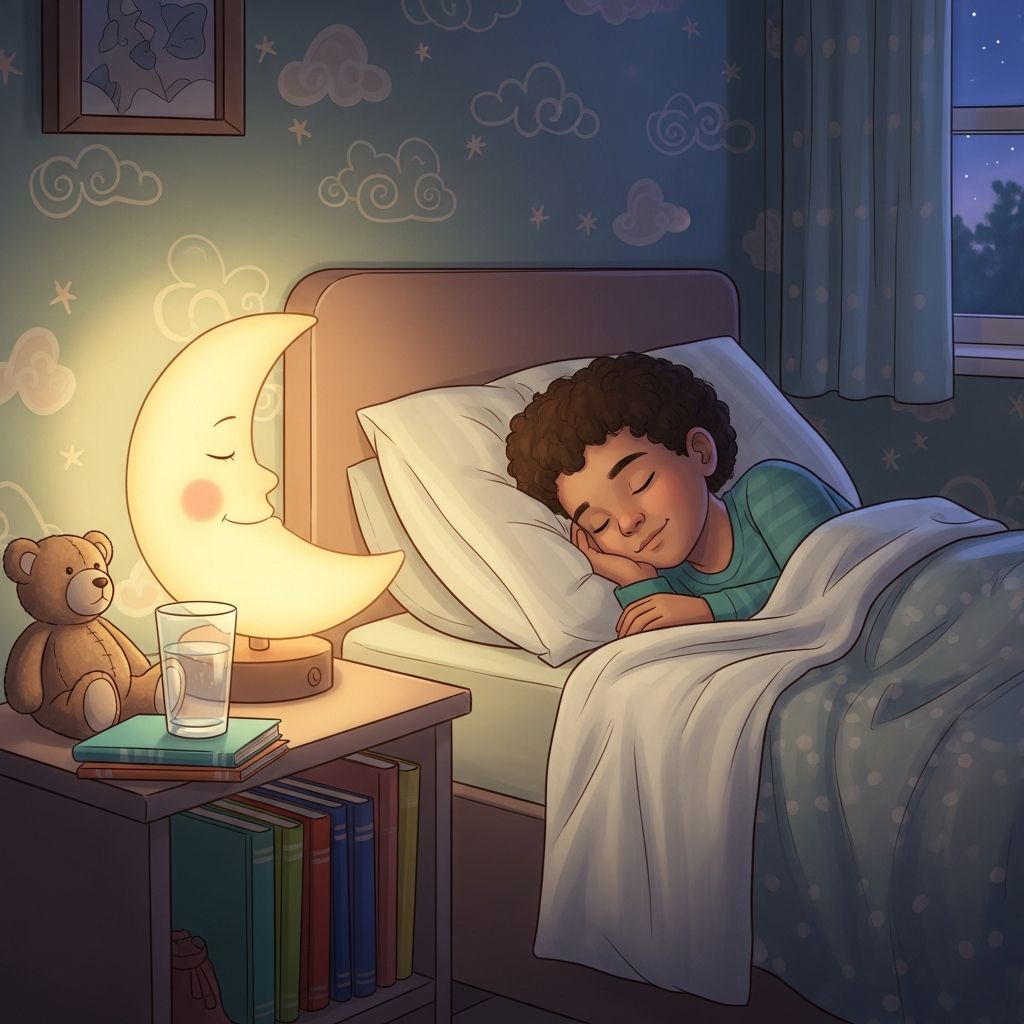
Quality sleep is foundational for children’s physical growth, emotional regulation, and cognitive development. From newborns who cycle through short bursts of rest to school-aged kids consolidating longer nights, understanding these evolving patterns empowers parents to create supportive environments. This guide explores sleep science tailored to young ages, highlighting how developmental milestones influence rest and offering actionable strategies.
The Building Blocks of Children’s Sleep
Sleep isn’t uniform; it unfolds in cycles comprising non-REM (quiet, restorative phases) and REM (active, dream-rich stages crucial for brain wiring). Newborns spend nearly equal time in both, with cycles lasting 20-50 minutes, leading to frequent wakings every 1-3 hours for feeds or comfort. By 3-6 months, non-REM dominates early nights for body repair, while REM supports memory, totaling 12-15 hours daily across 2-3 naps and up to 8-hour stretches.
As circadian rhythms mature around 4-6 weeks, babies distinguish day from night, influenced by light exposure rather than just hunger. This internal clock stabilizes patterns, reducing total sleep needs gradually: 14-15 hours for 4-12 months, dropping to 12-14 for ages 1-3.
Sleep Evolution from Newborn to Toddler
Infants under 3 months log 11-19 hours but in fragmented bouts due to tiny stomachs and rapid neural growth demanding frequent nourishment. Cycles shorten disruptions as quiet sleep extends, paving the way for consolidated nights.
| Age Group | Total Sleep (24h) | Night Sleep | Daytime Naps |
|---|---|---|---|
| 0-3 Months | 11-19 hours | 8-10 hours (with wakings) | Frequent, short |
| 3-6 Months | 12-15 hours | 6-8 hours straight | 2-3 naps, up to 2h each |
| 6-12 Months | 11-16 hours | 10-14 hours | 2-4 hours total |
By 6-12 months, 90-minute cycles mirror adults more closely, with 10-11 nighttime hours and naps consolidating to two by 9 months. Physical feats like crawling intrude on rest as babies rehearse skills mid-sleep.
Navigating Toddler Sleep Shifts
Ages 1-2 mark a pivot: single post-lunch naps (1-2 hours) alongside 10-12 nighttime hours, totaling 11-14 hours. Independence blooms—walking, climbing, basic commands—but so do challenges like separation anxiety peaking at 18 months or minor fears of noises.
Toddlers test boundaries, demanding stories or extra cuddles, which can delay wind-downs. Early bedtimes prevent overtired meltdowns, as wake windows lengthen to 3-4 hours between rests.
Preschool Years: Fears, Freedom, and Routines
From 2-5 years, sleep totals 10-12 hours nightly, with naps fading by 3 for most. Transitions like cot-to-bed spark adventures out of covers, while nightmares fuel dark fears, prompting nightlights or open doors.
Potty training adds wakings for bathroom trips, and preschool entry disrupts with new social stimuli. Yet, budding comprehension allows rewards for staying put, turning resistance into cooperation.
- Nightmares vs. Night Terrors: Nightmares occur in REM (later cycles), children recall and seek comfort; terrors in deep non-REM (early night), they’re inconsolable but forget by morning.
- Bedtime Resistance: Common from newfound autonomy; consistent routines (bath, book, bed) within 30 minutes signal sleep time.
- Screen Impact: Blue light suppresses melatonin; avoid 1-2 hours pre-bed.
Why Sleep Matters: Growth and Brain Links
Deep non-REM rebuilds tissues and immunity; REM cements learning, vital during language leaps (6-12 months) or motor practice (1-2 years), explaining wakings as brains process day’s novelties. Chronic short sleep links to irritability, weakened focus, and growth delays, per pediatric guidelines.
Optimal rest bolsters emotional resilience against tantrums or anxiety spikes in toddlers, and sharpens problem-solving for preschoolers facing academic demands.
Age-Tailored Strategies for Sound Sleep
Newborns (0-3 Months)
Respond promptly to cues—swaddling mimics womb security, white noise drowns disruptions. Cluster feeds evenings stretch night gaps.
Infants (3-12 Months)
Dim lights post-6pm build circadian cues. Space naps to avoid bedtime pushback; dream feeds minimize post-midnight hungers.
Toddlers (1-2 Years)
“Bedtime pass”—one ticket for a hug/check-in curbs calls. Earlier dinners sidestep hunger wakings.
Preschoolers (2-5 Years)
Charts reward dry nights or quiet stays. Cozy “worry bears” absorb fears pre-sleep.
Universal tips: Cool (68-72°F), dark rooms; consistent wake times anchor rhythms. Track logs reveal overtired signals like frequent signaling.
Spotting and Solving Sleep Hurdles
Regression hits during leaps: crawling (6-9 months) or words (12 months) rev busy minds. Teething or illnesses fragment cycles—comfort without new habits (rocking to sleep).
Over 20% of toddlers face chronic issues; consult pediatricians if snoring, breathing pauses signal apnea, or patterns persist beyond regressions.
| Common Issue | Signs | Solutions |
|---|---|---|
| Frequent Wakings | Every 1-2 cycles | Consistent re-settling; check schedule |
| Short Naps | <30 min | Prolong with gentle patting |
| Bedtime Battles | Stalling tactics | Firm, loving limits; no negotiations |
Frequently Asked Questions (FAQs)
Why does my 6-month-old suddenly wake more at night?
Developmental milestones like rolling or babbling activate their brain, causing mid-cycle arousals. Maintain routines; it passes in 1-2 weeks.
How many naps does a 1-year-old need?
Typically one, 1-2 hours mid-day, supporting 11-14 total hours. Two-nap holdouts signal shorter wake windows.
Is it okay if my toddler skips naps?
By 18 months, some drop them for longer nights, but watch for crankiness. Quiet time preserves benefits without sleep.
What if fears disrupt my 3-year-old’s sleep?
Validate feelings, use nightlights, and bedtime stories with calm heroes. Avoid scary media.
Can diet affect sleep?
Yes—heavy sugars or caffeine late spike energy; balanced meals with tryptophan (bananas, oats) aid melatonin.
Building Lifelong Healthy Sleep Foundations
Consistency breeds security; involve kids in routines for ownership. Model good habits—your calm presence reassures. Track progress weekly, adjusting for growth spurts. Quality sleep fuels tomorrow’s explorers, turning restless nights into restorative havens.
References
- How Developmental Stages Affect Baby and Child Sleep — Millpond Sleep Clinic. 2023. https://millpondsleepclinic.com/how-your-baby-or-childs-developmental-stages-may-impact-their-sleep/
- Sleep Development Stages — Michigan State University Extension. 2022-10-15. https://www.canr.msu.edu/news/sleep_development_stages
- Baby Sleep Patterns by Age — Pregnancy Birth and Baby. 2024. https://www.pregnancybirthbaby.org.au/sleep-patterns-for-babies
- The Science of Infant Sleep Cycles — Children’s Wellness Center Pediatrics. 2025-07-09. https://cwcpediatrics.com/2025/07/09/the-science-of-infant-sleep-cycles/
- Sleep and Your Child — UCSF Benioff Children’s Hospitals. 2023. https://www.ucsfbenioffchildrens.org/education/sleep-and-your-child
- Sleep & Sleep Cycles: Babies, Kids, Teens — Raising Children Network. 2024. https://raisingchildren.net.au/newborns/sleep/understanding-sleep/about-sleep