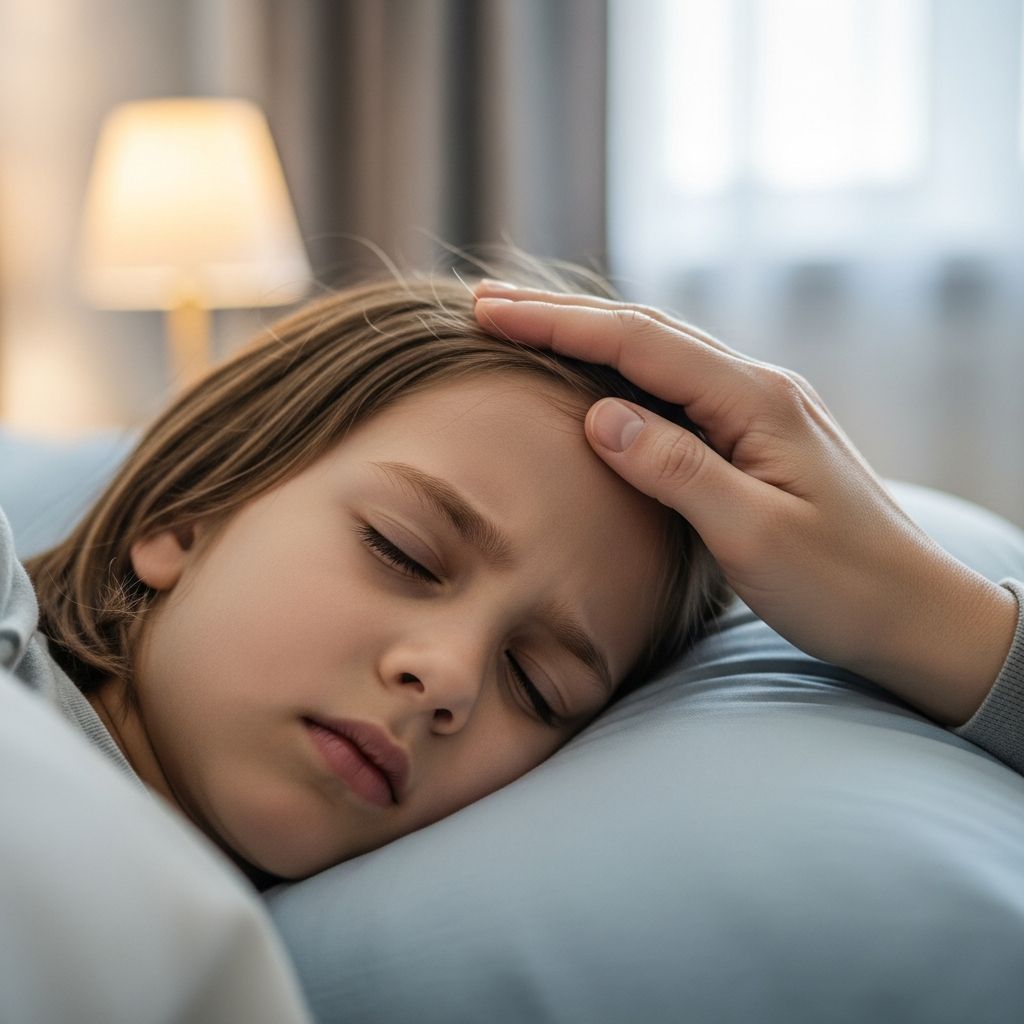
Headaches affect up to 20% of children aged 5-17, with tension types in 15% and migraines in 5%, yet fewer than 3% stem from serious conditions like tumors. Parents often fear the worst, but most cases link to everyday factors like stress or poor sleep. This guide equips you with knowledge on spotting, soothing, and stopping them.
Understanding Why Children Get Headaches
Children’s headaches arise from diverse triggers. **Primary headaches** like tension or migraines occur without underlying illness, while **secondary headaches** result from infections, injuries, or other issues. Stress from school pressures, such as exams or extracurricular overload, frequently sparks tension headaches, which lack the genetic component of migraines.
Lifestyle plays a big role: insufficient sleep (aim for 8-10 hours), dehydration, skipped meals, or screen overuse can provoke pain. Environmental factors like bright lights, loud noises, or strong smells may worsen migraines, often paired with nausea or vomiting.
Common Types of Headaches in Young Ones
- Tension Headaches: Dull, band-like pressure around the head, triggered by stress, anxiety, or fatigue. No nausea typically.
- Migraines: Throbbing pain, often one-sided, with sensitivity to light/sound, nausea, or aura (visual disturbances). Some kids experience abdominal pain instead.
- Cluster Headaches: Rare in kids; intense pain around one eye, with tearing or nasal congestion.
- Secondary: From colds, sinus issues (with fever/discharge), head injuries, or rarely, meningitis.
| Type | Symptoms | Duration | Triggers |
|---|---|---|---|
| Tension | Dull ache, tight band | 30 min – days | Stress, poor sleep |
| Migraine | Throbbing, nausea, light sensitivity | 4-72 hours | Foods, hormones, weather |
| Secondary | Varies with cause | Varies | Infection, injury |
Spotting Red Flags: When Headaches Signal More
Most headaches are benign, but watch for danger signs needing immediate care: sudden severe pain, worsening pattern, fever with stiff neck, vision changes, weakness, balance issues, or post-head injury. Less than 5% involve serious issues like hydrocephalus, tumors, or hemorrhage. Meningitis presents with fever and neck stiffness; trauma from concussions causes persistent pain.
- Sudden ‘thunderclap’ pain unlike before.
- Headaches waking child at night or worst in morning.
- Accompanied by seizures, confusion, or personality changes.
- Progressive with neurological symptoms like numbness.
Consult a pediatrician promptly if these occur; routine headaches don’t typically disrupt daily life this way.
Home Strategies to Ease Your Child’s Headache
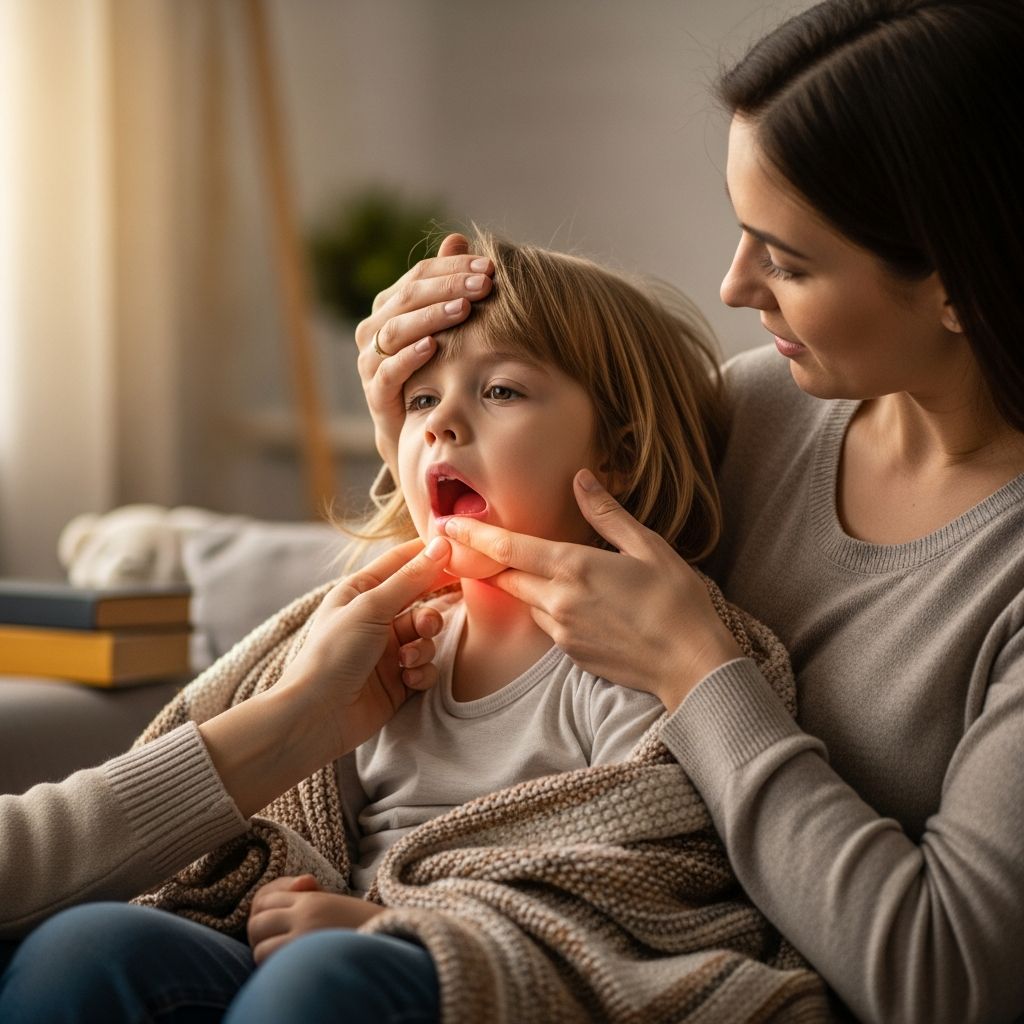
Start with non-drug approaches. Guide your child to a dark, quiet room for rest—sleep often resolves it. Apply a cool compress to forehead or neck; hydrate with water or juice if dehydrated.
Offer a nutritious snack if hunger-triggered; avoid known irritants like caffeine or processed foods. Relaxation works wonders: teach deep breathing, progressive muscle relaxation, or soothing music to cut stress. Gentle neck massage or physical therapy aids tension from poor posture.
Quick Relief Tips Table
| Action | How It Helps | Best For |
|---|---|---|
| Rest in dark room | Reduces sensory overload | Migraines |
| Hydrate & snack | Fixes dehydration/hunger | Tension |
| Cool compress | Soothes inflammation | All types |
| Relaxation breathing | Lowers stress | Stress-induced |
Medications: Safe Options for Kids
Over-the-counter (OTC) relievers like **acetaminophen** or **ibuprofen** are first-line, best at onset. Never use aspirin in kids under 18 due to Reye’s syndrome risk. For frequent migraines, triptans may suit older children under doctor guidance.
Preventives like amitriptyline help chronic tension headaches. If OTC fails, doctors may suggest injections (rarely for kids) or Botox/nerve blocks. Always follow dosing by weight/age; combine with habits for best results.
- Acetaminophen: For mild pain, every 4-6 hours.
- Ibuprofen: Anti-inflammatory, good for inflammation-linked pain.
- Avoid overuse to prevent rebound headaches.
Advanced Treatments and Therapies
For recurrent cases disrupting school/life, cognitive behavioral therapy (CBT) builds coping skills, outperforming meds alone. Biofeedback teaches body control over pain responses; acupuncture or massage shows promise.
Schools can implement 504 plans for accommodations like rest breaks. Pediatric neurologists tailor plans: acute meds for attacks, dailies for prevention aiming <1 headache/week.
Lifestyle Changes to Prevent Headaches
Prevention beats cure. Ensure 8+ hours sleep nightly, consistent meals, and hydration. Limit screens, encourage outdoor play for stress relief. Track triggers via diary: foods (chocolate, cheese), weather, or cycles.
Promote exercise, mindfulness; eye exams rule out vision issues. Reduce extracurriculars if overloaded; teach time management.
Frequently Asked Questions (FAQs)
Are headaches common in school-age kids?
Yes, 20% of 5-17-year-olds experience them, mostly tension or migraine types.
Can stress really cause headaches in children?
Absolutely; academic pressure, family changes, or overscheduling often trigger tension headaches.
When should I see a doctor for my child’s headache?
If sudden/severe, with fever, vision issues, or worsening—rule out secondary causes.
Is Tylenol safe for kids’ headaches?
Yes, acetaminophen is; follow age/weight dosing, prefer at first sign.
Do migraines affect young children?
Yes, 5% prevalence; may include belly pain or vomiting without head pain.
How can I help my child avoid headaches?
Prioritize sleep, hydration, balanced diet, stress reduction, and routine.
Empowering Parents: Next Steps
Track patterns, partner with pediatricians, and foster healthy habits. Most kids respond well, regaining joy in play and learning. Early action prevents chronicity.
References
- Headaches in Children: Causes, Types & Pain Relief — Cleveland Clinic. 2023. https://my.clevelandclinic.org/health/diseases/4225-headaches-in-children
- Children’s Headache Disorders — National Headache Foundation. 2023. https://headaches.org/resources/childrens-headache-disorders/
- Headache — Child Neurology Foundation. 2024. https://www.childneurologyfoundation.org/disorder/headache/
- Children, Headaches, and When to Worry — Brown University Health. 2023. https://www.brownhealth.org/be-well/children-headaches-and-when-worry
- Headaches in Children — Children’s Hospital of Philadelphia (CHOP). 2024. https://www.chop.edu/conditions-diseases/headaches-children
- Headaches in children – Diagnosis & treatment — Mayo Clinic. 2024-01-15. https://www.mayoclinic.org/diseases-conditions/headaches-in-children/diagnosis-treatment/drc-20352104