Fractures in children are common due to their active lifestyles and developing skeletons, but with prompt care, most heal effectively without lasting issues. This guide equips parents with knowledge on detection, care, treatment, recovery, and prevention, drawing from pediatric orthopedic expertise.
Recognizing Signs of a Fracture in Your Child
Children’s bones differ from adults’ with more flexibility and faster healing potential, yet fractures occur frequently from falls, sports, or accidents. Key indicators include intense pain that worsens with movement, visible swelling or bruising, deformity like angulation or shortening of the limb, and reluctance to use the affected area. Children may also cry uncontrollably or guard the injury site.14
- Pain: Sharp or throbbing, not relieved by rest.
- Swelling: Rapid onset around the injury.
- Deformity: Obvious bend or twist in the bone.
- Limited Mobility: Inability to bear weight or move joint.
- Skin Changes: Pale, cool skin or open wound signaling compound fracture.
Distinguishing fractures from sprains is vital; if unsure, treat as fracture to avoid worsening damage.6
Immediate First Aid Steps for Suspected Fractures
Act swiftly to stabilize the injury and seek professional help. Do not attempt to realign the bone yourself, as this risks further damage to growth plates—cartilage areas crucial for bone lengthening.7
- Ensure scene safety and calm your child.
- Immobilize the limb in its current position using a makeshift splint from rigid materials like wood, rolled magazines, or padded boards, secured with bandages or tape.4
- Apply ice wrapped in cloth for 15-20 minutes to reduce swelling; elevate if possible without causing pain.
- Administer age-appropriate pain relief like acetaminophen or ibuprofen, following dosage instructions.2
- Rush to emergency care or pediatric orthopedist; call ahead if driving.
Avoid tight wrappings that cut circulation. For head, neck, or hip suspicions, do not move the child.1
Professional Diagnosis of Pediatric Bone Injuries
Pediatric specialists use tailored approaches recognizing kids’ unique bone composition with higher cartilage content, which can obscure standard imaging.5 Initial assessment involves history, physical exam checking neurovascular status, followed by X-rays interpreted by pediatric radiologists for fracture type—simple, greenstick, buckle, or growth plate involvement.6
Advanced imaging like MRI or CT is rare but used for complex cases near joints or spine. Growth plate fractures (Salter-Harris types) demand precision to prevent growth arrest.17
| Fracture Type | Description | Common in Kids? |
|---|---|---|
| Greenstick | Bone bends and cracks on one side | Yes, due to flexibility |
| Buckle (Torus) | Bone cortex crumples | Common in forearms |
| Complete | Bone fully breaks | Less remodeling potential |
| Growth Plate | Affects cartilage | High risk, needs surgery often |
Treatment Options Tailored for Young Patients
Treatments prioritize non-invasive methods leveraging children’s superior remodeling—bones can self-correct minor misalignments as they grow.27 Options vary by fracture location, displacement, and age.
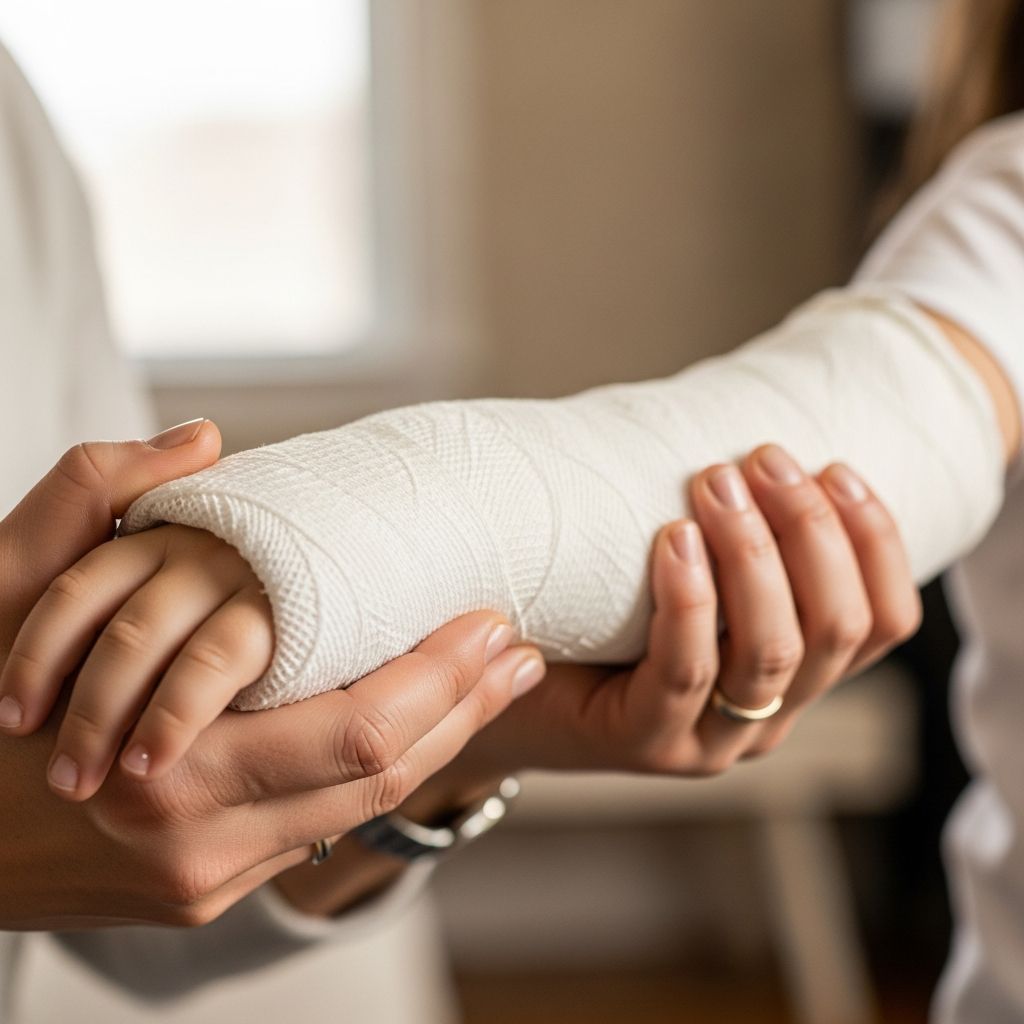
- Immobilization: Casts, splints, or braces hold alignment; fiberglass casts are lightweight and waterproofable.3
- Closed Reduction: Sedated realignment under X-ray guidance, followed by casting.8
- Traction: Weights gently pull bones into place over days, used for femur fractures.3
- Surgical Intervention: Pins, plates, or rods for unstable or displaced fractures, especially growth plate ones; minimally invasive techniques preferred.15
Pain management combines medications; monitor for compartment syndrome signs like increasing pain or numbness.2
The Science of Bone Healing in Children
Healing unfolds in phases: inflammation (days 1-7, hematoma forms), soft callus (weeks 2-3, collagen bridges gap), hard callus (weeks 4-12, mineralization), and remodeling (months to years, bone reshapes).1 Kids heal 2-3 times faster than adults due to robust blood supply and periosteum activity. Factors accelerating recovery: nutrition (calcium, vitamin D), non-smoking home, compliance with immobilization.2
Typical timelines:
- Finger/Toe: 3-4 weeks
- Forearm/Wrist: 6-8 weeks
- Femur: 8-12 weeks, often hospital traction
Follow-up X-rays confirm union.3
Caring for Your Child During Immobilization
Casts require vigilance: check for tight spots, odors, or sores. Keep dry using covers for baths; elevate to curb swelling first 48 hours. Itch relief via medicated powder or cool air, never objects inside.4
Daily life adaptations:
- School: Crutches or wheelchair for lower limb.
- Hygiene: Sponge baths, cast shoes.
- Nutrition: Dairy, greens, fortified foods for bone strength.2
- Activity: Bed rest initially, then supervised play.
Watch for fever, worsening pain, or cast cracks signaling urgent review.5
Recovery Milestones and Rehabilitation
Post-cast removal, weakness and stiffness are expected; physical therapy restores range, strength, balance over 4-6 weeks.5 Full sports return: 2-3 months typically, cleared by X-ray and function tests. Monitor growth plate integrity long-term.7
Potential complications (rare): non-union, malunion, infection, growth issues—minimized by specialist care.1
Preventing Fractures: Building Resilient Bones and Habits
Proactive steps reduce risks:
- Calcium/Vitamin D-rich diet: Milk, yogurt, sunlight exposure.2
- Protective Gear: Helmets, pads for biking, skating, sports.4
- Supervised Play: Avoid unsupervised heights or rough play.
- Strength Training: Age-appropriate exercises post-puberty.
Educate on risks during growth spurts when bones outpace muscle.6
Frequently Asked Questions (FAQs)
Can all children’s fractures heal without surgery?
Yes, most do with casting due to excellent remodeling; surgery for 10-20% severe cases.27
How long does a cast stay on for a child’s arm fracture?
Usually 4-6 weeks, depending on age and healing progress via follow-up X-rays.3
What if my child complains of cast pain after a few days?
Loosen or seek immediate care; swelling can cause pressure.14
Will a fracture affect my child’s growth?
Rarely, if growth plate undamaged; monitored by orthopedist.56
When can my child return to sports after a fracture?
After clearance, typically 8-12 weeks, with PT completion.5
References
- Immediate Care for Your Child’s Fracture: When to Visit a Pediatric Orthopedist — Pediatric Orthopedics. 2023. https://pediatricorthopedics.com/immediate-care-for-your-childs-fracture-when-to-visit-a-pediatric-orthopedist/
- What You Should Know About Treating Pediatric Fractures — Fremont Orthopedics. 2024. https://www.fremontorthodocs.com/pediatric-fractures/
- Treating Pediatric Fractures — University Health San Antonio. 2023. https://www.universityhealth.com/pediatrics/services/orthopedics/fractures
- Broken Bone (Fracture): Treatment, Care — Nemours KidsHealth. 2025-01-10. https://kidshealth.org/en/parents/broken-bones-sheet.html
- Pediatric Fracture & Broken Bone Care — Children’s Healthcare of Atlanta. 2024. https://www.choa.org/medical-services/orthopedics/fracture-care
- Broken Bones and Fractures — Children’s Hospital Colorado. 2024. https://www.childrenscolorado.org/conditions-and-advice/conditions-and-symptoms/conditions/broken-bones/
- Fracture Program — Seattle Children’s Hospital. 2024. https://www.seattlechildrens.org/clinics/orthopedics/fracture/