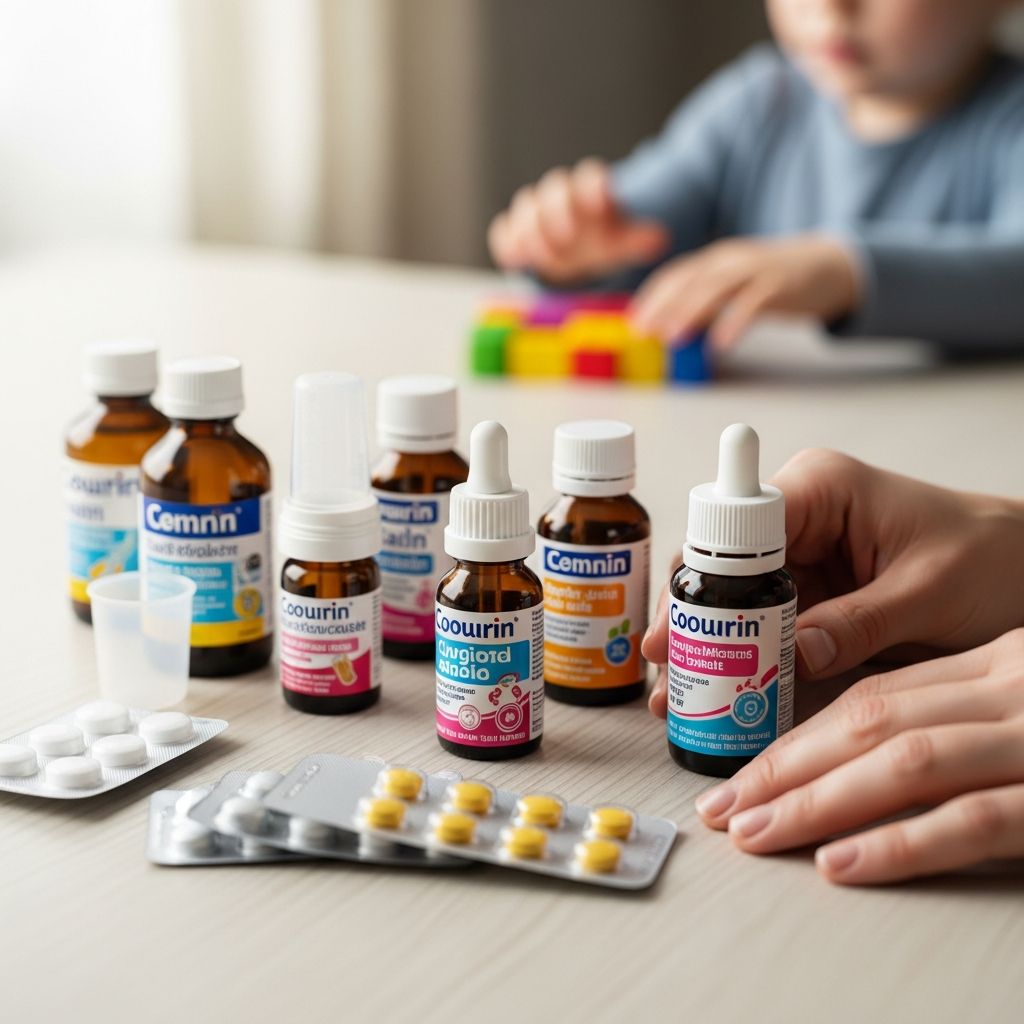
When a child is coughing all night or struggling with a stuffy nose, many caregivers instinctively reach for over-the-counter cough and cold remedies marketed for kids. Yet modern pediatric guidance has become more cautious about these products, especially for younger children, because the benefits are often modest while the risks can be significant. [web:2][web:3]
This article explains why children’s cough and cold medicines are used more carefully today, outlines age-specific recommendations, and offers practical, safer ways to support a sick child at home.
Why Children’s Cough and Cold Medicines Are So Controversial
Over-the-counter (OTC) cough and cold medicines often combine multiple active ingredients such as decongestants, antihistamines, cough suppressants, and pain relievers into a single bottle or packet. This multi-symptom design makes dosing errors more likely, especially if a child is also given another product that contains one of the same ingredients. [web:1][web:3]
Large pediatric reviews and poison-center data have linked these medicines with side effects ranging from mild drowsiness to serious breathing problems, seizures, or heart rhythm changes, particularly when children receive too high a dose for their age or weight. [web:1][web:4]
Common Ingredients and What They Do
Understanding the basic types of ingredients in pediatric cough and cold products helps parents read labels more safely and avoid duplicating active components.
| Ingredient type | Typical purpose | Examples of potential side effects in children |
|---|---|---|
| Decongestants | Shrink nasal blood vessels to ease stuffy nose. | Fast heart rate, agitation, trouble sleeping, or blood pressure changes. [web:1][web:4] |
| Antihistamines | Dry up runny nose and reduce sneezing. | Drowsiness, confusion, or paradoxical agitation in young children. [web:1][web:4] |
| Antitussives (cough suppressants) | Reduce the urge to cough. | Drowsiness, dizziness, behavior changes, and—at high doses—neurologic or cardiac toxicity. [web:1][web:5] |
| Expectorants | Thin mucus to make coughs more productive. | Stomach upset or nausea, with limited proven benefit in young children. [web:1] |
| Pain relievers / fever reducers | Lower fever and ease discomfort. | Liver injury with acetaminophen overdose and kidney or stomach problems with some other pain relievers. [web:3] |
Age-Based Guidance: When Medicines Are Usually Not Recommended
Medical organizations and regulatory agencies generally advise avoiding OTC cough and cold medicines in the youngest age groups, because these children are most vulnerable to side effects and least likely to gain meaningful symptom relief. [web:2][web:3][web:7]
- Under 2 years: Non-prescription cough and cold products are typically not recommended unless a clinician specifically instructs otherwise, due to a history of severe adverse events in this age group. [web:3][web:7]
- 2 to 4 years: Some labels still discourage use, and many pediatricians prefer non-drug comfort measures rather than routine cough and cold medicines. [web:4][web:6]
- 4 to 6 years: Select products may be used with careful dosing, but non-medicated options often remain the first choice for simple viral colds. [web:4][web:8]
- Over 6 years: Older children can usually use OTC products more safely when given correct doses, but the focus should still be on targeted symptom relief rather than broad multi-symptom combinations. [web:2][web:8]
The Limits of What These Medicines Can Do
Colds in children are typically caused by viruses that the body clears on its own over several days to a couple of weeks, and cough and cold medicines do not shorten the course of the illness. [web:2][web:6]
Research suggests that for many children, these products do not significantly improve cough frequency or overall sleep compared with simple supportive care, which is one reason clinicians question routine use in mild, uncomplicated colds. [web:2][web:4][web:6]
Potential Risks and Side Effects Parents Should Watch For
Because children’s bodies handle medications differently from adults, a dose that seems small to a caregiver can still be too much for a young child. [web:1] Side effects can occur even when directions on the label are followed, and the risks rise further when multiple products with overlapping ingredients are used. [web:1][web:3]
- Over-sedation, excessive sleepiness, or difficulty waking the child.
- Agitation, restlessness, or unusual behavior such as hallucinations. [web:4][web:5]
- Fast heart rate, irregular heartbeat, or changes in blood pressure. [web:1][web:4]
- Seizures, severe vomiting, or signs of breathing difficulty, which require urgent medical evaluation. [web:1][web:3][web:5]
How Overdoses and Errors Happen
Poison-control and emergency department data show that most serious events in young children involve dosing errors or unsupervised ingestions, rather than intentional misuse by parents. [web:1][web:3] Multi-symptom products can be especially confusing because the same active ingredient may appear under different brand names in cough syrups, fever reducers, and allergy medicines. [web:2][web:3]
Even when caregivers use a household spoon instead of a marked dosing device, the amount delivered may vary widely, increasing the risk of under- or overdosing, particularly for infants and toddlers who require small, precise volumes. [web:1]
Safer Ways to Help a Sick Child Feel Better
Supportive, non-drug measures are often the safest and most effective first steps for managing uncomplicated coughs and colds in children, especially under school age. [web:2][web:4][web:6]
- Saline nose drops or spray: Help loosen thick mucus and can be paired with gentle suction in infants. [web:4][web:8]
- Cool-mist humidifier: Adds moisture to the air, which may ease congestion and soothe the airways.
- Plenty of fluids: Encourages thinner mucus and helps prevent dehydration from fever or rapid breathing.
- Honey for children over 1 year: Small night-time doses have been shown to reduce cough frequency and improve sleep in older toddlers and school-age children. [web:9]
- Upright positioning: Slightly elevating the upper body during sleep may reduce post-nasal drip–related coughing.
When Medicines May Be Reasonable
There are situations where carefully chosen medicines can play a role in a child’s comfort, particularly when symptoms are intense or significantly disrupt sleep or hydration in older children. [web:2][web:4]
- Using a single-ingredient pain reliever or fever reducer for clearly uncomfortable fevers, following age- and weight-based dosing charts.
- Considering a measured dose of a cough or decongestant product in children old enough to use them more safely, after discussing options with a health professional. [web:2][web:8]
- Avoiding medications with codeine or hydrocodone for cough in children and adolescents, because these opioid ingredients are restricted to adults due to serious respiratory risks and misuse potential. [web:2]
Practical Label-Reading Tips for Parents
A careful look at the label is one of the most important safety steps a caregiver can take before giving any medicine to a child. [web:2][web:3]
- Check the active ingredients list so that you do not give two different products that contain the same medicine, such as acetaminophen, decongestants, or antihistamines.
- Use the dosing instructions that match your child’s age and weight, and never guess a dose for an infant.
- Use the included measuring syringe or cup instead of a kitchen spoon to keep doses accurate. [web:1]
- Avoid products labeled for multiple symptoms if a single problem (like fever or mild congestion) is the main concern.
Storage, Supervision, and Preventing Accidental Ingestions
Many serious events occur when young children access medicines on their own, attracted by sweet flavors or colorful packaging, which is why storage and supervision matter as much as the choice of product. [web:1][web:3]
- Keep all medicines in a locked or out-of-reach cabinet, not in purses, nightstands, or counters where small children can explore.
- Replace child-resistant caps properly after every use and avoid referring to medicine as “candy,” which can encourage unsupervised tasting.
- Teach older children and teens that taking extra cold medicine or using cough syrups to get high is dangerous and can lead to life-threatening complications. [web:5]
Red-Flag Symptoms Requiring Medical Attention
While most colds are mild and self-limited, some symptoms suggest a more serious infection or a medication-related problem that warrants prompt evaluation. [web:2][web:3]
- Difficulty breathing, rapid breathing, or using belly and chest muscles visibly to take each breath.
- Bluish lips or face, or persistent wheezing not previously diagnosed.
- High fever that lasts several days or returns after initially improving.
- Unusual sleepiness, confusion, seizures, or a child who is not responding normally.
- Signs of dehydration, such as very few wet diapers, dry mouth, or lack of tears when crying.
Frequently Asked Questions About Children’s Cough and Cold Medicines
Are there any completely safe cough and cold medicines for young children?
No medicine is completely risk-free, and most non-prescription cough and cold products are not advised for infants and toddlers because side effects can outweigh modest symptom benefits. Supportive measures like saline, humidified air, and appropriate fluids are preferred in these age groups. [web:2][web:3][web:6]
Is it acceptable to use adult cough medicine at a smaller dose for a child?
Using adult medicines “off the label” for children by guessing a reduced dose is unsafe, because adult products may have higher concentrations or additional active ingredients that have not been studied adequately in children. Pediatric-specific dosing should always be used, ideally with guidance from a health professional when there is uncertainty. [web:1][web:2]
Does codeine help children sleep when they are coughing?
Codeine-containing cough syrups are no longer recommended for children and adolescents due to the risk of slowed breathing, misuse, addiction, and overdose, and regulatory agencies now restrict their use to adults. [web:2] When night-time cough is severe, pediatricians usually suggest non-opioid strategies and careful evaluation for asthma, pneumonia, or other underlying conditions instead.
Can dextromethorphan or other cough suppressants be abused by teens?
Some teens misuse high doses of cough suppressants such as dextromethorphan to achieve hallucinogenic effects, which can lead to confusion, loss of coordination, high blood pressure, seizures, and even brain injury. [web:5] Parents should keep medicines locked away, monitor quantities, and talk openly with older children about the real dangers of experimenting with cough syrups or gel caps.
How long should a child’s cough last before I worry?
A mild, dry cough may linger for a couple of weeks after a viral cold, but a cough that steadily worsens, interferes with breathing, or is accompanied by high fever, chest pain, or poor feeding should be assessed sooner. [web:2] When in doubt, especially for infants or children with chronic conditions, consulting a pediatric clinician is more important than adding extra over-the-counter medicines.
Key Takeaways for Caregivers
- Most children’s cough and cold medicines offer limited symptom relief yet carry real risks, particularly in the very young. [web:1][web:2][web:3]
- Age-appropriate, non-drug comfort measures and careful monitoring are usually the safest first steps during routine viral colds.
- When medicines are used, choose single-ingredient products, follow precise pediatric dosing, and avoid opioids or adult-strength formulas.
- Secure storage, clear family rules, and open conversations about medicine safety greatly reduce the chances of accidental overdoses or intentional misuse. [web:1][web:5]
With informed decisions and a focus on comfort rather than quick chemical fixes, caregivers can help children through coughs and colds more safely and confidently.